
What’s actually slowing this PC down?
Pick the symptom - the matching free tool is one click away.
Some links on this page are affiliate links: if you buy through them we may earn a commission, at no extra cost to you.
The best answer comes from several clues, not one encounter. A cat that approaches people, seeks a house or car, and looks thin, dirty, injured, or distressed is more likely to be a lost or abandoned stray. A healthy cat with a clean coat, regular feeding area, or a surgically tipped ear may be a cared-for community cat. A cat that consistently hides, avoids people, and cannot be safely approached is more consistent with feral behavior. Fear can make a friendly cat act feral, and some community cats are social, so treat these as working clues rather than proof. See guidance from Humane World for Animals and Alley Cat Allies.
Start with the three possibilities
“Stray” describes a cat’s situation, not a permanent personality. A socialized pet can become lost or be abandoned and still know how to live with people. “Feral” describes a cat that is unsocialized to people or has lost most human contact. A third possibility is often overlooked: an owned outdoor pet or a community cat already being fed and monitored by a caregiver.
As an Amazon Associate I earn from qualifying purchases.
| What you observe | Lost or abandoned stray | Feral community cat | Owned outdoor pet or cared-for community cat | Most appropriate first response |
|---|---|---|---|---|
| Socialization and approach | May approach, rub, vocalize, follow people, seek a porch, house, or car, or accept touch. | Usually avoids approach, hides, crouches, or retreats; may hiss, swat, or bite when cornered. | May be friendly or cautious and may appear only at familiar times. | Observe from a distance, then plan reunification or a safe scan rather than chasing. |
| Physical condition | May become thin, dirty, matted, injured, or visibly distressed after time outdoors. | Can be healthy and fit while living outdoors, although illness or injury still requires help. | Often has a stable weight and coat; food, water, shelters, or nearby cats may indicate ongoing care. | Judge welfare and urgency separately from ownership. |
| Identification | A collar, tag, or microchip may lead to an owner; no collar proves nothing. | A tipped ear commonly indicates sterilization through trap-neuter-return (TNR). | May have a tag, microchip, ear-tip, or a known neighborhood caregiver. | Photograph identifying marks and arrange a microchip scan when safe. |
| Colony context | May be alone or newly appear around homes, shops, or vehicles. | May live with a stable group and return to a feeding or sheltering site. | May share a location with other cats and be visited by a caregiver. | Ask neighbors and local cat-care groups before removing a thriving cat. |
| Likely next step | Search for the owner, obtain veterinary assessment, and consider fostering only after reunification efforts. | Use a humane TNR/community-cat plan; do not assume an adult feral cat should be forced indoors. | Confirm who provides care and avoid disrupting an established arrangement. | Escalate immediately only for injury, illness, entrapment, or danger. |
Alley Cat Allies summarizes the central distinction this way: “Stray cats are socialized to people and can be adopted into homes, but feral cats are not socialized to people and are happy living outdoors.” That is a behavioral description, not a license to label a cat from one frightening encounter.
Behavior: the strongest clue, with important limits
Signs a cat is socialized to people
- Walks toward you instead of immediately fleeing.
- Rubs against legs, furniture, or a carrier; kneads; purrs; or vocalizes to solicit attention.
- Waits near doors, porches, garages, cars, or windows.
- Accepts food while you are nearby, and eventually tolerates touch or being placed in a carrier.
- Looks to people for shelter when weather, traffic, or dogs create danger.
These behaviors make a lost or abandoned stray more likely because the cat has learned to rely on humans. They do not prove that no one is caring for it; an owned outdoor pet can be equally friendly.
Popular on Amazon

- High Quality Materials:SZHLUX Live Animal Cage Trap use low carbon steel wire and medium frequency welding. In this way, the product surface is flat, the welding is firm, and it is not easy to solder off.Weather and rust resistant.
- Convenient Design: Our cat trap is foldable and can be easily loaded into the trunk of the car.It only takes 4 simple steps to set up,from nearly flat to assembled in seconds--no tools needed.
- Humane Live Animal Trap: Our raccoon trap use oblong support frame to secure the cage shape and use fixing clips to fix rear door,smoothed internal edges protect and prevent trapped animal being injured.All you need is some bait to catch and then release them back to the wild.
- User-friendly Design: The top cover guard board of the cage prevents people injured by the trapped animal's mistake.The connecting rod of the pedal mechanism is set inside the cage to prevent animals from touching the mechanism by mistake.A new tool has been designed to extend the safe distance when releasing the animal.
- Dimensions: Product Size: 32inch*10inch*12inch; Package Size: 38.2inch*11.8inch*3.15inch.Excellent choice when attempting to capture smaller animals such as stray cats, raccoons, squirrel, skunk, mole, groundhog, armadillo, rabbit and small dogs.
Signs of unsocialized or feral behavior
- Runs, hides, or freezes whenever a person appears.
- Keeps its body low, avoids eye contact, and waits until people leave before eating.
- Hisses, growls, strikes, or attempts to bite when escape is blocked.
- Will not safely enter a carrier or allow handling even after repeated calm observations.
A frightened socialized cat can show every item on this list after getting lost, being injured, or being trapped in an unfamiliar place. Observe at different times and from a distance whenever possible. Do not corner a cat to “test” whether it is tame.
Physical condition and signs of outdoor care
What a distressed appearance can mean
Ribs or hips that are unusually prominent, a dirty or matted coat, dehydration, limping, untreated wounds, discharge, or persistent crying increase concern that a cat is lost, abandoned, ill, or unable to obtain food. These signs call for a welfare response even when the cat is not friendly. They still do not identify an owner or prove abandonment: an owned cat can be sick, and a community cat can be injured.
Free tools Windows power users keep installed
One-click scans. No signup required.
What a thriving appearance can mean
A stable weight, clean coat, alert behavior, and a predictable return to the same place suggest that food or shelter may already be available. Look for clean water bowls, insulated shelters, feeding stations, weather protection, or several cats using the same area. Ask who maintains them before removing a cat that appears healthy.
Outdoor cats can look healthy while carrying parasites, infections, or reproductive-health risks. A good body condition is a reason to investigate existing care, not a reason to skip a microchip scan when one can be done safely.
Identification clues: collar, ear-tip, and microchip
Collar and tag
A collar or identification tag makes an owned or lost pet more likely. Call the number on the tag and, if a veterinarian is listed, contact that clinic for instructions. Some breakaway collars come off outdoors, and many cats have no collar, so absence of one tells you very little.
Also popular on Amazon

- Wide Application: As urban and wilderness ecosystems intertwine, animals may disturb your life. Our cat trap is a versatile solution for various animals, including cats, raccoons, rabbits, groundhogs, armadillos, and opossums. It effectively addresses issues such as farmland invasion, release, and harassment.
- Humanized Designs: We prioritize humane care with our raccoon trap. The L-shaped lever ensures the trap won't harm animals when triggered. The dense mesh prevents escapes and protects against external attacks or stolen food. Smooth wire edges prevent animals from panicking or biting the wire, ensuring their safety.
- Sturdy and Durable: Our animal trap is built to last. It is constructed with sturdy, thickened wires that withstand animal bites and impacts without deformation or cracking. The galvanized coating provides excellent corrosion resistance, ensuring stability and durability in all weather conditions.
- Simple and User-friendly: Our live trap is designed for your convenience. It comes pre-assembled, saving you from tedious setup steps. Just unfold the cage, secure the rear door, and connect the trap mechanism to start using it quickly. This saves time and effort, allowing you to engage in capture work promptly.
- Portable and Easy to Store: Our efficient groundhog trap is portable and easy to store. It features a convenient handle for easy mobility, with an extended design that prevents accidental injuries from animals. The collapsible design allows for easy storage, freeing up space when not in use.
What an ear-tip means
An ear-tip is a surgically removed portion of the ear, commonly the left tip, used as a visible sign that a cat was sterilized through TNR. It usually indicates a managed community cat, but it does not mean the cat has no caregiver or that nobody should help it. Ear-tipping practices can vary by location, so ask nearby residents, shelters, rescue groups, or TNR organizations which person or group monitors that colony. If the cat is injured or ill, an ear-tip does not remove the need for veterinary care.
Do these 3 things before closing this tab:
1Repair Windows errors before they cause bigger problems2Fix the driver behind crashes, sound loss and screen glitches3Clear out junk files and repair common Windows errorsDo not mistake a naturally ragged ear, an old injury, or a notch from fighting for a deliberate surgical tip. A veterinarian or experienced TNR group can help distinguish them.
Microchip scanning
A microchip can connect a cat with an owner or outdoor caregiver even when there is no collar. A veterinarian, shelter, or rescue can scan a cat that can be safely placed in a carrier. For a wary cat, Alley Cat Allies advises scanning immediately, including through a humane trap with a universal scanner; its practical guide is available at Microchips and Community Cats.
Ask the scanning provider how it handles an unreadable chip, an outdated registration, or a chip registered to a rescue rather than an individual. Record the exact found location and the date, because a chip may identify a prior owner while local caregivers know where the cat belongs now.
How to respond safely, step by step
1. Check for immediate danger
Look first for traffic exposure, entrapment, severe bleeding, breathing difficulty, inability to stand, suspected poisoning, heat or cold emergency, or a kitten without a nursing mother. Contact a veterinarian, emergency animal service, or local rescue for urgent cases. Do not chase a panicked cat into traffic or put your hands near its mouth. Use a towel, carrier, or trap only when you know how to handle it safely.
Recommended Free Tools
Also popular on Amazon
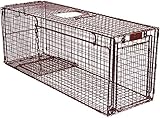
- Works for cats, skunks, rabbits, and other small animals
2. Observe before removing the cat
From a quiet distance, record:
- Exact location, date, and time.
- Coat color and pattern, sex if known, approximate age, and distinctive markings.
- Behavior toward people, vehicles, dogs, and other cats.
- Collar, tag, ear-tip, scars, or visible injury.
- Whether food, water, shelters, or a regular colony is present.
Take clear photographs without pursuing the cat. A cat outdoors is not automatically homeless; the location and repeated observations often reveal more than a single encounter.
3. Search locally for an owner
- Ask residents, businesses, delivery workers, and property managers within the immediate area whether they recognize the cat or feed it.
- Check neighborhood lost-pet notices, community boards, and local animal-control listings.
- Post a found notice with a photograph, approximate description, date, and exact general location. Withhold one identifying detail so a claimant can prove ownership.
- Keep watching the original spot at different times; many owned cats follow a predictable route or return home after several days.
- Contact local shelters and animal-control agencies to learn required found-animal reports, stray-hold rules, and intake hours.
Do not publish your home address. Arrange a public handoff or have a shelter, veterinarian, or rescue group manage contact if a claimant’s story is unclear.
4. Arrange a microchip scan
If the cat is calm enough to enter a carrier, close the door, cover the carrier with a towel, and transport it directly to a veterinarian, shelter, or rescue that offers scanning. Call first: policies, hours, and stray intake procedures vary. If the cat is wary, ask a local TNR organization or rescue for a humane box trap and a universal scanner. Never leave a trap unattended, in direct sun, or in extreme weather.
5. Support a likely feral cat through TNR
For an adult cat that consistently avoids people and appears to live successfully outdoors, contact a local TNR or community-cat organization before attempting capture. They can advise on trap size, bait, timing, weather precautions, holding space, veterinary appointments, and return planning. A humane live trap is safer than grabbing or cornering a cat.
The ASPCA’s community-cat policy says an ideal program includes trapping, scanning for a microchip, vaccination, sterilization, ear-tipping, microchipping when feasible, return to the original location, and ongoing caregiver support. Read the policy at ASPCA’s Position Statement on Community Cats. Returning a cat to its original territory matters: relocating it can separate it from food, shelter, bonded cats, and the people who monitor it.
Also popular on Amazon

- Safe & Humane Trapping – Designed with animal welfare in mind, this live trap safely captures animals without injury, making it ideal for humane relocation.
- Durable Galvanized Steel Build – Constructed from high-strength, rust-resistant steel for long-lasting performance in any weather condition.
- Reliable Trigger Mechanism – Features a highly sensitive trip plate and spring-loaded door to ensure fast and secure captures, every time.
- Spacious & Versatile Size – Accommodates a range of medium-sized animals including raccoons, groundhogs, armadillos, and stray cats.
- Simple Assembly– Folding to save space and easy assembly with no tools required—perfect for homeowners, farmers, or pest control professionals.
6. Decide whether fostering or adoption is appropriate
A socialized stray can often be fostered or adopted if a reasonable owner search finds no claimant and local rules allow it. Before bringing the cat into a home, separate it from resident animals, provide a quiet room, and arrange veterinary examination, parasite control, vaccination advice, and sterilization planning. Follow local stray-hold and ownership laws.
A thriving adult feral cat usually needs a managed outdoor plan rather than forced indoor socialization. Some kittens and unusually adaptable adults may become adoptable with experienced fostering, but a TNR group should assess the cat’s age, behavior, health, and history before that decision.
Independent reader supportYour contribution helps us test, update, and keep practical guides available for everyone.Common situations and the safest interpretation
The friendly cat that follows you home
Assume “lost or owned,” not “abandoned.” Photograph it, ask neighbors, check for a tag, and arrange a chip scan. If you must shelter it temporarily, keep it in a separate room and provide water, a litter box, and a hiding place while you contact local animal services.
The thin, dirty cat that still avoids touch
Welfare urgency and socialization are separate questions. Call a rescue, veterinarian, or TNR group for a trap-and-care plan rather than deciding that avoidance proves the cat is feral. An injured or starving cat may need prompt capture even if it cannot be handled.
The clean cat with a tipped ear
Look for the caregiver and feeding routine before taking it to a shelter. Photograph the ear-tip and ask local TNR organizations whether they recognize the colony. Seek veterinary help if the cat is sick, injured, or suddenly deteriorating.
Also popular on Amazon
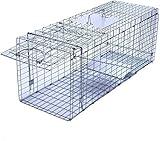
- 32" x 11" x 13" Cage Trap: Ideal for trapping raccons, opossums, cats, rabbits, and other similar-sized undesired animals.
- Built to Last and Space-Saving Storage : Made of sturdy galvanized steel for maximum resistance to rust and corrosion, Collapsible design, easy to fold flat and storage - saves 75% of space immediately.
- Escape-Proof: Senstive trigger ensures the single door to snap shut in micro-seconds eliminating the chance of a quick escape.
- All Safe: Large handle guard offers protection during transportation, smoothed internal edges protect and prevent injuries to animals and to you.
- Kindly Note - We recommend checking with your local authorities to determine the trapping laws in your area before using a live trap.
The cat that appears only at night
Nocturnal activity does not distinguish feral from owned. Use a motion-activated camera if available, ask neighbors, and observe for several days. A consistent feeding station or a person arriving at a regular time may identify existing care.
A mother cat and kittens
Do not remove apparently healthy kittens immediately. Watch from a hidden position to see whether the mother returns, and contact a rescue or shelter for age-specific guidance. Intervene promptly if kittens are cold, injured, repeatedly crying, or in immediate danger.
Capture and handling: prevent avoidable harm
- Never grab a frightened cat with bare hands or corner it in a small space.
- Use a humane live trap recommended by a rescue or TNR group; test the mechanism before use.
- Cover a trapped cat with a towel to reduce visual stress, keep the trap level, and move it gently.
- Do not open a trap outdoors, in a vehicle, or in an unfamiliar room.
- Keep cats separate from your pets until a veterinarian advises otherwise.
- Wash hands after handling equipment, food bowls, feces, or bodily fluids, and seek medical advice for a bite or deep scratch.
Local laws, shelter hold periods, licensing rules, and TNR procedures differ. The Humane World for Animals found-cat guidance and local animal-control instructions should govern the final handoff.
When the evidence is still ambiguous
You may not be able to classify a cat immediately. Keep a dated log of sightings, photographs, feeding or shelter activity, weather, and behavior. Share it with a shelter, veterinarian, rescue, or TNR group. A pattern over several days is more reliable than a single approach or retreat.
The practical rule is to match the intervention to the risk: reunification steps for a socialized cat, veterinary help for illness or injury, and TNR support for a healthy, consistently unsocialized community cat. Reassess if the cat’s condition or behavior changes.
The Bottom Line
Do not label a cat from one encounter. Observe behavior and condition, check for existing care, search for an owner, scan for a microchip when safe, and use TNR guidance for a healthy adult that remains unsocialized. Urgent injury, illness, entrapment, or danger always takes priority over classification.
Quick wins for a faster PC:
Fix the driver behind crashes, sound loss and screen glitchesFind Drivers →Repair Windows errors before they cause bigger problemsFix Now →




Leave a Reply