
Do these 3 things before closing this tab:
1Repair Windows errors before they cause bigger problems2Scan for outdated or missing drivers - takes under a minute3Clear out junk files and repair common Windows errorsA cat may act jealous after a baby arrives, but “jealousy” is not a confirmed feline diagnosis. The more useful explanation is that an infant changes the cat’s smells, sounds, territory, schedule and access to people. Those changes can produce insecurity or stress that looks like attention-seeking, withdrawal or aggression. Treat a sudden behavior change as a welfare and safety issue rather than proof of what the cat feels internally.
Is jealousy the right explanation for a cat’s behavior?
Cats Protection’s veterinary-practice article, published around 2018, says: “Current scientific thinking is that it is not thought that they are capable of feeling the emotion of jealousy.” That wording describes the article’s characterization of scientific thinking at the time; it is not an independently established universal consensus about every cat’s subjective experience.
As an Amazon Associate I earn from qualifying purchases.
PetMD uses “jealousy” as a familiar label while describing insecurity and stress-related behavior. In practical terms, the label matters less than identifying the trigger and keeping both animals safe. A cat cannot tell you whether it feels resentment, fear, confusion or physical discomfort. Hiding, hissing or urinating outside the litter box therefore should be treated as information about a problem, not as a diagnosis.
Some cats adjust with little disruption. Others react to the cumulative effect of crying, new furniture, visitors, changed feeding times, unfamiliar scents and less predictable attention. The same outward behavior can have several causes, including fear, territorial stress, frustration, a response to a new person or a medical condition.
#1 Best Overall

- COMFORT YOUR CAT AT HOME AND ON THE GO: FELIWAY Classic Spray helps target areas marked by your cat through scratching and spraying and calms your cat during travel. With 25+ years of expertise, FELIWAY is approved by millions of cat families worldwide
- MAKE TRAVEL LESS STRESSFUL: FELIWAY Classic Spray works by releasing calming pheromones, when sprayed directly into the cat carrier, or onto a bed or blanket. This sends calming messages to your cat's brain and creates a calmer atmosphere for them when on the road. Great for road trips, or shorter trips like going to the vet. DO NOT spray directly on your cat
- CALMS YOUR CAT AT HOME: When sprayed directly on areas marked by your cat, FELIWAY Classic Spray helps promote calm and reduce spraying and scratching of those areas
- MULTIPLE APPLICATIONS: FELIWAY Classic Spray comes in a handy format and offers calming benefits for 4-5 hours. Lasts for approximately 50 uses, at home or on the go
- #1 VET RECOMMENDED BRAND: FELIWAY Classic is trusted by vets to improve your cat’s well-being with an easy, hassle-free application, backed by decades of expertise
Why a baby can unsettle a cat
New sounds and movement
Infant crying is loud, high-pitched and unpredictable. A baby also introduces rocking equipment, alarms, toys and sudden movement at floor level. A cat that previously had a quiet room may lose that predictability overnight. Sound exposure is more likely to be manageable when it is introduced gradually and kept below the level that causes visible stress.
New smells and objects
Lotions, nappies, milk, laundry products, a pram, cot and changing supplies all alter the household scent profile. Cats investigate unfamiliar objects with smell and touch, so blocking every investigation can add frustration. Allow safe exploration while keeping any small, chewable or hazardous item out of reach.
Changed routines and access to people
Feeding, play and sleep schedules often shift after birth. Doors may be closed, furniture rearranged and visitors may occupy the cat’s usual resting places. A cat that receives attention only when it interrupts feeding or crying can learn that disruptive behavior is the quickest route to interaction, while a cat that is repeatedly pushed away may retreat or become more anxious.
Free tools Windows power users keep installed
One-click scans. No signup required.
Rank #2

- PROMOTES: Relaxation and reduces hyper activity in stressful situations
- HELPS: Reduce anxiety with soothing scent
- FORMULA: Non-sedating
- LONG-LASTING: Concentrated Spray
- SAFE: Around pets and children when used as directed
Behavior changes to take seriously
The following signs warrant investigation. None proves jealousy by itself.
| What you notice | What it may indicate | First response |
|---|---|---|
| Hiding more often or staying in one room | Fear, overstimulation, loss of a safe resting place or illness | Provide a quiet retreat, reduce disturbance and arrange veterinary advice if the change persists. |
| Hissing, growling, swatting or lunging | Defensive fear, pain, territorial stress or another medical or behavioral problem | Create distance immediately; do not force contact or punish the cat. |
| Destructive scratching or other destructive behavior | Stress, frustration, inadequate scratching options or a disrupted routine | Add appropriate scratching locations and review triggers while seeking advice if it continues. |
| Urination or defecation outside the litter box | Medical disease, litter-box difficulty, fear or environmental stress | Arrange a veterinary examination rather than assuming the cat is being spiteful. |
| Fixed, intense attention toward the infant, stalking or pouncing posture | Potentially unsafe predatory or highly aroused behavior | Separate cat and baby and keep them apart until a veterinarian has assessed the situation. |
Cornell advises ruling out medical causes for aggression and consulting a veterinary behaviorist when aggression cannot be managed with general techniques. Pain, urinary disease and other health problems can first appear as what looks like a personality change, so a physical examination is an important early step.
Prepare your cat before the baby arrives
Preparation works best when it starts before the household is busy with the newborn. Make one change at a time, keep the intensity low and pair unfamiliar experiences with something the cat already enjoys.
Rank #3

- ADVANCED CALMING SUPPORT FOR STRESS & ANXIETY: This cat calming spray helps support emotional comfort during travel, vet visits, loud noises, fireworks, and environmental changes, promoting a calmer and more secure feeling for cats in stressful situations.
- HELPS REDUCE URINE SPRAYING & SCRATCHING: Designed to support better behavior by helping reduce stress-related issues such as urine spraying, scratching, excessive grooming, hiding, and aggressive behavior, while helping protect furniture, carpets, and bedding.
- HIGH-STRENGTH 15% F3 PHEROMONE-INSPIRED FORMULA: Formulated with a high-strength pheromone-inspired blend containing 15% F3 feline pheromone analogs to mimic natural calming signals, providing enhanced calming support without drugs or sedatives.
- 90-DAY SUPPLY FOR CONSISTENT USE: This value pack includes two 100 mL bottles, designed to support up to a 90-day supply with regular use, making it ideal for ongoing stress management and long-term behavioral support.
- DRUG-FREE, EASY TO USE & SAFE FOR DAILY SUPPORT: Simply spray on bedding, carriers, cages, or favorite resting areas—do not spray directly on cats. Gentle, non-drug formula suitable for kittens, adult cats, and senior cats. Best results may be seen with consistent use.
1. Set up a retreat
Choose a place the cat can reach easily but where the baby cannot crawl or grab. It might be a quiet room, a covered bed, a sturdy shelf or an elevated cat tree with hiding space. The area should remain available after birth and should not block exits or create a hazard around infant-care equipment. Scratching posts and cat trees are optional tools for providing elevated or enclosed places; they are not proven treatments for jealousy or anxiety.
2. Introduce equipment gradually
Put the cot, pram, bouncer and other large items in place early enough for the cat to investigate them without a crowd of visitors. Reward calm curiosity with treats, play or gentle interaction. If the cat avoids an item, leave it in a low-traffic location and do not carry the cat toward it.
3. Practice baby sounds at a tolerable volume
The ASPCA suggests playing recordings of baby noises and creating positive associations with baby odors. UC Davis guidance recommends pairing sounds with treats or pleasant interaction and keeping the volume low enough that the cat does not show stress. Begin softly and briefly; increase only while the cat remains relaxed. If the cat freezes, flees, crouches, hisses, stops taking treats or shows other stress signals, lower the volume or end the session and try another day.
Rank #4

- Relief anxiety and calming: Cat calming pheromone spray creates a more comfortable and reassuring living environment for your beloved pet, whether it's during travel, foster care, or hospital visits, cat calming spray for indoor cats allows them to remain calm and relaxed in the face of a variety of stressors
- Safeingredients: This pheromone spray to calm cats, carefully formulated with safe ingredients, is suitable for anxious pets. pheromones for cats spray contains no artificial additives. Cat calm spray this safe formula is not only effective in helping your pet to stay calm in stressful situations, but more importantly, this pheromone spray for cats calming works quickly without causing any long term side effects for your pet
- Cat calming spray for travel is very easy to use: Simply spray calming cat spray 8 times lightly on the surface to be treated. If you are transporting a cat, it is recommended that you spray the kennel with calming spray within 15 minutes before departure. Feline calming spray this will make your cat feel safe and comfortable. Additionally, you can apply pheromone spray for cats to your cat's bed, cage, room or car interior, which is very convenient both at home and when traveling
- Correct bad behavior: Not only does this therapet cat calming spray help relieve your pet's stress and anxiety.Cat calming is also great for correcting bad behavior in cats, pheromones for cats works dramatically on most cats, cat spray reduces unwanted behaviors such as fighting, scratching and pee marking. Our calm cat diffuser mimics the pheromones that cats naturally secrete, thus making your cat feel relaxed and at ease
- Protect furniture: This cat sedatives for travel is perfect for spot treating targeted areas of your home for cats, such as couches or door frames. Spray cat relaxer for anxiety on the cat's suitcase, cat's bedding or blankets and litter box. Cat pheromones inhibits the urge to scratch furniture and carpets, thus reducing damage to furniture and carpets
4. Offer safe scent information
In a quiet area, let the cat investigate a used receiving blanket or item of infant clothing. Permit sniffing without forcing the object into the cat’s face or bed. Keep all fabric free of loose threads and remove it if the cat chews or guards it.
5. Make the future routine predictable
Where practical, move meals, play and quiet time toward the schedule you expect after the birth. Keep daily care calm and consistent. If another adult will handle feeding or play, have that person take over some sessions before the baby comes home so the change is not sudden.
What’s actually slowing this PC down?
Pick the symptom - the matching free tool is one click away.
6. Teach boundaries without punishment
Decide in advance which surfaces or rooms are off-limits, then use doors, physical barriers and attractive alternatives. Reward the cat for choosing its bed, perch or scratching post. Yelling, spraying water or physically removing the cat can increase fear and make future handling harder.
Best Value
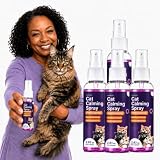
- PHEROMONE-BASED CALMING SUPPORT: Gentle everyday support for cats during stressful moments. This cat calming spray combines pheromone-based support with plant-based extracts to help promote a calmer environment during changes in routine, travel, new surroundings, visitors, or multi-cat situations. A simple option for cat owners looking for daily calming support without treats, collars, or plug-in devices.
- SUPPORTS COMMON STRESS-RELATED BEHAVIORS: Designed for cats that may show stress through scratching, urine spraying, hiding, restlessness, nervous behavior, or tension with other cats. Use the spray around familiar areas to help create a more comfortable environment during stressful situations, making it useful for both everyday home routines and temporary changes.
- 4 PACK FOR LONG-LASTING DAILY USE: Includes 4 x 60 mL bottles for convenient daily use and backup. Only 5–10 sprays per application are needed for a simple routine, and each bottle can last up to approximately 30 days depending on frequency of use. The complete 4-pack can provide around 3–4 months of calming support, helping reduce the need for frequent replacements.
- LIGHTWEIGHT FORMULA WITH LESS STICKY RESIDUE: Made with a light, plant-based formula designed for cleaner everyday use without a heavy sticky feel or oily buildup. Spray on suitable areas such as bedding, carriers, cat trees, blankets, scratching posts, or other familiar spaces as directed. Easy to incorporate into your cat’s normal home routine.
- FOR HOME, TRAVEL & CHANGING ENVIRONMENTS: Useful during moving, car rides, travel, vet visits, grooming appointments, new pet introductions, visitors, routine changes, and multi-cat homes. Suitable as everyday calming support for cats in different life stages when used according to product directions, helping maintain a consistent routine at home or on the go.
Bringing the baby home
- Give the cat a calm starting point. Before entering with the baby, make sure food, water, litter facilities and the retreat are available. A familiar caregiver can greet the cat while another adult settles the infant.
- Allow investigation at the cat’s pace. A brief sniff from a comfortable distance is enough. Do not hold the baby toward the cat or restrain the cat for a photograph.
- Keep early sessions short and supervised. Reward calm behavior, then give the cat an easy route to leave. End the interaction before either animal becomes distressed.
- Preserve one-on-one attention. Short, predictable play or grooming sessions can be easier to maintain than trying to provide long periods of attention while holding the baby.
- Control visitors and noise. Ask guests not to chase, corner or pick up the cat. Keep a retreat available whenever the home becomes busy.
Infant-and-cat safety rules
- Never leave a baby and cat together without an alert adult actively supervising. A sleeping adult, a phone call or a quick trip to another room is not supervision.
- Prevent access to the baby’s sleeping space. Use a closed door or another reliable barrier rather than relying on the cat to move away.
- If the cat hisses, growls, swats, stiffens, pins its ears, stares intensely or repeatedly approaches despite being redirected, calmly create distance.
- UC Davis guidance specifically advises keeping a pet away from the baby if it shows focusing or predatory posturing until further veterinary assessment.
- Do not punish a warning signal. Hissing and growling provide an opportunity to separate before a bite or scratch occurs.
- Keep claws, litter facilities and feeding areas managed according to veterinary advice, and wash hands after litter-box care before handling feeding equipment.
What to do when the cat is not adjusting
Separate first when safety is uncertain
Use a closed room, gate system or another setup that prevents contact while preserving the cat’s food, water, litter and resting needs. Separation is a protective step, not a failure. Reintroductions should wait until the cat is calm and a professional has helped identify the trigger.
Book a veterinary examination for a marked change
Contact your primary veterinarian when aggression, elimination changes, appetite changes, persistent hiding or other unusual behavior begins or continues. Ask whether pain or illness could be contributing. A veterinarian can also advise on environmental changes and refer you to a qualified behavior professional when appropriate. Credentials, titles and availability for behavior services vary by location, so ask what training and veterinary collaboration the provider has.
Track patterns instead of guessing motives
Write down the time, setting, people present, infant activity, cat body language and what happened immediately beforehand. Patterns can reveal whether the trigger is crying, visitors, a blocked route, handling, a particular room or a resource conflict. Share the record, and a safely captured video when possible, with your veterinarian. Never stage a confrontation to obtain footage.
Common mistakes that make stress worse
- Assuming spite: Cats do not urinate outside the box or scratch furniture to teach a baby a lesson. Treat the change as a health, resource or stress signal.
- Forcing proximity: Holding a cat near an infant removes its ability to retreat and can turn uncertainty into defensive aggression.
- Changing everything at once: A new litter location, new food, closed rooms and constant visitors can overwhelm the cat. Make changes gradually where possible.
- Removing all hiding places: A retreat lets a cat regulate its distance. Blocking every high or enclosed spot can eliminate an important coping option.
- Waiting after a serious warning: A swat, bite attempt or predatory focus deserves immediate separation and professional advice, not repeated “test” meetings.
Choosing a retreat setup
When comparing a covered bed, shelf, cat tree or separate room, focus on function rather than a product claim.
| Question | What a suitable setup provides |
|---|---|
| Can the cat reach it independently? | An unobstructed route that does not require passing close to the baby. |
| Does it offer privacy? | An enclosed or visually shielded area where the cat can rest undisturbed. |
| Is it elevated or otherwise secure? | A stable perch or hiding place that cannot tip and is away from infant equipment. |
| Can it remain available? | A location adults can protect from visitors and children as the baby becomes mobile. |
| Does it preserve essential resources? | Food, water and litter access without forcing the cat through a busy care area. |
When can contact resume?
There is no universal timetable. Resume closer interaction only when the cat is relaxed at a distance, can disengage easily and shows no concerning fixation or defensive behavior. Begin with brief, controlled sessions and stop at the first sign of rising arousal. If there has been aggression, a bite attempt or predatory posturing, follow the veterinarian’s plan rather than setting your own schedule.
A successful adjustment does not require the cat to cuddle the baby. Calm coexistence, reliable separation options and normal eating, toileting, resting and play are better measures of welfare than affectionate photographs.
Quick Recap
Product prices and availability are accurate as of the date/time indicated and are subject to change. Any price and availability information displayed on Amazon at the time of purchase will apply.





Leave a Reply