
Crashes, No Sound, or Screen Glitches?
Random freezes, missing sound and display glitches usually trace back to one bad driver. Find and replace yours safely.Free scan · under a minuteWindows Errors? Fix Them Before They Spread
Repair common Windows errors and clear accumulated junk for a smoother, more stable PC - no reinstall needed.Free scan · no reinstallSome links on this page are affiliate links: if you buy through them we may earn a commission, at no extra cost to you.
Do not assume a new behavior is “just old age.” Older pets may sleep more, move more slowly, jump less, or gradually lose some hearing or vision. However, pain, dental disease, arthritis, kidney or other organ disease, endocrine and metabolic disorders, neurologic disease, and sensory loss can look very similar to cognitive decline. A veterinarian needs a detailed history and examination—and often blood, urine, blood-pressure, dental, neurologic, or imaging tests—to identify treatable causes.
Track what changed, when it started, how often it occurs, and whether it is getting worse. Sudden confusion, collapse, seizures, severe pain, inability to urinate, repeated vomiting, breathing difficulty, major appetite or thirst changes, or rapid loss of mobility require prompt veterinary contact.
As an Amazon Associate I earn from qualifying purchases.
The Tool Desk
Outbyte PC Repair FREERepair Windows errors before they cause bigger problemsFix Now →Outbyte Driver Updater FREEScan for outdated or missing drivers - takes under a minuteDriver Scan →What “senior” means—and why behavior changes are difficult to interpret
There is no single age at which every pet’s behavior should change. The American Animal Hospital Association (AAHA) defines a canine senior as the final 25% of that dog’s expected lifespan. Feline life-stage guidance commonly considers cats older than 10 years to be senior. Breed, body size, genetics, previous illness, and lifestyle all affect how quickly age-related changes appear.
Normal aging is usually gradual. A dog may take longer to rise, choose a shorter walk, or sleep through more of the day. A cat may stop making high jumps or need more time to groom. Those changes still deserve mention at routine visits, but one mild, stable change is less concerning than a cluster of new or progressive signs.
Popular on Amazon

- PET STAIRS:The sturdy and stable stairs and ramps are designed so that your pet can walk steadily on them to the bed or couch for a close encounter with you. Perfect for small dogs, senior dogs or pets with limited mobility.We recommend it for pets weighing less than 50 pounds
- STABLE AND NON-SLIP:The pet ramp has a corduroy fabric outer cover to increase the friction between your pet's paws and the steps. Climbing ladder has a non-slip bottom surface, stable structure to bring enough security to the little ones
- EASY TO PUT:By placing the pet stairs in your living room or bedroom, you can watch your furry friend play with confidence that the silicone footprints on the bottom won't let him slip and slide around, whether on the carpet or the floor
- EASY TO ASSEMBLE:For easy transportation, the dog ramp is packed in vacuum compression. Normally, it can be fully popped up and unfolded into the shape of a staircase after 48-72 hours
- SUITABLE HEIGHT: 3 steps are suitable for sofas and chairs. 4 steps are suitable for sofas and beds.5 steps are suitable for beds and high beds
Cognitive dysfunction is diagnosed only after other explanations have been investigated. Cornell University College of Veterinary Medicine notes that signs of mental dysfunction in an older dog can develop so gradually that families do not recognize them. The same principle applies to cats: a yowl at night, a missed litter box, or withdrawal may be caused by arthritis, hyperthyroidism, kidney disease, dental pain, inflammation, a tumor, trauma, or another metabolic problem rather than dementia.
AAHA reported that approximately 14–22.5% of dogs older than 8 years had age-related cognitive impairment in its 2022 guidance. That estimate is for dogs, not cats, and it does not make behavior alone diagnostic. There is no universal list of harmless aging behaviors and no single feline prevalence figure that can be applied to every household.
Recommended Free Tools
One useful rule is: an aging pet can have cognitive change, but a new behavior change is a medical question until a veterinarian has ruled out common physical causes.
Normal slowing versus warning patterns
The table is a starting point, not a diagnosis. A pet can show a “possible aging” behavior and still have pain or disease, especially if the change is abrupt, distressing, or accompanied by other signs.
| Observation | May occur with uncomplicated aging | Arrange a veterinary assessment when you notice |
|---|---|---|
| Activity and movement | Longer sleep, a slower pace, less jumping, or shorter play sessions that remain comfortable and stable | Stiffness, limping, reluctance to rise, repeated falls, circling, getting stuck, or a rapid decline in walking |
| Orientation | An occasional pause before finding a familiar route | Staring at walls, getting trapped behind furniture or doors, wandering aimlessly, failing to recognize familiar people or places, or seeming suddenly confused |
| Sleep and vocalization | More daytime sleep with an otherwise normal night | Reversed sleep-wake cycles, persistent nighttime pacing, new yowling or barking, or distress when left alone |
| House or litter-box habits | An isolated accident in a pet with a long, reliable history | Repeated house-soiling, straining, frequent urination, loss of litter-box use, or inability to reach the box |
| Appetite, thirst, and weight | A modest preference change without weight loss or illness signs | Marked increase or decrease in eating or drinking, vomiting, diarrhea, weight loss, or refusal to eat |
| Social behavior | Seeking a quieter resting place while remaining responsive | New withdrawal, clinginess, aggression, anxiety, phobias, or failure to respond to familiar cues |
| Grooming and senses | Some whitening of hair or a slower grooming routine | Reduced grooming, a painful mouth, bumping into objects, hearing-related startle, or inability to locate food, water, or the box |
Patterns matter more than an isolated odd event. Record onset, frequency, triggers, progression, and whether your pet looks painful or frightened. A short video can show details that are difficult to reproduce in a clinic.
Use DISHAA to organize changes in dogs
Veterinary behaviorists often use the acronym DISHAA to structure a history of possible canine cognitive dysfunction. It does not confirm the condition; it helps you describe what you are seeing.
What’s actually slowing this PC down?
Pick the symptom - the matching free tool is one click away.
Disorientation
Watch for staring into space, standing at the hinge side of a door, becoming stuck behind a chair, wandering without a clear destination, or failing to find a familiar bed. Note whether the episode happens in one room, at a particular time, or after a specific trigger. Sudden disorientation is more urgent than a slowly increasing tendency to pause.
Also popular on Amazon
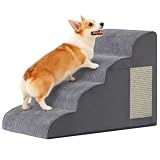
- 【Multi-Functional Pet Stairs】Ahpmeoa multi-functional dog stairs is a fantastic addition to any pet owner's home! The combination of climbing, playing, cat scratching in one unite is incredibly convenient.
- 【Different Size to Choose】This dog stair has 2 steps, 3 steps, 4 steps and 5 steps to choose. Our 2-step stairs fits for chair/sofa/bed up to 13inch. 3-step stairs fits for chair/sofa/bed up to 17inch. 4-step stairs fits for chair/sofa/bed up to 21inch. And 5-step stairs fits for chair/sofa/bed up to 24inch.
- 【Safe and Steady Design】Curved steps provides maximum climbing comfort for puppies and kittens. Surface layer of the dog ladder is made of thick 90% Polyester, 10% Other fiber, providing a soft and non-slip experience for your pet's feet. High-density of pure foam make the stair more steady when your pets walk on.
- 【Easy to Clean】The dog step has a removable washable cover made of bonded fleece that can be hand washed or machine washed, so you don't require spending a lot of time cleaning it. It's very convenient.
- 【Notice】The pet ramp is vacuum-packed and may take 24-48 hours to fully rebound, depending on the temperature, the higher the temperature, the faster the rebound. For added stability, please place the stairs against a stable surface like a sofa, bed, or wall during use.
Altered social Interactions
A dog may stop greeting family members, seek constant contact, or react irritably to touch. Pain, deafness, poor vision, fear, and neurologic disease can all alter social responses. Record who was present, what contact occurred, and whether the dog seemed surprised or uncomfortable.
Sleep-wake changes
Nighttime pacing, barking, or sleeping all day can reflect cognitive change, but discomfort, urinary disease, breathing problems, anxiety, and medication effects are also possible. Note the time the dog settles, wakes, vocalizes, and returns to sleep.
House-training or learned behaviors
New urine or feces indoors may result from cognitive decline, but urinary infection, kidney disease, diabetes, pain that prevents reaching the door, diarrhea, or spinal disease must be considered. Report urine volume, straining, accidents during sleep, stool consistency, and whether the dog can reach the usual exit.
Altered activity
Repetitive pacing, aimless wandering, reduced play, or inability to solve a familiar problem belong in the activity history. Arthritis and other painful conditions can make a dog appear apathetic, while neurologic disease can cause repetitive movement or balance problems.
Anxiety
New separation distress, startle responses, phobias, or inability to settle may accompany cognitive dysfunction. They can also follow hearing or vision loss, pain, household changes, or an unpleasant event. Describe the exact trigger and the dog’s body language rather than labeling it “anxiety” alone.
How similar changes appear in cats
Cats may hide illness longer than dogs, so subtle changes deserve attention. Cornell guidance says cognitive signs become noticeable in many cats at 10 years or older, but the same behaviors can come from treatable disease.
Night vocalization and altered interaction
A senior cat that yowls after dark, follows people constantly, or suddenly demands attention may be disoriented, losing hearing or vision, painful, hyperthyroid, hypertensive, or affected by kidney disease. Record whether the vocalization follows feeding, litter-box use, handling, or being left alone.
Also popular on Amazon

- Perfect For High Bed — Extra-Wide 19.7 In: Measuring 34 in L × 19.7 in W × 24.5 in H, these lightweight foam stairs are now 4 in wider than the standard model, giving pets more room to climb safely next to high beds, couches, or windowsills. A sturdy handle on the back of the cover makes it easy to move the stairs wherever they’re needed.
- High-Density Foam: Built with 30D high-density foam that supports up to 80 lb, the ramp cushions joints and helps prevent knee stress for small- to medium-size breeds, senior pets, or dogs like Dachshunds that are prone to back issues. The foam keeps its shape over time—no sagging or deformation.
- Pet-Friendly Design: Combining the gentle angle of a ramp with the sure footing of steps, these extra-wide stairs let recovering, arthritic, or timid pets climb independently onto sofas or snuggle into bed without needing to be lifted.
- Stable & Non-Slip: The plush coral-velvet cover offers excellent paw traction, while the upgraded non-slip fabric on the base keeps the wider stairs firmly in place to prevent slips or wobbling.
- Removable, Machine-Washable Cover: Simply unzip and toss the cover in the washer and dryer to keep your pet’s pathway fresh. The stairs ship vacuum-compressed—allow 24–48 hours for the foam to fully rebound to its original, extra-wide shape.
Litter-box and grooming changes
Missing the box can reflect arthritis that makes climbing into it difficult, urinary disease, constipation, kidney disease, or cognitive impairment. Reduced grooming may signal pain, obesity, weakness, dental disease, or systemic illness. Note the location and frequency of accidents, urine and stool appearance, and which body areas are no longer groomed.
Jumping, balance, and hiding
Stopping a favorite jump is not proof of dementia. Osteoarthritis, vision loss, weakness, and neurologic disease are common alternatives. A cat that hides, resists touch, or changes sleeping locations may be protecting a painful area.
Medical conditions that can mimic cognitive decline
A single sign rarely distinguishes cognitive dysfunction from pain or organ disease. Veterinarians compare the whole pattern and test for competing explanations.
Pain and arthritis
Arthritis can cause irritability, nighttime restlessness, house-soiling, reduced play, reluctance to climb, or apparent confusion because the pet avoids familiar routes. Dental pain may look like withdrawal, aggression, poor grooming, or reduced appetite. Pets often conceal pain; a lack of crying does not rule it out.
Do these 3 things before closing this tab:
1Repair Windows errors before they cause bigger problems2Fix the driver behind crashes, sound loss and screen glitches3Clear out junk files and repair common Windows errorsVision and hearing loss
A pet that does not respond to its name, startles when touched, bumps into furniture, or hesitates in dim light may have sensory loss. Losing a sense can produce clinginess, fear, vocalization, or apparent failure to recognize people. A physical and eye examination helps separate sensory impairment from cognitive disease.
Kidney, endocrine, metabolic, and other organ disease
Kidney disease, diabetes, thyroid disorders, liver disease, electrolyte disturbances, and high blood pressure can change thirst, urination, appetite, sleep, energy, and behavior. Weight loss, vomiting, diarrhea, weakness, or a change in drinking increases concern for systemic illness.
Neurologic and intracranial disease
Seizures, tremors, circling, imbalance, collapse, personality change, or one-sided weakness may indicate a neurologic problem. AAHA notes that intracranial tumors and other structural brain disease can resemble cognitive dysfunction; magnetic resonance imaging may be considered when the examination suggests that possibility.
Also popular on Amazon

- High Beds: At 24.5 inches tall, these 5-step dog stairs are made for higher beds, sofas, and other elevated furniture. Instead of asking your dog to make a difficult jump, they create a more practical way to get up and down every day.
- Gentler For Everyday Climbing: The 5-step design breaks the climb into smaller, easier steps, which can feel much more comfortable for small and medium dogs. It is especially helpful for senior dogs, puppies, and short-legged breeds that need a less steep path to the bed.
- Support That Feels Steady: Made with 30D high-density foam, these pet stairs offer supportive cushioning without feeling too soft under your dog’s paws. That steadier feel can make climbing easier for pets that are cautious, less confident, or need more support.
- More Stable On Home Floors: A slip-resistant bottom helps the stairs stay in place better on wood, tile, and other common indoor surfaces. When the base feels more secure, dogs are often more willing to use the stairs with confidence.
- Easy To Live With: The removable cover is machine washable for easier everyday care, and the 6 color options make it simpler to match your home. The foam is CertiPUR-US certified, the fabric is OEKO-TEX STANDARD 100 certified, and the stairs are vacuum-packed, so please allow 24–48 hours for full expansion after opening.
Medication, environment, and smell
New medicines, dose changes, household construction, a moved litter box, unfamiliar people, or loss of a familiar scent can alter behavior. Bring every prescription, over-the-counter product, supplement, and flea or tick treatment to the appointment so the veterinarian can review possible effects and interactions.
Compare onset, progression, and associated signs
Use these questions when deciding how quickly to call:
| Question | What a gradual pattern may suggest | What a sudden or rapidly worsening pattern raises |
|---|---|---|
| When did it begin? | Slow change over weeks or months can fit aging, chronic pain, sensory loss, or progressive disease. | Hours to days raises concern for acute pain, toxin exposure, urinary obstruction, neurologic disease, infection, or another urgent problem. |
| Is it progressing? | Stable, mild change still merits discussion at a senior visit. | Rapid worsening, repeated episodes, or loss of a previously reliable ability warrants prompt contact. |
| Are there systemic signs? | No change in appetite, thirst, weight, elimination, or energy makes a medical cause less obvious but does not exclude one. | Vomiting, appetite or thirst changes, weight loss, diarrhea, breathing difficulty, or altered urination increases urgency. |
| Does movement or touch matter? | Behavior unrelated to movement may fit several explanations. | Limping, guarding, inability to rise, severe discomfort, or pain when touched requires assessment. |
| Could a sense be failing? | Gradual hearing or vision loss can explain startle and navigation problems. | Sudden blindness, severe imbalance, or abrupt failure to respond is urgent. |
| Does treatment change it? | Improvement after appropriate pain or medical treatment supports that cause. | No improvement, new signs, or adverse effects should prompt a recheck rather than a home diagnosis. |
When to call the veterinarian
Contact a veterinarian promptly for any new or progressive behavior change, especially in a senior pet. Ask for same-day guidance when confusion is sudden, the pet seems painful, or appetite, thirst, urination, mobility, or breathing changes.
Use an emergency service for collapse, seizures, severe or uncontrolled pain, inability to urinate, repeated vomiting with weakness, marked breathing difficulty, sudden inability to walk, or rapidly developing neurologic signs. These are triage recommendations, not a diagnosis; a veterinary professional must assess the cause.
Do not give human pain medicine or sedatives unless a veterinarian specifically directs you. Some common human drugs are dangerous or fatal to pets, and sedation can hide a worsening neurologic or respiratory problem.
Free tools Windows power users keep installed
One-click scans. No signup required.
What to document before the appointment
A dated record often reveals a progression that is hard to remember. Use a phone note, calendar, or paper chart and include:
- First date noticed, frequency, duration, time of day, location, and possible trigger.
- Sleep and wake periods, pacing, vocalization, interactions, recognition of people and places, and episodes of getting stuck.
- Food and water amounts, appetite, weight changes, vomiting or diarrhea, urination, straining, accidents, and stool appearance.
- Grooming, jumping, walking, stairs, stumbling, falls, limping, stiffness, and reaction to touch.
- Vision or hearing changes, staring, circling, tremors, collapse, or seizures.
- Every medication and supplement, including dose and when it was started or changed.
- Recent moves, visitors, new pets, construction, schedule changes, or changes to food, litter, bedding, or access to rooms.
Take short videos of the behavior, the pet walking on the usual surface, getting into the litter box or bed, and sleeping or waking if safe to do so. Do not provoke a frightened or painful episode for a recording.
Also popular on Amazon

- Dogs & Cats Stairs - This pet stairs is designed to be placed right up against the edge of your bed, couch, or other furniture. It allows your furry friend to easily hop onto the bed or sofa and enjoy a comfy rest
- Safe and stable -This dog ramp is designed with wider steps and a gentle slope to help reduce joint pressure for your pet. It's perfect for puppies, short-legged pets, those with injured feet, or even cats who may have trouble jumping. It provides a safer and more secure experience, ensuring that your furry friend can use it with ease
- Non-slip bottom -Pet steps are covered with durable, friction-resistant fabric, providing a soft and stable surface for your pet to walk on. Additionally, the non-slip bottom design ensures that the dog steps stay in place at all times
- High-Rebound Foam Support - For easy transport, the dog ramp comes packaged in a vacuum-sealed compression. Typically, within 24-48 hours, it fully pops out and unfolds into a stair-like structure. The dog stairs are equipped with high-rebound foam inside, providing ample support for your pet
- Washable cover-The outer cover of the pet ramp is enclosed with a zipper, making it easy to detach and allowing for convenient hand or machine washing of the cover - a simple and hygienic solution. Please note that the inner foam cannot be washed with water
What a veterinary workup may include
The veterinarian will first build a timeline and perform a full physical examination. Depending on the history, the visit may include:
- A neurologic examination and assessment of gait, balance, reflexes, and mental status.
- Complete blood count and blood-chemistry testing to evaluate anemia, inflammation, kidney and liver function, glucose, electrolytes, and other organ markers.
- Urinalysis, often essential when thirst, urination, accidents, weight loss, or kidney disease is possible.
- Blood-pressure measurement, particularly for older cats and pets with vision or neurologic changes.
- Oral and dental assessment, orthopedic examination, and evaluation for painful joints or spine.
- Eye and ear assessment when sensory loss is suspected.
- Imaging or referral, including MRI when structural brain disease is a concern.
The purpose is to find a treatable illness before attributing signs to cognitive dysfunction. Bring your log and videos; they help the veterinarian distinguish a consistent pattern from a clinic-only reaction.
Treatment depends on the cause
There is no single treatment for “old age.” A plan may combine several measures:
- Pain control: veterinarian-prescribed analgesia, joint treatment, weight management, and safer movement arrangements for arthritis or dental pain.
- Medical treatment: therapy for endocrine, kidney, liver, urinary, infectious, metabolic, or blood-pressure disorders when identified.
- Sensory support: management of eye or ear disease and environmental changes for permanent hearing or vision loss.
- Behavior and cognitive support: predictable routines, low-stress handling, enrichment, and—when a veterinarian diagnoses canine cognitive dysfunction—an appropriate diet or medication.
- Referral: neurologic, dental, pain, or veterinary behavior referral when the initial examination cannot explain the signs or the case is complex.
AAHA emphasizes that clients may miss early cognitive signs and that treatment is more effective when started early. That is a reason to schedule an assessment, not a reason to start supplements or medication without veterinary guidance.
Make the home safer after medical problems are addressed
Improve footing and access
Place nonslip rugs or mats on slippery floors, block unsafe stairs, and add a properly sized ramp or pet stairs where jumping is no longer safe. Check traction, incline, stability, and weight capacity before use. Keep beds, food, and water on the same floor and away from obstacles.
Adapt litter boxes and toileting routes
Use low-entry boxes in quiet, easy-to-reach locations. Older cats that cannot jump safely may need box steps, ramps, or pet stairs. Provide enough boxes that a stiff or confused cat does not have to cross a long or blocked route.
Keep routines predictable
Feed, walk, medicate, and settle your pet at consistent times. Avoid rearranging furniture unnecessarily. Use gentle lighting at night and calmly guide a disoriented pet rather than scolding an accident or forcing movement.
Offer low-risk enrichment
Short, comfortable walks, scent games, familiar food puzzles, and brief training sessions can maintain engagement. Stop if the pet pants excessively, limps, hides, becomes distressed, or seems confused. Enrichment supports quality of life; it does not diagnose or treat a new behavior change.
Monitor quality of life
Continue the dated log after treatment begins. Record comfortable days, appetite, sleep, mobility, social interest, elimination, and distress. Share both improvements and setbacks at rechecks so the plan can be adjusted.
A practical decision path for owners
- Notice and record. Write down the first occurrence, context, frequency, and associated physical signs.
- Check for immediate danger. Collapse, seizures, breathing difficulty, inability to urinate, severe pain, repeated vomiting, or sudden inability to walk calls for emergency advice.
- Book an examination. Any persistent, progressive, or distressing change deserves a veterinary appointment even when the pet otherwise seems well.
- Bring evidence. Provide the log, videos, medication list, diet details, and information about household changes.
- Test before labeling. Follow the veterinarian’s recommendation for examination, laboratory testing, urinalysis, blood pressure, dental evaluation, or imaging.
- Support the diagnosed problem. Use prescribed treatment and safety changes, then track response and return for reassessment if signs persist or worsen.
Older pets can age successfully and still develop treatable disease. The safest interpretation of a new behavior is neither “definitely dementia” nor “nothing to worry about,” but “document it, assess urgency, and have a veterinarian look for causes that can be helped.”
Quick wins for a faster PC:
Scan for outdated or missing drivers - takes under a minuteDriver Scan →Clear out junk files and repair common Windows errorsFree Scan →




Leave a Reply