
Some links on this page are affiliate links: if you buy through them we may earn a commission, at no extra cost to you.
You do not need to identify every breed in a mixed-breed dog before training it. Start with the dog in front of you: observe what motivates it, notice when it is relaxed or overwhelmed, establish a predictable routine, and teach with rewards in small, low-stress steps. Breed guesses and DNA ancestry can provide limited context, but neither predicts an individual dog’s obedience, sociability, exercise requirement, or aggression reliably.
Why an unknown breed is not a training barrier
Training works by reinforcing behavior, not by matching a dog to a breed manual. A mixed-breed dog may inherit tendencies from several lineages, may show none of the traits people associate with those lineages, or may have learned important habits through its early experiences. The useful questions are therefore practical: What does this dog find rewarding? What situations raise its stress? How quickly does it recover? What skills has it already learned?
As an Amazon Associate I earn from qualifying purchases.
The University of Florida Shelter Medicine Program notes that dogs with unknown or mixed-breed lineages are often identified from appearance or behavior, while the accuracy of those visual assessments is not known. Its survey included more than 5,000 dog experts, but the page does not establish a publication year for that figure. Treat a shelter label such as “shepherd mix” or “terrier mix” as a working hypothesis, not a behavioral forecast.
The American Kennel Club likewise advises learning a mixed-breed dog’s likes, dislikes, temperament, routine, and current training level. Even a dog that resembles a particular breed can differ greatly from the typical description. As Leanne James, LVT, ABC-DT, CPDT-KA, IAABC-ADT, quoted by the American Animal Hospital Association, puts it: “Even being a certain breed doesn’t guarantee a dog will behave in a certain way.”
Popular on Amazon

- BIG MOTIVATION IN EACH MINI BITE. Each of these 1.5 calorie treats are packed with flavor from pork liver, real bacon, and added botanicals that will keep dogs focused and eager to learn!
- TRAIN. ENRICH. TREAT. These low calorie training rewards are great for training sessions, enrichment activities such as puzzle toys and snuffle mats, and every day treating occasions.
- GREAT FOR SMALLER DOGS. These bite-sized treats are the perfect size for training and every day treating for smaller dogs. Each 10 oz bag includes approximately 500 treats
- REWARD THE EVERYDAY Pet Botanics healthy training rewards are perfect for training and treating every day in every way. These soft & chewy treats have no artificial flavors, colors or preservatives.
- PROUD MEMBER THE CLOUD STAR FAMILY. With Cloud Star products, you can spend less time worrying about what to feed your pet and spend more time Living Life with Your Dog by Your Side.
Set up the first three days for safety and decompression
A newly adopted dog is processing unfamiliar people, smells, rooms, sounds, handling, and expectations. The American Kennel Club’s 3-3-3 framework describes the first three days as a period for safety and adjustment, the first three weeks as a time to establish routines and begin basic learning, and the first three months as a period for bonding and settling. These are useful guideposts, not deadlines; individual dogs vary.
The American Animal Hospital Association recommends minimal early demands, reduced stimulation, and relationship-building. For the first 72 hours:
Free tools Windows power users keep installed
One-click scans. No signup required.
- Create a quiet resting area where the dog can retreat without being followed or disturbed.
- Keep meals, toilet trips, rest, and bedtime as predictable as possible.
- Use secure walking equipment and check that doors, gates, fences, and identification details are safe.
- Limit visitors, crowded outings, dog-park trips, and unnecessary handling.
- Allow the dog to approach rather than pulling it toward people or objects.
- Reward voluntary check-ins, calm settling, responding to its name, and toileting in the correct place.
- Write down what you observe: appetite, sleep, play, triggers, preferred rewards, distance at which the dog can relax, and recovery time after excitement.
Do not test the dog by deliberately exposing it to every possible trigger. Flooding can increase fear and make later training harder. A dog that is quiet in a shelter may become active at home once it feels safe; a dog that appeared sociable may need substantial space after adoption. Both changes are information, not proof of a hidden breed trait.
Choose reward-based teaching
Veterinary guidance from VCA states that mixed breeds generally do best with reward-based training involving food. Reward the behavior you want, manage the environment so unwanted behavior is less likely, and repeat in conditions where the dog can succeed. Food is often efficient, but play, sniffing, access to a resting spot, praise, or social contact may also be valuable to a particular dog.
Use the dog’s regular food when it is motivating enough. Reserve more valuable rewards for difficult locations, longer duration, or distractions. Small, soft treats are easy to deliver quickly; account for allergies, total calories, and any diet advised by your veterinarian. A clicker can mark the exact instant of success, but a consistent verbal marker such as “yes” works too.
Also popular on Amazon

- BUDDY TRAINING BITES: These bite-sized treats are chock full of meaty flavor from appetizing pork liver as the 1st ingredient, so they are easy to eat and perfect for dogs of all ages.
- ALL THE GOOD STUFF: Our training treats are made in the USA and they are free of corn, soy, artificial flavors and preservatives. With Buddy, you can feel good about serving your best bud the treats they deserve!
- LOW CALORIE: Only 1.5 calories per treat to help make your dog training sessions last longer! The delicious aroma will have your pup coming back for more.
- 500 TREATS PER BAG: Reward your dog's good behavior with 500 treats per bag. Buddy is healthy, tasty & fun!
- EVERYBODY LOVES BUDDY: Buddy is the perfect companion for your best friend! Buddy's delicious flavors are sure to bring your pup joy! Buddy has a range of treats - all made with real, simple ingredients that you can pronounce.
| Approach | How it fits an individual dog | Strengths | Risks or limits |
|---|---|---|---|
| Reward-based teaching | Adjust the reward, distance, pace, and difficulty to the dog’s motivation and stress level. | Builds clear associations and gives the dog a reason to repeat useful behavior. | Requires timing, consistency, and rewards that matter to this dog. |
| Management and decompression | Change the environment before asking for a behavior: add distance, reduce visitors, or provide a quiet area. | Prevents repeated rehearsal of fear, pulling, barking, or rushing while skills develop. | Management alone does not teach a replacement behavior. |
| Force, intimidation, or pain | Attempts to suppress behavior regardless of the dog’s emotional state. | May stop an action momentarily. | Can increase fear, conflict, and bite risk; it does not reveal or solve the underlying need. |
Keep sessions brief enough that the dog remains able to think and eat. Mark the instant the dog succeeds, deliver the reward, then release or reset. Several short sessions are usually more productive than one exhausting drill.
The Tool Desk
Outbyte Driver Updater FREEScan for outdated or missing drivers - takes under a minuteDriver Scan →Outbyte PC Repair FREERepair Windows errors before they cause bigger problemsFix Now →Weeks 1–3: teach a foundation in easy settings
Teach one behavior at a time in a quiet room, then gradually add difficulty. The following sequence gives a new dog useful communication without requiring any breed assumption.
- Name response: Say the dog’s name once in a calm voice. When it turns toward you, mark and reward. If it does not respond, reduce distractions rather than repeating the name louder.
- Hand target: Present an open hand near the dog’s nose. When it investigates or touches it, mark and reward. This can later help with positioning, redirection, and handling.
- Sit or down, if comfortable: Capture the movement or guide it with a treat; do not push the dog into position. Reward and release so the dog learns when the behavior is finished.
- Leave it: Begin with a boring object in a closed hand. Reward the instant the dog looks away or backs off, then progress to an uncovered object and greater distance.
- Indoor recall games: Take turns with another person calling the dog a short distance, rewarding arrival, and releasing it back to explore. Never call only for something unpleasant.
- Loose-leash steps: In a low-distraction area, reward the dog for being near you while the leash is slack. Stop or change direction calmly when tension appears; resume when the leash loosens.
- Mat settling: Reward looking at, stepping onto, lying on, and relaxing on a mat. Gradually increase duration while keeping the mat a safe, optional place.
End while the dog is still engaged. If it stops taking food, becomes frantic, repeatedly scans, hides, or cannot perform an easy behavior, lower the difficulty, increase distance from the trigger, or end the session.
Months 1–3: generalize skills and build a useful routine
A cue learned in a kitchen is not automatically understood on a sidewalk. Practice the same behavior in gradually varied rooms, paths, surfaces, distances, times of day, and distraction levels. Change one factor at a time. For example, move from a quiet hallway to a quiet yard before adding passing people, then shorten the distance only when the dog remains relaxed.
Track the dog’s natural interests and provide safe outlets rather than trying to force a guessed breed identity. A dog that repeatedly searches with its nose may enjoy scatter-feeding or scent games. One that likes carrying objects may enjoy supervised retrieve or carrying a toy. A dog that chases moving objects needs careful management around traffic, bicycles, wildlife, and fast-moving children; chasing is not evidence that it should be encouraged in unsafe places. A dog that seeks social contact may value play or calm interaction, while another may prefer food puzzles and space.
Recommended Free Tools
Also popular on Amazon

- GRAIN-FREE PUPPY TREATS: These bite-sized, soft puppy training treats are the perfect reward during training sessions or any time you want to thank your dog for good behavior. Puppy bites contain 6 calories per individual treat!
- SUPPORTS BRAIN DEVELOPMENT: Soft dog treats are crafted with salmon, a healthy source of DHA to promote healthy brain development.
- HEALTHY INGREDIENTS: These treats for dogs are made with minimal ingredients focused on quality proteins: made with lamb and salmon, with added vitamins specifically for puppies.
- NO CORN, WHEAT, OR SOY: Treats for dogs do not contain wheat, wheat gluten, corn, soy, or artificial colors.
- MADE IN USA: Our dog treats are quality-assured, made in USA, and crafted from the finest globally-sourced ingredients. Treats are tender, healthy, and bite-sized for small, medium, and large dogs of all lifestages, and activity levels.
Increase activity gradually. If the dog becomes frantic, shuts down, cannot eat, or takes a long time to recover after an outing, the session was too intense, too long, or too stimulating. Reduce the next exposure and discuss persistent problems with a professional.
How much exercise does a mixed-breed dog need?
There is no universal exercise-minute prescription for mixed-breed dogs. VCA says needs depend on the underlying mix, the dog’s size, and its athleticism. Age, health, body condition, weather, confidence, and previous conditioning also matter. A young, healthy, energetic dog may need more activity than an older dog with joint disease, but appearance alone cannot establish either requirement.
Use a daily mix of physical movement, exploration, companionship, and mental work. The American Veterinary Medical Association lists exercise, play, companionship, and mental and physical health among daily responsibilities. Start conservatively and observe recovery rather than trying to reach a breed-based quota.
- Physical activity: Begin with comfortable walks and free movement in secure areas. Increase duration or intensity in small increments, not both at once.
- Sniffing: Allow unhurried investigation on suitable walks or scatter part of a meal in a safe area.
- Food puzzles: Use simple, supervised puzzles and adjust difficulty so the dog can succeed without frustration.
- Play: Offer tug, chase-a-toy games, or retrieve only when the dog enjoys them and can pause on request.
- Skill practice: Short name, hand-target, recall, settling, and leash sessions provide mental work without excessive physical strain.
- Companionship and rest: Include calm time with people and enough uninterrupted sleep; more activity is not always the answer to overarousal.
Stop or scale back for limping, unusual fatigue, heavy distress, heat-related signs, escalating reactivity, or delayed recovery. Ask a veterinarian for guidance before increasing exercise in a dog with pain, respiratory problems, obesity, heart disease, or another medical concern.
What’s actually slowing this PC down?
Pick the symptom - the matching free tool is one click away.
House-training an adult or rescue mixed-breed dog
Begin from the dog’s current baseline, as the American Kennel Club recommends. Do not assume an adult shelter dog is reliably house-trained, and do not punish accidents.
Also popular on Amazon

- BUDDY TRAINING BITES - These bite-sized treats are chock full of meaty flavor from appetizing pork liver as the 1st ingredient, so they are easy to eat and perfect for dogs of all ages.
- ALL THE GOOD STUFF - Our training treats are made in the USA and they are free of corn, soy, artificial flavors and preservatives. With Buddy, you can feel good about serving your best bud the treats they deserve!
- LOW CALORIE - Only 1.5 calories per treat to help make your dog training sessions last longer! The delicious aroma will have your pup coming back for more.
- 501 TREATS PER BAG - Reward your dog's good behavior with 500 treats per bag. Buddy is healthy, tasty & fun!
- EVERYBODY LOVES BUDDY: Buddy is the perfect companion for your best friend! Buddy's delicious flavors are sure bring your pup joy! Buddy has a range of treats - all made with real, simple ingredients that you can pronounce.
- Take the dog out on a predictable schedule, especially after waking, eating, drinking, playing, and naps.
- Use the same toilet area when practical and wait quietly rather than turning the trip into a distracting play session.
- As soon as the dog finishes, mark and reward outside.
- Supervise indoors, limit access to unsupervised rooms, and watch for sniffing, circling, restlessness, or sudden wandering.
- If an accident starts, interrupt gently and take the dog outside; never rub its nose in the mess or punish after the fact.
- Clean indoor areas with a product that removes odor thoroughly so residual scent does not invite repetition.
Frequent accidents, straining, sudden changes, excessive thirst, or inability to hold urine warrant a veterinary check because medical problems can resemble training failure.
Read body language and adjust difficulty
Training should keep the dog below the point where fear or excitement overwhelms learning. Loose muscles, normal breathing, exploratory sniffing, easy food-taking, and the ability to look away from a trigger are signs that the dog may be able to learn. Stiffness, tucked posture, lip licking, yawning in context, whale eye, hiding, frantic movement, growling, repeated barking, refusal of food, or prolonged scanning indicate that you should add distance, lower stimulation, or stop.
A growl is information, not disobedience. Punishing warning signals can remove an important early warning without changing the dog’s discomfort. Secure the environment, prevent contact with the trigger, and obtain professional help when there is a risk of biting.
Do not overread shelter tests or a single incident
The ASPCA states that behavior assessments have not been shown to be highly accurate or precise for predicting aggression after adoption. It also notes that it remains unknown whether any one source of information predicts future home behavior better than another, and that scientific thinking about aggression prediction from these assessments is inconclusive.
A walk, a socialization session, a foster stay, and daily home observations each reveal something, but each is context-dependent. Behavior reflects genetics, development, experience, emotional state, stress, and environment. A dog that freezes during a shelter test may behave differently once rested; a dog that greets one visitor warmly may still need management around another person, a resource, or a confined space. Use repeated observations across settings and prioritize current safety.
Also popular on Amazon
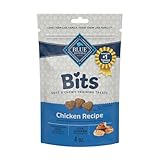
- REAL CHICKEN FIRST: BLUE Bits dog training treats are made with delicious real chicken as the first ingredient making them an ideal reward for your best friend’s best behavior
- SOFT TRAINING TREATS: For dogs that love a soft treat, BLUE Bits are tender, bite-sized morsels that are the perfect size for training; plus, with DHA to help support cognitive development, they’re an ideal puppy treat
- WHOLESOME INGREDIENTS: These dog treats don’t contain any chicken (or poultry) by-product meals and are free from corn, wheat, and soy; plus, they’re free from artificial preservatives like Propylene Glycol and colors like Red Dye 40
- HEALTHY DOG TREATS: Blue Buffalo natural dog treats feature the healthy, wholesome ingredients you’ll love feeding as much as they’ll love eating
- Contains: One (1) 4-oz bag of BLUE Bits Natural Soft-Moist Training Dog Treats, Chicken Recipe
Should you get a DNA test?
A DNA test is optional. It may satisfy curiosity or offer ancestry clues, but it is not a prerequisite for humane training and cannot guarantee temperament, sociability, obedience, exercise needs, or aggression risk. The dog’s observed preferences, stress signals, health, age, and learning history should determine your plan.
If a result suggests a breed associated with a particular activity, treat that as a prompt for safe observation rather than a prescription. Offer an appropriate game, watch the dog’s response, and keep what helps. Do not use a result to justify exposing the dog to intense exercise, assuming it will herd children, or excusing unsafe behavior.
Windows Errors? Fix Them Before They Spread
Repair common Windows errors and clear accumulated junk for a smoother, more stable PC - no reinstall needed.Free scan · no reinstallCrashes, No Sound, or Screen Glitches?
Random freezes, missing sound and display glitches usually trace back to one bad driver. Find and replace yours safely.Free scan · under a minuteWhen to involve a veterinarian or trainer
Seek help early for fear, reactivity, aggression, separation problems, repeated escape attempts, severe handling distress, or progress that has stalled despite consistent low-stress practice. A veterinarian can check for pain, illness, sensory changes, medication effects, and other factors that alter behavior. For behavior work, choose a humane, force-free professional who explains methods clearly and welcomes veterinary collaboration.
Training is not a regulated profession, so the American Animal Hospital Association advises checking methods and credentials. Ask what the trainer does when a dog is frightened, whether they use food and distance to change behavior, how they manage bite risk, and what experience they have with the specific problem. Avoid anyone who promises a guaranteed temperament, insists that dominance explains everything, or relies on intimidation, pain, or flooding.
- Use gates, leashes, crates only when the dog is comfortable, and separate rooms to prevent rehearsal of dangerous behavior.
- Do not allow greetings when the dog is over threshold or when a visitor cannot follow instructions.
- Record short videos for your veterinarian or trainer only when doing so does not increase risk.
- For a bite, contact a veterinarian and qualified behavior professional promptly and follow local reporting and medical requirements.
Troubleshooting common setbacks
| What you see | Likely training adjustment |
|---|---|
| The dog works at home but ignores cues outside. | Return to an easier location, use a higher-value reward, shorten the session, and add distractions one at a time. |
| The dog will not take treats on walks. | Increase distance from triggers, reduce stimulation, and practice in a quieter place. Refusal of food can signal that the dog is too stressed to learn. |
| Pulling worsens as the walk continues. | Shorten the outing, add sniffing and rest, reward slack-leash steps, and avoid routes that repeatedly overwhelm the dog. |
| The dog becomes wild after exercise. | Replace some high-arousal activity with sniffing, food searching, chewing, and mat settling; provide a predictable rest period. |
| Progress reverses suddenly. | Check for pain, illness, schedule changes, frightening events, heat, sleep loss, or a jump in difficulty; consult a veterinarian if the change persists. |
| The dog growls at handling or guards food. | Stop forcing contact, prevent access by children, and obtain professional behavior and veterinary guidance. Do not punish the warning. |
A practical decision rule
Before changing the plan, ask four questions: Is the behavior safe to practice? Is the dog motivated by the chosen reward? Is the dog calm enough to learn? Can the environment be made easier? If the answer to any question is no, change management or difficulty before adding more commands. This approach meets physical and mental needs while keeping safety, humane reinforcement, and the individual dog at the center.





Leave a Reply