To transfer your pet’s medical records, ask the new veterinary clinic how it accepts records and when it needs them, then contact the previous clinic and authorize the release if required. Request the complete available record or a clinical-history summary—not only a vaccination card—and confirm that the new clinic received it before the first appointment. Keep a copy for yourself. The process and applicable rules vary by location and clinic, so ask both practices what they require.
Why transfer records before the first appointment?
A new veterinarian needs more than a list of vaccines to understand your pet’s health history. Prior diagnoses, test results, treatments, and medication details can help the veterinarian assess what is happening now and decide what information or care is needed next. Missing history can leave the new clinic without context; records give the veterinary team a basis for continuity of care.


As an Amazon Associate I earn from qualifying purchases.
The American Animal Hospital Association (AAHA) says that a veterinarian maintains complete and legible medical records, including the assessment and treatment plan, so another veterinarian can proceed with continuity of care and treatment. That is AAHA’s position statement, not a guarantee that every clinic uses the same record system or transfer procedure. Read AAHA’s position statements.
Sending records ahead of the visit gives the receiving clinic a chance to review what it receives and identify missing information. VCA’s owner guidance recommends asking the previous veterinarian to send the records before the new appointment. It also notes that a new veterinarian may be able to request them, while owner permission is generally required in most U.S. states and Canadian provinces. Treat that as general guidance, not a rule that applies everywhere. VCA’s guidance on sharing medical records.
#1 Best Overall
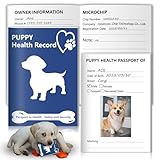
- Product Include:When you choose our dog vaccines records tracker, you'll receive one notebook.This 12-page puppy health journal has 8 dedicated pages for tracking your pup’s health, vet visits, and key details, with 4 blank pages at the end for jotting down extra notes, pet-related info, or anything else you want to record.
- Ideal Size for Record Keeping:Each dog vaccine record book measures 5x3.5 inches folded; 5x7 inches unfolded, allowing for easy portability and storage.These handy health records notebook for dogs with double sided printing, featuring enough space for all your pets important information,plus, it has dedicated spots for sticking on vaccine stickers and adding cute puppy photos.They offer a stylish and organized approach to pet health documentation, a must have addition to your pet supplies.
- Premium Quality: The puppy health record tracker’s cover features 300gsm coated paper with vibrant full-color printing and a protective laminate finish. Inside, 100gsm high-quality offset paper pages are durable and ink-resistant, ensuring no bleeding from pens or markers—so your records stay neat and easy to read.
- Effortlessly Track Vaccinations and More:The canine health record booklets pages include:owner and puppy information,medical history and hospitalizations,vaccination record and sticker,dog service providers,fecal examinations and de-worming,heartworm screening, prevention and treatment etc.This record keeping tool will ensure every important detail is accounted for and make this task easy, organized, and straightforward.Add this essential tool to your pet supplies for a happier, healthier pet.
- Essential for Pet Owners:Designed for veterinary clinics and pet owners, these puppy vaccination record books make tracking key health details—like shots, checkups—simple and organized. When you’re away and leave your pup with a sitter or family, the dog medical record and vaccine book serves as a quick reference for their medical history. Plus, dedicated sections for photos, physical markings, and ID info prepare you for emergencies, helping you recover your friend quickly if they get lost.
Early transfer is especially useful when your pet has a chronic illness, recent surgery, recurring symptoms, or several prescriptions. The receiving team can review prior findings instead of repeating questions or tests unnecessarily. It can also identify gaps before you arrive, when there is still time to ask the former practice for clarification. If the appointment is urgent, tell the new clinic that records are pending and provide the history you have rather than waiting silently.
What records should you request?
Ask for the complete available medical record, or a clinical-history summary that includes relevant test and treatment information. A vaccination card alone may not show the clinical context the new veterinarian needs, particularly if your pet has had an illness, procedure, ongoing treatment, or medication change.
- Vaccinations: dates and vaccine types, plus a rabies certificate where applicable.
- Tests: relevant laboratory, imaging, and other diagnostic results available in the record.
- Health history: diagnoses, medical conditions, and relevant assessments or treatment information.
- Medications: current and past medicines, including drug names and dosage details.
- Identification: your pet’s microchip number.
For a surgery or procedure, ask whether the available file includes the procedure date, relevant findings, follow-up instructions, and associated test results. Do not assume that a short invoice contains the clinician’s assessment or treatment plan. If a specialist, emergency hospital, laboratory, or imaging center holds part of the history, ask the new clinic whether it needs those records separately and which practice should request them.
Recommended Free Tools
When requesting medication information, ask for the recorded drug name and dosage details rather than relying on memory or a label you may no longer have. If a medicine is currently being given, tell the new clinic that separately when booking or confirming the appointment, so it knows about ongoing treatment even if the records have not arrived yet. Include supplements or regularly administered products in your own medication list, and ask the veterinarian how they should be documented.
For an ongoing or complex health issue, request the full available record rather than only a short summary. If the prior clinic offers a summary, ask whether it includes the relevant test results and treatments, and whether the underlying records can also be sent if the new veterinarian needs them. The clinic can tell you what it is able to provide and in what form.
Step-by-step: arrange the transfer
- Ask the receiving clinic what it needs. Contact the new veterinarian before the first visit. Ask how the clinic accepts records, when it needs them, whether it has a release form, and whether you or the new clinic should contact the previous practice. Do not assume that a particular file type, delivery channel, or form is accepted.
- Contact the previous clinic. Provide your pet’s identifying details and the new clinic’s name and contact information. Say that you are changing veterinarians and ask for the complete available record or a clinical-history summary with relevant tests and treatment information.
- Complete an authorization if requested. The previous clinic may ask you to sign a release or authorization form before sending information. Ask who the records can be sent to and whether the clinic can send them directly to the new veterinarian, provide you with a copy, or do both.
- Specify the information that matters. Mention vaccines, test results, diagnoses or conditions, medication names and dosage details, and microchip information. If your pet has ongoing or complex care, request the full available record or ask whether a summary will include the pertinent tests and treatments.
- Check that the records arrived. Contact the new clinic before the appointment and ask whether it received the transfer and whether anything appears to be missing. If a key item is absent, ask which clinic should provide it and whether you need to authorize another release.
- Keep a personal copy. Save the records you receive in a place you can find again. Make sure you can access key vaccination and medication information, relevant test results, and the microchip number.
Start early enough for the receiving veterinarian to review the history before the visit. The sources do not establish a universal transfer deadline or turnaround time, so ask the clinics directly rather than relying on an assumed number of days.
Rank #2

- All-in-one pet care tracking: vaccinations, vet visits, medical exams, medications and more
- Easy access to pet’s health info: stay organized and on top of your pet's health
- Ample writing space: never run out of space; designed to last entire life of pet
- High-quality materials: durable and elegant design for long-lasting use
- Portable size: convenient A5 size, perfect for on-the-go; practical for vet visits and storage
Make the request easy for staff to process
Include the information a receptionist or records coordinator needs to locate the correct file: your name and contact details, your pet’s name, species, breed, approximate age or date of birth, microchip number if known, and the dates you used the former practice. State exactly where the records should go and identify the veterinarian or department receiving them. If your pet has more than one file under different owners or phone numbers, mention that so staff can search accurately.
Do these 3 things before closing this tab:
1Scan for outdated or missing drivers - takes under a minute2Clear out junk files and repair common Windows errors3Fix the driver behind crashes, sound loss and screen glitchesAsk for confirmation when the request is logged and note the date, the person you spoke with, and any form still outstanding. A brief written request can reduce misunderstandings about whether you wanted only vaccines, a summary, or the complete available file. If you leave a voicemail, follow up through the clinic’s preferred channel and keep the message concise.
Who should request the records: you or the new clinic?
Either route may be possible, depending on the clinics’ procedures and applicable local rules. Ask the receiving clinic which approach it prefers. If it can request the records directly, find out whether it needs your signed authorization first. If it asks you to arrange the transfer, contact the previous clinic and give it the receiving clinic’s details.
AAHA’s May 2019 practice advice recommends that veterinary practices use a medical-record transfer form for clients to complete and sign as a cautious approach, noting that the form can identify who besides the client may receive record information. This is guidance to practices; it does not establish that every clinic or jurisdiction requires that exact form. Read the May 2019 Inside AAHA article.
If another person is listed as the owner, co-owner, or authorized representative, clarify who has permission to release the file. A clinic may need authorization from the person identified in its records, even when you routinely bring the pet to appointments. Ask the clinic what documentation it accepts instead of guessing.
Free tools Windows power users keep installed
One-click scans. No signup required.
Choose a transfer method that works for both clinics
There is no single delivery method that is established as best for every transfer. The practical test is whether the receiving clinic accepts the method, gets the information in time to review it, and can read the records. Keep a copy for yourself regardless of how the clinics exchange the official record.
| Approach | What to check | Owner copy |
|---|---|---|
| Previous clinic sends records directly to the new clinic | Ask whether the new clinic accepts this route, whether your authorization is needed, and when the records should arrive. | Ask whether the previous clinic can also provide you with a copy. |
| You obtain a copy and send it to the new clinic | Confirm the receiving clinic accepts the format and delivery method you plan to use. Check that pages or files are readable and complete. | You retain the copy you received; save it somewhere secure and accessible. |
| Previous clinic provides a clinical-history summary | Ask whether it includes relevant tests and treatments, and whether the new veterinarian can request more detail if needed. | Request a copy of the summary for your own records. |
These are practical options, not a claim that every clinic offers each one. The new clinic’s instructions should determine how you send any copy yourself. Avoid sending sensitive documents through a channel the clinic does not accept or recommend. If you hand-deliver paper, ask whether staff want the original or a copy and keep the version you retain in a safe place. If you send digital files, verify that every page opens and is legible before forwarding them.
What to say when you call or write
A short, specific request makes it easier for the clinic to identify the patient, recipient, and information you need. You can adapt this wording:
Please send my pet’s complete available medical record, or a clinical-history summary with relevant test and treatment information, to [new clinic name and contact details]. My pet is [pet’s name and identifying details]. Please let me know whether you need a signed authorization, what transfer method you use, and whether you can also provide me with a copy.
The Tool Desk
Outbyte PC Repair FREERepair Windows errors before they cause bigger problemsFix Now →Outbyte Driver Updater FREEScan for outdated or missing drivers - takes under a minuteDriver Scan →Special offer. See more information about Outbyte and uninstall instructions. Please review EULA and Privacy policy.
If you are asking the new clinic first, ask how it accepts records, when it needs them, whether it has a release form, and whether it prefers to contact the previous clinic directly. If you are contacting the previous clinic, include enough identifying details for staff to locate your pet’s file and provide the new practice’s contact information.
If the records are delayed, incomplete, or unavailable
Do not assume that a request has been completed just because it was made. Check with the receiving clinic before the appointment. If it has not received the records, ask whether it can contact the previous practice or whether it needs you to provide a signed authorization or resend a copy.
- The previous clinic says it needs authorization: Ask for its release form and clarify who may receive the records. Complete the form and confirm how to return it.
- The new clinic cannot open or accept the files: Ask what format or delivery method it does accept, then ask the previous practice whether it can resend the records that way.
- A summary is missing important details: Identify the missing test, medication, diagnosis, or treatment information and ask whether the previous clinic can provide the relevant underlying records.
- One or both clinics are unsure about the rules: Ask what specific authorization or process is needed. For location-specific guidance about record access or transfer, consult the relevant veterinary regulator.
Procedures and rules differ by jurisdiction and practice. The Veterinary Practitioners Registration Board of Victoria, Australia, describes a general expectation that a practitioner provide copies of records or a summarized clinical history to an owner or designated representative on request, and says records should be transferred when an owner requests a new veterinarian. The College of Veterinarians of Ontario provides Ontario-specific practice guidance on medical records and transfer, including prompt handling. These examples apply to their respective jurisdictions; they should not be treated as universal requirements or timelines. Victoria’s Guideline 07 on veterinary medical records and the College of Veterinarians of Ontario’s practice advisory service.
If an appointment is approaching and records have not arrived, tell the new clinic what you know about your pet’s history and what information is still pending. Bring or send any relevant documents you already have, such as a vaccination record or medication details, using a method the clinic accepts. That can help the clinic prepare, but it is not a substitute for confirming whether the full record is still on its way.
If the former practice has closed, changed ownership, or says it no longer holds the file, ask where records are stored and which practice or regulator can explain the next step. Do not infer that the records were destroyed or transferred to a particular clinic without confirmation. Keep notes of each request and response so you can describe the history accurately to the receiving veterinarian.
Independent reader supportYour contribution helps us test, update, and keep practical guides available for everyone.Common mistakes to avoid
- Requesting only a vaccine card: Vaccination dates and rabies documentation may be essential, but they do not replace diagnoses, test results, treatment notes, or medication details.
- Waiting until the appointment day: The new veterinarian may need time to review the file and identify missing items.
- Assuming the clinics will coordinate automatically: Ask who is responsible for requesting, sending, and confirming receipt.
- Leaving out identifying details: An incomplete name, species, or contact record can delay the search or result in the wrong file being selected.
- Sending files in an unapproved way: Use the receiving clinic’s preferred channel and confirm that the files are readable.
- Failing to keep a copy: Your own copy can help during emergencies, future clinic changes, travel, or after-hours care.
Keep a useful copy for future care and emergencies
Keep your own copy of important veterinary information after the transfer. The American Veterinary Medical Association (AVMA) recommends keeping photocopies of important veterinary documents in an emergency kit, including vaccination records, medical history, medication details, test results, and microchip information. A paper organizer is optional; the useful part is having the information available when needed. See AVMA’s emergency-preparedness brochure.
Store the copy in a secure place you can access, and update it when your pet has a new diagnosis, test, treatment, vaccination, or medication change. If you keep digital records, check periodically that files open and that the identifying information is clear. Retaining a copy gives you a practical backup if you change clinics again or need to share relevant history during an emergency.
Consider keeping both a readily available summary and the fuller file. The summary can list current medicines, major conditions, allergies or prior reactions recorded by the clinic, vaccination dates, and the microchip number. The fuller record preserves the details a veterinarian may need for a complicated case. Organize files by date or event so a clinic can quickly find a laboratory report, imaging result, or procedure note.
Outdated Drivers Are Slowing You Down
One free scan finds every outdated or missing driver and matches the right update for your exact hardware.Free scan · exact hardware matchPC Slower Than It Used to Be?
A free scan shows the junk files, broken settings and background clutter dragging Windows down - then fixes them in one click.Free scan · Windows 10 & 11Frequently Asked Questions
Can my new vet contact my old vet directly to get records?
Often, yes, but the clinics’ procedures and local rules control. Ask the new clinic whether it prefers to request the file and whether it needs your signed authorization first. If it cannot make the request, contact the previous clinic yourself and provide the new practice’s details.
Are vets able to pull records from another vet office?
A new veterinarian may be able to request records, but clinics do not all use connected systems. The former practice may require written authorization, and the receiving clinic may have a preferred delivery method. Confirm the process with both offices.
Do I need a release form to transfer my pet’s records?
You may. AAHA’s May 2019 practice guidance recommends a signed medical-record transfer form as a cautious practice, while VCA notes that owner permission is generally required in most U.S. states and Canadian provinces. Neither statement creates one universal rule, so ask the former clinic what it requires.
How long does a veterinary record transfer take?
There is no universal turnaround time established here. Ask the receiving clinic when it needs the records and contact the former clinic early enough for review before the appointment. Follow up with the new clinic to confirm arrival.
Can I get a copy of my pet’s records for myself?
Ask the previous clinic whether it can provide you with a copy as well as sending records to the new veterinarian. Keep vaccination and rabies documentation, test results, medication details, diagnoses, and the microchip number in a secure place.
What if the old clinic sends only a summary?
Ask whether the summary includes relevant tests and treatments. For ongoing or complex care, request the complete available record or ask whether the new veterinarian can obtain underlying reports if more detail is needed.
What should I do if the records have not arrived before the appointment?
Tell the new clinic what information is pending and provide any documents or medication details you already have through its accepted channel. Ask whether the clinic can follow up with the former practice and whether another authorization is needed.
The Bottom Line
Ask the new clinic how it wants records delivered, authorize the previous practice if required, and request the complete available history or a clinically useful summary—not just vaccination details. Confirm receipt before the visit, keep your own copy, and check local clinic and regulator guidance because transfer procedures, permissions, and timing vary.
What’s actually slowing this PC down?
Pick the symptom - the matching free tool is one click away.
Quick Recap
Product prices and availability are accurate as of the date/time indicated and are subject to change. Any price and availability information displayed on Amazon at the time of purchase will apply.




