Free tools Windows power users keep installed
One-click scans. No signup required.
Your pet’s first veterinary appointment is usually an intake visit and a baseline health check. The team will gather the animal’s history, examine it from nose to tail, and explain preventive care or follow-up that fits its age, species, records, and current condition.
Vaccines, parasite treatments, laboratory tests, microchipping, or other services may be discussed or performed, but no single package is standard. The clinic’s requirements and the veterinarian’s findings determine what happens that day.
As an Amazon Associate I earn from qualifying purchases.
Before you book or leave home
A few questions and documents can make the appointment more useful. Call the clinic before the visit rather than assuming every practice follows the same process.
Windows Errors? Fix Them Before They Spread
Repair common Windows errors and clear accumulated junk for a smoother, more stable PC - no reinstall needed.Free scan · no reinstallCrashes, No Sound, or Screen Glitches?
Random freezes, missing sound and display glitches usually trace back to one bad driver. Find and replace yours safely.Free scan · under a minuteConfirm the clinic’s logistics
Ask whether you need to complete a new-client form, send medical records ahead of time, or bring a fresh stool or urine sample. Bring a sample only when the clinic requests one and gives you collection instructions. Ask how long the appointment is expected to take, what the consultation and likely tests cost, and whether payment is due at check-in or checkout. There is no universal veterinary fee or appointment length established for a first visit.
#1 Best Overall

- 𝐒𝐨𝐟𝐭-𝐒𝐢𝐝𝐞𝐝 𝐂𝐚𝐭 𝐂𝐚𝐫𝐫𝐢𝐞𝐫 𝐟𝐨𝐫 𝐓𝐫𝐚𝐯𝐞𝐥 & 𝐃𝐚𝐢𝐥𝐲 𝐔𝐬𝐞 A comfortable, semi-enclosed cat carrier for car rides, vet visits, errands, and weekend trips. Designed to be easy to carry and cozy for cats on the go
- 𝗖𝗮𝗿 𝗦𝗮𝗳𝗲𝘁𝘆 𝗖𝗼𝗺𝗲𝘀 𝗙𝗶𝗿𝘀𝘁 — 𝗣𝗮𝘁𝗲𝗻𝘁𝗲𝗱 𝗦𝗮𝗳𝗲𝘁𝘆 𝗕𝘂𝗰𝗸𝗹𝗲𝘀 𝗳𝗼𝗿 𝗕𝗿𝗮𝗸𝗶𝗻𝗴 & 𝗧𝘂𝗿𝗻𝘀 This cat car carrier features safety buckles that can be conveniently fixed to a car seat with one hand, helping keep the carrier planted during sudden stops and corners—keeping your cat in one spot and helping minimize driving distraction
- 𝐄𝐬𝐜𝐚𝐩𝐞-𝐑𝐞𝐬𝐢𝐬𝐭𝐚𝐧𝐭 𝐃𝐞𝐬𝐢𝐠𝐧 𝐟𝐨𝐫 𝐂𝐚𝐭𝐬 Lockable double zippers + internal safety tether help prevent sudden escapes when opening the cat carrier.Great for nervous cats, vet check-ins, and busy travel environments
- 𝐁𝐫𝐞𝐚𝐭𝐡𝐚𝐛𝐥𝐞 𝐂𝐨𝐦𝐟𝐨𝐫𝐭 —𝟒 𝐌𝐞𝐬𝐡 𝐏𝐚𝐧𝐞𝐥𝐬 +𝐖𝐚𝐬𝐡𝐚𝐛𝐥𝐞 𝐂𝐨𝐳𝐲 𝐅𝐥𝐞𝐞𝐜𝐞 𝐁𝐞𝐝 4 mesh ventilation panels deliver airflow and visibility so pets can breathe easy and you can check on them fast; the soft fleece bed adds cushioned support for commutes,vet visits,and short road trips
- 𝐀𝐢𝐫𝐥𝐢𝐧𝐞 𝐀𝐩𝐩𝐫𝐨𝐯𝐞𝐝-𝐓𝐡𝐞 𝐒𝐢𝐳𝐞 𝐨𝐟 𝐭𝐡𝐞 𝐜𝐚𝐫𝐫𝐢𝐞𝐫:𝟏𝟖"𝐋 𝐱 𝟏𝟏"𝐖 𝐱 𝟏𝟏"𝐇 Fits under many airline seats for in-cabin travel with small pets (airline rules vary). Please check your airline's under-seat size requirements before flying
Also ask about arrival rules. Some hospitals require every dog to be on a leash and every cat or small animal to be in a carrier before entering shared areas. That is a practice-level policy, not a rule at every clinic, so confirm what applies to yours.
Collect the information the veterinarian will need
Bring whatever history you have, even if it is incomplete. Useful items include:
- Adoption, purchase, shelter, or breeder paperwork.
- Vaccination, deworming, parasite-control, and other medical records.
- The names, doses, and schedules of all medicines and supplements.
- The food brand, amount, treats, feeding times, and any recent changes.
- Dates and descriptions of symptoms, accidents, appetite changes, vomiting, diarrhea, coughing, itching, or unusual behavior.
- The name and contact details of the previous veterinarian, if known.
Missing records should not prevent the visit. Tell the clinic exactly what is unknown. The veterinarian can assess the pet’s condition, explain what history is needed, and create a plan for care that does not rely on guesses.
Quick wins for a faster PC:
Fix the driver behind crashes, sound loss and screen glitchesFind Drivers →Repair Windows errors before they cause bigger problemsFix Now →Scan for outdated or missing drivers - takes under a minuteDriver Scan →Prepare a written question list
It is easy to forget concerns in an unfamiliar exam room. Write down your priorities and bring the list on paper or on your phone. Include questions about nutrition, behavior, grooming, training, identification, sterilization, parasite prevention, warning signs, and the timing of the next visit. If someone else usually feeds or cares for the pet, ask that person for recent observations before you go.
Choose safe transport
Use a carrier, leash, harness, or other transport appropriate for the species and the individual animal’s temperament. Secure the carrier in the vehicle so it cannot slide, and avoid opening it in a parking lot or shared waiting room. A nervous pet can bolt even if it is normally calm. If the animal becomes carsick, panics during travel, or has previously reacted badly at a clinic, tell the practice when booking so staff can discuss preparation.
Rank #2
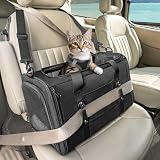
- 𝐒𝐨𝐟𝐭-𝐒𝐢𝐝𝐞𝐝 𝐂𝐚𝐭 𝐂𝐚𝐫𝐫𝐢𝐞𝐫 𝐟𝐨𝐫 𝐓𝐫𝐚𝐯𝐞𝐥 & 𝐃𝐚𝐢𝐥𝐲 𝐔𝐬𝐞 A comfortable, semi-enclosed cat carrier for car rides, vet visits, errands, and weekend trips. Designed to be easy to carry and cozy for cats on the go
- 𝗖𝗮𝗿 𝗦𝗮𝗳𝗲𝘁𝘆 𝗖𝗼𝗺𝗲𝘀 𝗙𝗶𝗿𝘀𝘁 — 𝗣𝗮𝘁𝗲𝗻𝘁𝗲𝗱 𝗦𝗮𝗳𝗲𝘁𝘆 𝗕𝘂𝗰𝗸𝗹𝗲𝘀 𝗳𝗼𝗿 𝗕𝗿𝗮𝗸𝗶𝗻𝗴 & 𝗧𝘂𝗿𝗻𝘀 This cat car carrier features safety buckles that can be conveniently fixed to a car seat with one hand, helping keep the carrier planted during sudden stops and corners—keeping your cat in one spot and helping minimize driving distraction
- 𝐄𝐬𝐜𝐚𝐩𝐞-𝐑𝐞𝐬𝐢𝐬𝐭𝐚𝐧𝐭 𝐃𝐞𝐬𝐢𝐠𝐧 𝐟𝐨𝐫 𝐂𝐚𝐭𝐬 Lockable double zippers + internal safety tether help prevent sudden escapes when opening the cat carrier.Great for nervous cats, vet check-ins, and busy travel environments
- 𝐁𝐫𝐞𝐚𝐭𝐡𝐚𝐛𝐥𝐞 𝐂𝐨𝐦𝐟𝐨𝐫𝐭 —𝟒 𝐌𝐞𝐬𝐡 𝐏𝐚𝐧𝐞𝐥𝐬 +𝐖𝐚𝐬𝐡𝐚𝐛𝐥𝐞 𝐂𝐨𝐳𝐲 𝐅𝐥𝐞𝐞𝐜𝐞 𝐁𝐞𝐝 4 mesh ventilation panels deliver airflow and visibility so pets can breathe easy and you can check on them fast; the soft fleece bed adds cushioned support for commutes,vet visits,and short road trips
- 𝐀𝐢𝐫𝐥𝐢𝐧𝐞 𝐀𝐩𝐩𝐫𝐨𝐯𝐞𝐝-𝐓𝐡𝐞 𝐒𝐢𝐳𝐞 𝐨𝐟 𝐭𝐡𝐞 𝐜𝐚𝐫𝐫𝐢𝐞𝐫:𝟏𝟖"𝐋 𝐱 𝟏𝟏"𝐖 𝐱 𝟏𝟏"𝐇 Fits under many airline seats for in-cabin travel with small pets (airline rules vary). Please check your airline's under-seat size requirements before flying
What happens at check-in
At arrival, reception staff may verify your contact details, confirm the reason for the visit, review forms, and request records. They may ask about the pet’s background, where it came from, its household, diet, medications, elimination, activity, and any immediate concerns. Give specific dates and examples when you can; “sometimes” is less useful than “twice this week after meals.”
The team may weigh the pet or record preliminary observations before the veterinarian enters. If the waiting room is stressful, ask whether you can wait in a quieter area or in your vehicle until an exam room is ready. Keep the pet secured according to the clinic’s rules and do not allow greetings with unfamiliar animals without permission.
The history-taking conversation
The veterinarian usually starts by clarifying the animal’s history and your goals for the appointment. Expect questions about age or estimated age, sex and reproductive status, origin, previous illnesses or injuries, living conditions, travel, exposure to other animals, and the pet’s normal behavior. For a newly acquired animal, the clinician may also ask what the shelter, breeder, rescue, or previous owner told you.
Describe anything that seems minor if it is new or changing: a different stool, scratching, head shaking, reduced play, altered sleep, or a change in drinking. Mention all products, including supplements and nonprescription remedies. Accurate information helps the veterinarian distinguish a normal adjustment from a problem that needs testing.
What the physical examination may include
After the history, the veterinarian generally performs a hands-on examination. A first-visit guide from VCA describes checking the skin and coat, eyes and ears, teeth and gums, heart, lungs, other vital organs, and external parasites. The clinician may also assess body condition, hydration, mobility, lymph nodes, abdomen, reproductive structures, and other areas that are relevant to the species and the pet’s concerns.
Rank #3

- 𝐒𝐨𝐟𝐭-𝐒𝐢𝐝𝐞𝐝 𝐂𝐚𝐭 𝐂𝐚𝐫𝐫𝐢𝐞𝐫 𝐟𝐨𝐫 𝐓𝐫𝐚𝐯𝐞𝐥 & 𝐃𝐚𝐢𝐥𝐲 𝐔𝐬𝐞 A comfortable, semi-enclosed cat carrier for car rides, vet visits, errands, and weekend trips. Designed to be easy to carry and cozy for cats on the go
- 𝗖𝗮𝗿 𝗦𝗮𝗳𝗲𝘁𝘆 𝗖𝗼𝗺𝗲𝘀 𝗙𝗶𝗿𝘀𝘁 — 𝗣𝗮𝘁𝗲𝗻𝘁𝗲𝗱 𝗦𝗮𝗳𝗲𝘁𝘆 𝗕𝘂𝗰𝗸𝗹𝗲𝘀 𝗳𝗼𝗿 𝗕𝗿𝗮𝗸𝗶𝗻𝗴 & 𝗧𝘂𝗿𝗻𝘀 This cat car carrier features safety buckles that can be conveniently fixed to a car seat with one hand, helping keep the carrier planted during sudden stops and corners—keeping your cat in one spot and helping minimize driving distraction
- 𝐄𝐬𝐜𝐚𝐩𝐞-𝐑𝐞𝐬𝐢𝐬𝐭𝐚𝐧𝐭 𝐃𝐞𝐬𝐢𝐠𝐧 𝐟𝐨𝐫 𝐂𝐚𝐭𝐬 Lockable double zippers + internal safety tether help prevent sudden escapes when opening the cat carrier.Great for nervous cats, vet check-ins, and busy travel environments
- 𝐁𝐫𝐞𝐚𝐭𝐡𝐚𝐛𝐥𝐞 𝐂𝐨𝐦𝐟𝐨𝐫𝐭 —𝟒 𝐌𝐞𝐬𝐡 𝐏𝐚𝐧𝐞𝐥𝐬 +𝐖𝐚𝐬𝐡𝐚𝐛𝐥𝐞 𝐂𝐨𝐳𝐲 𝐅𝐥𝐞𝐞𝐜𝐞 𝐁𝐞𝐝 4 mesh ventilation panels deliver airflow and visibility so pets can breathe easy and you can check on them fast; the soft fleece bed adds cushioned support for commutes,vet visits,and short road trips
- 𝐀𝐢𝐫𝐥𝐢𝐧𝐞 𝐀𝐩𝐩𝐫𝐨𝐯𝐞𝐝-𝐓𝐡𝐞 𝐒𝐢𝐳𝐞 𝐨𝐟 𝐭𝐡𝐞 𝐜𝐚𝐫𝐫𝐢𝐞𝐫:𝟏𝟖"𝐋 𝐱 𝟏𝟏"𝐖 𝐱 𝟏𝟏"𝐇 Fits under many airline seats for in-cabin travel with small pets (airline rules vary). Please check your airline's under-seat size requirements before flying
The exact sequence varies. Some animals are examined on a table; others are more comfortable being assessed on the floor or while partly inside a carrier. The veterinarian should explain notable findings and whether they warrant monitoring, a repeat examination, or additional assessment.
The Tool Desk
Outbyte Driver Updater FREEFix the driver behind crashes, sound loss and screen glitchesFind Drivers →Outbyte PC Repair FREEClear out junk files and repair common Windows errorsFree Scan →| Area | What may be assessed | Why it matters |
|---|---|---|
| General status | Weight, body condition, temperature or other vital signs when appropriate, posture, movement, and behavior | Establishes a baseline and can reveal illness, pain, or nutritional concerns |
| Skin and coat | Redness, hair loss, wounds, lumps, fleas, ticks, mites, or other external parasites | Guides parasite control and decisions about skin or allergy evaluation |
| Eyes and ears | Discharge, irritation, vision-related concerns, odor, debris, or inflammation | Identifies problems that may need treatment or monitoring |
| Mouth | Teeth, gums, bite, sores, odor, and the condition of oral tissues | Creates a dental baseline and highlights home-care needs |
| Heart and lungs | Heart rhythm, breathing sounds, respiratory effort, and other signs of cardiopulmonary disease | Determines whether further evaluation is appropriate |
| Abdomen and other organs | Palpation for pain, enlargement, masses, or other abnormalities | Helps decide whether laboratory or imaging tests would answer an important question |
Puppy-specific examples
The American Kennel Club’s puppy wellness guidance lists possible first-visit components such as weight and vital signs, a physical examination, fecal examination, microchip, and vaccines. These are examples for puppies, not a guaranteed bundle for every puppy or clinic. A very young animal may need several visits to complete an age-appropriate preventive schedule.
Vaccines, parasite prevention, and tests
Bring every vaccination and deworming record you can find. The veterinarian compares those dates and products with the pet’s age, health, lifestyle, geographic exposure, and current recommendations. The American Kennel Club notes that a puppy’s vaccine needs can depend on the breeder’s prior schedule, while American Veterinary Medical Association guidance for a newly acquired dog also advises bringing available vaccination and deworming history.
Do not assume that an undocumented vaccine was given or that a missing record automatically means every dose must be repeated. Ask the veterinarian to explain the safest way to handle uncertainty. Depending on the findings and history, the plan may include a vaccine today, a later dose, a fecal test, another laboratory test, parasite prevention, or simply observation and a scheduled recheck.
Questions that make recommendations understandable
- Which vaccines or parasite-prevention steps are due for this pet, and what date is the next dose or check due?
- What risk or disease is each recommended treatment addressing?
- Would a fecal or other test change the treatment plan, and what question would the result answer?
- Are there reasons to delay a vaccine or test until the pet has settled in or recovered from another problem?
- What side effects are expected, and which signs should prompt a call?
Asking these questions helps you separate preventive care that is appropriate now from care that can be scheduled later. It also gives you a written timeline to follow at home.
What’s actually slowing this PC down?
Pick the symptom - the matching free tool is one click away.
Rank #4

- 【Suitable Pets】This pet carrier measures approximately 17*11*11 inches and is a standard size. It supports pets up to 16 lbs and is ideal for cats, small dogs, and puppies. It meets airline under-seat requirements, compatible with airline approved dog carrier.
- 【Durable & Breathable】This cat carrier soft (also a practical cat bag and cat carrier) is made of durable, lightweight, waterproof, and scratch-resistant Oxford fabric. With three-sided breathable mesh and reinforced wear-resistant mesh, it ensures safety, durability, and great ventilation while allowing you to easily check on your pet.
- 【Soft Cushion】It features a removable and machine-washable plush pet cushion for comfort and easy cleaning. A side open pocket is also included for convenient storage of pet supplies, making it a user-friendly pet carrier for cat and dog travel bag.
- 【Safe & Secure】This pet carrier (suitable as large cat carrier and cat carrier large for medium cats) uses a sturdy steel rod frame to maintain shape and prevent collapsing. It comes with reinforced zippers and an internal safety leash to keep your pet secure and prevent accidental escapes, perfect for short or long trips.
- 【Convenient for Travel】This dog travel bag and pet carrier supports both hand-held and shoulder-carrying styles. It has an adjustable, wide, padded shoulder strap and a cushified handle for extra comfort. The strap can also serve as a safety belt to secure the carrier to car seats or luggage. As an airline approved dog carrier, it can be placed under airplane seats.
Nutrition, behavior, and everyday care
The first appointment is a good time to review the current food and feeding routine. Tell the veterinarian the exact diet, treats, supplements, portion sizes, and how often the pet eats. Ask whether the plan fits the animal’s life stage, body condition, activity, and growth. For a growing pet, ask when the food amount or formulation should be reassessed.
Raise behavior and handling issues early. Fear of the carrier, difficulty trimming nails, guarding food, house-soiling, excessive vocalization, or rough play can often be addressed more easily when the veterinarian knows about them. You can also ask about grooming, dental care, exercise, enrichment, identification, microchipping, and sterilization timing. These discussions do not mean every service must occur at the first visit.
Independent reader supportYour contribution helps us test, update, and keep practical guides available for everyone.How to finish the appointment well
Before leaving, ask the veterinarian or nurse to review the plan in concrete terms. Make sure you know what was done, what was deferred, which medicines or preventives to give, how to administer them, and when the next dose or examination is due. Request copies of new records and confirm how the clinic will deliver laboratory results or reminders.
Ask what to watch for at home and what should trigger a routine call, a same-day assessment, or urgent care. The answer depends on the pet and any findings, so use the clinic’s instructions rather than a generic online threshold. If a test is pending, ask when and how you should expect the result and whom to contact if you hear nothing.
Recommended Free Tools
Common first-visit situations and how to handle them
You have almost no paperwork
Bring adoption or purchase documents and describe everything you were told. State clearly which dates, vaccines, medicines, and health events are unknown. The veterinarian can document the uncertainty and build a safe schedule from the examination and available evidence.
Best Value
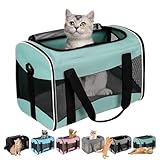
- [PRODUCT DIMENSIONS] Pet travel carrier size : 17x11x11 inches, recommended up to 15 lb pets, it is suitable for large, medium cats and small dogs. Please don't choose your airline cat carrying case based on weight, please refer to your pet's length and height when choosing a pet carrier size.
- [AIRLINE APPROVED] This cat carrier is designed with airline approved, it can fit comfortably under most flight seats, we can take our pets wherever we want. Dog travel carrier offers two attachment loop handles that can be used as a dual harness or as a luggage strap for balanced carry and secure transport.
- [EXCELLENT MATERIAL] Collapsible cat carrier is made of polyester fabric, supported by a steel ring, washable, wear-resistant and durable. The three sides and the top of this pet carrier are nylon mesh, scratch-resistant and not easy to damage, it can not only check your pet in real time, but also ensure enough air circulation.
- [SAFE AND COMFORTABLE] Dog travel bag has metal zippers on the top and side entrances, durable and not easy to deform, it allows your pets to enter and exit easily. The cat carrying case is equipped with an anti-escape safety buckle, which can effectively prevent pets from accidentally falling. It is suitable for car rides and vet rides.
- [PORTABLE AND FOLDABLE] Pet travel carrier comes with a detachable and hand washable wool pet bed, it can provide a comfortable sleeping space for your traveling pet. The cat travel case comes with an adjustable shoulder strap and handle for easy portability. When not in use, you can fold it up for storage.
The pet is too frightened to examine completely
Tell the team before handling begins. Staff may change the room setup, allow the pet to remain in its carrier, take breaks, or plan a return visit. Forcing a struggling animal can make future care harder and may compromise the quality of the examination.
The clinic asks for a sample you cannot provide
Ask whether the sample can be collected later, whether the clinic can collect it, and how it should be stored or transported. Do not substitute a different sample or bring one collected outside the clinic’s instructions.
The veterinarian finds something unexpected
Ask what was observed, how certain the finding is, what additional test would clarify it, and what happens if you wait. Request an estimate before optional testing or treatment. A finding may require immediate action, monitoring, or a planned recheck; the next step should be tied to the individual pet’s risk and symptoms.
Do these 3 things before closing this tab:
1Fix the driver behind crashes, sound loss and screen glitches2Clear out junk files and repair common Windows errors3Scan for outdated or missing drivers - takes under a minuteA practical appointment checklist
| Before leaving home | At the clinic | Before going home |
|---|---|---|
| Records and adoption papers | Describe the main concern and recent changes | Get written instructions and medication directions |
| Medicine and supplement list | Confirm diet, routine, and exposure history | Record vaccine, test, and preventive-care dates |
| Food details and question list | Keep the pet secured under clinic rules | Ask about warning signs and follow-up timing |
| Requested stool or urine sample | Tell staff if the pet is fearful or unwell | Confirm how results and reminders will arrive |
| Suitable carrier, leash, or harness | Discuss costs before nonurgent services | Know whom to call with questions |
What a successful first appointment accomplishes
You should leave with a documented baseline, an explanation of the examination findings, and a prioritized care plan. That plan may include preventive treatment today, a future appointment, testing, home monitoring, or no immediate intervention beyond routine care. Its value is not measured by how many procedures occur in one visit; it is measured by whether you and the veterinary team understand the pet’s history, current health, risks, and next steps.
Quick Recap
Product prices and availability are accurate as of the date/time indicated and are subject to change. Any price and availability information displayed on Amazon at the time of purchase will apply.




