Before snow and bitter cold arrive, make sure cattle can reach wind protection, feed is staged near where they will need it, and drinking water will remain available and unfrozen. Check local National Weather Service alerts and plan for snow, power loss, or blocked roads to disrupt routine care. The right setup depends on the site, herd, and forecast; no single temperature or equipment choice applies to every operation.
What should cattle producers do before a winter storm?
Use the forecast to make practical decisions while roads and equipment are still accessible. The National Weather Service advises moving animals to sheltered areas and hauling extra feed to nearby feeding areas because moving supplies may become impossible during or after a storm. Its guidance is general preparedness advice, so adapt it to your land, herd, and local warnings.
- Check official local forecasts and warnings. Keep a battery-powered NOAA Weather Radio available for emergency information, as recommended by the National Weather Service.
- Decide how cattle will reach protection. Consider wind exposure, access routes, and whether cattle can use the shelter comfortably.
- Stage feed and protect it. Move extra feed close to likely feeding areas before travel becomes difficult. Protect hay and feed from wind, rain, and standing water where relevant.
- Plan for water interruptions. Identify an alternate source or contingency for keeping drinking water accessible if the normal supply freezes or power fails.
- Review the emergency plan. USDA APHIS recommends keeping animal inventory and identification current, planning for evacuation, and having suitable equipment to handle or recapture animals.
How should you choose shelter and wind protection?
Focus on wind protection, orientation, safe access, and whether cattle can use the structure normally. The National Weather Service says, “Shelter belts, properly laid out and oriented, are better protection for cattle than confining shelters, such as sheds.” That is broad preparedness guidance, not a guarantee that a shelter belt is best for every site.
USDA APHIS also cautions that draft-free shelters can be too small: cattle need room for normal postural movement. A shelter that blocks wind but restricts animals may not serve them well. Assess the available space and access for your herd, rather than choosing by structure type alone.
#1 Best Overall
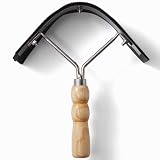
- Durable Metal Scraper with Rubber Edge – Crafted with a sturdy metal scraper bar and smooth rubber edge for efficient water and sweat removal after washing or riding.
- 2-in-1 Grooming Function – Comb side for loosening dirt and hair, flat grooming edge for quick sweat and water scraping, ideal for horses and cattle.
- Ergonomic Wooden Handle – Comfortable grip reduces hand fatigue during barn or stable grooming sessions.
- Compact Curved Design – 21.5 cm curved scraper bar covers a wide surface while remaining easy to control for precise grooming.
- High-Strength Screw Reinforcement – Secure connection between handle and scraper ensures stability and long-term use in equestrian care.
Blowing snow can also affect where protection is useful. The USDA Natural Resources Conservation Service’s Livestock Shelter Structure Planning Guide, listed as a 2016 guide, says drifting snow can begin when winds reach 9 mph. Treat that as a figure reported by the guide, not as a universal local forecast threshold.
How do you keep feed and water available?
Feed
Stage extra feed near cattle before the storm, especially where snow could block normal routes. The National Weather Service’s direct advice is to “Haul extra feed to nearby feeding areas.” Protect stored feed from weather and choose locations that remain as reachable as possible if roads or equipment movement are disrupted.
Rank #2

- Reduce Damage to Fences and Barns: Is your horse rubbing down fence posts or your cattle leaning on gates? This heavy-duty livestock scratching brush satisfies their natural itching instincts, providing a dedicated spot for them to itch. Designed for livestock that love to scratch, it encourages self-grooming right where they need it most
- 2-Pack Value with Reversible Curry Comb: Each livestock scratching brush set includes two brushes with 6 screws, allowing you to place them in different areas for multiple animals. A stainless steel curry comb is also included for manual grooming, helping you further remove loose hair & hard mud, and promote healthy skin
- Animals Instinctively Love Using It: The bristles of scratching brush are firm enough to relieve deep itches, whether between a goat's horns or along a horse's back. During shedding season, this livestock scratching brush set helps animals remove their thick winter coats, making self-grooming more effective
- Sturdy and Durable for Daily Use: Made from tough materials, this livestock scratching brush withstands frequent rubbing and scratching from livestock. The bristles resist bending, and the sturdy construction holds up well in various weather conditions, ensuring long-lasting performance
- Flexible Mounting for Various Locations: The split-back design allows for easy attachment to different surfaces, including round wooden posts, square steel posts, or barn corners. Mount it vertically or horizontally to fit your specific farm setup. Installs in minutes to create a new scratching spot for your livestock
Water
Make sure cattle have access to drinking water that has not frozen. The National Weather Service says to “Have water available,” while USDA’s January 23, 2026, winter-storm notice advises producers to provide access to unfrozen water, shelter, and dry bedding. The cited official guidance establishes the need, but does not specify a universal water quantity or prescribe one system for every operation. Base a backup plan on your water source and whether power may be interrupted.
What do the cold-temperature examples mean?
Do not use a single air temperature as a universal cattle action threshold. The USDA NRCS planning guide lists example still-air critical temperatures of -22°F for steers on full feed and 0°F for cows and calves on a restricted ration. Those examples apply to different animal classes and feeding levels; they are not interchangeable and do not establish a general threshold for every herd or weather condition.
Free tools Windows power users keep installed
One-click scans. No signup required.
Rank #3

- HEAVY-DUTY CONSTRUCTION: Built with durable steel handles and a robust cutting head designed to withstand the demands of regular farm and veterinary use.
- 13-INCH SIZE: The 13-inch length provides optimal leverage for efficient and controlled horn removal on cattle and livestock.
- COMFORTABLE GRIP: Ribbed rubber handle grips offer a secure, non-slip hold during use, reducing hand fatigue on the job.
- DESIGNED FOR LIVESTOCK: Specifically engineered for dehorning cattle and other livestock, making it an essential tool for farm and veterinary professionals.
- RELIABLE PERFORMANCE: The sharp, precision-aligned cutting head ensures clean and effective horn removal, promoting animal welfare during the procedure.
Ration decisions depend on the animals and their circumstances. For advice on a particular herd, consult a local extension service or livestock nutrition professional rather than applying those figures without their stated context.
Independent reader supportYour contribution helps us test, update, and keep practical guides available for everyone.What should you monitor during and after the storm?
Follow local emergency instructions and check official warnings when it is safe to do so. USDA’s storm notice advises producers to follow emergency officials. Do not put people at risk to reach cattle or supplies; APHIS advises planning for the safety of people and staff as well as animals.
Rank #4

- 【Livestock Scratch Brush That Soothes Itchy Herds】 This livestock scratching brush relieves itching from flies and insects, removes mud and loose hair, and soothes irritated, itchy skin - keeping cattle, horses, goats and sheep clean, calm and content with minimal human effort.
- 【Built to Last in Any Weather】 Made from tough PA6 nylon bristles, this cattle scratching brush is firm enough to scratch that itchy spot, yet gentle on skin and mane - standing up to heat, rain and winter while serving your whole herd year after year.
- 【One Brush for Cows, Horses, Goats & More】 This livestock brush scratching post works as a cattle brush scratcher post for cows, a horse scratching post for horses and a goat scratching post for goats - a true livestock scratch brush goats love, reducing stress and preventing destructive rubbing on barn walls and fences.
- 【Easy to Mount Anywhere】 Secure this livestock scratching post to barn walls, fences, pens, horse stalls, trees or outdoor posts with the included screws in minutes, or use as a cattle scratching post brush on fence posts. Our livestock scratching brush 4 pack sets up four scratching spots at once - cover multiple pens and stalls - for the most coverage and best value per brush.
- 【Farm Essential, Gift-Ready】 Add a livestock scratch post to your barn for self-grooming comfort that cuts daily chores - a practical, gift-ready farm essential for farmers who want visible comfort for their herds.
When conditions permit, check cattle and confirm that feed and water are accessible. Look for injuries or signs of cold stress, including frostbite or abnormal breathing, and seek veterinary help for concerning symptoms. UConn Extension’s extreme-weather overview recommends timely checks of feed and water and examining livestock for injuries and stress signs; this is practical monitoring guidance, not a cattle-specific diagnostic protocol.
Quick Recap
Best Value

- 1. Our 500W KNEOYR Deicer is perfect for outdoor water heating needs for a variety of animals including cattle, sheep, stock tanks, horses, birds, and pet chickens, ensuring a warm water supply in various outdoor settings, especially during winter, from troughs to bird baths. This deicer can thaw water volume between 5 to 50 gallons.
- 2. This versatile livestock tank heater, water trough heater, and submersible heater offer robust performance, keeping water at the ideal temperature for animals and birds, including in bird feeders and chicken coops. Simply fill the container with water, fully submerge the deicer, and then power it on—it's that easy!
- 3. Featuring intelligent temperature control, our bird bath water heater and stock tank deicer are optimized for outdoor use in winter, activating at 41°F and deactivating at 91°F, ensuring optimal water temperature during the cold season.
- 4. Engineered for durability, our bird bath heater and livestock water heater feature a Teflon coating on the aluminum structure, providing corrosion resistance and safety for animals and birds. Equipped with a three-core ground wire for safe use, we recommend using a GFCI socket for product safety. Additionally, the 3-meter power cord offers added convenience while in use.
- 5.Whether it's a birdbath heater, bird feeder heater, or chicken waterer heater, our KNEOYR pet water heater maintains a constant, comfortable water supply, promoting the well-being of your animals and birds. Additionally, we offer excellent after-sales service and support Amazon's return and exchange policies, ensuring your peace of mind with your purchase.
Official guidance for a winter-weather plan
- National Weather Service: Tri-State Winter Weather Preparedness Week
- National Weather Service: Prepare! Don’t Let a Winter Storm Take You by Surprise
- USDA APHIS: Weather Emergency Natural Disasters & AWA-Regulated Facilities
- USDA: Winter Storm Fern preparedness notice, January 23, 2026
- UConn Extension: Extreme Weather Preparedness for Livestock Operations
Product prices and availability are accurate as of the date/time indicated and are subject to change. Any price and availability information displayed on Amazon at the time of purchase will apply.
Quick wins for a faster PC:
Repair Windows errors before they cause bigger problemsFix Now →Scan for outdated or missing drivers - takes under a minuteDriver Scan →Clear out junk files and repair common Windows errorsFree Scan →



