
A cat’s welfare depends on more than whether it lives indoors or goes outside. Physical space, social contact, opportunities to climb, scratch, hunt and hide, and the way food, water and toileting areas are arranged all shape health, emotions and behavior. The best lifestyle is the one that meets that individual cat’s needs while managing the hazards of its surroundings.
Indoor-only, mixed and outdoor lifestyles each have potential benefits and drawbacks. You can make a sound choice by assessing your cat’s temperament and health, then deliberately designing the home or outdoor access instead of treating “inside” or “outside” as a complete welfare plan.
As an Amazon Associate I earn from qualifying purchases.
What “environment” means for a cat
In feline medicine, environment includes both the physical surroundings and the social setting. The people and animals a cat lives with, the predictability of daily interactions, noise, handling and access to retreat can matter as much as floor area. The American Association of Feline Practitioners (AAFP) and International Society of Feline Medicine (ISFM) identify environmental needs as closely connected with physical health, emotional wellbeing and behavior. Their 2013 guidance states that “the recommendations in the Guidelines apply to all pet cats, regardless of lifestyle.” Read the AAFP/ISFM environmental-needs guidelines.
That principle prevents a common mistake: assuming an indoor cat is automatically well provided for, or that outdoor access automatically makes a cat happier. A cat can have a large house but no safe place to withdraw, or a garden but no reliable food, shelter or protection from conflict. Welfare comes from whether the environment lets that particular cat perform normal behaviors safely and recover from stress.
#1 Best Overall

- A NEW CHOICE FOR INDOOR ENTERTAINMENT: Endless fun for your cat! Designed for indoor environments, this interactive toy ball rolls quickly across the carpet and emits an appealing cat-attracting chittering sound. Not only does it stimulate your cat's hunting instincts, it also allows them to enjoy outdoor chasing indoors while reducing the risk of furniture scratching
- INTELLIGENT INTERACTION AND FUN: This automatic cat toy is your pet's new playmate. It has two modes: ① Normal mode (green light), which runs for five minutes and then automatically shuts off. ② Intelligent mode (blue light), after running for five minutes the exercise ball automatically enters the dormant mode, when your cat touches it again, the exerciser will interact with your cat again. So whether it's a long game or a short interaction, this interactive cat ball meets the needs of both you and your pet, allowing your pet to entertain itself while you're busy
- TWO SPEEDS FREELY SWITCHING: The BABORUI interactive cat toy offers two speeds, fast and slow, which can be freely switched at any time. Even if your cat is cute and short-legged, it can still keep up with the pace of the exercise ball
- TRIPLE FUN, TRIPLE HAPPINESS: This cat toys for indoor cats comes with three fun tails that provide your cat with triple the fun. They can have endless fun chasing and catching the ball, while the sound of the bells on the tails will further stimulate their curiosity and desire to chase
- SAFE MATERIAL, LASTING AND DURABLE: We understand that your pet's safety is of utmost importance to you. The shell of this kitten toys is made of safe silicone material, so you don't need to worry even if your pet chews it. The durable design means it can withstand daily wear and tear, providing long-lasting companionship for you and your pet
Indoor-only, mixed and outdoor lifestyles compared
The 2024 AAFP position statement describes benefits and risks for cats living exclusively indoors, exclusively outdoors or in both settings. It does not assign a universal risk score, because the result depends on location, supervision, the individual cat and how well resources are provided. See the 2024 AAFP indoor/outdoor lifestyle position statement.
| Lifestyle | Potential opportunities | Potential hazards | What the caregiver must manage |
|---|---|---|---|
| Indoor-only | Stable temperature, controlled social contact, no direct exposure to traffic, predators or many outdoor contaminants; play and exploration can be planned inside. | Needs may be missed if the home lacks hiding places, vertical territory, scratching, play or foraging. A poorly arranged home can create conflict between cats. | Provide a varied, predictable indoor environment and monitor activity, toileting and social stress. |
| Mixed or partial access | Outdoor sights, smells and movement can add stimulation and opportunities for normal predatory behavior, while the home remains a secure base. | Outdoor time can bring injury, infectious or parasitic exposure, poisoning, conflict and predators. Risks vary by neighborhood and schedule. | Decide where and when access occurs, use identification and preventive healthcare advised by a veterinarian, and keep an indoor refuge available. |
| Outdoor-only | Continuous access to a broad range of smells, textures, climbing routes and movement. | Less control over vehicles, weather, toxic substances, fights, disease, parasites, predators and access to food or shelter. | Provide dependable shelter, food and water, observe the cat frequently and assess whether the local environment is genuinely suitable. |
These categories are not personality types. A confident former outdoor cat may struggle with abrupt confinement, while a timid cat may find unsupervised outdoor exposure overwhelming. Age, illness, disability, previous experience and relationships with other animals should influence the plan.
The environmental resources every cat needs
A secure place to retreat
Safe havens let a cat hide, rest and observe without being cornered. A covered bed, open carrier, shelf, cardboard box or quiet room can work if the cat can enter and leave freely. Place retreats away from busy walkways, loud appliances and direct confrontation with children or other pets. If several cats share a home, offer more than one refuge and avoid making one cat pass another to reach it.
What’s actually slowing this PC down?
Pick the symptom - the matching free tool is one click away.
A safe haven is not a punishment area. Never drag a cat from it or use it for forced handling; doing so removes the very sense of control that makes the space useful.
Rank #2

- Doesn't every cat deserve an exciting chase? Your cats will love diving in and out of this tunnel, chasing each other and pouncing the dangling balls attached to both entrances. And they also can enjoy a variety of play experiences because the tunnel is available in round, S-shaped, or semi-circular shapes.
- Who wouldn't want a win-win tunnel for their cat? Our cat tunnel bed comes with 40 toys, keeping your baby happy and saving your time of shopping for more toys. It's not just a toy but also a stylish decor piece, as it can double as decor for modern, farmhouse and vintage styles.
- Which pet wouldn't want to nap on a cloud? Our 2-in-1 cat donut tunnel is not just a play zone, but also a cozy resting spot. The mat is filled with soft PP cotton, making your cat feel like lying on a fluffy cloud and drifting into sweet dreams. Even if you’re not home, it will cuddle with your kitten just like you do!
- Worried it might be too small? Don’t be! With a 10-inch diameter tunnel and a 15-inch mat, this product is perfect for pets under 30 pounds. It offers plenty of space for cats of all sizes to play and rest. Additionally, the product is foldable, and with just two simple steps, it can be easily set up or stored, saving space when not in use.
- What better way to show love than with a unique cat bed cave? Giving your fur baby with a special tunnel isn't just about enhancing playtime; it's your way of saying I love you. While they may not be able to say thank you, their joyful play is the happiest reply you could receive.
Separated, accessible resources
Food, water, resting spots, scratching surfaces and litter areas should be distributed so a cat can use them without crossing a rival, noisy doorway or exposed open space. The AAFP/ISFM guidelines emphasize separating key resources, particularly in multi-cat homes. The guideline details resource distribution and safe havens.
Keep water fresh and positioned where the cat can drink without being disturbed. Feed in a calm location, and consider more than one feeding point when cats compete. Toileting areas need quiet access, regular cleaning and enough separation from food and sleeping places. If a cat suddenly avoids a litter area, urinates elsewhere or stops eating, treat the change as information rather than defiance.
Vertical territory and scratching
Height gives cats a way to survey a room and avoid floor-level traffic. Stable shelves, window perches, the top of a securely anchored tower or other elevated platforms can expand usable territory without adding floor space. Check that each platform is sturdy, has a safe route up and down, and is not beside an escape route where another pet can trap the cat.
Quick wins for a faster PC:
Clear out junk files and repair common Windows errorsFree Scan →Fix the driver behind crashes, sound loss and screen glitchesFind Drivers →Repair Windows errors before they cause bigger problemsFix Now →Scratching is normal maintenance, stretching and communication. Offer sturdy vertical and horizontal surfaces in locations the cat already uses, especially near sleeping areas and room entrances. Different cats prefer different textures and orientations; protect furniture while you learn the preference rather than removing every scratching option.
Rank #3

- Interactive Level 2 Cat Puzzle Toy: 13" x 9.5" cat puzzle feeder that triggers hunting and foraging instincts. Level 2 adjustable difficulty for beginner to advanced cats.
- Indoor Cat Enrichment: Keeps indoor cats engaged, minimizes boredom, and delivers rewarding treat-finding play that supports daily stimulation.
- Level 2 Slow Feeder Puzzle: Holds 1/4 cup food or treats across 16 compartments. Promotes slower eating and positive feeding habits with adjustable challenge.
- Multiple Ways to Play (Level 2 Adjustable): Easy mode: treats in base compartments only. Hard mode: add treats into sliding cups via top holes so cats must push and move pieces to release rewards.
- Safe, Durable & Easy Clean: No removable parts. Made without BPA, PVC, lead, or phthalates. Wipes clean quickly for everyday use.
Play, hunting and foraging
Predatory behavior is a sequence—searching, stalking, chasing, catching and eating—not merely a few minutes of batting a toy. Use interactive toys that let the cat pursue and capture something, then end sessions with a small meal or treat when appropriate. Rotate toys so they remain novel, and put away string or small parts that could be swallowed when you are not supervising.
Foraging can be simulated with food puzzles, small portions hidden in safe places or simple scatter feeding. Start with an easy design so the cat succeeds, then increase difficulty gradually. Never reduce a prescribed diet or make a cat go hungry to force puzzle use; ask a veterinarian how enrichment fits a medical feeding plan.
Predictable, positive social contact
Many cats value social interaction, but they differ in how much touching, play and proximity they want. Let the cat initiate contact where possible, watch for signals such as a turning head, tail flicking or tense posture, and pause before the cat becomes distressed. Short, consistent interactions are often easier to tolerate than prolonged handling.
Do these 3 things before closing this tab:
1Scan for outdated or missing drivers - takes under a minute2Clear out junk files and repair common Windows errors3Fix the driver behind crashes, sound loss and screen glitchesChildren should learn to sit quietly, avoid chasing and leave a cat alone in its refuge. Introduce new pets gradually with scent exchange, separate resources and controlled visual contact. The goal is not constant companionship; it is the ability to choose contact and to withdraw safely.
Rank #4
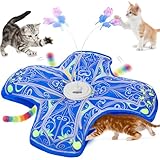
- Top-Tier Dual Interactive Fun: Qraxond's new indoor cat toy has dual motors, controlling random rotation of butterfly and plush tail swing rod accessories, bringing fun, exciting play for kittens and adult cats. Hide-and-Seek: The animal tail-shaped plush hides under the cover cloth, rotating irregularly to appear/disappear, creating a hide-and-seek game. It mimics real prey, bringing unpredictable chases to stimulate the cat's brain and senses. Irregular Rotating Butterfly: The top has an auto-rotating butterfly that rotates, pauses or swings to simulate real flight, keeping the cat engaged. Various interactions ensure the cat gets enough exercise to avoid obesity
- 3 Adjustable Speed Modes: Customize the excitement with separate buttons for the butterfly and tail. Choose from 3 settings: Steady (Blue Light), Active (Purple Light), and Random (Yellow Light). Suitable for high-energy cats to burn off steam or for calm cats to enjoy gentle play. Keep your feline entertained and prevent boredom, especially when they are home alone
- Touch-Sensitive Activation: Your Cat's in Control! With smart touch-sensor technology, just tap the device to fire up the fun mode, it will kick off a 5-minute automatic play session instantly. Right after the play session ends, it switches directly to touch-sensitive standby mode, where the purple indicator light flashes every 20 seconds. Simply tap again to reactivate it for another 5-minute cycle. This smart loop ensures your cat gets sufficient exercise and prevents overstimulation
- Large Rechargeable Battery: Enjoy long-lasting play with the built-in 2500mAh battery. It charges fully in just 2.5 hours via the included USB cable (use a 5V adapter only). The efficient auto on/off cycle extends battery life, making it convenient for busy pet owners while ensuring your cat gets healthy, moderate exercise
- Realistic Bird Chirping: Elevate the hunt with lifelike sound. The built-in speaker emits authentic bird chirps to attract your cat's attention and stimulate their prey drive. Combined with the random motions of the butterfly and tail, it creates an irresistible and engaging play experience that keeps your cat happily chasing even when they're by themselves
How to build a welfare-focused indoor setup
- Map the home from the cat’s viewpoint. Identify quiet resting sites, high places, narrow routes, noisy appliances, doors that may trap a cat and areas where another pet could block access. Make at least one retreat available in the rooms the cat uses most.
- Spread resources instead of clustering them. Put feeding, water, scratching, resting and toileting stations in separate, easy-to-reach locations. In a multi-cat household, create alternatives so one cat cannot control every essential resource.
- Create a movement loop. Connect floor space with furniture, shelves, perches and hiding places. Ensure the route has more than one exit where possible, particularly if cats have different relationships.
- Schedule interactive activity. Use several brief play periods rather than relying on one toy left on the floor. Match the pace to the cat’s age and physical ability, and allow a successful “catch” at the end.
- Add foraging gradually. Begin with visible, easy-to-reach food puzzles or hiding spots. Observe whether the cat is engaged, frustrated or unable to access the food, then adjust the design.
- Protect sleep and recovery. Keep a quiet refuge available during visitors, cleaning, construction or household conflict. Do not wake a sleeping cat for attention.
- Review the arrangement after changes. A new baby, pet, furniture layout or work schedule can alter traffic and access. Recheck whether the cat still reaches every resource without intimidation.
These steps apply to kittens, adults and seniors, but the details should be adapted. A senior cat may need lower, easier routes and nonslip surfaces; a cat with pain or sensory impairment may need veterinary assessment before adding challenging climbing structures.
Independent reader supportYour contribution helps us test, update, and keep practical guides available for everyone.Providing outdoor stimulation with less exposure
Controlled outdoor access can combine enrichment with greater oversight. The AAFP identifies options such as a secure enclosure, cat-safe fencing or supervised harness walks. Review the AAFP discussion of controlled access.
Enclosures and cat-proof boundaries
An enclosure should prevent escape, provide shade and weather protection, include elevated resting and scratching surfaces, and allow the cat to return indoors if possible. Inspect mesh, doors and roof edges regularly; small gaps and damaged fasteners can become escape routes. Place the structure away from hazards such as treated plants, standing water, machinery and areas where unfamiliar animals can make direct contact.
The Tool Desk
Outbyte Driver Updater FREEFix the driver behind crashes, sound loss and screen glitchesFind Drivers →Outbyte PC Repair FREERepair Windows errors before they cause bigger problemsFix Now →Supervised harness walks
Harness training is a gradual behavior program, not a way to restrain an unwilling cat. Introduce the harness indoors for brief, reward-based sessions. Only proceed outside when the cat moves normally and shows relaxed body language. Choose a quiet, enclosed location, keep the lead attached to a properly fitted harness rather than a collar, and allow the cat to retreat. Stop if the cat freezes, thrashes, pants or repeatedly tries to escape.
Best Value

- Ball Cat Toy: Multi-level cat toy with 3 tiers and 6 spinning balls—keeps indoor cats active, curious, and entertained
- Enrichment: Encourages batting, swatting, and chasing to satisfy hunting instincts and enhance everyday enrichment
- Durable & Safe: Sturdy, non-slip base and a secure safety bar for hours of safe independent play
- Feline Favorite: Designed for older kittens and adult cats alike; great for multi-cat homes or gifting; not recommended for kittens under 12 weeks
- Expandable: Enjoy on its own or pair with Catstages Topper Toys (sold separately) for even more interactive chaos
Managing free outdoor access
If a cat roams, reduce avoidable exposure by discussing vaccination, parasite prevention, identification and sterilization with a veterinarian. Keep an indoor refuge available and establish a routine for meals and check-ins. Learn local hazards, including traffic patterns, wildlife, toxic chemicals and communal areas where fights occur. The 2021 AAHA/AAFP lifestyle risk assessment summarizes possible benefits and risks associated with partial outdoor access. Read the lifestyle risk assessment.
How to tell whether the environment is working
Look for patterns over time rather than judging one quiet day. Useful observations include whether the cat eats and drinks normally, rests comfortably, grooms, plays, uses toileting areas consistently, explores voluntarily and can disengage from people or other pets. A cat that hides constantly, guards resources, avoids parts of the home, vocalizes persistently or shows repeated conflict may be telling you that access, predictability or social pressure needs attention.
Change one factor at a time when practical, such as moving a litter area out of a corridor or adding a second elevated resting place. Record what changed and what happened next. This makes it easier to identify whether a resource, location, schedule or relationship is driving the problem.
Crashes, No Sound, or Screen Glitches?
Random freezes, missing sound and display glitches usually trace back to one bad driver. Find and replace yours safely.Free scan · under a minutePC Slower Than It Used to Be?
A free scan shows the junk files, broken settings and background clutter dragging Windows down - then fixes them in one click.Free scan · Windows 10 & 11Sudden elimination changes, aggression, withdrawal, appetite loss, excessive grooming or altered movement can have medical causes. Environmental adjustments should not replace an examination; arrange veterinary evaluation for abrupt or persistent changes. The 2021 AAHA/AAFP behavior and environmental-needs guidance covers resource placement and behavior across life stages. See the behavior and environmental-needs guidance.
Choosing the right lifestyle for an individual cat
Use these questions as a decision framework:
- What does the cat seek? Does it enjoy exploration, retreat, climbing, interaction or quiet observation? Preferences shown consistently are more useful than assumptions based on breed or age alone.
- What hazards are present? Consider roads, predators, infectious exposure, parasites, toxins, extreme weather and conflict with people or animals.
- Can access be controlled? A secure enclosure or supervised outing may provide stimulation without the full exposure of roaming.
- Can the home meet all needs? Indoor living works best when the cat has safe havens, separated resources, movement, play, foraging and social choice.
- What does health require? Medical conditions, disability, age and medication schedules may make a stable indoor routine preferable or require modified access.
- Can the plan be changed? Treat lifestyle as adjustable. If a cat becomes distressed, injured or chronically under-stimulated, reassess the environment with veterinary guidance.
The practical answer is not “inside is always best” or “outside is always best.” A cat’s surroundings should provide control, safety, resources and outlets for normal behavior. Indoor-only homes must be actively enriched; outdoor access must be actively managed. When those conditions are met, the lifestyle is serving the cat rather than defining it.
Quick Recap
Product prices and availability are accurate as of the date/time indicated and are subject to change. Any price and availability information displayed on Amazon at the time of purchase will apply.





Leave a Reply