
Recommended Free Tools
Some links on this page are affiliate links: if you buy through them we may earn a commission, at no extra cost to you.
Healthy cats can enjoy a few carefully prepared human foods, but these are treats—not substitutes for complete cat food. The safest choices are tiny portions of plain, fully cooked meat, fish or egg, plus a few unseasoned fruits and vegetables. Keep all treats within Cornell Feline Health Center’s general limit of 10 to 15 percent of daily calories, and ask your veterinarian before sharing food with a cat who has a medical condition, food allergy or prescription diet.
What human foods can cats eat?
For an otherwise healthy cat, nine reasonable occasional options are plain cooked chicken, plain cooked turkey, cooked fish, cooked egg, plain pumpkin, blueberries, melon, carrots and green beans. Sweet potato is another conservative option, but offering nine foods does not mean every cat should receive all nine. Cats are obligate carnivores: their nutritionally complete diet should provide the nutrients and calories they need, while plant foods are optional tastes rather than requirements.
As an Amazon Associate I earn from qualifying purchases.
Quick wins for a faster PC:
Fix the driver behind crashes, sound loss and screen glitchesFind Drivers →Repair Windows errors before they cause bigger problemsFix Now →| Food | Safe form | What to avoid |
|---|---|---|
| Chicken | Fully cooked, boneless, skinless and plain | Raw meat, bones, skin, seasoning, sauces and fatty scraps |
| Turkey | Fully cooked, boneless, skinless and plain | Gravy, butter, salt, spices, garlic, onion and rich holiday leftovers |
| Fish | Plain, fully cooked flesh with every bone removed | Raw fish, bones, seasoned fish and routine servings of human canned fish |
| Egg | Boiled or scrambled until fully cooked, with no additions | Raw or undercooked egg, butter, oil, salt and seasoning |
| Pumpkin | Plain cooked pumpkin or unsweetened puree | Pumpkin-pie filling, sugar, spices and rich toppings |
| Blueberries | Washed, plain and offered in a small amount | Syrup, sweetened preparations and large portions |
| Melon | Plain flesh in a small bite; remove rind and seeds from watermelon | Rind, seeds, sweetened melon and large pieces |
| Carrot | Plain, preferably softened or cooked, in a small bite | Raw hard chunks, butter, salt, sauces and seasoning |
| Green beans | Plain and cut into small pieces | Butter, salt, sauces, onion, garlic and casseroles |
This list reflects cat-focused guidance from Royal Canin and conservative pet-treat guidance from the American Animal Hospital Association. The produce suggestions are not a claim that vegetables are necessary for cats or suitable for every individual.
Rules that make a human-food snack safer
Keep the complete diet in charge
Treats can displace balanced food, add calories and upset a cat’s nutrient intake. Cornell’s exact rule of thumb is: “A good rule of thumb is not to let treats exceed 10 to 15 percent of a cat’s daily caloric intake.” That is a ceiling, not a target. A cat eating a therapeutic or calorie-controlled diet may have a lower practical allowance. Your veterinarian or the food manufacturer can help translate the cat’s daily calorie plan into a treat budget.
Popular on Amazon

- 【Large Value Pack】:IFELLO PET Cat Treats only fit for a cat over 8 weeks. It is Up to 83% natural moisture. 15g Each Chicken Mix 12 Tubes,providing plenty of opportunities for daily rewards and special bonding time with your cat
- 【3 Healthy & Delicious Cat Treats】: They are Chicken, Chicken & Salmon, Chicken & Tuna 3 Favors. Nutritionally complete & balanced fit for cats over 8 weeks post - weaning for an irresistible cat snack or puree cat treat your feline will love
- 【No Harmful Ingredients】:Spoil your IFELLO PET friend with a high quality Cat Treat that’s Grain-Free, NO added fillers or by-products, and NO added preservatives
- 【Healthy & Delicious Cat Treats】: These lickable cat treats are nutritionally complete & balanced for adult cats for an irresistible cat snack or puree cat treat your feline will love
- 【Hydrating Cat Treats】: IFELLO PETSqueeze Up Cat Treats Help keep your cat hydrated with a cat treats lickable that’s rich in moisture to support daily hydration.Please refrigerate any unused portion and use within 24 hours after opening
Cook animal foods thoroughly
Serve chicken, turkey, fish and egg fully cooked. Cornell Feline Health Center states: “Although raw meat is an excellent source of many nutrients, it is not recommended as a food or a treat for cats, because it is a potential vehicle for toxoplasmosis and other infectious diseases.” The American Veterinary Medical Association also discourages raw or undercooked meat, poultry, fish, eggs and milk for cats and dogs because of illness risks. Do not use a raw-food snack as an exception to this rule.
Plain means genuinely plain
Set aside a bite before adding salt, pepper, spice blends, marinades, gravy, butter or oil. Never season a cat’s portion with onion or garlic. Remove poultry skin, visible fat and every bone. Bones can injure the mouth or digestive tract, and rich, fatty scraps can raise the risk of gastrointestinal upset and pancreatitis. Let cooked food cool, check it for hard fragments, and cut it into a size the cat can manage.
Introduce one food at a time
Offer a tiny taste when your cat is otherwise well, then watch for vomiting, diarrhea, itching, swelling, unusual lethargy or refusal of normal meals. Do not introduce several new foods on the same day; if a reaction occurs, you will not know which item caused it. Stop the new food and call a veterinarian if signs are severe, persistent or accompanied by breathing difficulty.
The nine safer choices, one by one
1. Plain cooked chicken
Chicken is usually easiest to use when you reserve a small piece from a plainly cooked breast or thigh before seasoning the human meal. Remove skin, bones and visible fat, then shred or mince the meat. Roasted chicken with garlic rub, fried chicken, deli chicken, rotisserie seasoning and chicken in gravy do not meet the plain-food requirement. Chicken is an optional treat; it does not replace a complete cat diet.
Also popular on Amazon
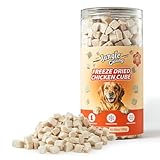
- PREMIUM QUALITY FREEZE DRIED CHICKEN: Selected high quality chicken is vacuum freeze-dried at ultra-low temperature to maintain the nutrition and taste
- GRAIN-FREE & ADDITIVE-FREE: We insist on simple, clean, wholesome snacks for pets, freeze dried chicken cat and dog treats contain no grains, gluten or additives
- 80% HIGH PROTEIN FOR OPTIMAL DIGESTION: With a protein content of over 80%, freeze dried chicken cubes for cats and dogs are easy to digest and absorb, making them a good choice for pets with sensitive stomachs. These freeze dried chicken pet treats are also great for other small animals and can be used as supplemental turtle food
- MULTIPLE FEEDING METHODS: Pet owners are encouraged to innovate multiple feeding methods for freeze dried chicken cat and dog treats, for example, feeding directly as an interactive reward during pet training, mixing with pet food to appetize pets when they loss their appetite, and dipping in drinking water to guide pets to drink more water
- CONVENIENT & PORTABLE: Packaged in large-capacity jars, freeze dried cat and dog treats are easy to feed and store. The jars can also be recycled for storage
2. Plain cooked turkey
Offer unseasoned, fully cooked turkey with the skin and bones removed. This can be a small piece of plain meat rather than a serving from a holiday plate. Avoid turkey covered in gravy, butter or pan drippings, and avoid stuffing or casseroles because they may contain onion, garlic, high fat or other ingredients that are unsafe for cats. The American Animal Hospital Association and AVMA both emphasize plain turkey rather than rich holiday leftovers.
3. Cooked fish
Use plain cooked fish flesh only after carefully removing bones. Steam, bake or poach it without oil, salt or sauce. Fish should remain an occasional taste, not a daily staple. Cornell cautions that human canned fish products are not a sound routine snack; they may be formulated for people rather than cats and can encourage an unbalanced diet. Never offer raw fish or a seasoned fish dish.
Free tools Windows power users keep installed
One-click scans. No signup required.
4. Fully cooked egg
A little plain boiled or scrambled egg can be offered once it has cooked completely. Do not add butter, oil, cheese, salt or seasoning. Raw or undercooked egg is not an appropriate cat treat, both because of food-safety concerns and because a raw preparation is harder to control safely. Remove any shell fragments before serving.
5. Plain pumpkin
Choose plain cooked pumpkin or pumpkin puree with no sugar or spices. Pumpkin-pie filling is different: it can contain sugar, concentrated sweeteners and spices, so it is not the same ingredient. Offer only a small taste unless your veterinarian gives a specific amount for a medical reason. Pumpkin is not a home treatment for diarrhea, constipation or any other illness; changes in stool or appetite warrant veterinary advice rather than escalating the portion.
Also popular on Amazon

- Compare to feline Greenies: Minties cat teeth cleaning treats are an affordable alternative with no wheat, corn, soy or artificial flavors
- Cat snacks that clean teeth: Minties Dental Treats for Cats are an easy way to help control plaque and tartar buildup. These dental cat treats will freshen your cat’s breath.
- Freshens breath: Minties Dental Treats are tasty cat teeth cleaning and cat breath freshener treats which contain a natural breath freshener that combats bad breath at its source and promotes cat dental care
- Cat dental treats they'll love to eat: High in protein and have a crunchy texture that cats go crazy for, making them the preferred choice among your cat supplies at treat time
- Made in the USA: These crunchy cat treats are proudly made in the USA and designed for all cat sizes
6. Blueberries
Wash a blueberry, offer it plain and start with a small amount. Crush or cut it if your cat struggles with larger pieces. Do not use blueberry pie filling, syrup, sweetened yogurt or other prepared desserts. Some cats will ignore berries, and that is normal; there is no nutritional need to persuade a cat to eat them.
7. Melon
Plain melon flesh can be a rare, small treat for a cat that likes its texture. With watermelon, remove both the rind and seeds before cutting a soft bite. Do not offer sweetened melon, fruit salad in syrup or a large quantity, since fruit contributes sugar and can cause digestive upset. Discontinue it if your cat develops loose stool or vomits.
8. Carrot
Carrot is safest as a plain, softened or cooked piece that is small enough to chew easily. Raw hard chunks can be difficult for some cats to bite and may present a choking hazard. Leave out butter, salt, glaze, seasoning and mixed dishes such as casseroles. A cat that prefers meat does not need to eat carrot for the snack to be worthwhile.
9. Green beans
Offer plain green beans in small pieces, either cooked until tender or served in a texture your cat can safely manage. Buttered beans, salted beans, green-bean casserole and beans cooked with onion or garlic are not suitable. Treat green beans as an occasional taste, not as a way to bulk out a cat’s diet without veterinary direction.
Also popular on Amazon
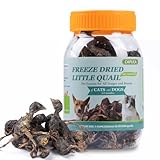
- Freeze Dried Quail : Natural Made by 100 % premium little quail. Freeze dried quail for cats,the freeze-drying process removes moisture from the quail, it's free of any corn and soy
- Grain-Free and Additive-Free : Our freeze dried cat treats contain no grains or additives;The freeze-drying technology ensures that only 95 % of the moisture is removed,preserving the complete nutritional content of the little quails
- Various Feeding Methods : freeze dried cat food also can be given as a standalone treat, mixed pet's food for added flavor and nutritional benefits, or used as a training high-protein rewards treats
- Power Of Raw Ingredients : Our quail is not only cat treats but also dog training treats, It is made with the pure real nutrition of raw. it is natural, made from real quail and whole food ingredients, protein packed and minimally processed
- Portable Jar : The lid is easy to close and reserve, it can keep away from moisture with double sealing and easy to take anywhere you want to take your pet to feed
Human foods cats should not eat
The safe list is deliberately limited because recipes and ingredients vary. Cornell’s feline-hazard guidance identifies grapes, raisins, onions, avocados, foods containing xylitol and chocolate as toxic concerns for cats. The American Animal Hospital Association also warns about garlic, alcohol and high-fat scraps. These hazards can appear in foods that look harmless, including sauces, baked goods, stuffing, marinades, desserts and leftovers.
| Food or ingredient | Why it belongs off the menu | Common hidden sources |
|---|---|---|
| Grapes and raisins | Recognized toxic-food concern | Trail mix, breads, cookies and fruit dishes |
| Onion and garlic | Unsafe alliums that may be concentrated in cooked foods and seasonings | Gravy, stuffing, broth, sauces and spice blends |
| Chocolate | Toxic ingredient | Candy, cake, brownies, cocoa and desserts |
| Xylitol | Sweetener of concern | Some sugar-free sweets, gum, baked goods and oral-care products |
| Avocado | Listed by Cornell among foods to avoid | Guacamole, spreads and salads |
| Alcohol | Unsafe for pets | Drinks, alcohol-containing desserts and fermented mixtures |
| High-fat scraps | Can trigger digestive upset and increase pancreatitis risk | Skin, drippings, gravy, fried foods and fatty meat trimmings |
This is not an exhaustive poison list. A packaged product can contain several risky ingredients, so read the label rather than judging by the food’s main name.
The Tool Desk
Outbyte Driver Updater FREEScan for outdated or missing drivers - takes under a minuteDriver Scan →Outbyte PC Repair FREEClear out junk files and repair common Windows errorsFree Scan →What to do after a potentially toxic bite
- Remove the food and keep the package, ingredient list or recipe so a veterinarian can identify what and how much was eaten.
- Contact your veterinarian promptly, even if your cat appears normal. If your regular clinic is closed, use an emergency veterinary service.
- Do not induce vomiting or give a home “detox” remedy unless a veterinary professional specifically instructs you to do so.
- Follow the veterinarian’s monitoring or examination plan and report vomiting, diarrhea, weakness, tremors, breathing changes, seizures or any other new sign immediately.
When a safe food still may be the wrong choice
Cats with medical diets
A cat being treated for kidney disease, diabetes, urinary disease, digestive disease or another condition may need a tightly controlled diet. Even a plain food from the safe list can alter calories, minerals or medication timing. Get approval from the prescribing veterinarian before adding snacks.
Cats with allergies or sensitive digestion
A new protein can complicate an elimination diet, and a rich bite can trigger diarrhea in a cat with a sensitive stomach. Keep a simple record of new foods and symptoms. If your cat has reacted to an ingredient before, do not re-test it at home without veterinary guidance.
Kittens, older cats and overweight cats
Growing kittens need food formulated for growth, while older or overweight cats may have narrower calorie margins. Use the complete diet as the nutritional foundation and ask for an individualized treat allowance rather than copying another cat’s portion.
A practical sharing routine
- Check that your cat is healthy enough for an extra and that no veterinarian has prohibited unapproved foods.
- Choose one item from the table and prepare it without seasoning, sauces, added fat, skin or bones.
- Give a very small bite, then wait and observe instead of offering a handful.
- Count the calories as part of the day’s treats and keep the total within the 10 to 15 percent general upper guideline.
- Keep the cat’s normal complete food and fresh water available; never let human food replace a meal.
Some cats will prefer chicken or turkey, some will accept a crumb of egg, and many will reject fruit or vegetables. Acceptance is not a measure of nutritional quality. The safest snack is the one that is plain, fully cooked when applicable, offered sparingly and compatible with your cat’s individual veterinary needs.
What’s actually slowing this PC down?
Pick the symptom - the matching free tool is one click away.





Leave a Reply