Recommended Free Tools
Hydrocephalus in dogs is abnormal CSF accumulation or flow within the brain’s ventricles. It can be serious, but a scan showing enlarged ventricles does not automatically mean a dog has symptomatic hydrocephalus. Veterinary examination, neurologic findings, and appropriate imaging determine whether the finding is clinically important and whether monitoring, medication, or VP shunt surgery is appropriate.
Hydrocephalus in dogs can be serious, but enlarged brain ventricles on a scan do not automatically mean a dog has clinically important hydrocephalus. Ventriculomegaly is the imaging description for enlarged ventricles. Hydrocephalus implies that abnormal cerebrospinal fluid (CSF) flow or handling is producing pressure effects, brain changes, or neurologic dysfunction. The distinction requires a veterinary examination and interpretation of the imaging in context.
As an Amazon Associate I earn from qualifying purchases.
What is hydrocephalus in dogs?
Hydrocephalus is an abnormal accumulation or increased volume of CSF within the brain’s ventricular system. CSF normally circulates through the brain and spinal cord and is eventually returned to the bloodstream. If its flow is blocked, or if the communicating spaces do not handle it normally, fluid can accumulate and the ventricles may expand.
#1 Best Overall

- 8-in-1 Formula - Zesty Paws Multifunctional Bites are functional supplement chews with premium ingredients that support physical performance, antioxidants, hip & joint, heart, immune, skin, liver, & gut health for dogs of all ages, breeds, and sizes.
- Skin Health & Antioxidants – For animals with sensitive skin, this formula contains Cod Liver Fish Oil and Vitamin E to help maintain normal moisture and CoQ10 to help reduce oxidative stress.
- Hip, Joint & Performance Support - Each dog chew features OptiMSM, a premium form of MSM for muscular support, which works synergistically with the Glucosamine HCl and Chondroitin Sulfate in these chews for hip and joint support plus Cod Liver Oil and B-Complex Vitamins support normal physical performance.
- Gut Health & Probiotics - These chews also contain a six-strain Gut Health Blend (500 million cfu per chew) and a Digestive Health Blend to promote gut flora while supporting normal bowel function for dogs.
- Heart, Liver & Immune Health - Multifunctional Bites feature powerful antioxidants, premium CoQ10, Cod Liver Oil and Vitamins A, C, & E to promote healthy cardiovascular function, support liver health and enhance immune response.
Two broad patterns are commonly described:
- Noncommunicating, or obstructive, hydrocephalus: CSF flow is blocked within or between the ventricular pathways. Developmental abnormalities, inflammation, blood products, adhesions, tumors, or other structural problems can cause an obstruction.
- Communicating hydrocephalus: CSF can leave the ventricular system but is not adequately absorbed or handled in the spaces around the brain.
As the ventricles expand, they can compress or stretch surrounding brain tissue. Clinically affected dogs may develop signs of forebrain dysfunction, including seizures, altered behavior, reduced awareness, and problems with vision or coordination. Severe or prolonged disease can cause tissue injury that may not be completely reversible, which is one reason early assessment is important.
Hydrocephalus versus ventriculomegaly
This is the most important distinction for owners reading a CT or MRI report. Ventriculomegaly describes enlarged ventricles; it does not, by itself, prove that the dog has symptomatic hydrocephalus.
Some dogs, particularly certain brachycephalic dogs, can have relatively large ventricles without obvious neurologic dysfunction. Breed and head shape can influence the appearance of the brain, so ventricle size alone is an imperfect way to decide whether pressure is clinically important. A dog with incidental ventriculomegaly and a normal neurologic examination is not equivalent to a puppy with progressive signs and imaging evidence of pressure-related brain changes.
What’s actually slowing this PC down?
Pick the symptom - the matching free tool is one click away.
Veterinarians and veterinary neurologists consider the entire picture: the dog’s history, neurologic examination, progression of signs, cause, and several imaging features. In a study of 67 dogs, clinically relevant hydrocephalus was associated with a combination of findings such as:
- A higher ventricle-brain index.
- Elevation of the corpus callosum.
- Flattening of the interthalamic adhesion.
- Periventricular edema.
- Dilation of the olfactory recesses.
- Thinning of the cortical sulci or subarachnoid space.
- Changes near the caudate nucleus.
That study proposed a ventricle-brain index of 0.6 as one discriminator in its study population. It should not be treated as a universal, stand-alone diagnostic cutoff. A scan must be interpreted alongside the dog’s symptoms and examination.
What causes hydrocephalus in dogs?
Hydrocephalus may be congenital or developmental, or it may develop later because of another disease.
Congenital and developmental causes
Congenital or developmental hydrocephalus is often recognized in puppies. Abnormal development of the pathways that carry CSF can interfere with its circulation. Other mechanisms associated with obstructive hydrocephalus include inflammation around the time of birth, intraventricular bleeding, and adhesions that narrow or block normal CSF pathways.
Quick wins for a faster PC:
Fix the driver behind crashes, sound loss and screen glitchesFind Drivers →Repair Windows errors before they cause bigger problemsFix Now →Toy breeds and brachycephalic breeds are frequently discussed in connection with congenital hydrocephalus. A puppy’s breed, small size, domed head, or persistent fontanelle may raise suspicion, but none of these findings establishes the diagnosis. Brachycephalic dogs in particular may have enlarged ventricles without clinically important hydrocephalus.
Acquired causes
Hydrocephalus can also occur at any age as a consequence of an acquired problem, including:
Rank #2

- Dog multivitamins chewable for skin & coat : Dog multivitamin is rich in Omega-3 fatty acids and vitamin E,which can relieve skin allergies,dryness,itching and other problems.Multivitamin for dogs nourishes skin follicles.Long-term consumption of dog vitamins multivitamin can make dog hair stronger and smoother,and reduce coat loss.The COQ10 in dog multivitamin chewable can resist oxidation and delay cell aging.Dogs with skin injuries can eat dog vitamins and supplements to promote wound healing
- Dog multivitamin relieves joint inflammation: Dog vitamins for hip and joint can supplement high-quality MSM, glucosamine, and chondroitin sulfate to promote cartilage development and repair. Long-term consumption of dog multivitamins chewable can enhance the elasticity and toughness of joint cartilage, improve joint flexibility, and move more freely. Dog multivitamin chews can reduce joint friction and relieve joint pain. Dog vitamins and supplements can prevent and improve dog joint problems
- Dog multivitamin chews are good for the gut: Vet-endorsed formula dog vitamins and supplements made from natural ingredients.Dog vitamins multivitamin chewables contain a rich blend of probiotics to support intestinal and digestive health.Dog vitamins for small dogs can regulate the balance of intestinal flora,help calcium absorption,and promote bone development.Dog multivitamins chewables improve energy metabolism,converting food into energy, making dogs more energetic in their daily activities
- Dog multivitamin chews protect overall health:Senior dog vitamins and supplements help improve blood circulation and prevent cardiovascular disease.Dog multivitamins chewable support normal liver function,promote liver detoxification,and improve negative mood.For dog with heart problems and older dog,taking dog vitamins and supplements in moderation is an auxiliary health care measure.Dog vitamins multivitamin helps enhance white blood cell activity,improve immunity,prevent infection and disease
- Dog multivitamins chewable promote brain development: The DHA in krill oil in multivitamin for dogs is an important component of the brain and retina. Dog vitamins and supplements can improve dog cognitive ability. When training puppies to learn basic commands, puppies who are properly supplemented with dog vitamins multivitamin will behave more intelligently and improve memory.Dog supplements & vitamins can prevent and relieve eye problems such as dry eyes and tear stains, and keep eyes healthy
- Inflammatory disease affecting the brain or its surrounding tissues.
- Hemorrhage or blood products within the ventricular system.
- Tumors or other masses that obstruct CSF flow.
- Trauma.
- Other structural abnormalities that interfere with CSF circulation or absorption.
Identifying the cause matters because treatment may need to address more than the fluid accumulation. For example, a dog with inflammation, hemorrhage, or a mass may need a different diagnostic and treatment plan from a puppy with a developmental obstruction.
Symptoms of hydrocephalus in dogs
Signs vary according to the dog’s age, the cause, the location of the problem, how quickly it developed, and how much brain tissue is affected. Possible signs include:
Free tools Windows power users keep installed
One-click scans. No signup required.
- A dome-shaped or enlarged skull in a puppy.
- A persistent or open fontanelle.
- Ventrolateral strabismus, in which the eyes deviate outward and downward.
- A downward-looking or setting-sun appearance of the eyes.
- Seizures.
- Lethargy, dullness, or reduced interaction.
- Altered mentation or awareness.
- Unusual behavior or difficulty learning and responding normally.
- Poor coordination, weakness, or difficulty walking.
- Vision problems.
- Failure to thrive or other neurologic abnormalities.
These signs are not specific to hydrocephalus. Seizures, gait changes, abnormal behavior, and vision problems can have many other causes. Conversely, some dogs with ventriculomegaly have no noticeable clinical signs. A head shape or scan finding should therefore prompt a proper assessment rather than a confident diagnosis.
When is a dog’s condition an emergency?
Contact an emergency veterinarian promptly if a dog has a seizure that is prolonged or repeated, collapses, becomes rapidly less responsive, develops severe disorientation, cannot stand or walk, or shows sudden worsening of another neurologic sign. These symptoms can reflect increased intracranial pressure or another urgent brain disorder, but only an examination can determine the cause.
A dog with stable, mild, or longstanding signs still needs a veterinary appointment, particularly if the signs are progressing. Waiting can allow an underlying inflammatory, hemorrhagic, or structural disease to worsen and may reduce the chance of reversing established brain injury.
How veterinarians diagnose hydrocephalus
Diagnosis is not based on one symptom or one measurement. A typical evaluation combines the following steps.
Do these 3 things before closing this tab:
1Fix the driver behind crashes, sound loss and screen glitches2Clear out junk files and repair common Windows errors3Scan for outdated or missing drivers - takes under a minute1. History and neurologic examination
The veterinarian will ask when the signs began, whether they are getting worse, and whether the dog has had seizures, changes in awareness, altered behavior, vision problems, or difficulty walking. The neurologic examination helps determine whether the pattern is consistent with forebrain dysfunction or suggests a different or more widespread problem.
In puppies, the physical examination may include assessment of skull shape, growth, fontanelle status, eye position, and overall development. An enlarged skull or open fontanelle can be a useful clue, but neither confirms hydrocephalus.
2. Imaging
Ultrasonography through an open fontanelle can sometimes demonstrate enlarged ventricles in a young puppy. It is less comprehensive than cross-sectional imaging and may not answer whether there is an obstruction, tissue injury, inflammation, hemorrhage, or another lesion.
Rank #3

- Joint Health Supplement for Dogs: Cosequin is the #1 vet recommended retail joint health supplement brand, supporting joint health in dogs for over 25 years
- Contains Glucosamine for Dogs: Cosequin contains glucosamine hydrochloride (FCHG49) and sodium chondroitin sulfate (TRH122), plus methylsulfonylmethane (MSM). This unique combination of ingredients supports healthy joints
- For Any Breed or Size: Whether you have a young or senior dog, a small or large breed, Cosequin helps support their joint health
- Tasty Chews for Daily Use: Cosequin comes in a tasty chewable tablet, making daily administration easy and convenient
- Exceptional Quality: Cosequin is backed by science, undergoing thorough quality inspections to ensure your dog receives a safe, high-quality product. It is manufactured in the United States with globally sourced ingredients
Computed tomography (CT) can show the size and shape of the ventricles and may identify some structural abnormalities, masses, hemorrhage, or changes affecting the skull and brain.
Magnetic resonance imaging (MRI) generally provides a more detailed assessment of brain tissue, CSF pathways, and pressure-related changes. It is especially valuable when the question is not simply whether the ventricles are large, but whether their enlargement is associated with clinically meaningful compression, edema, tissue injury, inflammation, hemorrhage, obstruction, or another disease.
Ask the veterinarian to explain not only the ventricle measurements but also whether the images show evidence of pressure effects or a cause that needs separate treatment.
3. Laboratory and targeted testing
Laboratory testing may be recommended to evaluate the dog’s general health and to look for evidence of an inflammatory or infectious process. When acquired hydrocephalus is suspected, the veterinarian may recommend targeted infectious or inflammatory investigations based on the dog’s history, examination, age, geography, and imaging.
Collection of CSF is not a routine test for every dog with enlarged ventricles. If intracranial pressure is increased, obtaining CSF can carry procedural risk. A veterinary neurologist must decide whether it is appropriate, what information it could provide, and whether imaging should come first.
The Tool Desk
Outbyte PC Repair FREEClear out junk files and repair common Windows errorsFree Scan →Outbyte Driver Updater FREEScan for outdated or missing drivers - takes under a minuteDriver Scan →How is hydrocephalus treated?
Treatment depends on whether the dog has clinically relevant hydrocephalus, what caused it, how severe and progressive the signs are, and whether brain injury is reversible. Options may include monitoring, medical management, treatment of an underlying disease, or surgery.
Monitoring may be appropriate in selected dogs
A dog with ventriculomegaly but no neurologic dysfunction may not need immediate surgery or medication. The veterinarian may recommend observation, repeat examinations, and reassessment if signs develop. The monitoring plan should be individualized rather than based on the scan alone.
Medical management
Veterinarians may consider medication when signs are mild, surgery is not immediately available, an underlying inflammatory process is suspected, or reducing CSF production may provide useful symptom control. Options described in veterinary references include:
- Omeprazole, sometimes used with a diuretic such as acetazolamide in an effort to reduce CSF production.
- Acetazolamide or another veterinarian-selected diuretic in appropriate cases.
- Prednisone in selected situations, according to the veterinarian’s assessment.
These are not universal protocols, and they are not instructions for owners to try at home. Drug choice and monitoring depend on the dog’s age, weight, hydration, kidney and gastrointestinal health, seizure management, suspected cause, other medications, and response to treatment. Never start, stop, combine, or change these drugs without direction from the treating veterinarian.
Rank #4
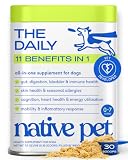
- 11-in-1 Daily Dog Vitamins, No Fillers: Simplify your dog's wellness routine to a single daily scoop. Native Pet's multivitamin for dogs is formulated with a Board-Certified Veterinary Nutritionist using quality ingredients and no artificial additives.
- Gut Health and Joint Comfort in Every Scoop: Probiotics support healthy digestion and stool quality for dogs prone to gut sensitivity, while glucosamine and collagen support joint comfort and everyday movement. With consistent daily use, your dog gets targeted nutritional support where it matters most. Consult your veterinarian before use if your dog is on medication or has an existing health condition
- Skin, Coat, Energy, and Beyond: Dull coat, dry skin, seasonal scratching - whether it's occasional dry patches or ongoing seasonal irritation, this formula delivers targeted daily nutrients to support healthy skin and a shiny coat. It also supports energy, heart health, and cognitive function to keep dogs engaged and alert. Ideal during seasonal changes or for aging dogs showing signs of slowing down; works for active breeds, seniors, and every dog in between
- Beef Bone Broth Flavor Dogs Enjoy: This beef bone broth-flavored powder mixes effortlessly into kibble, wet food, or raw meals as a simple food topper. Just 1 scoop daily provides a 30- to 120-day supply, depending on package size. Suitable for dogs of all breeds and life stages.
- Made in the USA, Clean Label You Can Trust: Native Pet dog supplements are made in the USA with high quality ingredients and no artificial additives. This minimally processed powder delivers higher active ingredient concentration, covering all 11 nutritional bases in a single daily scoop. Please Note: Packaging may vary due to design changes. Contents remain unchanged in quality and ingredients.
Medical treatment may lessen signs without correcting an obstruction or eliminating the underlying disease. If neurologic signs progress despite medication, the dog should be reassessed. Referral for advanced imaging or a veterinary neurology consultation may be appropriate.
Ventriculoperitoneal shunt surgery
A ventriculoperitoneal, or VP, shunt diverts CSF from a brain ventricle through a catheter and valve into the peritoneal cavity in the abdomen. The body can absorb the redirected fluid there. The goal is to reduce excessive ventricular pressure or volume and preserve or improve neurologic function.
Shunting may be considered for selected dogs with progressive neurologic signs, clinically relevant hydrocephalus, or an inadequate response to medical treatment. It is not automatically appropriate for every dog with large ventricles. The decision usually depends on the neurologic examination, imaging findings, suspected cause, severity and duration of signs, overall health, and access to a team experienced in veterinary neurosurgery.
Surgery can improve function, but it does not guarantee a cure or restore brain tissue that has already been permanently damaged. It may also require continuing monitoring and, in some cases, revision surgery.
What do studies show about shunt outcomes?
Published studies provide useful context but cannot predict an individual dog’s result. In a 14-dog case series, most dogs had substantial neurologic improvement after surgery. Four dogs developed postoperative complications, and median survival for the entire group was 320 days, with wide variation between patients.
In a prospective study of 45 dogs with communicating internal hydrocephalus, reduced ventricular volume after shunting was associated with resolution of at least one preoperative clinical sign. This supports a relationship between decompression and improvement in selected dogs, but it does not mean every sign will disappear or that every dog will respond.
Independent reader supportYour contribution helps us test, update, and keep practical guides available for everyone.Shunt complications and follow-up
Potential complications include:
- Obstruction of the shunt.
- Infection.
- Disconnection or kinking of the tubing.
- Under-drainage or over-drainage of CSF.
- Catheter migration or valve problems.
- Pain or abdominal complications.
A systematic review of dogs with idiopathic hydrocephalus found that complications were most likely during the first six months after shunt placement. This makes postoperative observation and scheduled follow-up particularly important, although complications can occur later as well.
After surgery, contact the veterinary team promptly about new or worsening seizures, reduced awareness, recurrent coordination problems, pain, fever, redness or discharge at an incision, vomiting, abdominal swelling, or any other neurologic decline. These signs can have several causes, so an examination and sometimes repeat imaging are needed to determine whether the shunt is obstructed, infected, draining incorrectly, or unrelated to the change.
PC Slower Than It Used to Be?
A free scan shows the junk files, broken settings and background clutter dragging Windows down - then fixes them in one click.Free scan · Windows 10 & 11Outdated Drivers Are Slowing You Down
One free scan finds every outdated or missing driver and matches the right update for your exact hardware.Free scan · exact hardware matchPrognosis for dogs with hydrocephalus
Prognosis ranges from guarded to favorable in carefully selected surgical patients and is poor in some dogs with severe congenital disease or extensive irreversible brain injury. Important factors include:
Best Value

- SKIN & COAT NOURISHMENT: Fish oil for dogs and cat like Wild Alaskan Salmon Oil provides omega-3 fatty acids, helping maintain a shiny coat and nourished skin
- OMEGA 3 HEALTH SUPPORT: Our omega 3 fish oil for dogs and cats is packed with EPA and DHA, supporting overall pet health, supporting the immune system, joints, and heart function
- EASY-TO-MIX FORMULA: Avoid capsules with this easy salmon oil for cats and dogs; simply add a few pumps to food for a nutritious boost
- NOURISHES SKIN: This cat and dog oil for skin and coat is gentle, making it a key part of cat and dog health supplies
- BOOST IMMUNE SYSTEM: Rich in omega 3, this cat and dog salmon oil not only supports skin and coat health but also strengthens immune function and overall well-being, fitting dog health needs
- The underlying cause and whether it can be treated.
- The dog’s age and general health.
- How severe and progressive the neurologic signs are.
- How long the brain has been under pressure.
- The degree of cortical or other brain-tissue injury.
- Response to medical management.
- Whether the dog is a suitable surgical candidate.
- Whether a shunt complication develops.
Published survival figures and improvement rates describe groups of dogs, not guarantees for one patient. A dog with incidental ventriculomegaly and no neurologic dysfunction may remain stable, while a puppy with progressive signs and pressure-related MRI changes may need urgent intervention. Your veterinarian or veterinary neurologist is best placed to explain the likely outcome after reviewing the examination and images together.
Questions to ask your veterinarian
- Does my dog have clinically relevant hydrocephalus, or ventriculomegaly without clear clinical significance?
- Could another disease explain the neurologic signs?
- Does the imaging show pressure-related changes, an obstruction, inflammation, hemorrhage, a tumor, or another lesion?
- Is MRI or CT the more useful next test for this dog?
- Is CSF testing safe and likely to change treatment decisions?
- What are the goals, expected benefits, and limitations of medical treatment?
- If a VP shunt is proposed, how often does this team perform the procedure?
- What follow-up examinations or imaging will be needed?
- Which postoperative signs require an immediate call or emergency visit?
- If the shunt fails or a complication occurs, what revision or alternative options are available?
Further reading for veterinary professionals
What owners should do next
- Arrange a veterinary examination for persistent neurologic signs or suspected hydrocephalus.
- Bring the timeline of signs, seizure details, medication list, and any prior imaging reports to the appointment.
- Ask whether advanced imaging is needed and what the scan shows beyond ventricle size.
- Do not begin or alter prescription medication without veterinary direction.
- If surgery is proposed, discuss goals, likely follow-up, complication signs, and revision options before making a decision.
- Seek urgent care for seizures, collapse, rapidly worsening awareness, inability to walk, or acute neurologic deterioration.
Frequently Asked Questions
Does a domed head or open fontanelle prove that a puppy has hydrocephalus?
No. A dome-shaped skull, persistent fontanelle, or large ventricles can raise suspicion, but none proves hydrocephalus. The diagnosis depends on the neurologic examination and appropriate imaging interpreted together.
Is ventriculomegaly the same thing as hydrocephalus?
Not necessarily. Ventriculomegaly means the ventricles are enlarged; some dogs have this finding without neurologic dysfunction. Hydrocephalus is more concerning when enlargement is associated with clinical signs, pressure-related changes, or an abnormality of CSF flow.
Can medication cure hydrocephalus in a dog?
Medication may reduce CSF production or control selected inflammatory or neurologic effects, but it is not a universal cure and may not correct an obstruction or other underlying disease. Treatment must be chosen and monitored by a veterinarian.
Does a VP shunt permanently cure hydrocephalus?
A VP shunt can substantially improve neurologic function in selected dogs, but recovery is not guaranteed. Existing brain injury may be permanent, and obstruction, infection, disconnection, kinking, over-drainage, under-drainage, and other complications can require further treatment.
What is the prognosis for a dog with hydrocephalus?
The outlook depends on the cause, severity and duration of signs, degree of brain injury, response to treatment, surgical suitability, and whether complications occur. Published study results describe groups of dogs and cannot guarantee an individual outcome.
The Bottom Line
The key point: hydrocephalus is a clinical and imaging diagnosis, not simply a phrase meaning that a dog has large ventricles. Symptoms, neurologic examination, the suspected cause, and pressure-related imaging changes determine whether treatment is needed. Some dogs can be monitored, some may receive carefully supervised medical management, and selected dogs may benefit from VP shunt surgery. Prompt veterinary assessment is especially important when signs are progressive or severe.
Quick Recap
Product prices and availability are accurate as of the date/time indicated and are subject to change. Any price and availability information displayed on Amazon at the time of purchase will apply.




