Free tools Windows power users keep installed
One-click scans. No signup required.
India’s only reported population of feral horses lives in Assam’s Dibru Saikhowa National Park. Floods and erosion reshape the grasslands and river sandbars they use, while domestic cattle and nearby human activity add pressure. A reported 2020 seizure of six horses from a truck raises a smuggling concern, but later allegations are disputed and the available records do not establish an ongoing rate of illegal removal.
Where are India’s feral horses?
The horses are reported in Dibru Saikhowa National Park, near Tinsukia in Assam. The park covers 340 square kilometres, according to a 2024 report by Scroll republishing reporting first published by Mongabay India. It became a reserve forest in 1890 and a national park in 1999.
As an Amazon Associate I earn from qualifying purchases.
They use grasslands and riverine sandbars, locally known as chaporis. The 2024 report, citing a 2021 study, says the horses used grassy river flats, forests and woodlands, generally within 5–6 kilometres of water. It names Churke Tapu, Arna Tapu, Kathalkuthi near Mieli Camp, and Kobu Chapori. That distance is a finding relayed from the study, not a current GPS survey.
Do these 3 things before closing this tab:
1Scan for outdated or missing drivers - takes under a minute2Clear out junk files and repair common Windows errors3Fix the driver behind crashes, sound loss and screen glitchesAre Dibru Saikhowa’s horses wild or feral?
They are described as feral: free-roaming horses descended from domesticated stock. “Feral” distinguishes them from a separate wild horse species; it does not establish the ancestry of this particular population. The horses’ lineage remains unresolved.
#1 Best Overall
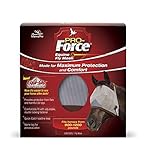
- MAXIMUM PROTECTION: Provides protection from flies and harmful UV rays
- DESIGNED FOR COMFORT: Comfortable fit with adjustable, double locking fastener and fleece-lined trim to prevent undesirable friction or rubbing
- MADE TO LAST: Made with strong, Clear View Vision mesh for durability
- EQUI-GLO NITE REFLECTOR: Makes it easy to see your horse in the dark
- HORSE SIZED: Fits horses from 900-1200 pounds
Where did the horses come from?
Several origin stories have circulated, but none is confirmed by genetic evidence or a documented scientific account. A 2024 report in The India Forum, also by Mongabay India reporter Nabarun Guha, records the competing explanations:
| Claim | Who has advanced it | What is established |
|---|---|---|
| Horses left behind after World War II | A frequently repeated local account | Tinsukia Wildlife Division Divisional Forest Officer K. N. Das said there was no written record supporting it. |
| Descendants of local cart horses used in the 1940s | Environmentalist Anwaruddin Choudhury | An attributed hypothesis; no confirming lineage study is reported. |
| Przewalski’s horse ancestry | Tourism operator and environmentalist Niranta Gohain | An attributed claim, not a scientifically confirmed origin. Gohain also called for genetic research. |
| Other or unresolved ancestry | Assam government affidavits summarized in a National Green Tribunal order dated May 9, 2025 | The tribunal record says there is no concrete scientific proof because adequate study has not been done. |
How many feral horses are left in Assam?
There is no standardized, current census in the sources available. The figures below come from different dates, scopes and methods, so they cannot be combined into a reliable population trend.
Rank #2
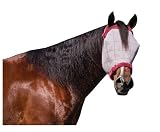
- Bug Eye Fly Mask Design with Plush Fleece Trim and Clear See-Through Mesh: Soft trim prevents rubbing while structured mesh of this fly and mosquito net mask delivers reliable eye protection for horses without obstructing vision
- Protect Your Horse's Eyes and Face from Flies, Debris, and UV: SuperMask II fly masks for horses without ears deliver extended face coverage, blocking flies, gnats, dust, dirt, debris, and harmful UV rays for reliable all-day protection
- Best Insect Netting for Daily Outdoor Use, Pasture Turnout, and Wet Conditions: Durable equine fly mask construction stands up to season-long wear in barns, pastures, and wet weather without compromising eye protection for horses
- Bug Netting for Horses in 5 Sizes without ears (Foal, Yearling, Small, Average Horse, and XL): Trim is available in 3 colors (Green, Maroon and Blue)
- Adjustable Throat Latch and Double-Latch Closure for a Secure Equine Fly Mask Fit: Sits under the jaw to deliver twice the staying power of ordinary horse fly masks' closures, even during pasture play with stablemates
| Figure | Date and scope | Method and qualification |
|---|---|---|
| About 400 | A count recalled by the Divisional Forest Officer roughly seven years before the 2024 report; the report does not specify the exact count date or area covered. | The count’s method is not stated in the report, so this is not a verified census figure. |
| 150–200 | Estimate quoted in the 2024 report. | Researcher Shamikhu Changmai’s field-study estimate, not presented as a formal census. |
| About 175–250 | Government estimate for the park’s core and buffer areas, summarized in the National Green Tribunal’s May 9, 2025 order. | An estimate in government affidavits recounted by the tribunal, not a new standardized count established by the order. |
Because the figures do not share a known date, geographic scope and counting method, they do not demonstrate a specific decline or establish how many horses are alive now.
What threatens the horses?
Floods and erosion change their habitat
Flooding is part of the river landscape, but reporting and the tribunal’s summary of officials’ observations describe its effects on horse habitat: grassland and forest vegetation can be submerged, erosion can carry silt and debris, and floodplains and sandbars shift. Researchers and officials have also cited flood-related mortality, loss of grazing ground and erosion as concerns. Researcher Shamikhu Changmai told the 2024 report, “Annual flood and erosion pose a severe threat to the horses.” The sources do not quantify how many horses are lost to floods or how much each habitat pressure affects population size.
Rank #3
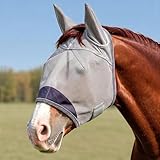
- Perfect horse protection: The masks offer superior protection against horse flies and other insects that can irritate horses and cause them to behave erratically. With these masks, horse owners can rest easy knowing their animals are protected.
- High-quality fabric: These masks are made using top-of-the-line materials that are designed for durability and long-lasting use. Even with daily wear, the masks will last for a long time.
- Perfect fit and adjustable: The masks are tailored to fit snugly around the horse's head for maximum comfort. Adjustable buckles make it easy to customize the fit for horses of different sizes.
- Breathable, cool, and lightweight: The masks are designed to keep horses cool and comfortable, even on hot summer days. They are also lightweight and won't weigh horses down as they move.
- Easy to clean and maintain: The masks are easy to clean and maintain, making them a convenient option for busy horse owners. Plus, they don't impair horses' vision, so they can see everything clearly while wearing them.
Cattle and human activity add pressure
Reporting identifies domestic cattle as competitors for grazing and nearby human activity as a pressure on the horses’ habitat. Those documented concerns fit within the broader issue of development and human use around the park, but the sources do not quantify urbanisation’s direct effect on horse numbers or separate it from other pressures.
Smuggling is a documented incident, not a measured ongoing rate
The 2024 reporting says six horses were recovered from a truck in 2020 and returned to the park. It also recounts local claims of occasional later smuggling. The serving Divisional Forest Officer said he had not heard of incidents during his tenure; the May 2025 tribunal order summarizes Assam authorities’ position that poaching had never been reported and that patrols took place in the park and buffer areas. Together, these accounts establish a reported seizure and disputed later allegations—not a verified current smuggling rate.
Rank #4

- Ultra Lightweight Design: This innovative, super-fit fly mask features stretchy ear mesh covers, crafted from ultra-soft, lightweight material. This ensures that the mask is gentle on your horse’s skin, providing comfort for prolonged wear.
- Enhanced Eye Space & Safety: The mask is expertly designed with large eye openings, coupled with a safe distance from the eyes, ensuring unobstructed vision and preventing any irritation. This feature allows your horse to see clearly without compromising on comfort or safety.
- Comfortable Fit: The soft, elastic fabric of this mask guarantees a snug fit and maximum comfort, making it ideal for extended use.
- Protection from UV Rays: Equip your horse with this premium-quality face cover to shield them from harsh sunlight and UV rays during the hot summer months.
- Elegant and Functional: This mask features a seamless, one-piece design without any hook-and-loop fasteners, making it easy to put on and remove, blending elegance with practicality.
Are the horses protected under the Wildlife (Protection) Act?
The May 9, 2025 National Green Tribunal order says government affidavits reported that the horses are not listed in the schedules of the Wildlife (Protection) Act, 1972. That is not the same as saying they have no protection: the order also recounts government submissions about authority to manage and protect the national park and restrictions on removing animals from it.
Quick wins for a faster PC:
Repair Windows errors before they cause bigger problemsFix Now →Fix the driver behind crashes, sound loss and screen glitchesFind Drivers →In Original Application No. 08/2025/EZ, previously O.A. No. 1372/2024/PB, the tribunal directed Assam’s Chief Wildlife Warden to take steps to protect the feral horses under Dibru-Saikhowa National Park’s management plans. It also directed the Ministry of Environment, Forest and Climate Change to consider the Chief Wildlife Warden’s request for a scientific study by the Wildlife Institute of India. The order calls for consideration of that request; it does not establish that the study was commissioned or completed.
Best Value

- Comfortable Material: Soft, coated nylon micromesh provides breathable protection, ensuring your horse stays comfortable and irritation-free throughout extended wear, even in warm weather
- Clear Vision: Patented three-hole cap design ensures an unobstructed view, allowing your horse to see clearly and naturally while being protected from flies and insects
- UV Protection: Blocks up to 70% of the sun's harmful ultraviolet rays, protecting your horse's sensitive eyes and skin from sunburn during sunny days
- Secure Fit: Designed to protect sensitive areas like eyes, lashes, and temples without causing discomfort or damaging the forelock, ensuring a snug and reliable fit
- Size Variety: Available in a full range of sizes to ensure a tailored fit
What remains unknown?
- The horses’ ancestry has not been scientifically confirmed.
- The available population figures are estimates from different dates and methods, not a comparable census series.
- The sources do not quantify mortality or population effects attributable to floods, erosion, cattle, human activity or illegal removal.
- The May 2025 order does not establish that a new census or Wildlife Institute of India study has been completed.
The 2024 Scroll/Mongabay India report provides the reported habitat details, population estimates and 2020 seizure account; The India Forum carries a detailed version of the same reporter’s article, not an independent investigation. The legal directions and government positions above are drawn from the National Green Tribunal’s May 9, 2025 order.
Quick Recap
Product prices and availability are accurate as of the date/time indicated and are subject to change. Any price and availability information displayed on Amazon at the time of purchase will apply.




