Free tools Windows power users keep installed
One-click scans. No signup required.
Yes, an Alaskan Klee Kai can live successfully in an apartment, but only when the household can provide consistent exercise, mental engagement, controlled outdoor time, and daily companionship. This is a small breed, not necessarily a low-demand one. The American Kennel Club (AKC) describes it as alert, energetic and curious, while the Alaskan Klee Kai Club of America describes medium-high energy and a need for regular physical and mental activity.
Noise deserves equal attention to floor space. AKC describes the breed as talkative and lists howling, grumbling, yodeling, purring and chirping among its vocalizations. Those are breed tendencies, not a guarantee that every dog will be loud. The available breed guidance gives no minimum apartment size, exercise-minute requirement, measured noise level or apartment success rate, so your building, schedule and the individual dog matter more than a square-foot number.
As an Amazon Associate I earn from qualifying purchases.
What makes an Alaskan Klee Kai suitable—or difficult—for apartment life?
Apartment suitability comes down to five practical questions: can you create regular activity without relying on a private yard, can you spend meaningful time with the dog, can you manage a curious and fast dog outdoors, can your building tolerate possible vocalizing, and does the individual dog settle appropriately indoors? The breed information supports evaluating those questions rather than assigning a simple yes or no based on size.
The AKC breed profile calls the Alaskan Klee Kai a small-sized companion dog that is alert, energetic and curious, and reserved with unfamiliar people and situations. The AKC temperament guide lists the breed as intelligent, vigilant, loyal, curious and talkative, and reserved with strangers. Read together, those descriptions suggest a dog that may enjoy close involvement with its household while still needing thoughtful introductions and supervision in shared spaces.
#1 Best Overall

- Engineered for Ultimate Strength: Constructed from 1/2 inch diameter rock climbing rope, this heavy duty dog leash is distinctively durable and strong. It is designed to withstand the strongest pulls from large and energetic dogs, giving you peace of mind that your pup won't break free during walks
- Comfortable Padded Handle: Say goodbye to rope burn. Our soft, cushioned foam handle provides an amazing grip and protects your hands from sudden tugs. Enjoy longer walks and extended training sessions with total comfort, even if your dog is a puller
- Maximum Nighttime Visibility: Highly reflective threads are woven through the entire length of the rope (not just painted on), keeping you and your fur baby visible to passing cars and cyclists during early morning jogs or late-night strolls. Perfect for urban streets and low-light environments
- Tangle-Free 360° Swivel: Featuring a heavy-duty metal clasp that rotates 360 degrees, this ensures the rope never gets twisted or tangled, no matter how much your dog moves around. The zinc alloy hook is rust-proof and easy to clip onto any dog collar or harness in seconds
- Versatile for Any Activity: Park walks, trail hikes, or yard training. Offers ideal balance of freedom and control. Comes in 4ft, 5ft, 6ft lengths and 12 colors. 3/8" diameter suits small to medium dogs – lightweight and non-bulky. For medium and large dogs, choose 1/2" diameter
The official AKC standard gives a height range of 12 to 17 inches at the withers. That confirms a relatively compact physical scale; it does not establish a required apartment floor area or prove that the dog will be content with little activity.
Space: what an apartment must provide
Size is useful, but it is not a floor-area formula
The 12-to-17-inch height range can make maneuvering around furniture easier than it would be with a large dog. However, neither the official standard nor the other cited breed guidance states a minimum number of square feet, room dimensions or a specific apartment layout. Do not convert height into an unsupported floor-space recommendation.
Instead, assess whether the home has enough clear, safe room for normal movement, a designated resting area, food and water placement, and separation when the dog needs quiet. A compact home can work if it is organized and the dog receives regular activity outside. A larger apartment can still be a poor fit if the dog is left without interaction or has no practical way to reach suitable walking routes.
Crashes, No Sound, or Screen Glitches?
Random freezes, missing sound and display glitches usually trace back to one bad driver. Find and replace yours safely.Free scan · under a minuteWindows Errors? Fix Them Before They Spread
Repair common Windows errors and clear accumulated junk for a smoother, more stable PC - no reinstall needed.Free scan · no reinstallShared-building details matter
Count more than the living-room area. Elevator or stair routines, narrow hallways, lobby traffic, nearby dogs, and the distance to a safe walking route all affect daily management. Because the breed club describes Alaskan Klee Kai as curious, clever, fast and sneaky, door control and a reliable exit routine are particularly important in a building where an open entrance can lead directly to a street or parking area.
- Use a secure entry routine so the dog cannot slip through an apartment door, lobby door or elevator opening.
- Keep walking equipment ready at the exit rather than improvising when the dog is excited.
- Provide an indoor rest zone away from the busiest foot traffic in the apartment.
- Check your lease and building rules for dog limits, noise provisions and requirements for common areas.
Exercise and mental engagement without a yard
What the breed club actually recommends
The Alaskan Klee Kai Club of America characterizes the breed as active with medium-high energy. Its guidance names daily walks or fetch as ways to provide exercise for dogs in urban settings and recommends activities shared with the owner that challenge the dog physically and mentally. It does not prescribe a breed-specific number of minutes, mileage or daily sessions.
Rank #2

- 【Professional Retractable Dog Leash】 The ultimate combination: 16 ft strong nylon reflective tape, impact-resistant ABS housing, and a stainless steel anti-chew cable. This design greatly reduces the risk of being bitten through, extending the leash’s lifespan. Augwind’s retractable leash is specifically designed for small to medium dogs under 50 lbs, offering the best value on the market
- 【Safe & Effective】16 ft Strong Reflective nylon webbing; Over 100,000 retraction times; Max anti-jerk tensile strength: 350 lbs; . Whether day or night, on the street or lawn, the Augwind retractable leash makes every walk safe and easy
- 【Quick Lock System】 Operate the pause, lock, and unlock buttons with a single thumb. Enjoy smooth braking and instant response. The Augwind retractable dog leash ensures the safety of both you and your pet on every outing
- 【2026 Equipment Upgrades】1. Reflective webbing 2. Chrome-plated, rust-proof 360° rotating clasp 3. Ergonomic soft silicone handle 4. Reserved slot for poop bag holder 5. Stainless steel anti-chew cable
- 【2-Year Warranty】 We are a professional pet products company committed to bringing the safest, most practical, and affordable pet products to pets and their owners. We promise to solve any quality issues within 2 years. We provide 24/7 after-sales service. If you have any questions, please feel free to contact us
That distinction matters: an apartment is not the exercise itself. It is the home base from which you must provide appropriate activity. Plan for regular outdoor walks, opportunities to play fetch where safe, and mentally engaging interaction. The right amount will vary with the individual dog, age, health, weather and behavior; the cited guidance does not supply a universal schedule.
Build a repeatable routine
A workable apartment plan usually assigns activity to predictable points in the day rather than hoping spare time appears. For example, you might schedule an outdoor walk before the household becomes busy, provide a short interactive play or training period later, and reserve another outing for the end of the day. This is a planning template, not a medical or breed-standard prescription. The test is whether you can maintain it on workdays, weekends and unpleasant-weather days.
Quick wins for a faster PC:
Clear out junk files and repair common Windows errorsFree Scan →Scan for outdated or missing drivers - takes under a minuteDriver Scan →Repair Windows errors before they cause bigger problemsFix Now →- Map the routes. Identify where you can walk on-leash from the building and where a secure fenced area is legally available.
- Choose indoor activities. Rotate safe games, simple training exercises and food-based enrichment so the dog has reasons to think as well as move.
- Schedule owner participation. The club says the breed is not suitable for people who cannot spend time with their dogs, so put interaction on the calendar rather than treating it as optional.
- Review the dog’s response. If the dog remains restless, repeatedly seeks stimulation or cannot settle after an otherwise appropriate routine, adjust the plan and seek qualified local help rather than assuming the apartment is automatically the cause.
Why mental activity belongs in the plan
The club specifically pairs physical and mental activity. In a home without a yard, that pairing can prevent the dog’s day from becoming a series of short toilet trips with no engagement. Training a calm doorway exit, practicing attention around hallway distractions, and rotating problem-solving games are practical ways to make owner-and-dog time purposeful. Introduce activities gradually and stop when the dog is frustrated or overstimulated.
Noise: expect communication, not a guaranteed volume level
The vocalizations identified by AKC
AKC’s breed profile says Alaskan Klee Kai may “talk” through howling, grumbling, yodeling, purring and chirping. Its temperament guide calls the breed talkative. In a shared-wall building, that broader vocal range matters because neighbors may hear more than conventional barking.
Those descriptions do not measure frequency, loudness, duration or apartment complaints. They also do not mean every individual dog vocalizes often. Treat vocal behavior as a possibility to investigate in the particular dog, not as a guaranteed outcome for the breed.
Rank #3
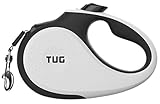
- Small Retractable Dog Leash is Suitable for Dogs Under 35 lbs; Medium For Dogs Under 55 lbs; Large For Dogs Under 110 lbs; Retractable Leashes Not Suitable For Chewing
- 16 ft Tape Retractable Dog Leash With Easy-Adjust Retraction; 360 Degree Tangle-Free Inlet
- Quick Lock And Unlock Feature - Easy Roll-On and Roll-Off With Your Thumb
- Super Comfortable Grip For Those Long Walks! Ergonomic Anti-Slip Handle
- Heavy Duty Internal Coil For Consistent Retraction and Recoil
Evaluate the building before committing
Sound transmission varies widely. A corner unit with fewer adjoining walls may present a different risk from a unit beside a bedroom, elevator or hallway. Ask the landlord or association how noise complaints are handled, listen in the apartment at busy times if possible, and consider whether neighbors work night shifts or share thin walls. These checks cannot predict the dog’s behavior, but they reveal how much tolerance your setting has.
Do these 3 things before closing this tab:
1Fix the driver behind crashes, sound loss and screen glitches2Repair Windows errors before they cause bigger problems3Scan for outdated or missing drivers - takes under a minutePlan for management from day one
- Notice what precedes vocalizing: hallway sounds, unfamiliar people, other dogs, departures or play.
- Reward calm, quiet behavior when it occurs instead of giving attention only after noise starts.
- Limit visual triggers with sensible furniture placement or window management where appropriate.
- Teach a consistent interruption and redirection routine; avoid escalating excitement by shouting.
- Tell nearby neighbors proactively that you are monitoring the dog and provide a practical contact method.
These are management steps, not a promise of silence. If persistent vocalizing develops, consult a qualified positive-reinforcement trainer or veterinary behavior professional for an individual assessment.
Outdoor safety in an urban routine
The breed club recommends a leash or a securely fenced area whenever an Alaskan Klee Kai is outside. It explains that the dogs may be curious, clever, fast and sneaky, and may have high prey drive. Those traits make reliable physical control more important in an apartment setting, where a dropped leash can lead quickly to traffic, a parking lot or an open building entrance.
Use a properly fitted leash and check its connection before each outing. Select routes and fenced spaces that allow you to maintain control, and do not treat an unfenced field or quiet-looking courtyard as secure merely because it is near home. The club’s guidance supports the category of leash or secure fencing; it does not establish a particular leash design, brand or performance advantage.
Elevators and hallways deserve the same attention as parks. Keep the dog close, watch for doors opening unexpectedly, and give other residents room. If your building has no convenient secure outdoor area, that does not automatically rule out apartment living, but it increases the importance of a realistic, repeatable leash-walking plan.
Rank #4

- ENHANCED NIGHT VISIBILITY: Keep your dog safe during early morning or evening walks. The upgraded double-sided reflective stitching catches streetlights and car headlights brightly, ensuring you both remain highly visible to traffic in low-light conditions
- CUSHIONED ANTI-BURN HANDLE: A savior for hands when walking active dogs that pull. The soft, thick interior padding prevents painful rope burn and strain, providing a secure, comfortable grip for better control when your furry friend lunges. Includes a sturdy metal D-ring for clipping poop bag dispensers
- PERFECT 6FT BALANCE: The ideal length for urban walks, offering your dog enough freedom to sniff around while keeping them close enough for easy command in busy areas. Choose the 3/4'' width for small breeds, or the robust 1.0'' width for powerful medium to large dogs
- HEAVY-DUTY TANGLE-FREE CLASP: Features a strong metal spinning snap that allows 360° movement, preventing frustrating leash tangles so your dog can move freely around you. Built with high-density nylon webbing for reliable daily strength. NOTE: While tough for pulling, this nylon material is NOT chew-proof. Don't leave unattended with chewers
- COMPLETE THE LOOK: Available in vibrant colors tailored to match your dog's style. For the ultimate coordinated walking set, pair this leash with our matching Joytale reflective nylon collar
Owner time and alone-time reality
The club states that Alaskan Klee Kai are not suitable for people who cannot spend time with their dogs. That is a direct warning against choosing the breed solely because it is small enough for an apartment. Before adoption, audit your normal week: commute, classes, travel, social commitments, illness, bad weather and emergency coverage.
Ask who will handle walks and interaction when your schedule changes. If you routinely leave before the dog has activity, return too late for engagement, or cannot arrange dependable care during long absences, the mismatch is about available time rather than apartment dimensions. The cited sources do not define a maximum number of hours alone or endorse a specific daycare or walker arrangement, so make this decision from your actual schedule and the individual dog’s needs.
Independent reader supportYour contribution helps us test, update, and keep practical guides available for everyone.A practical apartment-fit checklist
Use this checklist to test the match without pretending it is a validated breed score.
| Factor | Evidence about the breed | Questions for your household |
|---|---|---|
| Space | Small-sized companion dog; 12–17 inches at the withers. No minimum apartment area is stated. | Is there safe indoor movement, a rest area and secure entry control? |
| Exercise and engagement | Medium-high energy; regular physical and mental activity recommended; daily walks or fetch suggested for urban settings. | Can you provide repeatable activity and owner interaction every day, including difficult-weather days? |
| Noise | May be talkative, with howling, grumbling, yodeling, purring and chirping described by AKC. | How well do walls transmit sound, and can you manage possible vocalizing? |
| Outdoor control | Leash or securely fenced area advised; curiosity, speed, sneakiness and possible high prey drive noted. | Can you maintain control from the apartment door to a safe route or fenced area? |
| Owner availability | Club says the breed is not suitable for people who cannot spend time with their dogs. | Who provides activity, companionship and backup care when your routine changes? |
The table synthesizes breed descriptions from the AKC breed profile, the Alaskan Klee Kai Club of America, the AKC official standard and the AKC temperament guide. It is a decision aid, not a scientifically validated scoring system.
Questions to answer before bringing one home
Can you observe the individual dog?
Breed tendencies cannot predict one dog’s exact vocal behavior or ability to settle. Whenever possible, observe the dog in a calm environment and during ordinary handling, walking and transitions. Ask the current caregiver or rescue for specific examples of vocalizing, escape attempts, reactions to strangers and ability to relax indoors. Treat anecdotes as information about that dog, not as population statistics.
Best Value

- Upgrade: The product has been modified to use nylon thread directly sewing, very strong.All handles was sewn onto the leash instead of the cord ties.Package includes: frosted zipper bag,two handles dog leash.
- MAXIMUM TOUGHNESS AND DURABILITY: Nearly 2X thicker and stronger than standard dog leashes. 3mm thick and 1” wide with tightly webbed nylon for enhanced rugged construction.
- DUAL HANDLES FOR TOTAL CONTROL: Soft Neoprene and padded handle, comfortable than ever ;Equipped with an extra traffic handle for amazing control. Use the standard handle for those casual dog walks or quickly grab the built in traffic handle to guide your pup through crowded areas with ease.
- 360° Rotating Clasp: Swivel clasp prevents the leash from twisting and dog getting tangled. Heavy-duty metal clasp makes our training leashes last longer than most ones. Premium components for maximum strength
- BE SAFE AND VISIBLE AT NIGHT: Luminous reflective threading keeps you both safe and visible on your late-evening walks. Enjoy a large 2” heavy duty clip for added safety and thick D-ring to attach your favorite dog training clicker or dog poop bag holder.Packaging details:Frosted zipper bag,Dog leash with D ring
Can you test the routine rather than imagine it?
For a week, write down when you could realistically walk, play, train and spend quiet time with a dog. Include the route from your door, elevator waits, weather alternatives and backup care. If the plan already fails on ordinary days, an Alaskan Klee Kai is unlikely to become an easy apartment companion simply because the breed is compact.
Can the building support responsible ownership?
Confirm pet permission, leash rules, elevator expectations and noise procedures before adoption. A cooperative building does not eliminate vocalization risk, but unclear rules can turn a manageable behavior into a housing crisis.
Common assumptions that lead to poor matches
- “Small means low exercise.” The club describes medium-high energy and regular physical and mental activity needs.
- “A yard is required.” The club specifically identifies daily walks or fetch as urban exercise options; a yard is not stated as mandatory.
- “Talkative means constantly loud.” AKC identifies several possible vocalizations but provides no frequency or noise measurements.
- “There is a correct apartment size.” The sources provide a height range, not a minimum floor area.
- “A quiet first week proves the dog will always be quiet.” Individual behavior can change with settling-in, routines and triggers, so continue monitoring and management.
When an apartment is likely to be a good fit
An Alaskan Klee Kai is more likely to fit your apartment when you can consistently provide daily outdoor activity, mentally engaging time with the dog, secure leash-based management, and a calm plan for possible vocalizing. You should also have enough schedule flexibility to spend time together and enough building tolerance to address noise responsibly.
It is a poor fit when the choice rests mainly on the breed’s small stature, when regular activity is uncertain, when outdoor control cannot be maintained, or when shared walls leave no realistic margin for a talkative individual. The most responsible decision is therefore based on the dog’s observed behavior and your repeatable routine—not on a claimed minimum number of square feet.
Quick Recap
Product prices and availability are accurate as of the date/time indicated and are subject to change. Any price and availability information displayed on Amazon at the time of purchase will apply.




