
Do these 3 things before closing this tab:
1Clear out junk files and repair common Windows errors2Fix the driver behind crashes, sound loss and screen glitches3Repair Windows errors before they cause bigger problemsSome links on this page are affiliate links: if you buy through them we may earn a commission, at no extra cost to you.
Usually, no. For dogs and cats, cod liver oil is not automatically better than fish oil. The practical choice depends on whether your veterinarian wants to provide EPA and DHA alone or EPA and DHA together with vitamin A and vitamin D.
Usually, no. For dogs and cats, cod liver oil is not automatically better than fish oil. The practical choice depends on what your veterinarian is trying to provide: EPA and DHA, or EPA and DHA plus the product’s added vitamin A and vitamin D.
As an Amazon Associate I earn from qualifying purchases.
For most pet-supplement decisions, a properly labeled fish-oil product is the more straightforward option because it lets you focus on EPA and DHA without deliberately adding cod-liver vitamin A and vitamin D. Cod liver oil should be used only when its complete nutrient profile is appropriate for that individual pet and the product’s label has been reviewed by a veterinarian.
Cod liver oil and fish oil are not interchangeable
Both oils come from marine sources and can contain the long-chain omega-3 fatty acids EPA and DHA. The important difference is their source and formulation:
Popular on Amazon
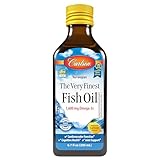
- Supports whole body health and wellness
- 1,600 mg of omega-3s per teaspoon | Delicious natural lemon flavor
- Wild caught and sustainably sourced
- Third-party certified and FDA-registered lab tested
- Freshness, potency, and purity guaranteed
| Feature | Fish oil | Cod liver oil |
|---|---|---|
| Primary reason people use it | To provide EPA and DHA | To provide EPA and DHA together with vitamins A and D |
| EPA and DHA amount | Varies substantially by product; read the label | Also varies by product; do not assume the amount from the name alone |
| Vitamin A | May be absent or present depending on formulation | Can be present in meaningful amounts |
| Vitamin D | May be absent or present depending on formulation | Can be present in meaningful amounts |
| Main concern when choosing | Buying a product with little EPA or DHA, or using an unsuitable product | Unintentionally adding excessive vitamin A or vitamin D |
That is why comparing the total milligrams of “oil” is not enough. Check the actual EPA and DHA quantities per serving, the serving size, and—especially for cod liver oil—the exact amounts and forms of vitamins A and D.
Why fish oil is often the simpler choice for pets
When a veterinarian recommends marine omega-3s for a pet, the intended nutrients are commonly EPA and DHA rather than extra vitamins. A fish-oil product can therefore be easier to evaluate: the label can be checked for the amount of EPA and DHA supplied without making cod-liver vitamin A or vitamin D part of the plan.
Recommended Free Tools
That does not make every fish-oil supplement suitable. Products differ in concentration, ingredients, freshness, serving size, and quality controls. A capsule or liquid labeled “1,000 mg fish oil” may contain considerably less than 1,000 mg combined EPA and DHA. Compare the two nutrient lines on the Supplement Facts panel instead of choosing by the large front-label number.
Also check whether the product contains flavorings, sweeteners, essential oils, or other added ingredients that are unsuitable for animals. A human supplement is not automatically appropriate for a dog or cat simply because its main ingredient is fish oil.
When cod liver oil might be considered
Cod liver oil may be reasonable only when a veterinary professional has considered the whole product and the pet’s diet. Its additional vitamin A and vitamin D could be relevant in a specific, clinically assessed situation, but they can also be unnecessary because complete commercial pet foods are formulated to provide required vitamins.
Also popular on Amazon
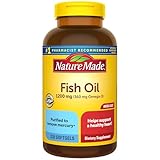
- Heart health support supplement: contains one 230 count bottle of Nature Made Fish Oil 1200 mg Softgels for a 115-day supply
- This Nature Made Omega 3 Fish Oil supplement is purified to remove mercury and other contaminants (2)
- One serving of two fish oil softgels provides 720 mg Omega-3 fatty acids (600 mg EPA and DHA) to help support a healthy heart
- Adults, take two of these Fish Oil Omega 3 EPA DHA supplement softgels daily with water and a meal
- This gluten free and dairy free Omega 3 Fish Oil for women and men supplement has no color added and no artificial flavors
In other words, cod liver oil should not be selected merely because it sounds more nutritious. The extra nutrients are part of the risk-benefit decision. If the goal is EPA and DHA, adding vitamins that the pet does not need may offer no advantage and may complicate the diet.
Do not assume that all cod liver oil products have the same vitamin content. Liquid and capsule products can differ in serving size and concentration, and the presence or amount of vitamins should be confirmed from the current manufacturer label.
The vitamin A and vitamin D issue
Cod liver oil is an animal-derived oil that can contain preformed vitamin A, such as retinol or retinyl esters, as well as vitamin D. These are not interchangeable with beta-carotene from ordinary plant foods. Excessive intake of preformed vitamin A or vitamin D can be harmful, and the safe amount depends on the animal, its complete diet, the product concentration, and the total amount given.
This matters particularly for:
- small dogs and cats, for which a human serving may be disproportionately large;
- pets already eating a complete and balanced commercial diet;
- animals receiving a multivitamin, mineral product, fortified treat, or another oil supplement;
- pets with liver, kidney, digestive, bleeding, or other chronic health problems; and
- animals whose diet is homemade, restricted, or being medically managed.
Do not combine cod liver oil with other vitamin products unless your veterinarian has calculated the total intake. More is not a safer or more effective form of supplementation.
How to compare a fish-oil or cod-liver-oil label
- Identify the animal and the intended purpose. A product appropriate for a large dog may not be appropriate for a cat or toy-breed dog. Ask what the supplement is supposed to provide.
- Find EPA and DHA separately. Record the amount of each per stated serving and add them together. Do not use total oil weight as a substitute.
- Check cod liver oil for vitamins A and D. Note the exact quantity, unit, and serving size. Do not assume that “cod liver oil” means a standard vitamin profile.
- Read every ingredient. Look for flavorings, sweeteners, herbs, concentrated vitamins, and other additives. Never give a product containing an ingredient known to be unsafe for that pet.
- Check the serving instructions. A label’s human serving is not a veterinary dose. Do not convert it casually by body weight.
- Look for current quality information. Purity, oxidation testing, sustainability, and certification claims are product-specific. Verify them with the actual manufacturer rather than assuming they apply to the entire category.
- Check for duplication. Add up other supplements and fortified products, particularly those containing vitamins A or D.
When to ask a veterinarian before giving either oil
Ask your veterinarian before starting a fish-oil or cod-liver-oil supplement if your pet:
Quick wins for a faster PC:
Clear out junk files and repair common Windows errorsFree Scan →Scan for outdated or missing drivers - takes under a minuteDriver Scan →Also popular on Amazon

- Brain, Eye and Heart supplement: contains one 60 count bottle of Nature Made Extra Strength Burp Less Omega-3 (1) from Fish Oil 1400 mg per serving Minis Softgels for a 30-day supply
- Omega-3 (1) from Fish Oil mini softgels are purified to remove mercury (2), specially made to reduce fishy burps, and easier to swallow (4)
- One serving of two Omega 3 Fish Oil mini softgels (1) provides 680 mg of EPA and 250 mg of DHA to support a healthy heart, brain and eyes
- Adults, take two of these Nature Made Omega 3 (1) from Fish Oil softgels daily with water and a meal for optimal absorption
- These gluten free Omega 3 mini Fish Oil softgels have no color added, no milk and no shellfish
- takes an anticoagulant or antiplatelet medicine, or has a bleeding disorder;
- is scheduled for surgery or a dental procedure;
- has pancreatitis, liver disease, kidney disease, gastrointestinal disease, or another chronic condition;
- is pregnant, nursing, very young, elderly, or significantly underweight;
- eats a homemade, raw, restricted, or therapeutic diet;
- already receives vitamins, minerals, fatty-acid products, or several supplements; or
- has developed vomiting, diarrhea, appetite changes, unusual thirst, weakness, or other symptoms after a supplement was introduced.
Supplements can have adverse effects and interactions; “natural” does not mean risk-free. The FDA notes that dietary supplements are regulated as foods rather than drugs, so a supplement should not be treated as a substitute for veterinary diagnosis or treatment.
Can fish oil or cod liver oil replace veterinary treatment?
No. Neither product should be presented as a universal treatment or as a guaranteed way to prevent disease. Prescription omega-3 products and veterinary treatment plans may use different concentrations, formulations, doses, and monitoring. They should not be casually substituted with an over-the-counter oil.
Similarly, do not use cod liver oil to correct suspected vitamin A or vitamin D deficiency without testing and veterinary direction. The same product that supplies a nutrient can provide too much of it when added to an already complete diet.
What about feeding fish instead?
For people, dietary guidance often emphasizes eating fish rather than assuming that everyone needs an omega-3 supplement. For pets, however, changing the diet with fish or table foods still requires care. Fish may add calories, alter the nutritional balance of a complete diet, contain bones, or be prepared with ingredients that are unsafe for animals. Discuss regular fish additions with your veterinarian or a qualified veterinary nutrition professional rather than treating them as an automatic substitute for a formulated pet diet.
A practical decision rule
- If the goal is EPA and DHA: ask your veterinarian whether a fish-oil product with a clearly stated EPA-plus-DHA amount is appropriate.
- If someone recommends cod liver oil: ask why the pet needs its vitamin A and vitamin D content, and have the full label checked against the pet’s diet.
- If the pet eats a complete diet and has no identified need: neither oil is automatically necessary.
- If the pet is pregnant, ill, medicated, or taking several supplements: get individualized veterinary advice before using either product.
Bottom line: Cod liver oil is not “better” than fish oil for pets by default. Fish oil is usually the more direct category when the intended supplement is EPA and DHA. Cod liver oil should be reserved for situations in which its added vitamins are appropriate, its label has been reviewed, and the total diet and health history have been considered by a veterinarian.
Also popular on Amazon

- Itchy Dog Skin Relief: Dull coats, scratching, shedding & flaky skin? Salmon oil for dogs is a made of omega 3 fish oil for dogs, providing itch relief for dogs and relief for dry skin & cat dandruff
- Simple Ingredients: Dog fish oil contains wild Alaskan salmon oil, pollock oil (omega 3 for dogs) and vitamin E, providing skin and coat defense for dogs and cats of all ages.
- Easy Daily Dosing: Pump this salmon oil for cats and dogs onto food every day: 1/4 tsp for 5-15 lbs (see label for more). Fish oil for cats and dogs is the perfect meal toppers for dogs and cats.
- Mealtime Topper Pets Love: Pump it over wet or dry food and watch them clean their bowls. Use it alone or with other dog meal toppers; as a cat food topper, adding omega 3 EPA DHA to every meal.
- Less Shedding, Softer Coat: Fur all over the couch and dry, flaky skin? This liquid fish oil dog toppers for dry food adds omega-3s from wild Alaskan salmon and pollock oil, cat stuff with healthy fats that support skin moisture and a silky coat.
Frequently Asked Questions
Is cod liver oil better than fish oil for dogs?
Usually not. Fish oil is generally the more direct way to provide EPA and DHA without intentionally adding cod-liver vitamin A and vitamin D. Cod liver oil may be appropriate only when its complete nutrient profile has been reviewed for that pet.
Can cats take cod liver oil?
Do not give cod liver oil to a cat without veterinary advice. Cats can be especially vulnerable to dietary imbalances, and a human serving may be excessive relative to body size. Check the product’s vitamin A and vitamin D amounts and the cat’s complete diet first.
What should I look for in fish oil for a pet?
Not necessarily. A label’s total fish-oil amount does not tell you how much EPA and DHA it contains. Compare the actual EPA and DHA quantities per serving and review all ingredients with your veterinarian.
When should a veterinarian approve an omega-3 supplement?
Ask a veterinarian before using either oil if the pet takes medication, has a chronic illness, is pregnant or nursing, is preparing for surgery, eats a homemade or therapeutic diet, or already receives other supplements.
The Bottom Line
For most pets, choose based on the veterinary goal—not the product name. Fish oil is generally the simpler EPA/DHA option. Cod liver oil also supplies vitamins A and D, which may be unnecessary or excessive in a pet already eating a complete diet. Never use a human serving as a pet dose, and ask your veterinarian before supplementing a young, pregnant, ill, medicated, or nutritionally managed animal.





Leave a Reply