
Outdated Drivers Are Slowing You Down
One free scan finds every outdated or missing driver and matches the right update for your exact hardware.Free scan · exact hardware matchPC Slower Than It Used to Be?
A free scan shows the junk files, broken settings and background clutter dragging Windows down - then fixes them in one click.Free scan · Windows 10 & 11A cat that hides, stops playing, eats less, sleeps more, or grooms differently may look “depressed,” but those behaviors are not a diagnosis. Pain and many medical illnesses can look the same. Treat a new, persistent, severe, or worsening change as a health question first—especially any sustained loss of appetite—and arrange veterinary advice.
Once illness and pain have been assessed, a predictable routine, safe resting areas, appropriate interaction, and carefully chosen enrichment can support recovery. The useful question is not whether a checklist proves depression; it is what changed for this individual cat and what is causing it.
As an Amazon Associate I earn from qualifying purchases.
What “depression” means in a cat
Owners use depression to describe a noticeable drop from their cat’s normal activity, sociability, appetite, grooming, or interest in familiar activities. Veterinary medicine does not have a simple sign-based test that confirms feline depression. Dr. Ashley Navarrette, a clinical assistant professor at Texas A&M School of Veterinary Medicine & Biomedical Sciences, said, “Depression is something that is difficult to diagnose.” She explains that it is often a diagnosis of exclusion: medical causes should be ruled out before a behavioral explanation is assumed.
That distinction matters because cats commonly conceal illness. A quiet cat may be grieving or stressed, or may have dental pain, mobility pain, gastrointestinal disease, infection, or another problem that requires treatment. Merck Veterinary Manual’s behavior-diagnosis guidance (full review September 2024) recommends combining a detailed history with physical and neurological examinations and diagnostic tests when indicated.
#1 Best Overall

- Complete Calming Solution: This cat calming diffuser kit includes diffusers and refills (48mL per bottle). Each refill delivers a 30-day supply of continuous support to help ease your cat’s anxiety. Ideal for addressing stress triggered by vet visits, traffic noise, fireworks, thunderstorms, or loneliness, this cat pheromone calming diffuser creates a safe and serene environment for felines of all ages and breeds
- Effective Stress & Behavior Support: Our cat pheromone diffuser works to reduce common signs of feline stress such as excessive scratching, urine spraying, hiding, and restlessness. By mimicking natural feline pheromones, this cat calming diffuser provides gentle, drug-free relief, making it a reliable choice for multi-cat households or cats experiencing tension during home changes or new pet introductions
- Long-Lasting & Wide Coverage: Each refill of the cat calming diffuser releases calming pheromones for up to 30 days, with coverage for areas up to 700 square feet. The diffuser features an automatic operation with a simple press of a button, and proper placement (vents facing up) ensures optimal performance and leak prevention, maximizing the effectiveness of your cat diffuser
- Safe & Non-Toxic Formula: The cat pheromone calming diffuser uses an odorless, non-toxic, and chemical-free formula that is safe for both humans and pets. Unlike harsh treatments, this cat calming diffuser does not cause drowsiness and poses no risk to your cat’s health, making it a trusted choice for daily use in any living space
- Easy to Use & Maintain: Setting up the cat calming diffuser is effortless—simply plug it into a standard outlet, keep the bottle upright, and press the button to activate. The heated diffuser and refill system operates quietly and continuously, requiring minimal maintenance; just replace the refill every 30 days to maintain consistent calming support for your feline friend
Think in terms of change from baseline. A cat that has always preferred solitude is not necessarily unwell because it spends time alone. A normally social cat that suddenly hides under the bed is showing useful information that deserves attention.
Signs owners may notice
Common signs overlap with medical disease, so none proves depression on its own. Look for a cluster, a clear change in frequency or intensity, or a pattern that does not resolve.
- Hiding more, withdrawing, or becoming unusually reserved or unsociable
- Less interest in play, exploration, people, or other animals
- Lethargy or sleeping more than is normal for that cat
- Reduced appetite or refusal of food
- Less grooming, a neglected coat, or—sometimes—excessive licking
- Changes in vocalization, such as becoming unusually quiet or vocal
- Changes in litter-box use or elimination
- Reluctance to jump, climb, walk, or be touched, which can indicate pain rather than low mood
Texas A&M’s September 29, 2022 overview and a veterinary-authored PetMD article dated October 9, 2026 both emphasize these observable changes while warning that they are nonspecific. Compare behavior with your cat’s own usual pattern, not with another cat or an internet checklist.
When appetite changes raise the urgency
Do not write off reduced eating as sadness. Cornell Feline Health Center’s guidance on anorexia says loss of appetite can signal many feline health problems and urges owners to consult a veterinarian immediately when they notice it. If your cat is eating substantially less, stops eating, or has other signs such as vomiting, diarrhea, weakness, breathing difficulty, collapse, or obvious pain, contact a veterinary service promptly rather than waiting for a toy or routine change to work.
Possible causes—and why guessing is risky
Several situations can precede a behavior change, but an apparent trigger does not establish the cause.
Rank #2
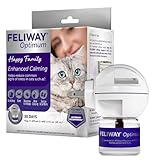
- HELPS REDUCE SIGNS OF STRESS USING A PATENTED PHEROMONE: FELIWAY Optimum is an advanced cat pheromone diffuser that helps reduce signs of stress in cats and helps ease tension between cats.*
- HELPS CATS FEEL CALM IN EVERYDAY SITUATIONS: FELIWAY Optimum is a cat calming diffuser that helps reduce stress‑related behaviors like urine spraying, scratching, hiding, and fearful reactions to change. Cat parents reported noticeable reductions in these behaviors, including a 77% reduction in urine spraying.
- SUPPORTS HARMONY IN MULTI‑CAT HOMES: Helps promote calmer interactions between cats. 72% of cat parents noticed reduced tension between their cats
- SAFE** AND NON-SEDATING: FELIWAY Optimum is not a sedative. It’s safe for use around cats, kittens, people and other pets.
- CONTINUOUS CALMING SUPPORT: This plug‑in cat pheromone diffuser provides 24/7 support when used as directed. To get started, plug into an open outlet with the vents pointed upward, allow at least 4 feet of clearance, and follow the label instructions.
Medical illness or pain
Dental disease, painful joints, internal illness, and neurological problems can all reduce activity, appetite, grooming, or social interaction. Cats may not cry or limp dramatically. A new behavior change should therefore be approached as a possible medical sign until an examination says otherwise.
Household and routine changes
Moving, remodeling, a changed work schedule, new furniture, altered feeding times, or a different litter-box location can make a cat feel less secure. Adding another pet or person may change access to food, water, resting places, or escape routes. These are plausible stressors, not a remote diagnosis.
Loss and grief-like behavior
After a family member or animal companion dies, some cats become quieter, eat less, search, or change their sleep and vocalization. PetMD’s October 9, 2026 article notes that grief-related behavior may last months in some cases, but that observation is not a quantified study estimate or a universal recovery timetable. Do not assume grief is the only explanation; illness can occur at the same time.
Boredom or insufficient stimulation
A cat with little opportunity to stalk, climb, explore, or make choices may show low engagement. Enrichment can help welfare, but it should be offered alongside—not instead of—medical assessment when signs are concerning.
When to call a veterinarian
Arrange an appointment for a behavior change that is new, persistent, severe, or getting worse. Seek prompt advice for sustained appetite loss, even if the cat otherwise seems calm. Immediate veterinary guidance is also appropriate when reduced interaction is accompanied by signs of pain, repeated vomiting, breathing changes, marked weakness, collapse, dehydration, or major litter-box changes.
Rank #3

- HELPS REDUCE COMMON SIGNS OF TENSION BETWEEN CATS: FELIWAY MultiCat, developed by the #1 vet recommended brand, helps reduce common signs of tension between cats such as: conflict, fighting, chasing, and blocking
- ENHANCED CALM AT HOME FOR MULTICAT HOUSEHOLDS: FELIWAY MultiCat plug-in diffuser uses the science of pheromones to send calming messages that mimic a mother cat’s natural pheromones to help reduce tensions & conflicts. 84% of cat owners saw significant improvement in conflict between cats when using FELIWAY MultiCat
- DRUG FREE & SAFE TO USE: FELIWAY diffusers are drug-free, non-sedating, and while cat pheromone analogs may help your cat, they won't affect humans or other pets
- PROVIDES 4 WEEKS OF CALMING SUPPORT: With just one refill, the diffuser offers up to 30 days of continuous calming benefits, helping your cat feel calmer
- COVERS LARGE LIVING SPACES: Each diffuser covers an area up to 700sqft, ensuring widespread calming support throughout your home for cats of all ages. To get started, simply plug your diffuser into an open outlet with 4+ feet of space to diffuse, with the vents pointed upward
There is no safe universal “wait and see” duration because urgency depends on the cat’s age, health history, severity, and whether it is eating and drinking. If you are unsure, describe the change to a veterinary practice and follow its triage advice.
What’s actually slowing this PC down?
Pick the symptom - the matching free tool is one click away.
What happens at a veterinary assessment
Bring a timeline rather than only the label “depressed.” Merck’s diagnostic guidance recommends identifying both behavioral and medical signs, then using examination and tests as indicated.
Prepare useful observations
- The date and circumstances when the change began
- Food and water intake compared with normal
- Vomiting, diarrhea, coughing, sneezing, or breathing changes
- Urination, defecation, and litter-box frequency or location
- Mobility, jumping, posture, touch sensitivity, or other pain clues
- Grooming, vocalization, sleep, hiding, and social behavior
- Recent moves, visitors, losses, new animals, construction, schedule changes, or diet changes
- Current medicines, supplements, flea products, and known medical conditions
Examination and tests
The veterinarian may perform a complete physical and neurological examination and recommend blood, urine, imaging, dental, or other tests when the history and examination warrant them. The aim is to identify or exclude medical contributors before treating a behavior problem. If no medical explanation accounts for the signs, the veterinarian may discuss behavior modification, environmental management, or referral to a veterinary behavior professional.
Medication decisions
Medication is not a general “cat depression” remedy and should never be borrowed from a person or another animal. A veterinarian decides whether a drug is appropriate for a specific diagnosis, checks for contraindications and interactions, and provides the dose and monitoring plan. Do not give human antidepressants, painkillers, sedatives, or appetite stimulants unless prescribed for that cat.
How treatment is chosen
Management follows the cause. A painful or ill cat needs treatment for that condition; a stress-related problem may need environmental changes and behavior work; and several causes can coexist. Merck’s April 2026 treatment page describes behavior care as a combination of prevention, environmental management, and behavior modification. Improvement is generally gradual and requires time and owner commitment.
The Tool Desk
Outbyte Driver Updater FREEScan for outdated or missing drivers - takes under a minuteDriver Scan →Outbyte PC Repair FREEClear out junk files and repair common Windows errorsFree Scan →Rank #4

- HELPS REDUCE CAT STRESS: FELIWAY Classic is a cat calming diffuser that helps individual cats feel calm and reduce stress behaviors like scratching, urine spraying, and hiding
- CREATES A CALMING HOME ENVIRONMENT: FELIWAY Classic uses calming pheromone messages that cats naturally understand to help them feel comfortable and safe during everyday changes in routine or environment. 9 out of 10 cat parents noticed reduced urine spraying and 8 out of 10 saw reduced scratching
- SAFE* AND NON-SEDATING: FELIWAY Classic is not a sedative. It’s safe for use around cats, kittens, people and other pets.
- CONTINUOUS CALMING SUPPORT FOR SHARED SPACES: Plug‑in cat pheromone diffuser provides 24/7 calming support. To get started, plug into an open outlet with vents pointed upward and allow 4+ ft of clearance, and follow the label instructions.
- #1 VET RECOMMENDED BRAND**: FELIWAY is the #1 vet recommended brand, and is backed by 30 years of feline stress expertise
If a medical problem is found
Follow the veterinary treatment and recheck plan. Ask what changes should trigger a call, how to administer medication safely, and how to monitor food, water, elimination, movement, and comfort. Behavioral improvement may lag behind physical improvement, so keep recording trends rather than judging one quiet day.
If stress or behavior remains after medical causes are addressed
Identify the trigger, reduce unavoidable stress, and rebuild predictable positive experiences. A veterinary behavior referral can help when hiding, aggression, elimination problems, fear, or withdrawal persists. Do not punish hiding, accidents, hissing, or avoidance; punishment can increase fear and make assessment harder.
Independent reader supportYour contribution helps us test, update, and keep practical guides available for everyone.Safe support at home
Home changes are supportive care, not a diagnosis or a substitute for veterinary treatment.
Restore predictability
- Keep feeding, cleaning, play, and bedtime routines as consistent as practical.
- Provide a quiet retreat where the cat can rest undisturbed, with an easy route out.
- Place food, water, litter boxes, scratching surfaces, and resting areas so the cat can access them without crossing a stressful bottleneck.
- Let the cat choose contact. Sit nearby, speak softly, and stop interaction when the cat turns away, flattens its ears, or shows other avoidance signals.
Offer enrichment matched to the cat
Interactive play that imitates short hunting sequences, safe climbing or perching options, scratching surfaces, and opportunities to explore can increase engagement. A food-dispensing toy or puzzle feeder can provide mental and physical stimulation, as described in Merck’s feline guidance, but introduce it only when the cat is eating normally and can use it safely. Never use a food puzzle to delay care for appetite loss.
Quick wins for a faster PC:
Clear out junk files and repair common Windows errorsFree Scan →Scan for outdated or missing drivers - takes under a minuteDriver Scan →| Support option | Best fit | How to use it safely |
|---|---|---|
| Interactive play | A cat that shows interest in movement or toys | Use brief, low-pressure sessions; allow the cat to stop and avoid forcing contact. |
| Food-dispensing toy | A normally eating cat that enjoys foraging | Start with an easy design and supervise; stop if frustration, guarding, or reduced intake appears. |
| Environmental resources | A fearful, hiding, or conflict-affected cat | Add quiet resting places, vertical options, scratchers, and separated food, water, and litter resources. |
Track rather than pressure
Record meals, drinking, litter-box output, activity, grooming, hiding, and notable events once or twice daily. Short videos can show a veterinarian how the cat walks, jumps, breathes, or interacts at home. Avoid repeatedly coaxing, carrying, bathing, or rearranging the cat to test whether it is “better”; those interventions can add stress and obscure the pattern.
Common mistakes to avoid
- Diagnosing from one sign: Sleeping more or hiding alone cannot distinguish mood from illness.
- Assuming a recent loss explains everything: Grief-like behavior and disease can overlap.
- Waiting for enrichment to restore appetite: Cornell advises immediate veterinary consultation for anorexia.
- Giving human medication: Drugs and doses safe for people may be dangerous to cats.
- Forcing social contact: Let the cat control distance and duration.
- Expecting a fixed recovery date: The sources do not establish a universal duration or treatment-success rate.
- Changing everything at once: Make one practical adjustment at a time when possible so you can see what helps and avoid overwhelming the cat.
Questions to take to the appointment
- Could pain or another medical condition explain these signs?
- Which examinations or tests are appropriate, and what would each test clarify?
- How should I monitor eating, drinking, elimination, and comfort at home?
- Which environmental changes fit this cat’s age, mobility, and diagnosis?
- When should I call back, and would a behavior referral help?
What the evidence can—and cannot—tell you
Veterinary sources support treating “depression” as an owner description of change, not a confirmed feline diagnosis. They support a thorough medical assessment, cause-specific treatment, and enrichment that meets feline behavioral needs. They do not establish a prevalence statistic, a universal duration, a validated depression test, or a guaranteed success rate for any single home intervention. That is why the safest plan starts with your cat’s baseline, a timely health assessment, and measured support at home.
Quick Recap
Product prices and availability are accurate as of the date/time indicated and are subject to change. Any price and availability information displayed on Amazon at the time of purchase will apply.





Leave a Reply