What’s actually slowing this PC down?
Pick the symptom - the matching free tool is one click away.
The Jindo is a loyal, intelligent, athletic Korean hunting and guarding dog—but it is not a universally easy family pet. This medium-sized Spitz-type breed often bonds closely with its household, keeps itself remarkably clean, and has excellent physical ability. It can also be reserved with strangers, selective about other animals, strongly motivated to chase, and determined to investigate openings in fences, gates, crates, and doors.
A Jindo is usually a good match for an active, patient owner who can provide daily physical and mental work, positive training, careful socialization, and genuinely secure containment. It is a poor match for someone seeking a dog that reliably welcomes every visitor and pet, can safely roam off leash, or will be content with little companionship and a short walk.
As an Amazon Associate I earn from qualifying purchases.
Jindo Dog quick facts
| Characteristic | Typical information |
|---|---|
| Other names | Korean Jindo Dog; Korea Jindo Dog |
| Origin | Jindo Island, off the southwestern coast of South Korea |
| Type | Medium-sized hunting and guarding dog; Spitz and primitive type |
| Height | About 19–22 inches for males and 17–20 inches for females under AKC guidance; other standards use slightly narrower ranges |
| Weight | Often around 40–50 pounds for males and 30–40 pounds for females, although registry and consumer references vary |
| Coat | Medium-length, straight double coat with a dense undercoat |
| Recognized colors | White, red fawn, black, black and tan, wolf gray or gray, and brindle, depending on registry terminology |
| Life expectancy | Often about 14–15 years; many live 14 years or more |
| Best suited to | Active, experienced households prepared for independent behavior, prey drive, socialization, and escape prevention |
These figures are ranges rather than guarantees. A healthy Jindo’s proportion, muscle, structure, and body condition matter more than reaching a particular number on a scale.
Free tools Windows power users keep installed
One-click scans. No signup required.
Origin and cultural status
The Jindo originated on Jindo Island in South Korea, which gives the breed its name. For generations, these dogs lived alongside island communities and were valued for hunting ability, alertness, endurance, and guarding. The breed’s early history is not documented with complete certainty. One commonly cited theory is that indigenous Korean dogs were influenced by dogs brought during the Mongol invasion and then remained relatively isolated on the island. That explanation is a historical theory, not settled genetic fact.
#1 Best Overall
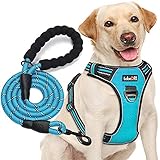
- 【 NO PULL & NO CHOKE 】tobeDRI dog harness featured with 2 strong metal delta shape-rings on front and back for leash attaching, front clip prevent pulling and back for relaxed walking. The 2 rings are sewn with durable thick nylon webbing and enforced box stitches and bartacks that preventing ripped off even pulling hardly. Pulling pressure is evenly distributed to the body to prevent choking
- 【 EASY TO USE AND LOCKING SECURITY 】The dog harness with simple design and quick snap buckles which make it easy to put on and take off. Locking feature on both snaps makes it more secure, 100% ensures no accidentally detachment. 4 easy size adjustors at neck and chest for easy adjusting to fit your dog perfectly, even with some room of growth. Perfect for daily walking, running, hiking, training, hunting, outdoor adventure and more!
- 【 DURABILITY 】Made of durable nylon webbing, enhanced high density nylon oxford, breathable mesh lining and strong accessories including buckle, size adjustors
- 【 EASY CLEANING 】Machine washable is easy for daily use. All metal accessories are rust-proof
- 【 REFLECTIVE 】Reflective stitching maintains high visibility at night for safety
In South Korea, the Jindo has an important cultural and legal status that should not be confused with ordinary kennel-club registration elsewhere. South Korean government and archival material identifies the breed as Natural Monument No. 53. It was designated a natural monument in 1962 and is managed under Korea’s Jindo Dog preservation and support framework.
The breed appeared in the opening ceremonies of the 1988 Seoul Olympics. Registry status differs by organization: the Fédération Cynologique Internationale lists the Korea Jindo Dog as breed no. 334 in Group 5, Spitz and primitive types, with the official standard published on November 9, 2004, and definitive acceptance dated July 6, 2005. The American Kennel Club records the breed in its Foundation Stock Service from January 2008 and presents it in a Non-Sporting Group context. Those are organization-specific facts, not a claim that every kennel organization classifies the Jindo in the same way.
Appearance and physical characteristics
The Jindo has the balanced, alert outline associated with a capable working Spitz. Its body is square or slightly longer than tall, with a triangular head, small almond-shaped eyes, strongly erect triangular ears, and a thick tail carried in a loose roll or sickle shape over the back. The overall impression should be one of strength, agility, intelligence, and dignity rather than bulk.
The coat is shown in natural condition rather than with extensive sculpting or trimming. Breed references recognize white, red fawn, black, black and tan, wolf gray or gray, and brindle. Exact color names and acceptable details can vary between registries.
Although the Jindo is medium-sized, it should not be mistaken for a low-energy companion. The breed was developed to travel, investigate, hunt, and guard. Its athletic build and alert mind can be excellent assets for an owner who wants an active partner, but they create management demands when the dog is bored or allowed to make its own decisions.
Jindo temperament: loyal, independent, and reserved
Jindos are commonly described as loyal, bold, intelligent, watchful, independent, and reserved. Many form a particularly intense attachment to one person while remaining devoted to the entire household. “One-person dog” is therefore an imperfect shorthand: it usually means a strong primary bond, not an inability to love or live with a family.
A Jindo may follow its preferred person from room to room without being especially cuddly or lap-oriented. The breed’s affection often looks like close observation, quiet companionship, and a willingness to stay near its people rather than constant physical contact.
Quick wins for a faster PC:
Scan for outdated or missing drivers - takes under a minuteDriver Scan →Clear out junk files and repair common Windows errorsFree Scan →Stranger reserve is a normal breed tendency, but fearfulness and aggression should not be treated as desirable traits. The ideal dog is calm, confident, thoughtful, and appropriately cautious. The United Kennel Club standard disqualifies viciousness or extreme shyness, and the AKC describes the desired temperament as neither fearful nor aggressive without reason.
That distinction matters in daily life. A Jindo may ignore a visitor, watch from a distance, or accept interaction only after a careful introduction. It should not be forced to greet strangers, cornered for handling, or praised for threatening behavior. Early socialization should build confidence and neutral responses—not demand that the dog enjoy every person, dog, or crowded environment.
Jindos and other dogs
Compatibility with other animals is highly individual, but prospective owners should plan conservatively. Jindos can have a strong hunting instinct and may be watchful or intolerant around unfamiliar dogs. Same-sex conflict, particularly between males, can occur in the home. Some individuals may be happiest as the only pet.
Rank #2

- All-In-One Convenience: Our dog travel kit is your one-stop solution for all pet adventures. Equipped with a no-pull harness, leash, collar, car safety belt, portable bowl, and waste bag dispenser, it's everything your furry friend needs in one purchase
- Ergonomic No-Pull Harness Design: Say goodbye to tugging and discomfort! Our harness, crafted with an ergonomic no-pull design, alleviates neck pressure and enhances comfort. The reflective stitching on the harness and collar ensures visibility and safety on those early morning or late-night outings
- Journey with Ease: Road trips or park visits, our kit has you covered. The seat belt attachment ensures your pet's car safety, while the portable bowl & waste bag dispenser are perfect for keeping your adventures mess-free and convenient
- Built to Last, Easy to Clean: Crafted with high-grade nylon and sturdy metal buckles, our kit withstands the rigors of everyday use. The harness and collar are easily washable, ensuring they stay fresh for your next adventure
- Style Meets Functionality: Choose a kit that complements your pet's personality with our range of color options. Our design merges practicality with style, ensuring your dog looks good and feels great, wherever you go
Introductions should be gradual, controlled, and supervised. Do not assume that a Jindo will automatically welcome a resident cat, visiting dog, small mammal, or neighborhood animal. A dog that behaves well indoors may still chase wildlife or react differently when excited outdoors.
Jindos and children
A Jindo can live successfully with children in the right household, but the breed should not be marketed as automatically child-friendly or automatically unsuitable for families. The outcome depends on the individual dog, the children’s behavior, the adults’ supervision, and the quality of early socialization.
Children should be taught not to climb on, hug, corner, disturb while eating, or take objects from the dog. Adults should supervise all interactions and provide the dog with a quiet area where it can retreat. A dog’s tolerance should never be tested by allowing a child to handle it roughly.
Exercise and mental stimulation
Jindos need daily engagement, not merely occasional exercise. They were developed to cover distance and make decisions, so a routine built around a brief walk and extended inactivity is unlikely to meet the needs of many individuals.
Useful outlets can include long walks on leash, hiking, jogging once the dog is physically mature and properly conditioned, scent games, structured exploration, obedience practice, agility, lure coursing, and other suitable dog sports. Age, health, weather, conditioning, and individual temperament should determine the intensity. There is no responsible universal mileage prescription for every Jindo.
Mental work is equally important. Food puzzles, scent searches, training games, impulse-control exercises, and small household tasks can turn intelligence and independence into productive behavior. An interactive puzzle feeder can be an optional enrichment tool, but it should be introduced gradually and supervised if the dog is a destructive chewer. A puzzle does not replace walks, training, companionship, or secure management.
When adequately exercised and engaged, many Jindos have good house manners. The AKC describes them as polite and attentive indoors and says they are seldom destructive when given an active outlet. That is not a guarantee: boredom, separation distress, poor confinement, or insufficient exercise can still lead to barking, chewing, or escape attempts.
Escape prevention and off-leash safety
Containment is one of the most important Jindo ownership issues. The breed has a reputation for exploring and escaping, and the AKC notes that some Jindos can learn to open crates and escape yards. Purina also warns that the breed can jump and recommends a high fence.
A suitable yard should be evaluated for more than fence height. Check digging opportunities, climbable objects, gate gaps, latch security, loose boards, and places where the dog could squeeze underneath or over the barrier. Keep the dog away from open doors and make gate routines part of everyday training.
The Tool Desk
Outbyte PC Repair FREERepair Windows errors before they cause bigger problemsFix Now →Outbyte Driver Updater FREEScan for outdated or missing drivers - takes under a minuteDriver Scan →For walks, use a well-fitted secure harness for an escape-prone dog and a durable leash, checking the fit regularly as the dog’s body changes. No harness makes an unsecured dog safe near traffic, wildlife, or unfamiliar animals. A Jindo should not be trusted off leash simply because it has a good indoor recall.
Rank #3

- [PUPTECK BRAND SIZE S] - Harness Chest 14.5"-16", Collar Length 7.9"-11.8". Corresponds to REGULAR SIZE XS. Recommended to x-smal to small pets, such as cat, chihuahua, pomeranian, poodle, shih tzu, bichon frise, etc. Sizing does NOT directly correspond to your pet's breed or weight, and do NOT order the usual size directly, please always measure your dog and refer to our brand size chart
- [DOG HARNESS, COLLAR & LEASH] - The package includes three items, a walking harness, a collar, and a 4.9ft matching leash. The collar is with bell, the leash is equipped with a 360-degree rotation metal hook, and the harness is adopted with a quick-release buckle and double D-rings which are very heavy-duty. You don't need to spend extra time looking through other accessories, but you get all of these items at the same time with less money! So this is a very cost-effective set
- [STEP IN, NO PULL, NO CHOKE] - The harness is adopted magic strap closure, so it's very easy for wearing. Just open the harness, let your dog's front legs through the harness, then reclose the closure and buckle it up, and connect the leash with double D-rings, finished! Cushioned design reduces neck friction, and the metal D-ring easily links to leash hooks, not easy to swing, preventing suffocation and pull
- [COMFORTABLE MATERIAL, DAILY WALKING, FOUR SEASONS WEARING] - The harness is made of durable polyester, and it's adopted with an air-mesh design. The whole harness is very soft, lightweight, and breathable. Even if your dog wears it all day, he won't feel any discomfort. For daily walking or running, it is a very easy thing to do. Besides, this is a four seasons harness, it keeps the dog cool on hot days and keeps the dog warm on cold days
- [REFLECTIVE, PLAID PATTERN] - This Harness has two sides of reflective straps, and the middle logo also is reflective, so if you walk with your dog at night, then both of you will be safer! In addition, the classic plaid pattern is designed by our internal brand team, so it's very different from other normal harnesses. This plaid pattern looks both classic and stylish and is never out of date
A long line for recall training can support controlled practice in an appropriate open area. Use it only under supervision, keep it away from roads and hazards, and never treat it as proof that the dog is ready to roam freely. Recall around prey, dogs, roads, and novel environments may remain unreliable even after extensive training.
A crate can help with rest, transport, and short-term management when introduced positively. However, because some Jindos are clever escape artists, owners should inspect equipment and avoid promising that any crate is escape-proof. A secure crate for a clever escape-artist dog must be correctly sized, safely introduced, and used as a calm space—not as a substitute for exercise or a way to confine a distressed dog for excessive periods.
Training and socialization
Jindos are intelligent, but intelligence does not mean automatic obedience. They often understand an exercise quickly and then decide whether it is worthwhile. Independent behavior can be mistaken for stubbornness, but the practical solution is the same: make training clear, consistent, rewarding, and relevant.
Do these 3 things before closing this tab:
1Scan for outdated or missing drivers - takes under a minute2Repair Windows errors before they cause bigger problems3Fix the driver behind crashes, sound loss and screen glitchesUKC and veterinary guidance support positive-reinforcement training. Reward the behavior you want with food, play, praise, access to something the dog values, or a combination of these. Avoid dominance-based or punitive methods that can increase fear, conflict, or defensive behavior. A Jindo does not need an aversive method simply because it has prey drive or an independent temperament.
Training is most effective when the owner remains central to the relationship, even if a professional is involved. A positive-reinforcement Jindo trainer can be particularly useful for early socialization, recall, leash skills, visitor protocols, and dog-dog management. Check the trainer’s credentials, methods, handling practices, and local availability before enrolling.
Priorities for a Jindo puppy or newly adopted adult
- Name response and attention: Reward the dog for choosing to look toward you, especially around mild distractions.
- Recall foundations: Begin indoors, progress gradually, and reinforce returning without punishing the dog for coming back.
- Loose-leash walking: Teach the dog that staying near the handler produces rewards and forward movement.
- Door, gate, and car routines: Practice waiting, release cues, and calm transitions so excitement does not become an escape opportunity.
- Crate comfort: Build positive associations and monitor for panic, escape attempts, overheating, or unsafe equipment use.
- Handling and cooperative care: Teach paw, ear, mouth, nail, grooming, and harness handling in small, reward-based steps.
- Impulse control: Practice waiting for food, toys, doors, and permission to greet or investigate.
Socialization is not forced exposure. During the early developmental period—often described as especially important through approximately 16 weeks—introduce people, surfaces, sounds, travel, veterinary handling, and suitable dogs at an intensity the puppy can manage. Pair new experiences with safety and positive associations. Puppy classes can help when they are well-run, hygienic, and based on humane training.
Because some Jindos may dislike forcible restraint by unfamiliar people, cooperative veterinary and grooming preparation is especially sensible. This is a management recommendation based on the breed’s reported independence and reserve, not a prediction that every Jindo will resist handling.
Outdated Drivers Are Slowing You Down
One free scan finds every outdated or missing driver and matches the right update for your exact hardware.Free scan · exact hardware matchWindows Errors? Fix Them Before They Spread
Repair common Windows errors and clear accumulated junk for a smoother, more stable PC - no reinstall needed.Free scan · no reinstallGrooming, shedding, and coat care
The Jindo has a medium-length double coat: a harsh, straight outer coat over a dense, softer undercoat. Hair is longer around the neck, back, rump, tail, and backs of the thighs and shorter on the head, legs, and ears.
The coat is relatively self-cleaning and usually has little odor. Routine care generally involves brushing about once a week; some owners may prefer once or twice weekly depending on coat density, lifestyle, and tolerance. A slicker brush for a Jindo or suitable pin brush can help remove loose hair and keep the coat orderly. Use gentle technique and stop if the dog shows discomfort; tool choice should suit the individual coat and skin.
Jindos typically shed their undercoat heavily twice a year. A coat blow may continue for a month or longer, making regular brushing and extra vacuuming important. An undercoat rake for seasonal shedding can be useful as an optional seasonal tool, but it is not a replacement for gentle handling or professional grooming when there are mats, skin lesions, or difficult coat problems.
Rank #4

- All-In-One Convenience: Our dog travel kit is your one-stop solution for all pet adventures. Equipped with a no-pull harness, leash, collar, car safety belt, portable bowl, and waste bag dispenser, it's everything your furry friend needs in one purchase
- Ergonomic No-Pull Harness Design: Say goodbye to tugging and discomfort! Our harness, crafted with an ergonomic no-pull design, alleviates neck pressure and enhances comfort. The reflective stitching on the harness and collar ensures visibility and safety on those early morning or late-night outings
- Journey with Ease: Road trips or park visits, our kit has you covered. The seat belt attachment ensures your pet's car safety, while the portable bowl & waste bag dispenser are perfect for keeping your adventures mess-free and convenient
- Built to Last, Easy to Clean: Crafted with high-grade nylon and sturdy metal buckles, our kit withstands the rigors of everyday use. The harness and collar are easily washable, ensuring they stay fresh for your next adventure
- Style Meets Functionality: Choose a kit that complements your pet's personality with our range of color options. Our design merges practicality with style, ensuring your dog looks good and feels great, wherever you go
This is a shedding breed, not a hypoallergenic breed. Do not shave the double coat routinely unless a veterinarian recommends clipping for a medical reason. Check nails, teeth, ears, and paws regularly. Erect ears still need inspection for redness, discharge, or odor. Introduce bathing gradually because some Jindos may dislike water, and bathe when needed rather than on an arbitrary schedule.
Health and lifespan
Jindos are generally described as healthy and long-lived. A typical lifespan is about 14–15 years, and the AKC notes that many live 14 years or more. No breed is free of inherited or acquired disease, however, and the available health information for Jindos is less extensive than for some much more common breeds.
Reported concerns
- Discoid lupus erythematosus: This immune-mediated skin condition can affect the nose and face. Possible signs include loss of pigment, scaling, cracking, and sores that may worsen with sunlight.
- Hypothyroidism: Low thyroid hormone can be associated with weight gain, lethargy, cold intolerance, skin changes, and ear infections.
These signs are not a diagnosis. Similar symptoms can have many causes, so a veterinarian should evaluate any persistent skin, energy, weight, ear, or appetite change. Owners should follow veterinary advice about examination, testing, treatment, and sun protection where relevant.
The AKC notes that systematic health testing has not historically been routine for the breed and that its orthopedic and eye status is not yet fully explored. A responsible breeder should provide veterinary records, discuss the health history of parents and close relatives openly, and explain what testing has been performed. Because testing availability and registry recommendations can change, do not assume there is one universally required Jindo health-test panel or accept a claim that a puppy is guaranteed disease-free.
A long-lived dog also creates a long-term budgeting obligation. Prospective owners may wish to compare pet insurance for a Jindo before bringing one home, paying attention to waiting periods, exclusions, deductibles, reimbursement limits, and pre-existing-condition rules. Insurance is optional and policy suitability depends on the household and location; it does not replace preventive veterinary care or an emergency fund.
Recommended Free Tools
Food and feeding
Most Jindos can do well on a complete and balanced commercial diet or a properly supervised home-prepared diet suited to their life stage. The right amount depends on age, size, body condition, activity, reproductive status, and health—not on the breed name alone.
Some Jindos are light eaters or become selective when food is constantly available or repeatedly upgraded with treats and additions. Scheduled meals make appetite and intake easier to monitor. Follow label guidance as a starting point, then adjust with veterinary input and regular body-condition checks.
Use training treats strategically and keep them a modest part of the daily intake. There is no universal calorie amount, food brand, supplement, or raw diet that should be prescribed for every Jindo. Specific supplements are not generally required unless a veterinarian identifies a reason for one. Always discuss supplements, homemade diets, and major food changes with a veterinarian.
Is a Jindo a good family dog?
A Jindo may be an excellent family companion when the household appreciates a close but independent relationship and can manage the breed’s instincts. It may fit an active home with:
- time for daily walks, training, enrichment, and companionship;
- secure, escape-resistant fencing or a realistic plan to exercise on leash;
- adults willing to supervise interactions with children and other animals;
- a commitment to reward-based training and controlled socialization;
- tolerance for stranger reserve, seasonal shedding, and selective sociability; and
- the budget for long-term veterinary and management needs.
It may be a poor fit for a household wanting an easygoing, universally social dog; a dog that can regularly run off leash; a pet left alone for long periods; or a dog expected to accept every cat, dog, visitor, and handling situation without preparation.
Best Value

- ≡ NECK WEARING DESIGN ≡ The medium dog harness is equipped with 3 buckles on both neck and body position, so you can easily put it on or take it off from the neck side. No more time and effort to put on the harness from the dog's head, and no more worries about hurting your restless dog during the process
- ≡ PERFECT HARNESS SET ≡ Our dog harness set includes 1 professional dog leash & 1 retractable seatbelt & 1 storage strap (easy to store the harness and the leash).The thoughtfully considered combination can meet various needs, and each carefully selected accessories protect the safety of the dog
- ≡ FRONT & BACK CLIPS ≡By limiting the dog's walking direction, using the front clip will stop the dog from pulling(of course, you can also hang the dog tag on it) . Both 2 clips are made of alloy material with one-piece molding process. The connection between the clips and the fabric has also been strengthened in multiple ways to ensure that the dog will not get out of control
- ≡ FIT / NO CHOKE ≡ The dog harness is designed with 4 adjustable webbings, which can be adjusted according to the size of the dog's body to get a perfect fit. It makes the dog's chest evenly stressed and prevents dogs from choking effectively
- ≡ SAFETY DETAILS ≡ High-bright reflective strips are embedded in both the dog harness and leash.It can help the dog be seen clearly even at night. The neck buckle is designed with a lockable button, which can prevent the dog from breaking away accidentally
Apartment living
Apartment living is not categorically impossible, but it can be challenging. The owner must provide sufficient exercise and mental work without relying on an unsecured communal area. Dense foot traffic, elevators, hallways, frequent unfamiliar visitors, barking, and limited escape-management options may expose the breed’s more difficult tendencies.
A house with a yard is not automatically suitable either. A decorative or low fence may be inadequate. Owners preparing outdoor space should consider a Jindo-proof fencing plan that evaluates jumping, digging, climbing, gate, latch, and gap risks. A secure yard supplements walks and training; it does not replace them.
Jindo ownership checklist
Before choosing this breed, answer these questions honestly:
The Tool Desk
Outbyte Driver Updater FREEFix the driver behind crashes, sound loss and screen glitchesFind Drivers →Outbyte PC Repair FREEClear out junk files and repair common Windows errorsFree Scan →- Can the household provide daily physical activity and mental stimulation?
- Is containment genuinely secure, rather than merely attractive or convenient?
- Can the owner manage a leash around wildlife, roads, unfamiliar dogs, and small animals?
- Will someone provide meaningful companionship each day?
- Is the household prepared to socialize early without forcing greetings?
- Can everyone use positive, consistent training?
- Can the family tolerate a substantial seasonal shed and maintain regular brushing?
- Is the household prepared for stranger reserve, prey drive, possible same-sex conflict, and selective sociability?
- Can it budget for routine veterinary care, potential breed-related concerns, and secure equipment?
If several answers are no, the Jindo’s striking appearance should not outweigh the practical mismatch. Meeting adult dogs in a careful, low-pressure setting and speaking with experienced owners or reputable breed organizations can reveal more than a breed description alone.
What the Jindo is—and is not
The Jindo is not automatically aggressive, impossible to train, silent, hypoallergenic, or safe to walk off leash. It is not guaranteed to return to a former owner or repeat a famous loyalty story. Those claims turn breed tendencies or anecdotes into promises that no responsible owner can rely on.
The more accurate picture is a clean, athletic, intelligent dog with strong loyalty and a self-directed nature. Its independence can be rewarding when paired with trust and thoughtful training; the same independence can become frustrating when the owner expects unquestioning obedience or casual containment.
Frequently Asked Questions
Are Jindos good off leash?
Not by default. Their hunting instinct, prey drive, curiosity, and escape ability make off-leash management risky around roads, wildlife, unfamiliar dogs, and small animals. Build recall gradually and use secure fencing or supervised long-line work rather than assuming a Jindo will reliably return.
Recommended Free Tools
Do Jindo dogs shed a lot?
Jindos have a double coat and usually blow their dense undercoat twice a year, sometimes for a month or longer. Weekly brushing may be enough for routine care, but brushing and vacuuming should increase during seasonal shedding. They are not hypoallergenic.
Can a Jindo live with cats or other dogs?
Some can, but compatibility must be assessed individually. The breed may have strong prey drive, may be wary of unfamiliar dogs, and can show same-sex conflict. Introductions should be gradual and supervised; do not assume that every Jindo will accept cats, small animals, or another dog.
Are Jindos aggressive toward strangers?
Jindos are often reserved and watchful around unfamiliar people, but normal aloofness is different from fearfulness or aggression. Early, controlled socialization and reward-based training should promote calm, confident behavior. Threatening or unsafe behavior should be addressed with qualified professional help.
The Bottom Line
Bottom line: The Jindo is best for an active, experienced owner who values loyalty and intelligence and is prepared to manage independence, prey drive, stranger reserve, shedding, and escape risk. With secure containment, positive training, thoughtful socialization, and daily engagement, it can be a deeply rewarding companion. Without those foundations, its strengths can quickly become difficult behavior.
Do these 3 things before closing this tab:
1Fix the driver behind crashes, sound loss and screen glitches2Clear out junk files and repair common Windows errors3Scan for outdated or missing drivers - takes under a minuteQuick Recap
Product prices and availability are accurate as of the date/time indicated and are subject to change. Any price and availability information displayed on Amazon at the time of purchase will apply.




