Kidney disease in cats is not one disease and cannot be diagnosed from symptoms alone. Chronic kidney disease develops over time and is common in older cats, while acute kidney injury can appear suddenly after a toxin, dehydration, infection, obstruction, or another insult. A blocked urinary tract is a separate emergency that can rapidly damage the kidneys.
The important first step is veterinary evaluation. Blood tests, urinalysis, blood-pressure measurement, and sometimes urine culture or imaging help identify the problem. If chronic kidney disease is confirmed, treatment usually combines an appropriate therapeutic diet, hydration support, management of complications such as high phosphorus or hypertension, and regular monitoring.
As an Amazon Associate I earn from qualifying purchases.
What kidney disease means in cats
The kidneys filter waste from the blood, regulate water and electrolytes, help control blood pressure, and contribute to red-blood-cell production. When functional kidney tissue is lost, a cat may no longer concentrate urine effectively or clear metabolic waste from the body.
Recommended Free Tools
Cats can have substantial kidney damage before their owners notice anything unusual. Chronic kidney disease is usually progressive and does not have a definitive cure, but appropriate treatment can control complications, slow deterioration in some cats, and preserve quality of life. Prognosis varies widely and cannot be predicted from one symptom or one laboratory value.
#1 Best Overall
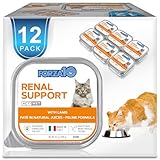
- TRUSTED ITALIAN NUTRITION: Pet food brand for dogs and cats, offering a wide range of recipes crafted with high-quality ingredients and veterinary expertise. Forza10 products are designed to support overall health and well-being, helping pets thrive at every stage of life.
- SUPPORTS HEALTHY KIDNEYS: Specially formulated pet food helps maintain kidney function and supports overall renal and cardiac health. Made with high-quality protein and essential nutrients to promote well-being while providing a taste pets enjoy.
- INGREDIENTS: Formulated with hydrolyzed protein and potato protein for controlled phosphorus and adapted protein content. Enriched with cranberries, dried dandelion, and dried clover extract to support kidney health. Free from GMOs, by-products, wheat, soy, artificial colors, or preservatives.
- WHAT'S INCLUDED: Each pack contains 12 cans of adult wet cat food, 3.5 oz each, in a savory lamb flavor that cats love. Perfect for daily feeding or to mix with dry food for a complete mealtime experience.
- EXPLORE MORE: Discover our full range of premium cat and dog food recipes, crafted with veterinary expertise and high-quality ingredients. Visit the Forza10 store to find the perfect meals to support your pet’s health and well-being
Kidney disease is a broad term, not a diagnosis that can be made from symptoms alone. Chronic kidney disease, acute kidney injury, urinary obstruction, infection, stones, diabetes, hyperthyroidism, and other conditions can produce overlapping signs. A veterinarian needs to determine which problem is present.
When kidney signs are an emergency
Seek prompt veterinary care for sudden decline, repeated vomiting, refusal to eat, severe weakness or lethargy, dehydration, collapse, seizures, vision changes, breathing difficulty, blood in the urine, severe pain, or straining with little or no urine. A cat that cannot urinate may have a urinary obstruction, which is an emergency. Do not give human medication or start fluids at home unless a veterinarian has specifically instructed you to do so.
Chronic kidney disease, acute kidney injury, or obstruction?
These terms are often confused, but the distinction affects urgency, testing, treatment, and possible recovery.
| Condition | Typical pattern | Why it matters |
|---|---|---|
| Chronic kidney disease (CKD) | Loss of kidney function over months or years; signs may be subtle at first. | Usually progressive rather than curable, but long-term management can reduce complications and support comfort. |
| Acute kidney injury (AKI) | A sudden decline after a toxin, severe dehydration, infection, poor blood flow, obstruction, or another acute insult. | Requires urgent assessment. Some kidney function may recover, although AKI can also cause permanent damage or worsen pre-existing CKD. |
| Urinary obstruction | Urine cannot leave the bladder normally; straining and little or no urine are important clues. | This can rapidly become life-threatening and needs emergency treatment. |
| Other urinary-tract disease | Bladder inflammation, infection, stones, or other disorders may cause urinary signs without being primary CKD. | The underlying cause must be identified rather than assuming every urinary problem is kidney disease. |
Causes and risk factors
In many older cats, chronic degeneration is an important contributor, but aging alone does not explain every case. Kidney disease can result from several different processes, and sometimes the original cause cannot be established.
- Age-associated degeneration: Chronic loss of functional tissue is common in older cats.
- Congenital or inherited abnormalities: These include malformed kidneys and polycystic kidney disease. Polycystic kidney disease is seen particularly often in Persian cats and related lines.
- Kidney infection: Bacterial infection of the kidney, called pyelonephritis, or recurrent urinary infection can damage renal tissue.
- Glomerular disease: Inflammation or injury affecting the kidney’s filtering units can cause protein loss in the urine.
- Stones and obstruction: Kidney or ureteral stones can interfere with urine flow and kidney function.
- Cancer: Lymphoma and other tumors can affect the kidneys.
- Abnormal protein deposition: Amyloidosis and related disorders can damage kidney structure.
- Systemic or viral disease: FeLV, FIP, and other illnesses may affect the kidneys in appropriate clinical contexts.
- Acute insults: Toxins, severe dehydration, reduced blood flow, infection, and obstruction can trigger AKI. AKI may occur in an otherwise healthy cat or on top of CKD.
Do not assume that a particular food, supplement, or household exposure caused your cat’s disease without veterinary evidence. If signs appeared suddenly, treat the situation as potentially acute and urgent rather than assuming it is ordinary age-related CKD.
Symptoms of kidney disease in cats
Early CKD may be easy to mistake for normal aging. Some cats compensate for reduced concentrating ability by drinking more and producing larger volumes of dilute urine. The changes may be gradual, so tracking weight, water intake, and litter-box output can be more useful than relying on memory.
Early or commonly noticed signs
- Increased thirst
- Larger urine volumes or noticeably larger litter-box clumps
- Weight loss or reduced muscle over the back and hindquarters
- Variable appetite
- A dull, greasy, or poorly maintained coat
- Reduced activity or less interest in usual routines
Not every cat will visibly drink more. Some owners notice the increased urine first, while others notice weight or muscle loss. A cat that is losing weight should be examined even if it still seems to be eating.
The Tool Desk
Outbyte Driver Updater FREEFix the driver behind crashes, sound loss and screen glitchesFind Drivers →Outbyte PC Repair FREERepair Windows errors before they cause bigger problemsFix Now →More advanced or complicated disease
- Poor appetite or refusal to eat
- Nausea, vomiting, or diarrhea
- Dehydration
- Lethargy, depression, or marked weakness
- Bad breath, sometimes with a chemical or ammonia-like odor
- Oral ulcers
- Anemia, which may cause weakness or pale gums
- Stiffness, weakness, or poor coat quality associated with potassium abnormalities
These signs are not specific to CKD. Increased thirst and urination can also occur with diabetes, hyperthyroidism, liver disease, some medications, and other disorders. Vomiting, appetite loss, and weight loss should prompt an examination rather than a presumptive kidney-disease diagnosis.
Rank #2

- Hill's Prescription Diet k/d Kidney Care Chicken & Vegetable Stew Canned Cat Food is specially formulated by Hill’s nutritionists and veterinarians to help protect your cat's vital kidney function.
- This wet cat food has clinically proven nutrition to improve and lengthen quality of life
- Formulated with ActivBiome+ Kidney Defense, a proprietary blend of prebiotics shown to activate the gut microbiome to help protect kidney function
- Contains wholesome ingredients with more essential amino acids than daily requirements* to support a cat’s natural ability to build lean muscle (*compared to AAFCO minimum)
- Available in multiple wet forms & flavors to entice even the pickiest of eaters, this canned food has tasty bite-sized chunks in gravy and is made with wholesome ingredients like chicken & vegetables that cats love.
Signs that need urgent veterinary assessment
Contact a veterinarian promptly if your cat has a sudden change in drinking or urination, repeated vomiting, refuses food, becomes severely lethargic or weak, appears dehydrated, collapses, has a seizure, develops a vision change, or has difficulty breathing. Blood in the urine and severe pain also require prompt assessment.
Straining with little or no urine is an emergency. It can indicate an obstruction, particularly in male cats, but any cat with suspected inability to urinate needs immediate care. Do not wait for a routine appointment, massage the abdomen, give painkillers intended for people, or attempt home treatment.
How veterinarians diagnose kidney disease
A reliable assessment combines the history, physical examination, blood tests, urinalysis, and blood-pressure measurement. No single symptom or result answers every question.
What’s actually slowing this PC down?
Pick the symptom - the matching free tool is one click away.
- History and physical examination: The veterinarian will ask about thirst, urination, appetite, vomiting, weight change, medications, possible toxin exposure, and the speed of onset. Examination may identify dehydration, poor body condition, oral disease, pain, abnormal kidney size, pale gums, or a bladder problem.
- Blood chemistry: Common measurements include blood urea nitrogen, or BUN, creatinine, symmetric dimethylarginine, or SDMA, phosphorus, calcium, potassium, and other electrolytes and chemistry values. These help assess waste accumulation, filtration, and complications.
- Complete blood count: A CBC can identify anemia and other abnormalities that may influence treatment.
- Urinalysis: Urine testing evaluates concentration, protein loss, evidence of infection, blood, sediment, and other abnormalities. A cat with kidney disease may produce dilute urine because the kidneys have lost concentrating ability.
- Urine culture: A culture may be appropriate when infection is suspected. Urinary infection can occur alongside kidney disease and may worsen renal damage.
- Blood-pressure measurement: Systemic hypertension can be both a complication and an important source of further organ damage.
- Imaging: Radiographs or ultrasound may help assess kidney size and structure, stones, obstruction, cysts, tumors, and other possible causes.
A high creatinine or SDMA result does not, by itself, establish the cause or stage. Dehydration, acute illness, diet, muscle mass, and other factors can affect interpretation. The veterinarian may repeat testing after hydration or treatment.
What IRIS staging tells you
The International Renal Interest Society, or IRIS, provides a veterinary framework for staging confirmed, relatively stable CKD. It is not a home diagnostic tool and should not be applied to a cat with untreated dehydration, acute kidney injury, obstruction, or another condition that may temporarily alter laboratory results.
After CKD has been diagnosed, IRIS staging primarily uses blood creatinine, with SDMA helping the veterinarian interpret renal excretory function. IRIS guidance calls for fasting creatinine assessment on at least two occasions in a stable patient rather than assigning a stage from one unstable result. The cat is then substaged using:
- Urine protein: Usually assessed with the urine protein-to-creatinine ratio, or UPC.
- Systemic blood pressure: This identifies hypertension and helps estimate the risk of damage to the eyes, brain, heart, and kidneys.
The stage number is useful for organizing care, but it does not fully describe how a cat feels. Two cats in the same stage may differ greatly in appetite, hydration, body condition, anemia, blood pressure, proteinuria, concurrent illness, and response to treatment. The 2026 IRIS guidance keeps the core framework broadly consistent while clarifying newer recommendations, including anemia thresholds and hypertension assessment.
Treatment and daily management
There is no single kidney-disease treatment plan. The veterinarian treats the cause when it can be identified and manages the complications affecting that particular cat.
Rank #3

- VET-FORMULATED URINARY SUPPORT – Created by Korean vet Dr. Eric DVM for kidney and urinary health in cats and dogs of all ages.
- REAL TUNA & POLLACK PUREE – High-protein, low-sodium formula with pumpkin, blueberry and Omega-3 for renal and urinary support.
- DAILY WELLNESS BOOST – Enriched with Coenzyme Q10, Cranberry, and Omega-3 to promote kidney cell health and energy metabolism.
- EASY TO FEED – Squeeze directly, serve over food, or freeze into a refreshing snack. Great for picky eaters and hydration support.
- CLEAN & GRAIN-FREE – No carrageenan, gums, or preservatives. Safe for sensitive digestion and long-term use.
1. Treat acute problems first
A cat with AKI, severe dehydration, urinary obstruction, infection, or another acute crisis may need hospitalization, intravenous fluids, pain control, monitoring, treatment of electrolyte abnormalities, or relief of an obstruction. AKI can sometimes improve when the underlying problem is corrected, but it can also leave permanent damage. A cat with sudden severe signs should not be managed as a routine CKD case at home.
2. Use therapeutic renal nutrition when appropriate
Veterinary renal diets generally restrict phosphorus and provide controlled, highly digestible protein while supplying adequate calories and essential nutrients. Lowering phosphorus can help delay progression in appropriate cats, but excessive protein restriction can contribute to loss of lean muscle. The right diet depends on kidney stage, phosphorus level, body condition, appetite, concurrent disease, and what the cat will actually eat.
If your veterinarian recommends a veterinary renal diet for cats, ask which wet or dry formulas, flavors, textures, and calorie targets are suitable. Prescription renal diets are available in wet and dry formats, but acceptance varies. Brands and specific formulas should be selected with the veterinarian; availability and prescription requirements also vary by country and retailer.
Free tools Windows power users keep installed
One-click scans. No signup required.
Change food gradually when the cat is stable. Offer the recommended food in the texture and temperature your cat prefers, and introduce it alongside the familiar food rather than making an abrupt switch. Maintaining calorie intake is critical. If your cat refuses the prescribed diet or begins eating much less, contact the veterinary team instead of allowing a prolonged transition or improvising with supplements.
An over-the-counter food labeled low-protein is not automatically equivalent to a therapeutic renal diet. Do not add phosphate binders, potassium, vitamins, herbal products, or other supplements without veterinary direction. Raw diets and homemade diets can create nutritional or infectious risks; a homemade plan should come from a veterinarian or veterinary nutritionist.
3. Support hydration safely
Keep fresh water available in several clean, quiet locations. Some cats drink more from a wide bowl, while others prefer moving water. A cat water fountain may encourage voluntary drinking in a cat that likes fountains, but it does not replace prescribed fluids or treat kidney disease. Clean the fountain and change its water as directed by the manufacturer.
Wet therapeutic food can increase water intake. Cats with advanced disease or repeated dehydration may need veterinarian-directed subcutaneous fluids, while intravenous fluids may be necessary during acute decompensation. A veterinarian must prescribe the fluid type, volume, and frequency and teach you the technique if home fluids are appropriate. More fluid is not automatically better, particularly in a cat with heart disease or another condition that affects fluid balance.
Quick wins for a faster PC:
Scan for outdated or missing drivers - takes under a minuteDriver Scan →Clear out junk files and repair common Windows errorsFree Scan →4. Manage complications rather than treating a laboratory number alone
| Complication | Possible veterinary approach |
|---|---|
| High phosphorus | Renal nutrition and, when indicated, a veterinarian-prescribed phosphate binder or other treatment. |
| Low potassium | Dietary or potassium supplementation only when testing shows it is needed and the veterinarian gives the dose. |
| Nausea, vomiting, or poor appetite | Anti-nausea treatment, appetite support, diet adjustment, hydration support, and investigation of another cause when appropriate. |
| Weight or muscle loss | Calorie assessment, highly acceptable food, control of nausea, and monitoring of body weight and muscle condition. |
| Anemia | Assessment of severity and cause, followed by treatment appropriate to the individual cat. IRIS guidance includes stage-specific anemia considerations. |
| Urinary infection | Urine culture and targeted treatment when infection is confirmed or strongly suspected. |
| Proteinuria | UPC monitoring and medication when indicated to reduce clinically important protein loss. |
| Systemic hypertension | Repeated blood-pressure assessment and prescription treatment when the risk and readings warrant it. |
High blood pressure is especially important because it can damage the eyes, kidneys, heart, and brain. In the United States, the FDA announced on April 29, 2026, approval of Amodip, an amlodipine product, for controlling systemic hypertension in cats. It is prescription-only and requires veterinary monitoring. This does not mean every cat with CKD should receive amlodipine, and a caregiver should never change a dose or medication without the prescribing veterinarian. Availability and regulatory status may differ outside the United States.
Rank #4

- Hill's Prescription Diet k/d Kidney Care with Chicken Dry Cat Food is specially formulated by Hill’s nutritionists and veterinarians to help protect your cat's vital kidney function.
- This dry cat kibble has clinically proven nutrition to improve and lengthen quality of life
- Formulated with ActivBiome+ Kidney Defense, a proprietary blend of prebiotics shown to activate the gut microbiome to help protect kidney function
- Contains wholesome ingredients with more essential amino acids than daily requirements* supports your cat’s natural ability to build lean muscle (*compared to AAFCO minimum)
- Developed with Enhanced Appetite Trigger (E.A.T), which is clinically tested to stimulate appetite & increase food intake. Prescription Diet k/d Kidney Care with Chicken Dry Cat Food is made with chicken and has an irresistible taste that cats love.
In selected cats with advanced disease, treatment may include a feeding tube, dialysis, or renal transplantation. These are specialized decisions based on the cat’s condition, likely benefit, welfare, access to care, and the family’s circumstances. They are not routine treatments for every cat with CKD.
Independent reader supportYour contribution helps us test, update, and keep practical guides available for everyone.Monitoring a cat with kidney disease
Follow-up commonly includes body weight, hydration, appetite, blood pressure, blood chemistry, phosphorus, potassium, urinalysis, and urine-protein assessment. A urine culture or imaging may be repeated if infection, stones, obstruction, or structural disease remains a concern.
Monitoring is usually more frequent after starting or changing a diet, medication, fluid plan, or blood-pressure treatment. As a general guide, stable early disease may be checked every 6–12 months, while later-stage disease may require visits every 1–3 months. These are broad ranges described in veterinary references, not a schedule to apply without advice; the treating veterinarian should set the interval based on the cat’s stability and treatment.
At home, record trends rather than isolated impressions:
- Weight, using the same scale and similar conditions when possible
- Daily appetite and approximate food intake
- Vomiting, diarrhea, nausea, and changes in drinking
- Litter-box output and any straining
- Medication and fluid administration
- Energy, grooming, mobility, and social interaction
- Good days compared with bad days
A food scale, shallow feeding bowl, and pill organizer can make routine care easier, but convenience products do not treat kidney disease. Any retailer link to these supplies or to a fountain or food is for convenience only; it does not replace a prescription, examination, or individualized veterinary plan.
Prognosis and quality of life
Kidney tissue has limited ability to recover, but many cats maintain meaningful quality of life for a substantial period with appropriate management. There is no reliable lifespan that applies to every cat. Prognosis depends on the cause, IRIS stage and substages, hydration, appetite, body condition, anemia, blood pressure, proteinuria, infection, concurrent disease, and response to treatment.
Use a quality-of-life record to discuss changes with your veterinarian. Consider whether your cat is:
Do these 3 things before closing this tab:
1Clear out junk files and repair common Windows errors2Scan for outdated or missing drivers - takes under a minute3Repair Windows errors before they cause bigger problems- Eating enough to maintain weight and strength
- Drinking and staying hydrated
- Grooming and using the litter box normally
- Moving comfortably
- Interested in family, play, or favorite routines
- Free of persistent vomiting, severe nausea, or obvious distress
- Having more good days than bad days
Do not make a major decision based solely on creatinine, SDMA, or another laboratory number. Conversely, a cat can have a concerning quality-of-life decline even when a number changes only modestly. Advanced supportive care, feeding tubes, dialysis, transplantation, hospice, and euthanasia discussions should be individualized with the veterinary team.
Best Value
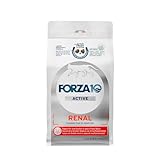
- TRUSTED ITALIAN NUTRITION: Pet food brand for dogs and cats, offering a wide range of recipes crafted with high-quality ingredients and veterinary expertise. Forza10 products are designed to support overall health and well-being, helping pets thrive at every stage of life.
- SUPPORTS HEALTHY KIDNEYS: Specially formulated pet food helps maintain kidney function and supports overall renal and cardiac health. Made with high-quality protein and essential nutrients to promote well-being while providing a taste pets enjoy.
- INGREDIENTS: Formulated with hydrolyzed protein and potato protein for controlled phosphorus and adapted protein content. Enriched with cranberries, dried dandelion, and dried clover extract to support kidney health. Free from GMOs, by-products, wheat, soy, artificial colors, or preservatives.
- WHAT'S INCLUDED: 1 bag, 0.88 pounds, providing complete, high-quality nutrition for your pet.
- EXPLORE MORE: Discover our full range of premium cat and dog food recipes, crafted with veterinary expertise and high-quality ingredients. Visit the Forza10 store to find the perfect meals to support your pet’s health and well-being
Questions to ask your veterinarian
- Is this more consistent with CKD, AKI, urinary obstruction, infection, or another disease?
- What are my cat’s creatinine, SDMA, phosphorus, potassium, urine concentration, UPC, and blood-pressure results?
- Is my cat stable enough to stage now, or should testing be repeated after hydration and treatment?
- Is a therapeutic renal diet appropriate, and which wet or dry textures should we try?
- How can we maintain calorie intake if my cat refuses the prescribed food?
- Does my cat need treatment for hypertension, proteinuria, infection, nausea, appetite loss, anemia, phosphorus, or potassium?
- Would a fountain, wet food, or another water setup be useful for this individual cat?
- Could home subcutaneous fluids help, and what exact fluid, volume, frequency, and technique should be used?
- Which signs mean I should seek emergency care?
- How often should blood pressure, bloodwork, urine, weight, and hydration be checked?
Key takeaway
Increased thirst, increased urination, weight loss, appetite changes, vomiting, and weakness can be signs of kidney disease, but they can also indicate other serious conditions. The safest path is veterinary testing that distinguishes CKD from AKI, obstruction, infection, and other illnesses. If CKD is confirmed, treatment focuses on an appropriate renal diet, hydration, blood pressure and complication control, regular monitoring, and preserving the cat’s comfort and calorie intake.
Frequently Asked Questions
Can kidney disease in cats be cured?
CKD usually cannot be cured because lost kidney tissue has limited ability to recover. However, treatment can manage complications, slow progression in some cats, and preserve comfort and quality of life. A sudden decline may instead be AKI, which can sometimes improve when its cause is treated, so the distinction requires veterinary testing.
What if my cat refuses a prescription renal diet?
A renal diet can help many cats, but the veterinarian should select it based on stage, phosphorus, body condition, appetite, and concurrent disease. If your cat eats much less or refuses the food, contact the veterinary team promptly. Maintaining calorie intake is more important than forcing a prolonged transition without guidance.
Should I buy a water fountain or give fluids at home?
A fountain may encourage a cat that prefers moving water to drink voluntarily, and wet food can increase water intake. Neither treats kidney disease or replaces prescribed subcutaneous or intravenous fluids. Home fluids should be given only after a veterinarian prescribes them and teaches you how to administer them.
Do increased thirst and urination prove that a cat has kidney disease?
No. Increased thirst and urination may also occur with diabetes, hyperthyroidism, liver disease, medication effects, and other disorders. Vomiting, weight loss, and appetite loss have many possible causes. Blood tests, urinalysis, blood-pressure measurement, and sometimes imaging are needed to investigate the problem.
When should a cat with possible kidney disease go to an emergency veterinarian?
Straining with little or no urine can indicate a urinary obstruction, which is an emergency. Sudden severe weakness, repeated vomiting, refusal to eat, collapse, seizures, vision changes, breathing difficulty, severe pain, dehydration, or blood in the urine also warrant prompt veterinary assessment.
The Bottom Line
Kidney disease in cats is manageable but requires an individualized veterinary plan. Arrange an examination for persistent thirst, urination changes, weight loss, or appetite problems, and seek emergency care for sudden deterioration, repeated vomiting, collapse, or straining with little or no urine. Do not start medication, supplements, prescription diets, or home fluids without veterinary guidance.
Windows Errors? Fix Them Before They Spread
Repair common Windows errors and clear accumulated junk for a smoother, more stable PC - no reinstall needed.Free scan · no reinstallOutdated Drivers Are Slowing You Down
One free scan finds every outdated or missing driver and matches the right update for your exact hardware.Free scan · exact hardware matchQuick Recap
Product prices and availability are accurate as of the date/time indicated and are subject to change. Any price and availability information displayed on Amazon at the time of purchase will apply.




