Do these 3 things before closing this tab:
1Scan for outdated or missing drivers - takes under a minute2Clear out junk files and repair common Windows errors3Fix the driver behind crashes, sound loss and screen glitchesIf your kitten won’t poop, first consider its age and whether it is passing urine. Kittens generally need help urinating and defecating until they are about three weeks old; older kittens may be constipated, dehydrated, ill, or dealing with an obstruction. Repeated straining, vomiting, weakness, poor appetite, a swollen belly, or little to no urine calls for prompt veterinary help.
First check whether your kitten can eliminate without help
Kittens generally begin eliminating on their own at about three weeks of age. Before then, a mother cat normally stimulates them; an orphaned kitten needs a caregiver to do so after feeds. VCA explains the age-related need and technique in its guide to feeding orphaned kittens.
As an Amazon Associate I earn from qualifying purchases.
After feeding, gently stroke the kitten’s genital and anal area with a warm, moistened cotton ball or soft cloth until it urinates or defecates. Use a light touch rather than rubbing hard. If you are unsure how to do this, ask a veterinarian to demonstrate. Track feeds, urine, stool, weight, and activity so you can describe changes clearly.
Recommended Free Tools
Check for an emergency before assuming constipation
Straining can look similar whether a kitten is trying to pass stool or urine. Watch what comes out, if anything. Little or no urine can indicate a urinary obstruction, which is an emergency; if you cannot tell whether your kitten is trying to urinate, contact an emergency veterinarian immediately. Cornell describes urinary signs and the risks of obstruction in its overview of feline lower urinary tract disease.
#1 Best Overall

- Dog multivitamins chewable for skin & coat : Dog multivitamin is rich in Omega-3 fatty acids and vitamin E,which can relieve skin allergies,dryness,itching and other problems.Multivitamin for dogs nourishes skin follicles.Long-term consumption of dog vitamins multivitamin can make dog hair stronger and smoother,and reduce coat loss.The COQ10 in dog multivitamin chewable can resist oxidation and delay cell aging.Dogs with skin injuries can eat dog vitamins and supplements to promote wound healing
- Dog multivitamin relieves joint inflammation: Dog vitamins for hip and joint can supplement high-quality MSM, glucosamine, and chondroitin sulfate to promote cartilage development and repair. Long-term consumption of dog multivitamins chewable can enhance the elasticity and toughness of joint cartilage, improve joint flexibility, and move more freely. Dog multivitamin chews can reduce joint friction and relieve joint pain. Dog vitamins and supplements can prevent and improve dog joint problems
- Dog multivitamin chews are good for the gut: Vet-endorsed formula dog vitamins and supplements made from natural ingredients.Dog vitamins multivitamin chewables contain a rich blend of probiotics to support intestinal and digestive health.Dog vitamins for small dogs can regulate the balance of intestinal flora,help calcium absorption,and promote bone development.Dog multivitamins chewables improve energy metabolism,converting food into energy, making dogs more energetic in their daily activities
- Dog multivitamin chews protect overall health:Senior dog vitamins and supplements help improve blood circulation and prevent cardiovascular disease.Dog multivitamins chewable support normal liver function,promote liver detoxification,and improve negative mood.For dog with heart problems and older dog,taking dog vitamins and supplements in moderation is an auxiliary health care measure.Dog vitamins multivitamin helps enhance white blood cell activity,improve immunity,prevent infection and disease
- Dog multivitamins chewable promote brain development: The DHA in krill oil in multivitamin for dogs is an important component of the brain and retina. Dog vitamins and supplements can improve dog cognitive ability. When training puppies to learn basic commands, puppies who are properly supplemented with dog vitamins multivitamin will behave more intelligently and improve memory.Dog supplements & vitamins can prevent and relieve eye problems such as dry eyes and tear stains, and keep eyes healthy
Repeated unproductive straining, hard or small stools, obvious pain, a swollen abdomen, vomiting, lethargy, weakness, or not eating warrant prompt veterinary guidance. Treat straining with no stool—especially alongside these signs—as urgent. PetMD’s kitten constipation guide flags no feces in 24–48 hours as a possible sign of constipation and describes obstipation, in which no stool is produced, as an emergency. That interval is not a universally safe waiting period: age, symptoms, and overall condition matter, so contact a veterinarian when you suspect constipation.
Seven possible reasons a kitten may not poop
These are possible explanations, not a ranking of how often each cause occurs. A veterinarian may need to examine your kitten to determine what is happening.
Rank #2
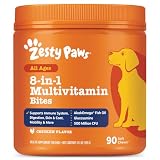
- 8-in-1 Formula - Zesty Paws Multifunctional Bites are functional supplement chews with premium ingredients that support physical performance, antioxidants, hip & joint, heart, immune, skin, liver, & gut health for dogs of all ages, breeds, and sizes.
- Skin Health & Antioxidants – For animals with sensitive skin, this formula contains Cod Liver Fish Oil and Vitamin E to help maintain normal moisture and CoQ10 to help reduce oxidative stress.
- Hip, Joint & Performance Support - Each dog chew features OptiMSM, a premium form of MSM for muscular support, which works synergistically with the Glucosamine HCl and Chondroitin Sulfate in these chews for hip and joint support plus Cod Liver Oil and B-Complex Vitamins support normal physical performance.
- Gut Health & Probiotics - These chews also contain a six-strain Gut Health Blend (500 million cfu per chew) and a Digestive Health Blend to promote gut flora while supporting normal bowel function for dogs.
- Heart, Liver & Immune Health - Multifunctional Bites feature powerful antioxidants, premium CoQ10, Cod Liver Oil and Vitamins A, C, & E to promote healthy cardiovascular function, support liver health and enhance immune response.
1. The kitten is too young to go unaided
A kitten younger than about three weeks may not yet eliminate independently. If it is orphaned, missed post-feed stimulation can lead to difficulty passing urine or stool.
The Tool Desk
Outbyte PC Repair FREERepair Windows errors before they cause bigger problemsFix Now →Outbyte Driver Updater FREEFix the driver behind crashes, sound loss and screen glitchesFind Drivers →2. Stimulation is missing or ineffective
Neonatal kittens need gentle stimulation, and infrequent or ineffective technique may interfere with elimination. Use a warm, damp cotton ball or soft cloth, and have a veterinarian show you the method if you are uncertain.
Rank #3

- COMPLETE 26-IN-1 DAILY WELLNESS FORMULA: Our advanced multivitamin for dogs is formulated to help support 26 vital nutritional areas as part of a daily routine. With essential vitamins A, C, D3, and E, these gummies help support the immune system and contribute to overall heart and brain health for dogs of all sizes.
- ADVANCED HIP AND JOINT MOBILITY SUPPORT: Formulated with Glucosamine HCl, Chondroitin, and MSM to help support cartilage health, joint flexibility, and everyday mobility — making them a great daily supplement for large breed dogs and active senior dogs.
- SKIN & COAT SUPPORT: Packed with Norwegian Salmon Oil and Biotin, our dog multivitamin helps nourish skin from within and supports a soft, glossy coat. Omega 3 fatty acids contribute to healthy skin and coat as part of a complete daily nutritional routine.
- PROBIOTICS & DIGESTIVE SUPPORT: Features a Six-Probiotic Blend (500 Million CFU) and Digestive Enzymes to help support gut health, smooth digestion, and nutrient absorption. Cranberry Powder is included as part of this comprehensive daily wellness formula.
- UNBEATABLE VALUE 250 COUNT JAR: Our 250-count jar provides lasting daily support in a delicious chicken flavor. Made in the USA in a GMP-certified facility, our soft chews are grain-free and suitable for puppies, adult, and senior dogs alike.
3. Dehydration or feeding difficulty
Dehydration can contribute to constipation. For an orphaned kitten, VCA recommends commercial kitten milk replacer rather than cow’s milk or homemade mixtures, and advises following the product’s directions. VCA states that “Commercial kitten milk replacers are recommended as they are superior to cow’s milk and homemade mixtures.” Milk replacer supports appropriate feeding; it is not a constipation treatment. Do not casually change formula concentration or feeding amounts.
4. A diet change or intolerance
Weaning, a change in food, or intolerance may affect bowel movements as a kitten transitions to solid food. A recent diet change is a clue to share with the veterinarian, not proof of the cause.
Rank #4

- Joint Health Supplement for Dogs: Cosequin is the #1 vet recommended retail joint health supplement brand, supporting joint health in dogs for over 25 years
- Contains Glucosamine for Dogs: Cosequin contains glucosamine hydrochloride (FCHG49) and sodium chondroitin sulfate (TRH122), plus methylsulfonylmethane (MSM). This unique combination of ingredients supports healthy joints
- For Any Breed or Size: Whether you have a young or senior dog, a small or large breed, Cosequin helps support their joint health
- Tasty Chews for Daily Use: Cosequin comes in a tasty chewable tablet, making daily administration easy and convenient
- Exceptional Quality: Cosequin is backed by science, undergoing thorough quality inspections to ensure your dog receives a safe, high-quality product. It is manufactured in the United States with globally sourced ingredients
5. Parasites or another illness
Parasites are one possible cause in weaned kittens. Pain or another illness can also disrupt normal elimination. Persistent or recurring difficulty merits a veterinary examination.
6. Swallowed material or an obstruction
Kittens may swallow string, hair ties, toy pieces, or other foreign material. An obstruction can resemble constipation and needs veterinary assessment; do not try to resolve suspected blockage with laxatives or other home remedies.
Best Value

- Itch & Allergy Relief with Omega-3 for Dogs - with 500mg of Omega (EPA+DHA) per serving, our chewable supplement helps with hot spots, dry itchy skin, ease itching, irritated skin, stops shedding.
- Skin & Coat + Hip & Joint Supplement Combined - Omega 3 is a vital element to keep your pet active, support healthy hip and joints, brain, heart, immune health. Can be served with regular pet food.
- Bark&Spark Commitment - we are keen to give best to our furry customers and we take NO compromise when it comes to product quality. Our omega 3 bites are made in the USA, with human grade ingredients.
- Up to 3 Month Supply - with 180 salmon oil treats per jar you keep your pet healthy while not spending a fortune on overpriced supplements. Best value.
- Is Your Dog a Picky Eater? We stick to simple formulas rich in natural flavors, that could tempt a fussy eater. No hassle with pills, powder, tablets or capsules.
7. Medication effects or a structural problem
Some medications can contribute to constipation, and congenital or other structural problems are among the possible causes. Tell the veterinarian about any medicines and when the problem began; do not stop a prescribed medicine without veterinary advice.
Independent reader supportYour contribution helps us test, update, and keep practical guides available for everyone.What to do while arranging care
- For an orphaned kitten under about three weeks, gently stimulate after feeds as described above.
- Note when the kitten last passed stool and urine, what the stool looked like, how often it strains, and any changes in eating, energy, or abdominal appearance.
- Tell the veterinarian about feeding or diet changes, medications, possible access to foreign objects, and the kitten’s age and weight.
- Do not give human laxatives, oils, suppositories, or enemas, and do not attempt invasive rectal stimulation unless a veterinarian specifically directs you. Treatment depends on the cause and may require an examination, hydration, tests, medication, dietary adjustment, or a procedure.
The National Kitten Coalition’s guidance on urgent kitten situations also describes signs that need veterinary attention. Cornell’s constipation overview explains that treatment choices depend on the individual cat and clinical circumstances.
Quick Recap
Product prices and availability are accurate as of the date/time indicated and are subject to change. Any price and availability information displayed on Amazon at the time of purchase will apply.




