
Most kittens begin tasting solid food at about four weeks old. Veterinary guidance places the usual start around 3.5 to 4.5 weeks, when a kitten can lap from a shallow dish. Begin with a soft gruel made from complete kitten food and kitten milk replacer, then reduce the added liquid as the kitten learns to eat. Put out fresh water during this transition rather than waiting for milk feeding to stop.
Weaning is gradual, not a single meal that replaces nursing or bottle-feeding. Many kittens are comfortable eating unmoistened kitten food by eight weeks; ASPCA guidance gives a broader usual completion range of eight to ten weeks. Individual timing varies, especially for orphaned kittens, so weight gain, appetite and comfort matter more than an exact birthday.
As an Amazon Associate I earn from qualifying purchases.
When do kittens start eating solid food?
Weaning normally begins at approximately four weeks. VCA describes a typical solid-food start between 3.5 and 4.5 weeks, while ASPCA places the beginning at about four weeks. At this age, a kitten is learning to lap and chew but may still depend substantially on its mother’s milk or an appropriate milk replacer.
The first food should be a smooth, lickable gruel rather than dry, hard pieces. Mix food formulated for kitten growth with kitten milk replacer until it has a loose, porridge-like consistency. Offer it in a shallow saucer so the kitten can reach it without climbing into a deep bowl. Let the kitten investigate and lap voluntarily.
#1 Best Overall
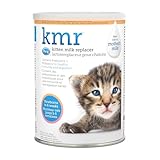
- KITTEN MILK REPLACEMENT - When mom can’t nourish them, KMR can. Scientifically the next best to mother’s milk, KMR provides all the nutritional elements necessary for kittens, newborn to six weeks old.
- COMPLETE, BALANCED NUTRITION - Our formula is closest to mother's milk in protein, fat, and carbohydrates. We’ve also added vitamins, minerals, and trace nutrients; plus prebiotics and probiotics for healthy immunity and digestion.
- EASY TO DIGEST - KMR is highly palatable and formulated with a special fiber blend for easy digestion and improved gut health.
- EASY-TO-MIX FORMULA - Whisk or shake 1 part powdered KMR into 2 parts warm water. Do not mix more KMR than can be consumed in 24 hours. Do not use a blender.
- ABOUT US - PetAg is a trusted leader in pet wellness, with science-backed formulas in our milk replacers, health supplements, and grooming products helping pet owners to proactively enhance the lives of their pets, for more healthy years together.
Over the following weeks, reduce the amount of replacer or other added moisture as the kitten eats more food. By about five to six weeks, ASPCA says kittens should be eating only lightly moistened food. By eight to ten weeks, they should generally be accustomed to unmoistened kitten food.
These are typical ranges, not deadlines. A kitten that is healthy, alert and steadily gaining weight may progress a little faster or slower. A kitten that cannot lap, refuses food or fails to gain weight needs veterinary advice rather than forced weaning.
When do kittens start drinking water?
Set out fresh, clean water as soon as weaning begins. ASPCA recommends placing water and food bowls in the kitten’s separate area as it becomes more independent. The kitten may take only a few laps at first because milk still supplies much of its fluid, but early access lets it learn where and how to drink.
Use a low, stable dish that the kitten can reach easily. Refresh the water so it remains clean, and keep it available while the diet changes from gruel to more solid food. Do not treat cow’s milk as a substitute for water or kitten milk replacer. ASPCA warns that cow’s milk can cause stomach upset and diarrhea in some kittens and says it should not be offered as a treat or replacement for water.
There is no need to wait for a kitten to stop nursing before offering water. Water and milk can be available during the overlap period; the kitten’s own intake will usually increase as solid food replaces milk.
Typical kitten weaning timeline
| Approximate age | What usually happens | What to offer |
|---|---|---|
| Before about 3.5 weeks | Most kittens remain dependent on their mother or a suitable milk replacer and may not be ready to lap food reliably. | Mother’s milk or veterinarian-guided kitten milk replacer. |
| About 3.5–4.5 weeks | Early weaning; the kitten begins investigating a dish and learning to lap. | Soft gruel in a shallow saucer, plus continued milk access. |
| About 4–5 weeks | Food intake gradually increases, but milk may still be important. | Kitten food mixed with replacer; begin offering fresh water. |
| About 5–6 weeks | Many kittens can manage food that is only lightly moistened. | Complete kitten food with progressively less added liquid; water always available. |
| About 8 weeks | VCA says kittens are typically fully weaned around this age. | Unmoistened kitten food and fresh water, provided the kitten is eating adequately. |
| About 8–10 weeks | ASPCA gives this as the usual range for completing the process. | Most kittens are accustomed to solid kitten food and drinking water independently. |
The ranges from ASPCA and VCA overlap: both describe a gradual transition beginning near four weeks and finishing around eight weeks, with ASPCA allowing completion through ten weeks. Neither source establishes one exact age for every kitten.
Rank #2

- KITTEN MILK REPLACEMENT - When mom can’t nourish them, KMR can. Scientifically the next best to mother’s milk, KMR provides all the nutritional elements necessary for kittens; newborn to six weeks old.
- COMPLETE, BALANCED NUTRITION - Our formula is closest to mother's milk in protein, fat and carbohydrates. We’ve also added vitamins, minerals and trace nutrients; plus prebiotics and probiotics for healthy immunity and digestion.
- EASY TO DIGEST - KMR is highly palatable and formulated with a special fiber blend for easy digestion and Improved gut health.
- EASY-TO-MIX FORMULA - Whisk or Shake 1 part powdered KMR into 2 parts warm water. Do not mix more KMR than can be consumed in 24 hours. Do not use a blender.
- ABOUT US - PetAg is a trusted leader in pet wellness, with science-backed formulas in our milk replacers, health supplements, and grooming products helping pet owners to proactively enhance the lives of their pets, for more healthy years together.
How to wean a kitten safely
1. Confirm that the kitten is ready to try
Readiness is practical rather than purely chronological. A kitten should be able to hold its head up, approach a shallow dish and attempt to lap without distress. Mother-raised kittens often copy their mother’s eating behavior. Orphaned kittens may need a little more help discovering the dish.
Do not remove milk abruptly just because the kitten has reached a particular week. Early tastes are practice; they are not proof that the kitten can meet all nutritional needs from solid food.
2. Offer kitten milk replacer in a shallow bowl
ASPCA recommends first placing kitten milk replacer in a shallow bowl and allowing the kitten to lap voluntarily. This teaches the lapping motion before food is added. Keep the bowl low enough that the kitten does not have to climb or lean deeply into it.
3. Make a smooth gruel
Mix complete kitten food formulated for growth with kitten milk replacer to make a soft gruel. The food should be easy to lick and not require the kitten to manage large, dry pieces. Put a small amount in the saucer and supervise the first attempts.
A kitten may step in the dish, sneeze, or wear food on its face while learning. Clean the kitten gently and keep the feeding area dry and warm. The goal is voluntary lapping, not a perfect first meal.
4. Reduce moisture gradually
As the kitten reliably eats the gruel, decrease the amount of added replacer over successive meals. The texture should become thicker and then only lightly moistened. ASPCA’s practical milestones are lightly moistened food at about five to six weeks and unmoistened kitten food by about eight to ten weeks.
Rank #3
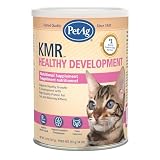
- NUTRITIONAL SUPPLEMENT - KMR Healthy Development supports healthy growth and development with high-quality protein for cats weaning to 6 years.
- SUPPORTS COGNITIVE DEVELOPMENT – With DHA (Omega 3 fatty acids) and Vitamin E, our formula supports visual & cognitive development.
- CONTAINS OMEGA 6 FATTY ACIDS - Our powder contains Omega 6 fatty acids to support a healthy skin and coat.
- GREAT TASTE - KMR Healthy Development is formulated with a great taste cats love. Supports transition to solid foods for weaning kittens.
- ABOUT US - PetAg is a trusted leader in pet wellness, with science-backed formulas in our milk replacers, health supplements, and grooming products helping pet owners to proactively enhance the lives of their pets, for more healthy years together.
Let appetite and stool tolerance guide the pace. If a change leads to refusal, marked stomach upset or poor weight gain, pause the progression and ask a veterinarian how to adjust it.
5. Keep milk available until the kitten is eating enough
During the overlap, the mother may continue nursing, or an orphan may still need bottle or other veterinarian-directed replacer feedings. Solid food should displace milk progressively. A kitten that merely licks a little gruel is not necessarily ready to lose its milk source.
6. Provide water throughout the transition
Place clean water beside the food area and leave it available. The kitten may drink only small amounts initially, particularly when the gruel contains substantial moisture. Continued access is important as the food becomes drier.
Quick wins for a faster PC:
Fix the driver behind crashes, sound loss and screen glitchesFind Drivers →Clear out junk files and repair common Windows errorsFree Scan →Scan for outdated or missing drivers - takes under a minuteDriver Scan →What food should a weaning kitten eat?
Choose a complete food labeled for kitten growth rather than an adult-maintenance diet. VCA notes that growing kittens have different nutrient needs from adult cats and should receive food formulated for growth. The guidance does not identify one preferred brand.
Wet kitten food is often convenient for the first gruel because it is already soft, but the key requirement is the nutritional formulation and a texture the kitten can manage. As weaning progresses, the same growth-formulated food can be offered with less moisture until the kitten eats it unmoistened.
For a kitten still dependent on milk, use a proper kitten milk replacer, not cow’s milk. If the kitten is orphaned, unusually small, sick or unable to feed normally, ask a veterinarian which replacer and feeding method are appropriate.
Rank #4

- KITTEN MILK REPLACEMENT - When mom can’t nourish them, KMR Goat’s Milk can. Scientifically the next best to mother’s milk, KMR Goat’s Milk provides all the nutritional elements necessary for newborn kittens to 1 year old.
- COMPLETE, BALANCED NUTRITION - Our formula is closest to mother's milk in protein, fat, and carbohydrates. We’ve also added vitamins, minerals, and trace nutrients.
- EASY TO DIGEST - KMR Goat’s Milk is highly palatable and formulated with whole goat’s milk and a special fiber blend for easy digestion and improved gut health. This formula is complete and balanced closest to mother’s milk in protein, fat, and carbohydrates.
- EASY-TO-MIX FORMULA - Shake gently before use. Warm KMR to room or body temperature before serving. Portable, Tetra Pak container is resealable. Once opened, container must be refrigerated and discarded after 72 hours.
- ABOUT US - PetAg offers solutions to enrich the lives of animals & their caregivers. From nutritional supplements to grooming products, all our products are science-backed, formulated with high-quality ingredients, and supported by quality control.
Mother-raised versus orphaned kittens
Mother-raised kittens
A mother-raised kitten can usually continue nursing while it experiments with gruel and water. The mother’s milk supplies a nutritional safety net during the early attempts, so there is generally no reason to force a rapid change. Offer the shallow dishes in a separate, clean area where the kitten can explore safely.
Free tools Windows power users keep installed
One-click scans. No signup required.
Orphaned or hand-fed kittens
ASPCA says hand-fed kittens may begin weaning at about three weeks, somewhat earlier than the usual four-week start. That earlier introduction does not mean every orphan should be weaned immediately. VCA recommends veterinary guidance for very young, unweaned kittens and their replacement milk.
Continue the replacer plan prescribed for the kitten while introducing gruel gradually. Monitor whether the kitten actually swallows food, remains hydrated and continues to gain weight. An orphan has no nursing mother to compensate for a failed meal, so a missed intake deserves more attention.
Never push a kitten’s nose into liquid. ASPCA warns that a kitten may inhale the liquid, creating a risk of lung problems. Put the dish in front of the kitten and allow it to lap at its own pace.
Signs that the transition is going well
- The kitten approaches the dish and laps voluntarily.
- It gradually eats more food as the mixture becomes less moist.
- It begins taking some water while food moisture decreases.
- It remains alert and comfortable after meals.
- Its body weight continues to increase rather than stall or fall.
These observations are more useful than forcing a calendar target. A kitten can be eight weeks old and still need a slower transition, or an orphan can show interest earlier while remaining dependent on replacer.
What’s actually slowing this PC down?
Pick the symptom - the matching free tool is one click away.
Problems that require veterinary advice
Contact a veterinarian if a kitten will not eat, cannot lap, repeatedly vomits, develops significant diarrhea, seems weak or dehydrated, or does not gain weight. VCA states plainly: “Failure to gain weight may indicate a problem and the need for veterinary care.”
Best Value

- KITTEN MILK REPLACEMENT - When mom can’t nourish them, KMR can. Scientifically the next best to mother’s milk, KMR provides all the nutritional elements necessary for newborn kittens to 1 year old.
- COMPLETE, BALANCED NUTRITION - Our formula is closest to mother's milk in protein, fat, and carbohydrates. We’ve also added vitamins, minerals, and trace nutrients for healthy immunity and digestion.
- EASY TO DIGEST - KMR is highly palatable and formulated with a special fiber blend for easy digestion and improved gut health.
- EASY-TO-USE FORMULA - Shake gently before use. Warm KMR to room or body temperature before serving. Portable, Tetra Pak container is resealable. Once opened, container must be refrigerated and discarded after 72 hours.
- ABOUT US - PetAg offers solutions to enrich the lives of animals & their caregivers. From nutritional supplements to grooming products, all our products are science-backed, formulated with high-quality ingredients, and supported by quality control.
Seek advice promptly for very young orphaned kittens, because the correct milk-replacer preparation and feeding technique are especially important before they can eat enough solid food. Also ask for help if you are unsure whether a kitten is receiving enough milk while solids are being introduced.
Do not try to solve poor intake by switching suddenly to cow’s milk or by forcing liquid into the mouth. Both approaches can create additional problems, and neither replaces an examination when a kitten is failing to thrive.
Common weaning mistakes to avoid
- Expecting an overnight switch: Weaning normally takes several weeks, with milk and solids overlapping.
- Using adult cat food: Growing kittens need a diet formulated for growth.
- Withholding milk too soon: Early lapping is exploratory; maintain the appropriate milk source until solid intake is adequate.
- Offering cow’s milk: It can cause stomach upset and diarrhea and is not a water substitute.
- Forcing the kitten’s face into a dish: Liquid can be inhaled and may cause lung problems.
- Ignoring weight: A stalled or declining weight is a health warning, not simply a slow preference for solids.
- Leaving water until later: Fresh water should be available as soon as weaning starts.
When is a kitten fully weaned?
VCA describes full weaning at about eight weeks, while ASPCA gives a usual completion range of eight to ten weeks. At completion, the kitten should be eating unmoistened, growth-formulated kitten food and drinking water independently, without relying on nursing or bottle feedings for its basic intake.
Do these 3 things before closing this tab:
1Fix the driver behind crashes, sound loss and screen glitches2Clear out junk files and repair common Windows errors3Scan for outdated or missing drivers - takes under a minuteUse that description—not the birthday alone—to judge readiness. If a kitten still eats only a few licks, needs substantial replacer, or is not gaining weight, it is not finished simply because it has reached eight weeks. Slow the reduction of moisture or milk and obtain veterinary guidance when progress is poor.
A simple setup for the weaning area
- Use a shallow saucer for gruel and a separate low dish for water.
- Choose a quiet, clean area where the kitten can reach both dishes safely.
- Prepare gruel with complete kitten food and appropriate kitten milk replacer.
- Replace leftover food and refresh water so the dishes stay clean.
- Wipe the kitten and surrounding surface after messy early meals.
- Track appetite and body weight so a gradual decline is noticed quickly.
The central rule is progression: introduce food near four weeks, offer water at the same stage, and reduce moisture and milk only as the kitten demonstrates that it can eat, drink and continue growing.
Quick Recap
Product prices and availability are accurate as of the date/time indicated and are subject to change. Any price and availability information displayed on Amazon at the time of purchase will apply.





Leave a Reply