Quick wins for a faster PC:
Fix the driver behind crashes, sound loss and screen glitchesFind Drivers →Repair Windows errors before they cause bigger problemsFix Now →Scan for outdated or missing drivers - takes under a minuteDriver Scan →Labored breathing in a dog is an emergency. A dog that is visibly struggling to breathe can worsen quickly, even if the gums are not blue and the dog is still standing. Call the nearest emergency veterinary hospital and start traveling if your dog has persistent rapid breathing, unusual open-mouth breathing, forceful abdominal movement, noisy breathing, a stretched-out neck, pale or blue gums, weakness, collapse, or extreme distress.
Do not assume the problem is anxiety, heat, or ordinary panting. Breathing difficulty is a sign shared by airway blockages, pneumonia, heart disease, fluid or air around the lungs, pain, anemia, and several other conditions that need different treatments.
As an Amazon Associate I earn from qualifying purchases.
How to recognize labored breathing
Normal breathing should be quiet and require little visible effort. A relaxed or sleeping dog typically takes about 12–30 breaths per minute. Count one chest rise and fall as one breath, and count only when your dog is calm or asleep—not after exercise, excitement, heat exposure, or panting.
The Tool Desk
Outbyte PC Repair FREERepair Windows errors before they cause bigger problemsFix Now →Outbyte Driver Updater FREEScan for outdated or missing drivers - takes under a minuteDriver Scan →A sleeping respiratory rate that remains above 30 breaths per minute is concerning. Cornell advises contacting a veterinarian when a relaxed or sleeping dog is consistently above 35 breaths per minute, especially if the rate is increasing or other signs are present. The number is useful for monitoring, but visible effort matters more than a number: a dog breathing 28 times per minute with pronounced effort still needs urgent care.
#1 Best Overall
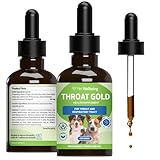
- ✅ BETTER QUALITY OF LIFE. Are you concerned about your dog's quality of life? Outward signs of discomfort, anxiety, and stress can have a devastating impact on our pet family. We're here to help.
- ✅ SOOTHING. Our veterinarians have selected demulcent herbs known to soothe throat, trachea, and occasional cough. Formulated with Slippery Elm and Mullein leaf, rich in mucilage that helps settle pet cough and sore throat.
- ✅ IMMUNITY. Supports the immune response in the upper respiratory tract to help maintain healthy tissues and optimal immune defense.
- ✅ RECOVERY. Provides comforting relief for hacking and throat irritation due to leash strain, soothing upper airway discomfort.
- ✅ VETERINARIAN-FORMULATED. MADE IN USA. MONEY-BACK GUARANTEE. TRUSTED CARE SINCE 2001. Developed by our caring, in-house holistic veterinarians with your pet's health and wellbeing in mind. All of our vet-created supplements are manufactured in the USA in FDA-registered, GMP-certified facilities. Made with only the highest quality ingredients and tested for purity.
| Sign | Why it matters |
|---|---|
| Strong abdominal movement with each breath | The dog is using extra muscles to draw air in or push it out. |
| Head and neck stretched forward; elbows held away from the chest | This posture may help open the airway or maximize chest expansion. |
| Open-mouth breathing at rest | Unlike ordinary post-exercise panting, this can indicate respiratory distress. |
| Wheezing, whistling, snorting, or harsh breathing | Noisy airflow can occur with an obstructed or narrowed airway. |
| Short, shallow, rapid breaths or asynchronous chest and abdomen movement | May occur when the lungs cannot expand normally or the chest contains air or fluid. |
| Blue, gray, purple, muddy, or unusually pale gums or tongue | Suggests severely impaired oxygen delivery. This is a late, dangerous sign. |
| Weakness, fainting, collapse, confusion, or extreme anxiety | May indicate that oxygenation or circulation is failing. |
Blue or gray gums are not a signal to wait until the situation becomes clearer. A dog can be critically ill before cyanosis appears.
What to do immediately
- Call an emergency veterinary hospital. Say clearly that your dog is having difficulty breathing. The team can prepare oxygen and tell you how to transport the dog.
- Keep your dog quiet and cool. Use air conditioning in the car. Heat, excitement, restraint, and exertion can increase oxygen demand and make breathing harder.
- Allow the position that makes breathing easiest. Do not force the dog to lie down. If the dog is too weak to stand, transport them on their stomach with the chin supported and the neck extended, as advised by Cornell’s respiratory-distress guidance.
- Handle as little as possible. Do not force food, water, or medication.
- Do not put your fingers in the mouth of a conscious, distressed dog. A frightened dog may bite, and reaching into the throat can push an object farther in. Do not muzzle a dog with breathing difficulty, a chest injury, or a short nose.
- If the dog becomes unconscious and stops breathing, follow the emergency veterinarian’s real-time instructions about airway management or CPR.
Do not spend time checking multiple home remedies or using leftover antibiotics, steroids, diuretics, or inhalers. The same breathing sign can result from fluid, infection, obstruction, bleeding, or heart disease, and a medication useful for one cause may be ineffective or harmful for another.
Possible causes of breathing difficulty
Labored breathing is not a diagnosis. Veterinarians usually organize the possibilities by the part of the body involved.
Upper-airway obstruction
A foreign object in the throat, swelling, bleeding, a mass, laryngeal paralysis, severe tracheal narrowing, or tracheal collapse can restrict airflow. Short-nosed breeds may have brachycephalic obstructive airway syndrome, in which narrowed nostrils, an elongated soft palate, and other anatomical changes make breathing difficult.
Rank #2
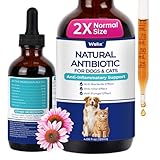
- Supports Wound Care - This natural antibiotics for cats promote natural wound healing. Formulated with natural ingredients that support antioxidant properties, it helps soothe and maintain healthy skin and coat
- Promotes Respiratory Health - Provides cat respiratory infection treatment and cat cold relief, easing sneezing, congestion and runny nose for cats and dogs. It also helps with feline upper respiratory infection in pets
- Natural Ingredients - Wellix Pet Antibiotic Drops are rich in Pau D'Arco, Echinacea, Goldenseal, and other natural ingredients. This cat herbal supplement provides a gentle yet effective solution, delivering essential nutritional support
- Easy to Use & 4 oz Large Volume - This natural antibiotic for cats can be easily mixed into pet food or treats, or administered directly by mouth. As a liquid antibiotic specifically designed for oral use, the large volume can last up to 4 months
- For Cats, Dogs, Kittens & Puppies - Wellix Pet Antibiotics for Cats and Dogs are specially formulated for pets of all breeds and sizes. The recommended dosage of this cat uti treatment and cat sneezing treatment drops can be found on the packaging
Noisy inhalation can point toward an obstruction in the upper airway. Dogs with tracheal collapse may cough or make a harsh, honking sound, with signs worsening during excitement, heat, eating, drinking, or neck pressure from a collar. A sudden onset after chewing or eating raises concern for a foreign object.
Lung disease
Pneumonia—including aspiration pneumonia—can cause coughing, fever, tiredness, exercise intolerance, rapid breathing, and increased effort. Other lung causes include severe bronchitis or inflammatory airway disease, pulmonary edema, lung lobe torsion, cancer, pulmonary hemorrhage, blood clots in the lungs, and severe allergic or toxic reactions.
Pulmonary edema means fluid has accumulated in the lungs. Heart disease is one cause, but allergic reactions, infection, trauma, and other noncardiac conditions can also produce it. That distinction matters because treatment depends on the source of the fluid.
Do these 3 things before closing this tab:
1Scan for outdated or missing drivers - takes under a minute2Clear out junk files and repair common Windows errors3Fix the driver behind crashes, sound loss and screen glitchesAir or fluid around the lungs
The pleural space lies between the lungs and the chest wall. Air (pneumothorax), fluid, blood, pus, or chyle in this space can prevent the lungs from expanding. Dogs may breathe rapidly and shallowly, show strong effort, or have chest and abdominal movements that do not coordinate normally. Trauma is one possible cause, but these problems can also occur without an obvious injury.
Rank #3

- FOR SUCH CONDITIONS: Dog and cat antibiotic helps with allergies, UTIs, and breathing moments. Naturally supports overall resilience and maintains a balanced internal environment.
- NATURAL COMPOSITION: Plant-based ingredients, such as Pau D'Arco, Olive, Thyme, Goldenseal, Ginger, Cranberry, and Echinacea Purpurea, are ideal for natural antibiotics for cats and dogs.
- SAFE AND EFFECTIVE: Free of GMOs and artificial additives, our feline UTI treatment and canine supplement is safe for small and senior pets. High-quality compound gently cares for easy digestion.
- DOSE AS FOLLOWS: Our dog and cat antibiotics are made with a convenient dropper that allows precise dosage. <10 lbs = 1/2 dropper, 10-35 lbs = 1 1/4 dropper, 36+ lbs = 2 droppers.
- DURATION OF USE: Give our Natural Antibiotic 1–2 times daily for 2–3 weeks, then allow a 7–14 day pause. The course may be repeated to maintain consistent nutritional support for your companion.
Heart and circulatory disease
Heart disease can contribute to breathing difficulty through pulmonary edema, fluid around the lungs, pulmonary hypertension, or reduced blood flow. Other signs may include coughing, weakness, reduced exercise tolerance, lethargy, fainting, or collapse. Heartworm disease can damage the pulmonary arteries and contribute to pulmonary hypertension.
A heart murmur does not prove that a breathing episode is caused by heart failure. Dogs can have a murmur and a separate airway or lung problem, while some serious respiratory conditions occur without a previously known murmur.
Other conditions that can look similar
Pain, heat stress, anemia, neuromuscular disease, anxiety, and metabolic or blood-pH abnormalities can cause rapid breathing or increase the work of breathing. These problems can also occur alongside genuine lung or heart disease, so visible distress should not automatically be dismissed as nervousness.
What’s actually slowing this PC down?
Pick the symptom - the matching free tool is one click away.
How an emergency veterinarian investigates the problem
Stabilization comes first. The veterinary team may assess the breathing pattern, gum color, heart and lung sounds, temperature, pulse, blood pressure, and oxygen saturation. Oxygen may be started before a complete examination or imaging, because handling an unstable dog can make the distress worse.
Rank #4

- 100% NATURAL RECIPE – Made with real chicken, beef bones, and wholesome vegetables like carrots and beets. Unlike liquid alternatives with artificial flavorings and chemicals, our dog chews are crafted using only real, natural ingredients.
- 9 ACTIVE INGREDIENTS – Our formula combines 9 carefully selected active ingredients designed to provide relief for coughing and respiratory discomfort in dogs, promoting easier breathing and soothing throat irritation.
- EASY ADMINISTRATION – No more struggling with liquids or pills. Our cough relief formula is conveniently packed into tasty, chewable treats that dogs love, making administration simple for both pets and owners.
- MESS & SPILL FREE – Unlike liquid cough remedies that can spill, stain, and emit strong odors, our chewable treats are clean and easy to use with no mess or unpleasant scents. Just give your dog a treat—no cleanup required!
- ACCURATE DOSING EVERY TIME – With our chewable treats, you can trust that your dog is getting the exact dose they need. Unlike liquids, where spills or refusal to eat can lead to inconsistent dosing, our treats ensure precise, reliable administration every time.
Once the dog is stable enough, testing may include:
- Chest radiographs to look for pneumonia, edema, masses, or changes in the heart and lungs.
- Point-of-care ultrasound or echocardiography to assess the lungs, heart, and fluid around the lungs.
- Blood tests, including a complete blood count and chemistry panel.
- Pulse oximetry or blood-gas analysis to evaluate oxygenation and ventilation.
- Heartworm testing and, when appropriate, infectious-disease testing.
- Airway examination, endoscopy, bronchoscopy, fluoroscopy, or dynamic imaging for suspected airway disease.
- Sampling or drainage of fluid from the chest.
- Airway or lung cultures when infection is suspected.
Chest X-rays are common for coughing, rapid shallow breathing, and respiratory effort, but a severely unstable dog may need oxygen and other support before being moved or positioned for imaging.
Independent reader supportYour contribution helps us test, update, and keep practical guides available for everyone.Treatment options
Treatment is directed at the cause while the veterinary team protects oxygen delivery. Possible interventions include:
- Supplemental oxygen through an oxygen cage, mask, nasal cannula, or another method.
- Low-stress handling and carefully selected sedation when anxiety or struggling is worsening the breathing effort.
- Removal of an obstruction from the airway.
- Intubation or mechanical ventilation when oxygen levels remain inadequate or respiratory failure is approaching.
- Chest drainage for pneumothorax or pleural effusion.
- Diuretics for appropriately diagnosed cardiogenic pulmonary edema.
- Antibiotics and supportive care when bacterial pneumonia is suspected or confirmed.
- Bronchodilators or anti-inflammatory treatment for selected airway diseases.
- Surgery for some foreign bodies, tumors, trauma, severe brachycephalic airway disease, or structural airway problems.
- Cause-specific treatment for heart failure, heartworm disease, poisoning, allergic reactions, or other systemic illness.
Oxygen supports the dog but does not remove an obstruction, cure pneumonia, or correct heart disease. Similarly, diuretics are not a universal treatment for breathing difficulty. Fluid from pneumonia, bleeding, or noncardiogenic pulmonary edema may not respond to them.
Best Value

- Support for Stuffy Noses & Seasonal Sensitivity: Gentle yet effective coughing, gagging, and dog nasal congestion relief supports easier sniffing and breathing for small and flat dog nose breeds struggling during seasonal or environmental changes.
- Safe Senior & Sensitive Cough Relief for Dogs: Trusted by pet parents for daily wellness, this gentle, non-drowsy homeopathic formula eases cough, runny nose, and congestion without additives, extra calories, or harsh side effects.
- Quieter Nights, Calmer Walks: A gentle daily throat soother for dogs that eases hacking, wheezing, and helps calm dog breathing, snoring, and other dog cough sounds for comfortable rest and smoother outings—a great addition to a dog humidifier.
- Stress-Free Tiny Pills: Odorless, tasteless pellets mix with food or dissolve in water for easy respiratory support for dogs - a canine and parent-approved dog supplement perfect for picky pups or those who resist syrups, chews, or larger tablets.
- Long‑Lasting Cough Suppressant for Dogs: 400 tiny pills, enough for weeks of use or sharing among multiple dogs at home, a doggy daycare, or in a kennel, help calm persistent coughing so both pups and owners can have peace of mind and a restful night.
Reducing the risk of future breathing emergencies
Not every case can be prevented, but these measures lower risk and help identify disease earlier:
- Keep routine vaccinations current and ask your veterinarian which vaccines fit your dog’s lifestyle.
- Give year-round heartworm prevention as prescribed and complete recommended testing.
- Prevent overheating. Limit exercise in hot or humid weather, take extra care with short-nosed dogs, and never leave a dog in a parked vehicle.
- Maintain a healthy body weight; excess weight increases the work of breathing and heat intolerance.
- Use a harness instead of a collar that puts pressure on the neck, especially if your dog coughs or has suspected tracheal collapse.
- Reduce contact with coughing or visibly ill dogs. During respiratory outbreaks, avoid shared bowls, toys, and chews and use caution with daycare, boarding, and dog parks.
- Arrange veterinary care for a persistent cough, noisy breathing, exercise intolerance, fainting, or a rising sleeping respiratory rate.
- Keep regular veterinary appointments so murmurs, obesity, airway disease, and other risk factors can be found before an emergency.
Unsafe assumptions to avoid
| Claim | What is safer to assume |
|---|---|
| “It is only panting.” | Panting after exercise or excitement may be normal. Persistent panting at rest, abdominal effort, abnormal posture, weakness, or gum-color changes require urgent assessment. |
| “A cough means heart failure.” | Primary airway and lung disease are common causes of coughing. Testing is needed to distinguish them. |
| “The murmur proves the breathing problem is cardiac.” | A murmur and respiratory distress may be related—or may be separate problems. |
| “Blue gums are the first warning.” | Cyanosis can appear late, after substantial loss of respiratory function. |
| “A short-nosed dog is simply noisy.” | Snoring, snorting, heat intolerance, exercise intolerance, and noisy breathing can reflect airway obstruction. |
| “I can try a home remedy first.” | Different causes require opposite treatments. Delaying examination can make a treatable emergency more dangerous. |
FAQ
When should I take my dog to an emergency vet for breathing problems?
Go immediately if breathing remains rapid at rest or your dog is visibly working to breathe, breathing with an open mouth, using the abdomen forcefully, stretching the neck forward, making harsh or wheezing sounds, showing pale or blue gums, or becoming weak, confused, faint, or collapsed.
How can I tell whether my dog is panting normally?
Normal panting should settle after exercise, excitement, or heat exposure as your dog rests and cools. Panting at rest, persistent rapid breathing during sleep, abdominal effort, an unusual posture, noisy breathing, or weakness is not safely explained by ordinary panting.
What should I do while transporting a dog that is struggling to breathe?
Call the emergency hospital, keep the dog cool and quiet, minimize restraint, and allow the position that makes breathing easiest. If the dog cannot stand, transport them on their stomach with the chin supported and neck extended. Do not force food, water, or medication, and do not muzzle the dog.
Can I give my dog a diuretic, antibiotic, or other leftover medicine?
No. Breathing difficulty can result from obstruction, pneumonia, bleeding, heart disease, fluid around the lungs, poisoning, and other conditions with different treatments. Give medication only when directed by a veterinarian who knows the cause.
The Bottom Line
Visible breathing effort is an emergency, not a symptom to monitor overnight. Keep your dog cool, quiet, and in the position that helps them breathe while you contact an emergency veterinarian. Do not wait for blue gums, and do not rely on leftover medication or a home remedy.
Quick Recap
Product prices and availability are accurate as of the date/time indicated and are subject to change. Any price and availability information displayed on Amazon at the time of purchase will apply.
Recommended Free Tools




