Lamb starvation is a husbandry and health concern, not a diagnosis that can be confirmed by one sign. It often involves inadequate milk or energy intake and can become entangled with chilling: a lamb that is not nursing may lose energy and become cold, while a chilled, weak lamb may nurse less and deteriorate further. Check whether milk is actually reaching the lamb, assess its warmth and vigor, and get veterinary or experienced assistance promptly if it is weak, cold, or unable to suckle.
What lamb starvation means
In newborn lambs, “starvation” commonly describes inadequate intake of milk or energy, especially when the lamb has not received enough colostrum or is not nursing effectively. It can overlap with hypothermia rather than occur as a separate problem. The Canadian sheep code describes a starvation–hypothermia complex in which poor intake and chilling can reinforce one another; neither condition should be inferred from a single symptom. Canadian sheep code
Signs that need prompt assessment
Possible warning signs include a hunched posture, an empty-looking gut, reduced activity or vigor, weakness, or failure to stretch normally when standing. These signs are reasons to assess the lamb promptly, but they do not establish the cause on their own. NC State Extension and Virginia Tech Extension describe several of these observations as indicators of a lamb that may need attention.
Check nursing and milk transfer
Observe whether the lamb is truly suckling and swallowing rather than merely standing at the udder. Inspect the ewe’s udder and teat ends and check that she has milk. Teat wax plugs can block milk even when a lamb appears to nurse, according to Virginia Tech Extension.
Crashes, No Sound, or Screen Glitches?
Random freezes, missing sound and display glitches usually trace back to one bad driver. Find and replace yours safely.Free scan · under a minuteWindows Errors? Fix Them Before They Spread
Repair common Windows errors and clear accumulated junk for a smoother, more stable PC - no reinstall needed.Free scan · no reinstall#1 Best Overall
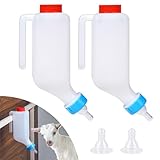
- Introducing our lamb milking bottle, a must-have tool for any livestock owner or animal caretaker. This innovative product is designed with thick silicone nipples that are soft and not easily torn, making it suitable for a variety of small animals including pigs, sheep, cats, and dogs
- The unique hangable design of the feeding bottle allows you to conveniently hang it anywhere, making feeding time a breeze. Whether you're in the barn or out in the field, this bottle will always be within reach
- Not only does our lamb milking bottle save you time and effort, but it also helps improve work efficiency
- With its scale display feature, you can easily and accurately quantify the amount of milk being fed to your animals
- Package including 2pcs milking bottle and 2 replacement nipples.
Measure temperature if chilling is suspected
Ontario’s newborn-lamb care guidance gives a normal rectal temperature of 39–40°C, mild hypothermia at 37–39°C, and moderate to severe hypothermia below 37°C. It identifies rectal temperature as the best way to recognize hypothermia. These are Ontario guidance thresholds, not a substitute for assessing the whole lamb or consulting a veterinarian. Ontario newborn-lamb care guidance
Why a lamb may not get enough milk or energy
Several factors can contribute, and more than one may be involved:
Rank #2

- All-in-One Feeding Kit: This goat bottles for feeding baby goats is specially designed for baby goats, lambs, calves, and other small farm animals. The perfect solution for nursing and weaning, suitable for both cold and warm milk
- Safe & Durable Material: Lamb bottle grafted from durable, non-toxic plastic, these goat bottle nipples are built to last and are safe for your animals. The soft, realistic nipples mimic the natural mother's feel, encouraging easy latching and reducing stress during feeding
- Leak-Proof Design: The clear bottle features precise measurement markings for accurate formula mixing. The screw-on neck design prevents annoying leaks and spills, making feeding time cleaner and more efficient
- Easy to Clean: The wide-mouth bottle design allows for effortless cleaning and thorough sterilization. Both bottle and nipple are easy to disassemble, ensuring a hygienic feeding environment for your young livestock
- Satisfaction Guarantee: We are committed to providing high-quality products and excellent customer service. If you have any questions or concerns, please contact us, and we will respond promptly to ensure your satisfaction
- Colostrum was delayed or insufficient, or the lamb has not begun nursing.
- The ewe has low milk supply, or milk cannot pass through an obstructed teat.
- Several lambs are competing for milk, or the ewe rejects a lamb or provides inadequate maternal care.
- Chilling reduces the lamb’s vigor and ability or willingness to nurse.
- Difficult birth (dystocia) or low energy reserves leave the lamb less vigorous and more vulnerable.
Identifying the specific cause may require examination of both ewe and lamb; avoid assuming that a weak or empty-looking lamb has only one problem.
Preventing inadequate intake
Observe newborns and verify nursing
Watch lambs closely during their first hours and days. Confirm effective nursing, and check the ewe’s udder, milk supply, and teat ends. Virginia Tech Extension advises that lambs receive adequate colostrum within 30–60 minutes after birth and discusses checking for milk and teat plugs. This is that source’s recommendation, not a universal protocol.
Free tools Windows power users keep installed
One-click scans. No signup required.
Rank #3
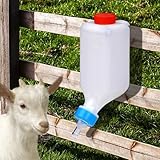
- Introducing our lamb milking bottle, a must-have tool for any livestock owner or animal caretaker. This innovative product is designed with thick silicone nipples that are soft and not easily torn, making it suitable for a variety of small animals including pigs, sheep, dogs
- The unique hangable design of the feeding bottle allows you to conveniently hang it anywhere, making feeding time a breeze. Whether you're in the barn or out in the field, this bottle will always be within reach
- Not only does our lamb milking bottle save you time and effort, but it also helps improve work efficiency
- With its scale display feature, you can easily and accurately quantify the amount of milk being fed to your animals
- Package including 1 piece milking bottle and 1 replacement nipple.
Meet colostrum needs
Virginia State University Extension recommends a total of colostrum equal to 10% of a newborn lamb’s or kid’s body weight by 18 hours of age, divided into three to four feedings. This is VSU Extension’s guidance; it should not be combined with the distinct Virginia Tech timing recommendation as though the sources set one shared schedule. Virginia State University Extension
If natural nursing is not possible, VSU Extension discusses frozen or powdered colostrum and notes that tube feeding may be needed for weak or small newborns. It also recommends high-quality lamb/kid powdered milk replacer when ongoing milk intake is insufficient, used according to the product label. Feeding method and amount depend on the lamb’s condition and the caregiver’s training; seek skilled help rather than attempting a technique you have not been taught.
Rank #4

- Precise Measurement Markings: Clear measurement markings allow for precise measurement of animal intake, you can easily and accurately quantify the amount of milk being fed to your animals
- Convenient Hanging Design: The unique hanging design allows the bottle to be hanging anywhere, whether on fences or railings. Hands-free upside-down feeding keeps the bottle stable while young animals drink
- Durable Silicone Nipple: Features a thickened silicone nipple with a soft texture that resists tearing, suitable for various small animals including piglets, lambs, puppies, goats, doelings, fawns, and kittens. Resistant to biting and wear, ensuring long-term use for multiple animals
- Complete Package Contents: Package including 2pcs milk bottles and 2 pcs replacement nipples
- Time-Saving Efficiency: This lamb milking bottle saves time and boosts efficiency for farmers during feeding routines
What to do if a lamb is weak, cold, or not nursing
Contact a veterinarian or trained lambing-care provider promptly if the lamb is markedly weak, cold, unable to suckle, or not improving. Ontario guidance bases treatment pathways on temperature, age, and suckling ability, and describes shelter, drying a wet lamb, energy provision, warming, and subsequent colostrum as parts of care. The appropriate sequence and method depend on the lamb’s condition.
Do not treat stomach-tube feeding or intraperitoneal dextrose injection as casual do-it-yourself procedures. Ontario’s guidance specifically says to ask a veterinarian to teach the injection procedure. In its protocol for severe hypothermia, it warns: “Failure to provide energy before warming will cause the lamb to convulse and die.” That warning applies to the source’s severe-hypothermia treatment context; it is not a stand-alone treatment instruction.
Quick wins for a faster PC:
Fix the driver behind crashes, sound loss and screen glitchesFind Drivers →Clear out junk files and repair common Windows errorsFree Scan →A digital rectal thermometer capable of measuring subnormal temperatures can help assess a lamb when used correctly. A thermometer or other lambing supplies do not replace veterinary assessment when a lamb is severely chilled or unable to suckle.
Quick Recap
Product prices and availability are accurate as of the date/time indicated and are subject to change. Any price and availability information displayed on Amazon at the time of purchase will apply.




