Do these 3 things before closing this tab:
1Fix the driver behind crashes, sound loss and screen glitches2Repair Windows errors before they cause bigger problems3Scan for outdated or missing drivers - takes under a minuteThe first week with an adopted large dog is usually a decompression period, not a test of obedience. Your dog may hide, sleep unusually long, seem withdrawn, or eat and drink less while unfamiliar people, sounds, smells and routines become familiar. Keep the household quiet and predictable, use a secure leash outdoors, and let the dog choose the pace of contact. Size changes the practical handling and equipment decisions, but it does not predict temperament, exercise needs or behavior.
Plan a calm resting area, a simple schedule for food and bathroom breaks, short low-key walks, and a wellness veterinary visit within the first week. Adjustment has no fixed deadline: some dogs begin exploring within days, while others need weeks or longer to feel at home.
As an Amazon Associate I earn from qualifying purchases.
What the first week can look like
The first hours at home
The journey from a shelter, foster home or previous household introduces a large dog to a new car ride, doorways, flooring, voices, smells and boundaries all at once. After arriving, take the dog to a quiet place to relieve itself, then allow controlled exploration rather than a full-house tour. Show the dog its resting area and let it retreat there without being followed.
Recommended Free Tools
Hiding, freezing, unusually long naps, a quiet demeanor and a reduced appetite can all occur during this transition. Other dogs may pace, pant or remain watchful. Do not force a dog from a crate, beneath a table or from another secure spot. Sit nearby, speak softly and allow the dog to approach when ready.
#1 Best Overall

- Engineered for Ultimate Strength: Constructed from 1/2 inch diameter rock climbing rope, this heavy duty dog leash is distinctively durable and strong. It is designed to withstand the strongest pulls from large and energetic dogs, giving you peace of mind that your pup won't break free during walks
- Comfortable Padded Handle: Say goodbye to rope burn. Our soft, cushioned foam handle provides an amazing grip and protects your hands from sudden tugs. Enjoy longer walks and extended training sessions with total comfort, even if your dog is a puller
- Maximum Nighttime Visibility: Highly reflective threads are woven through the entire length of the rope (not just painted on), keeping you and your fur baby visible to passing cars and cyclists during early morning jogs or late-night strolls. Perfect for urban streets and low-light environments
- Tangle-Free 360° Swivel: Featuring a heavy-duty metal clasp that rotates 360 degrees, this ensures the rope never gets twisted or tangled, no matter how much your dog moves around. The zinc alloy hook is rust-proof and easy to clip onto any dog collar or harness in seconds
- Versatile for Any Activity: Park walks, trail hikes, or yard training. Offers ideal balance of freedom and control. Comes in 4ft, 5ft, 6ft lengths and 12 colors. 3/8" diameter suits small to medium dogs – lightweight and non-bulky. For medium and large dogs, choose 1/2" diameter
Days two and three
Once the first shock has eased, the dog may begin investigating rooms, toys and household sounds. This is still not the time for a parade of visitors, long excursions or demanding training sessions. Keep interactions brief and calm. Reward voluntary check-ins, relaxed body language and appropriate bathroom behavior rather than requiring a performance.
The rest of the week
Use these days to establish where the dog eats, sleeps and toilets, and to make the household pattern predictable. Leanne James, LVT, ABC-DT, CPDT-KA, IAABC-ADT, Fear Free and Human-Animal Bond Certified, advised in an American Animal Hospital Association article published May 1, 2025: “Don’t bring them everywhere, don’t have everybody come to your house. Don’t do anything overly exciting or overstimulating. Just literally chill with your dog for about a week or so.”
Keep training minimal in this first week. Name recognition, calmly following you, entering and leaving the home, and gentle handling are enough. A dog that appears settled may still be processing stress, so increase freedom and activity gradually.
The Tool Desk
Outbyte Driver Updater FREEFix the driver behind crashes, sound loss and screen glitchesFind Drivers →Outbyte PC Repair FREERepair Windows errors before they cause bigger problemsFix Now →Prepare the home before arrival
Create a quiet retreat
Choose a low-traffic area where the dog can rest undisturbed. Place water, a washable bed or blanket and a few safe enrichment items there. Everyone in the household should know that this is a no-bother zone.
A crate is suitable when the dog already feels comfortable in one. If crating is unfamiliar or frightening, begin with a gated room or pen instead. The SPCA of Northern Nevada recommends building positive crate time gradually rather than treating a crate as mandatory. Never use it as punishment or force a frightened dog inside.
Remove preventable hazards
- Secure doors, gates and windows before the dog arrives; a newly adopted dog may bolt through an opening.
- Put away food, medications, toxic plants, small objects and children’s toys.
- Check that fencing is intact and that the dog cannot squeeze under or push through it.
- Keep a leash beside every exit so nobody has to search for one during an urgent bathroom break.
Plan household roles
Decide who provides meals, who handles bathroom trips and who records questions for the veterinarian. Consistent rules prevent a large dog from receiving conflicting signals while it is still learning the home.
Rank #2

- 【Professional Retractable Dog Leash】 The ultimate combination: 16 ft strong nylon reflective tape, impact-resistant ABS housing, and a stainless steel anti-chew cable. This design greatly reduces the risk of being bitten through, extending the leash’s lifespan. Augwind’s retractable leash is specifically designed for small to medium dogs under 50 lbs, offering the best value on the market
- 【Safe & Effective】16 ft Strong Reflective nylon webbing; Over 100,000 retraction times; Max anti-jerk tensile strength: 350 lbs; . Whether day or night, on the street or lawn, the Augwind retractable leash makes every walk safe and easy
- 【Quick Lock System】 Operate the pause, lock, and unlock buttons with a single thumb. Enjoy smooth braking and instant response. The Augwind retractable dog leash ensures the safety of both you and your pet on every outing
- 【2026 Equipment Upgrades】1. Reflective webbing 2. Chrome-plated, rust-proof 360° rotating clasp 3. Ergonomic soft silicone handle 4. Reserved slot for poop bag holder 5. Stainless steel anti-chew cable
- 【2-Year Warranty】 We are a professional pet products company committed to bringing the safest, most practical, and affordable pet products to pets and their owners. We promise to solve any quality issues within 2 years. We provide 24/7 after-sales service. If you have any questions, please feel free to contact us
Use a simple, repeatable routine
Predictability lowers the number of decisions a worried dog must make. Keep meals, bathroom breaks, walks, quiet play and sleep in a similar sequence each day. The exact clock time matters less than repeating the pattern.
- Wake and toilet: Take the dog out on leash immediately after waking, eating, drinking heavily or active play.
- Feed in the designated place: Leave space while the dog eats. Note what was consumed rather than repeatedly coaxing or changing foods.
- Rest: Follow meals and short outings with downtime. Newly adopted dogs often sleep more than their adopters expect.
- Brief activity: Offer a short sniff walk or calm indoor interaction, then stop before the dog becomes frantic or overtired.
- Repeat and observe: Record appetite, drinking, stool, urination, sleep and notable behavior for the first veterinary appointment.
Keep the schedule flexible enough to respond to the individual dog. A dog that is overwhelmed may need more sleep and fewer choices; a confident dog may tolerate slightly more exploration, but still benefits from a quiet baseline.
Handle a large dog with security and respect
Large-dog strength makes escape prevention and physical handling especially important, even when the dog is friendly. The dog’s size alone does not tell you whether it is fearful, energetic, social or experienced with equipment. Ask the shelter what the dog has used safely, and ask your veterinarian about fit and handling if the dog is difficult to control.
Morgan County Animal Services advises keeping a newly adopted dog leashed outside for the first few weeks, including in a fenced yard. Use a properly fitted dog leash every time you leave the house and during early yard breaks. Avoid retractable or unfamiliar equipment until you understand how the dog responds; do not make a product choice based solely on weight or breed. Check clips, gates and attachment points before every outing.
Walk at a pace that allows the dog to sniff and orient. If the dog surges, freezes or scans intensely, increase distance from the trigger and return home rather than adding pressure. Do not wrap the leash around your hand or tie the dog outside unattended.
What’s actually slowing this PC down?
Pick the symptom - the matching free tool is one click away.
Introduce people and resident pets slowly
Household members and visitors
Keep the first visitors few, brief and calm. Ask guests to ignore the dog at first: no reaching, hugging, cornering or sustained eye contact. The dog should be able to approach, retreat and rest without being pursued. Children need active supervision and simple instructions—let the dog come to them, leave the resting area alone and never take food or toys.
Rank #3
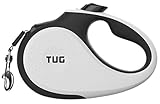
- Small Retractable Dog Leash is Suitable for Dogs Under 35 lbs; Medium For Dogs Under 55 lbs; Large For Dogs Under 110 lbs; Retractable Leashes Not Suitable For Chewing
- 16 ft Tape Retractable Dog Leash With Easy-Adjust Retraction; 360 Degree Tangle-Free Inlet
- Quick Lock And Unlock Feature - Easy Roll-On and Roll-Off With Your Thumb
- Super Comfortable Grip For Those Long Walks! Ergonomic Anti-Slip Handle
- Heavy Duty Internal Coil For Consistent Retraction and Recoil
Resident dogs
AAHA recommends introducing resident dogs outside the home, even if they met at the shelter. Use controlled, leashed movement in a neutral area, then enter the home only when both dogs are reasonably relaxed. Follow the shelter’s instructions and keep valuable food, chews and toys separated initially. Provide each dog with its own resting and feeding space.
Do not leave unfamiliar dogs together unsupervised during the first week. A gated separation area allows them to rest and observe one another without forcing constant interaction.
Exercise, walks and stimulation
Start with short, calm sniff walks near home. Sniffing and quiet observation provide information without the intensity of a busy outing. Increase distance and duration only as the dog relaxes, responds to simple cues and recovers quickly from ordinary sounds.
PC Slower Than It Used to Be?
A free scan shows the junk files, broken settings and background clutter dragging Windows down - then fixes them in one click.Free scan · Windows 10 & 11Outdated Drivers Are Slowing You Down
One free scan finds every outdated or missing driver and matches the right update for your exact hardware.Free scan · exact hardware matchSkip dog parks, crowded events, pet-friendly shopping trips and multi-stop adventures during the settling period. The SPCA of Northern Nevada notes that avoiding busy outings may be necessary for weeks, not merely days. At home, use calm play, scatter a small portion of the dog’s normal food for sniffing, or offer a safe chew if the dog can use it peacefully. Stop activity when you see escalating arousal, frantic mouthing, repeated barking, hiding or inability to settle.
Do not assume a large dog needs strenuous exercise immediately. Stress, poor sleep and unfamiliar footing can make even a short walk tiring. Build fitness later, after a veterinarian has assessed health and the dog has a reliable routine.
Food, water, sleep and bathroom changes
Some adopted dogs eat or drink less at first. Offer the food supplied by the shelter when possible, feed in a quiet location and avoid a rapid series of diet changes. Keep fresh water available and monitor intake. A mild first-day appetite change can accompany transition, but refusal that persists or any sudden change deserves veterinary advice.
Rank #4

- ENHANCED NIGHT VISIBILITY: Keep your dog safe during early morning or evening walks. The upgraded double-sided reflective stitching catches streetlights and car headlights brightly, ensuring you both remain highly visible to traffic in low-light conditions
- CUSHIONED ANTI-BURN HANDLE: A savior for hands when walking active dogs that pull. The soft, thick interior padding prevents painful rope burn and strain, providing a secure, comfortable grip for better control when your furry friend lunges. Includes a sturdy metal D-ring for clipping poop bag dispensers
- PERFECT 6FT BALANCE: The ideal length for urban walks, offering your dog enough freedom to sniff around while keeping them close enough for easy command in busy areas. Choose the 3/4'' width for small breeds, or the robust 1.0'' width for powerful medium to large dogs
- HEAVY-DUTY TANGLE-FREE CLASP: Features a strong metal spinning snap that allows 360° movement, preventing frustrating leash tangles so your dog can move freely around you. Built with high-density nylon webbing for reliable daily strength. NOTE: While tough for pulling, this nylon material is NOT chew-proof. Don't leave unattended with chewers
- COMPLETE THE LOOK: Available in vibrant colors tailored to match your dog's style. For the ultimate coordinated walking set, pair this leash with our matching Joytale reflective nylon collar
Accidents can happen even to a previously house-trained dog because the new home has unfamiliar routes, surfaces and signals. Take the dog out frequently, reward outdoor elimination immediately and clean indoor accidents with an appropriate odor-removing cleaner. Never punish after the fact; it does not teach the desired location and can make the dog hide toileting.
Expect substantial sleep. Protect uninterrupted rest, especially after walks, visitors or introductions. A dog that cannot settle at all, pants continuously at rest or appears painful needs professional assessment rather than more exercise.
How to use the 3-3-3 guideline
AAHA, Orange County Animal Services and other adoption guidance use “3 days, 3 weeks and 3 months” as an expectations-setting framework. It is a rule of thumb, not a measured statistic, deadline or promise.
| Period | What it can represent | How to respond |
|---|---|---|
| First three days | Decompression: hiding, extra sleep, uncertainty or low appetite may occur. | Reduce stimulation, protect the retreat area and meet basic needs. |
| First three weeks | The dog may learn household patterns and show more of its ordinary behavior. | Keep routines consistent, add freedom gradually and continue calm supervision. |
| First three months | A longer period in which trust, habits and a sense of belonging may develop. | Adjust exercise, training and social opportunities to the individual dog’s progress. |
The SPCA of Northern Nevada says feeling comfortable and relaxed can take up to two weeks or longer. James likewise emphasized that adjustment times vary and that not every dog follows the same timeline. A dog that settles sooner is not necessarily finished adjusting, and a slower dog is not failing.
Independent reader supportYour contribution helps us test, update, and keep practical guides available for everyone.Arrange veterinary care and recognize warning signs
First-week wellness visit
Morgan County Animal Services recommends a wellness visit within the first week. Bring adoption paperwork, vaccination and medication information, microchip details and any medical records you received. Ask about parasite prevention, diet, activity limits, identification, dental care and equipment fit. The veterinarian can also help distinguish transition behavior from illness.
When to call sooner
Contact a veterinarian promptly for pain, sudden behavior or appetite changes, repeated vomiting or diarrhea, breathing difficulty, injury, marked lethargy or any symptom that alarms you. The guidance on food refusal is not identical: AAHA’s 2026 adopter guidance says to consult a veterinarian if not eating or drinking persists for more than a day or two, while the SPCA of Northern Nevada advises calling if a dog will not eat for more than 24 hours. There is no universal safe waiting period; call your own veterinarian when you are concerned, especially if the dog also seems ill or painful.
Best Value

- Upgrade: The product has been modified to use nylon thread directly sewing, very strong.All handles was sewn onto the leash instead of the cord ties.Package includes: frosted zipper bag,two handles dog leash.
- MAXIMUM TOUGHNESS AND DURABILITY: Nearly 2X thicker and stronger than standard dog leashes. 3mm thick and 1” wide with tightly webbed nylon for enhanced rugged construction.
- DUAL HANDLES FOR TOTAL CONTROL: Soft Neoprene and padded handle, comfortable than ever ;Equipped with an extra traffic handle for amazing control. Use the standard handle for those casual dog walks or quickly grab the built in traffic handle to guide your pup through crowded areas with ease.
- 360° Rotating Clasp: Swivel clasp prevents the leash from twisting and dog getting tangled. Heavy-duty metal clasp makes our training leashes last longer than most ones. Premium components for maximum strength
- BE SAFE AND VISIBLE AT NIGHT: Luminous reflective threading keeps you both safe and visible on your late-evening walks. Enjoy a large 2” heavy duty clip for added safety and thick D-ring to attach your favorite dog training clicker or dog poop bag holder.Packaging details:Frosted zipper bag,Dog leash with D ring
Behavior can also signal a welfare problem. Escalating growling, snapping, guarding, panic, escape attempts or inability to rest should not be dismissed as something the dog will automatically outgrow.
Get qualified behavior help early when needed
First meet the dog’s environmental needs: distance from triggers, rest, predictable handling and safe separation. If serious or persistent concerns remain, seek help before an incident becomes routine. AAHA’s 2025 guidance suggests humane, force-free trainers and board-certified veterinary behaviorists as possible resources.
Training is not a uniformly regulated profession. Ask what credentials a person holds, which methods they use, how they handle fear and aggression, and whether they will work with your veterinarian. Avoid anyone who recommends pain, intimidation, flooding or punishment for a frightened newly adopted dog. A professional should be willing to explain the plan, safety measures and expected milestones clearly.
Quick wins for a faster PC:
Scan for outdated or missing drivers - takes under a minuteDriver Scan →Clear out junk files and repair common Windows errorsFree Scan →Fix the driver behind crashes, sound loss and screen glitchesFind Drivers →Common first-week problems and practical responses
The dog hides constantly
Keep the retreat accessible, reduce visitors and sit quietly nearby without reaching in. Place food and water close enough to use safely, then consult a veterinarian if the dog will not eat, drink or toilet, or if hiding is accompanied by illness or pain.
The dog pulls hard on walks
Shorten the outing, choose a quieter route and reward attention before tension builds. Check equipment with the shelter or veterinarian and do not rely on physical strength alone to stop a large dog from escaping.
The dog is overexcited around guests
Use a gate or separate room before the door opens. Ask visitors to wait until the dog is calm, then permit a voluntary approach. End the interaction at the first sign of stress or excessive arousal.
The dog and resident pet are uneasy
Separate them with gates, provide individual resources and return to brief, controlled meetings outside. Seek qualified help if either animal repeatedly lunges, freezes, guards resources or cannot recover.
What success looks like after seven days
Success is not perfect obedience or a dog that behaves exactly as it did in the shelter. It is a safer, more predictable week in which the dog has eaten and eliminated appropriately for its circumstances, found a place to rest, learned the household rhythm and begun to trust that people will respect its signals. Continue at the dog’s pace, keep the leash and gates secure, and let veterinary or behavior professionals guide decisions that exceed ordinary settling-in changes.
Quick Recap
Product prices and availability are accurate as of the date/time indicated and are subject to change. Any price and availability information displayed on Amazon at the time of purchase will apply.




