Recommended Free Tools
Liver flukes are an uncommon cause of bile-duct disease in cats, and many infected cats show no obvious signs. The most familiar feline species, Platynosomum concinnum (also called P. fastosum in some references), is usually acquired when a cat eats infected prey such as a lizard or frog. When illness develops, signs can include vomiting, diarrhea, poor appetite, lethargy, jaundice, and a swollen abdomen. Because symptoms overlap with many other conditions and tests can miss infection, a veterinarian must interpret the findings and direct treatment.
What are liver flukes in cats?
Liver flukes are parasitic flatworms that can live in a cat’s biliary system—the ducts that carry bile from the liver—and may cause inflammation or other liver and bile-duct disease. Merck Veterinary Manual describes this as an uncommon cause of bile-duct disease in cats. The principal feline fluke discussed in cat-owner references is Platynosomum concinnum, sometimes referred to as P. fastosum.
In places where this fluke is common, Merck reports that 15% to 85% of cats with access to intermediate hosts are infected. That is an endemic-area range for exposed cats, not an estimate for cats generally or for every location.
Not all liver flukes have the same life cycle
Platynosomum is associated with tropical and subtropical areas, including parts of the southeastern United States, Hawaii, the Caribbean, South America, Southeast Asia, and Africa. Other liver flukes occur in different regions and have different routes of infection. For example, some Opisthorchis species are associated with cats eating certain fish; that route and geography should not be confused with the lizard- or frog-associated Platynosomum cycle.
#1 Best Overall
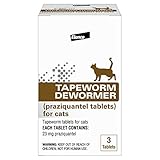
- 3-count bottle of tapeworm dewormer for cats
- Easy effective way to remove common tapeworms in cats
- Tablets may be crumbled and mixed with food or taken by mouth
- Tapeworm Dewormer for Cats will remove the common tapeworms, Dipylidium caninum and Taenia taeniaeformis, from cats and kittens
- For use in cats over 6 weeks of age
How do cats get liver flukes?
Cats commonly become infected with Platynosomum by eating an infected intermediate or paratenic host. Lizards and toads are among the prey identified in veterinary references; frogs may also be involved. The parasite’s life cycle includes a snail and a crustacean before it reaches a vertebrate host. A cat can therefore be exposed while hunting or eating prey in an area where the parasite occurs.
After ingestion, young flukes migrate to the biliary system and mature over about 8–12 weeks, according to Merck Veterinary Manual’s technical reference. This delay helps explain why exposure history may matter even when the cat’s current symptoms began later.
Rank #2

- BROAD-SPECTRUM WORM CONTROL – Targets common intestinal worms, including tapeworms, roundworms, and hookworms, helping provide effective and convenient deworming care for cats and kittens.
- DUAL-ACTIVE DEWORMING FORMULA – Each scored tablet delivers 18.2 mg of Praziquantel and 72.6 mg of Pyrantel Pamoate, providing targeted support against common intestinal worms in cats and kittens.
- FOR CATS & KITTENS 2–20 LBS – Suitable for cats and kittens weighing 2 to 20 lbs, with a scored tablet design that makes weight-based dosing simple and convenient.
- SIMPLE WEIGHT-BASED DOSING – Easy single-dose oral administration based on your cat’s weight. If reinfestation occurs, repeat as directed on the label. Always weigh your cat before use for accurate dosing.
- FOR CATS & KITTENS 3+ WEEKS – Suitable for cats and kittens 3 weeks and older weighing 2 lbs or more. Follow label directions for proper use, and consult your veterinarian before use for cats with existing health conditions or those that are pregnant or nursing.
What symptoms can liver flukes cause?
Most infested cats remain clinically normal. When disease does occur, signs are variable and nonspecific; they cannot confirm liver flukes on their own.
- Vomiting or diarrhea
- Poor appetite and weight loss
- Progressive lethargy or depression
- Fever
- Jaundice, which can make the whites of the eyes, gums, or skin look yellow
- An enlarged liver or a visibly distended abdomen
Longstanding or heavy infestation can damage the biliary system and cause more serious illness, including emaciation and abdominal enlargement. Severe chronic disease may be fatal. Jaundice, persistent vomiting or diarrhea, marked appetite loss, progressive lethargy, weight loss, or abdominal swelling warrants veterinary evaluation because these signs can reflect serious liver or biliary disease from many causes.
Free tools Windows power users keep installed
One-click scans. No signup required.
Rank #3

- Broad-Spectrum Intestinal Care Support - Designed to support routine intestinal wellness, helps maintain balance for common intestinal worms, including tapeworms, roundworms, and hookworms, as part of a regular deworming care routine.
- Supports Digestive Health & Daily Vitality - Helps support normal digestive balance and overall wellness by promoting a healthy intestinal, helping cats maintain their active and comfortable lifestyle.
- Easy to Use - Each tablet provides a simple and consistent way to follow your cat’s daily care routine. Tablets can be given directly or mixed with food for flexible use based on your cat’s preferences
- Suitable for Cats at Different Life Stages - Designed for kittens and adult cats, making it a practical choice for multi-cat households, breeders, rescues, and pet owners who prioritize regular feline wellness care.
- Quality Formula for Everyday Cat Care - Made with carefully selected ingredients and quality standards, this cat wellness supplement provides dependable support for your cat’s routine health management and everyday care needs.
How are liver flukes diagnosed?
Diagnosis can be difficult because an infected cat may appear healthy, symptoms are not specific, and tests do not detect every infection. A veterinarian may combine the cat’s exposure history and physical examination with fecal testing, blood tests, and abdominal ultrasonography. No single finding should be interpreted without the rest of the clinical picture.
Why a fecal test may not settle the question
Fluke eggs may be detectable in feces from about 12 weeks after infection, but egg shedding can be sporadic and routine fecal methods may be insensitive. Bile-duct obstruction or fibrosis can also reduce egg passage. As a result, a negative fecal result does not always rule out infection; the veterinarian may consider other tests or findings when suspicion remains.
Rank #4

- 3-IN-1 BROAD SPECTRUM DEFENSE – Don’t guess which worm is bothering your pet. Our tablets contain Praziquantel to specifically remove Tapeworms (Dipylidium caninum & Taenia), while Pyrantel Pamoate clears Roundworms and Hookworms. A comprehensive solution for common intestinal issues
- VET-GRADE ACTIVE INGREDIENTS – Get the same professional-grade standard without the expensive fee. Each tablet contains 18.2 mg Praziquantel and 72.6 mg Pyrantel Pamoate, the gold-standard combination for effective worm removal in felines
- SCORED TABLETS FOR PRECISE DOSING – Our tablets are physically scored (marked with a break line), making it easy to split them in half by hand or with a pill cutter. This ensures you can provide the exact, safe dosage tailored to your cat’s specific weight, from small kittens to large adults
- FAST ACTING, VISIBLE RESULTS – Ideal for cats showing symptoms like "rice-like" segments in fur, scooting, weight loss, or dull coats. Our formula begins working immediately to detach and flush out worms, helping to restore your cat’s digestive health quickly
- Suitable FOR KITTENS & ADULT CATS – Suitable for all breeds of cats and kittens 2 months of age or older (weighing at least 2 lbs). An essential part of your pet's healthcare routine, especially for multi-cat households, foster homes, and regular deworming schedules
How are liver flukes treated?
When infection is suspected or confirmed, a veterinarian may prescribe an antiparasitic drug such as praziquantel. Veterinary references note that treatment protocols are based in part on extrapolation and that some published protocols are extra-label. The choice of medication and monitoring plan depends on the cat’s condition and the veterinarian’s assessment; do not give a cat a human medication, livestock product, or antiparasitic treatment without veterinary direction.
Additional medication or supportive care may be needed if the cat has complications or significant liver and bile-duct disease. Outcomes vary with the severity and duration of illness. Merck describes the prognosis as favorable for mild infection, while severe chronic infestation can be fatal; no outcome can be guaranteed for an individual cat.
Outdated Drivers Are Slowing You Down
One free scan finds every outdated or missing driver and matches the right update for your exact hardware.Free scan · exact hardware matchWindows Errors? Fix Them Before They Spread
Repair common Windows errors and clear accumulated junk for a smoother, more stable PC - no reinstall needed.Free scan · no reinstallBest Value

- ✅ POWERFUL DAILY ORAL CLEANSE: Formulated with Wormwood & Black Walnut, this herbal supplement gently cleanses your pet’s body, supporting Digestive Antioxidant Support, and promotes overall intestinal wellness.
- ✅ DIGESTIVE HEALTH: Enhanced with probiotics to naturally encourage healthy digestion, balanced gut flora, and intestinal harmony. Daily use helps maintain optimal digestive function in pets of all ages, breeds, and sizes.
- ✅ VETERINARIAN-DEVELOPED: Expertly crafted by qualified veterinarians, ensuring safety, purity, and potency. Gentle enough for puppies and kittens as young as three weeks old, providing trusted care for pets.
- ✅ HASSLE-FREE LIQUID FORMULA: Forget pills or tablets—our convenient liquid drops offer accurate, weight-based dosing, eliminating the stress typically associated with traditional pet supplements.
- ✅ EASY DAILY ADMINISTRATION: Recommended dosage: pets under 10 lbs – ½ dropper, 10–20 lbs – 1 dropper, 20–35 lbs – 2 droppers, 35+ lbs – 3 droppers (1 dropper = 1 ml). The product can be given directly by mouth (slowly and gently) or mixed into food (do not mix with water). Use daily for up to 4 weeks, or as recommended by your veterinarian. Suitable for pets from 12 weeks old.
How can you reduce the risk?
In areas where Platynosomum occurs, the practical prevention step is to reduce opportunities for cats to hunt and eat potentially infected prey. Keeping a cat indoors, supervising outdoor time, or otherwise limiting access to lizards, frogs, toads, and other prey can reduce exposure. Prevention advice should reflect local species and geography: the fish-associated route for some Opisthorchis species is different from the Platynosomum route.
The cited veterinary references do not establish a universal vaccine or preventive drug for feline liver flukes. Ask a veterinarian about local risks if a cat hunts or has access to wildlife in an area where these parasites occur.
Quick Recap
Product prices and availability are accurate as of the date/time indicated and are subject to change. Any price and availability information displayed on Amazon at the time of purchase will apply.




