PC Slower Than It Used to Be?
A free scan shows the junk files, broken settings and background clutter dragging Windows down - then fixes them in one click.Free scan · Windows 10 & 11Outdated Drivers Are Slowing You Down
One free scan finds every outdated or missing driver and matches the right update for your exact hardware.Free scan · exact hardware matchMange in cats is a general term for skin disease caused by mites, not one diagnosis. Severe itching, crusts, hair loss, ear irritation, or scaling can offer clues, but symptoms alone cannot identify the mite or rule out other skin diseases. A veterinarian can examine your cat and choose appropriate testing and treatment; do not apply pesticides or medication without veterinary direction.
Seek veterinary advice for significant or spreading skin problems, ear discharge, or wounds. Never use dog-only medication, household insecticide, essential oils, human scabies medicine, or leftover prescriptions on a cat unless a veterinarian specifically directs you to do so.
What is mange in cats?
Mange is a general term for mite-related skin disease. Feline scabies, also called notoedric mange, is one form. Ear mites and other mite infestations can also cause skin or ear problems. Demodicosis is a separate mite-related condition rather than “mange” in the strict terminology, though both are often discussed as feline mite diseases.
- Notoedric mange: caused by Notoedres cati.
- Ear mites: caused by Otodectes cynotis.
- Demodicosis: associated with Demodex cati or Demodex gatoi.
- Canine scabies affecting cats: caused by Sarcoptes scabiei var. canis and acquired through exposure to infested dogs.
- Other mite conditions: these include walking dandruff, trombiculosis (chiggers), and fur-mite infestations. Which mites occur varies by location.
The label matters: treatment for ear mites may not treat notoedric mange, and an itchy or hairless cat may have a non-mite condition.
Recommended Free Tools
#1 Best Overall

- Advantage II Large Cat is a leading brand in cat flea treatment and prevention for large cats over 9 lbs., at least 8 weeks of age
- Vet-recommended, easy-to-apply monthly topical treatment – no hard-to-swallow pills, no prescription needed
- Delivers total flea protection – kills adult fleas, flea larvae and flea eggs through contact
- Same-day effectiveness – kills fleas within 12 hours of application and keeps working for 30 days
- Fragrance-free formula, waterproof after 24 hours of application
Types of mange and the signs they cause
Notoedric mange (feline scabies)
Notoedric mange is caused by Notoedres cati. It is described as rare and highly contagious in the Merck Veterinary Manual’s cat-owner reference. It commonly starts with intense itching, crusts, and hair loss around the ears, head, and neck, and can spread over the body.
Ear mites
Ear mites—Otodectes cynotis—commonly affect cats and live in the external ear canal. Signs may include:
- Repeated ear scratching or head shaking
- Rubbing the ears on furniture or the floor
- Irritated or painful-looking ears
- Inflammation in the ear canal
- Dark, waxy or debris-filled material
Ear mites can spread through close contact. A veterinarian can determine whether ear debris is due to mites or another cause, such as bacterial or yeast infection.
Demodicosis
Feline demodicosis is associated with two important mite species:
- Demodex cati: thought to live normally on feline skin; disease may be associated with underlying illness.
- Demodex gatoi: contagious and more likely to cause marked itching.
Demodicosis may be localized or generalized. Signs can include hair loss, scaling, crusts, sores from self-trauma, or excess earwax. Generalized disease can be associated with systemic illness, so the veterinarian may investigate the cat’s overall health.
Canine scabies affecting cats
Cats may develop intense itching, bumps, crusting, or secondary skin infection after contact with a dog infested with Sarcoptes scabiei var. canis. The mites can also affect other animals and people. Ask your veterinarian about precautions and any exposed household members or pets.
Other mite conditions
Walking dandruff can cause scaling and bumps, often along the back, with variable itching. Trombiculosis (chiggers) and fur-mite infestations are other possibilities. These conditions are not equally common in every location, and their signs overlap with other skin problems.
Rank #2

- EFFECTIVE, WATERPROOF FLEA TREATMENT FOR CATS: PetArmor Plus is a waterproof, flea & tick topical prevention for cats that kills fleas, flea eggs, flea larvae, ticks, and chewing lice for up to 30 days after application.
- TRUSTED, VET QUALITY FORMULA: Containing fipronil and (S)-methoprene, the same active ingredients as FRONTLINE Plus for Cats. PetArmor Plus for Cats has a powerful formula that starts to kill fleas within 24 hours.
- BREAK THE FLEA CYCLE: Unlike other flea and tick treatments that may temporarily suppress flea activity, PETARMOR Plus Cat Flea Treatment works by effectively breaking the flea life cycle Kill flea eggs and larvae to prevent re-infestation.
- FLEA AND TICK PROTECTION: PetArmor Plus for Cats flea drops protects your furry family members from brown dog ticks, American dog ticks, Lone Star ticks, and deer ticks (which may transmit Lyme disease).
- EASY-TO-USE, LONG-LASTING: PetArmor Plus flea and tick treatment comes with three (3) waterproof topical applications that provides your pet flea protection and control for three (3) months.
Symptoms of mange in cats
Possible signs of mite infestation include:
- Intense itching or scratching
- Head shaking and ear rubbing
- Hair loss or broken hairs
- Crusts, scabs, or scaling
- Red or inflamed skin
- Bumps or sores from scratching and biting
- Dark ear debris or excess earwax
Lesion location can offer clues but cannot identify the mite reliably. Notoedric mange often starts around the ears, head, and neck; ear mites affect the ear canal; and demodicosis can be localized or widespread. Fleas, ringworm, bacterial or yeast infection, allergies, and other disorders can look similar or coexist.
Free tools Windows power users keep installed
One-click scans. No signup required.
When a cat with suspected mange needs prompt care
Arrange a veterinary examination promptly if your cat has significant itching, crusts, hair loss, ear discharge, or spreading lesions. Seek urgent veterinary advice if the cat is weak or unusually withdrawn, not eating or drinking normally, in obvious pain, rapidly worsening, or covered in extensive wounds. Kittens, senior cats, and cats with chronic illness may need prompt assessment.
Severe skin damage can lead to secondary infection, and some mite conditions can spread to other animals or people. Do not delay care while trying unverified home treatments.
How veterinarians diagnose mange
Diagnosis combines the cat’s history and examination with tests selected for the suspected mite and lesion.
Skin and fur testing
A veterinarian may use superficial or deep skin scrapings, tape tests, flea combing, or examination of fur under a microscope. Sampling technique depends on where the suspected mite lives and the type of lesion. Mites may be difficult to find in some cases, so a negative sample does not always settle the question. The veterinarian may collect another sample or consider response to a carefully selected treatment as part of the assessment.
The Tool Desk
Outbyte PC Repair FREEClear out junk files and repair common Windows errorsFree Scan →Outbyte Driver Updater FREEScan for outdated or missing drivers - takes under a minuteDriver Scan →Demodicosis can resemble or occur alongside ringworm; fungal testing may be needed. Generalized demodicosis may warrant evaluation for an underlying illness.
Ear examination
For suspected ear mites, a veterinarian may examine the ear canal and view ear debris under a microscope. This helps distinguish mites from bacterial or yeast otitis, foreign material, and other causes of inflamed ears. Follow veterinary advice about ear cleaning, especially if the ear is painful.
Rank #3
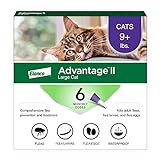
- Advantage II Large Cat is a leading brand in cat flea treatment and prevention for large cats over 9 lbs., at least 8 weeks of age
- Vet-recommended, easy-to-apply monthly topical treatment – no hard-to-swallow pills, no prescription needed
- Delivers total flea protection – kills adult fleas, flea larvae and flea eggs through contact
- Same-day effectiveness – kills fleas within 12 hours of application and keeps working for 30 days
- Fragrance-free formula, waterproof after 24 hours of application
Additional testing
Depending on the signs, testing may also include checks for fleas, fungal testing for ringworm, or cytology for bacteria or yeast. The veterinarian may recommend further assessment if the skin findings suggest an underlying condition.
How mange is treated in cats
Treatment depends on the identified mite and the individual cat. A veterinarian may choose topical, oral, or injectable antiparasitic medication, lime-sulfur dips, ear treatment, or treatment for secondary infection. Suitability, approval, and availability can differ by product and location. There is no single consumer treatment to choose before diagnosis.
Notoedric mange treatment
Veterinary references describe veterinarian-selected topical or injectable therapies and lime-sulfur dips as possible treatments for notoedric mange. This is not a home-treatment recipe: the veterinarian must choose the product and instructions for the cat. Do not assume a product labeled for dogs, ear mites, or fleas is appropriate for feline notoedric mange.
Ear-mite treatment
A veterinarian may select an appropriate feline ear-mite treatment and recommend ear cleaning. A product’s indication and label matter; a treatment for one mite or species is not automatically suitable for another. Use only according to veterinary instructions and the current product label.
A lime-sulfur dip for cats may be a veterinarian-directed option for selected feline mite conditions, but it is not a universal over-the-counter cure. Do not use horticultural lime sulfur or an unapproved pesticide on a cat.
Demodicosis treatment
Demodicosis can require repeated treatment and follow-up testing. Lime-sulfur dips are one veterinary option described for selected cases. Treatment should be tailored to the suspected Demodex species and the cat’s health; generalized disease may require investigation of an underlying illness.
Do not stop treatment solely because the coat looks better. Ask the veterinarian when treatment can end and whether follow-up examinations or samples are needed.
Rank #4

- SHIPMENT CONTAINS: One 6-dose pack of Amazon Basics Flea Topical for Large Cats (over 9 pounds)
- FAST ACTING: Eliminates fleas in just 12 hours, providing your cat with swift relief from discomfort with our effective flea medication
- DUAL INGREDIENT FORMULA: Formulated with Imidacloprid and Pyriproxyfen to kill adult fleas and prevent flea infestations
- LONG-LASTING PROTECTION: Protect your cat from infestations for up to 4 weeks with each application, killing reinfesting fleas within 2 hours and efficiently halting the flea lifecycle
- EASY APPLICATION: Designed for monthly use, apply directly to dry skin between the shoulder blades for best results
Secondary infection and self-trauma
Scratching and biting can break the skin and lead to secondary infection. A veterinarian may prescribe additional treatment if there is pus, odor, pain, swelling, or extensive inflammation. An Elizabethan collar may sometimes be recommended to reduce self-trauma, but it does not kill mites or cure mange.
Contagion and household management
Transmission varies by mite. Notoedric mange, ear mites, and some demodicosis cases can spread among animals. Ask the veterinarian whether exposed pets need examination or treatment, even if they have no visible signs.
Depending on the infestation, the veterinarian may recommend laundering bedding or cleaning or treating household areas. Follow those instructions; generic household cleaning does not replace treatment of mites on the cat.
What’s actually slowing this PC down?
Pick the symptom - the matching free tool is one click away.
Can mange spread from cats to people?
Some animal mites can temporarily affect people, but the risk and persistence vary by mite. Merck Veterinary Manual notes that feline scabies can opportunistically affect other animals, including humans; canine scabies and walking-dandruff mites can also affect people. Ask your veterinarian about precautions for the suspected mite.
- Wash your hands after handling the cat, bedding, or ear debris.
- Limit close contact and separate potentially affected animals from other pets if practical and safe, following veterinary advice.
- Wash bedding or clothing as directed by your veterinarian.
- Contact a physician if you develop a persistent, spreading, or intensely itchy rash.
What not to put on a cat with suspected mange
Do not apply insecticides or medication without veterinary approval. In particular, avoid dog-only parasite products, permethrin products intended for dogs or household use, horticultural lime sulfur, concentrated pesticides, essential oils, human scabies medicine, leftover medication, and household insecticide applied directly to the animal.
Some insecticides are poisonous to cats. Use only products specifically appropriate for cats, the cat’s age and weight, and the diagnosed condition, following the label and veterinary instructions.
If a cat develops tremors, weakness, seizures, excessive drooling, vomiting, breathing difficulty, or another concerning reaction after a parasite product, contact a veterinarian or emergency veterinary service immediately. Bring the packaging if possible.
Quick wins for a faster PC:
Scan for outdated or missing drivers - takes under a minuteDriver Scan →Clear out junk files and repair common Windows errorsFree Scan →Fix the driver behind crashes, sound loss and screen glitchesFind Drivers →Best Value
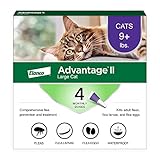
- Advantage II Large Cat is a leading brand in cat flea treatment and prevention for large cats over 9 lbs., at least 8 weeks of age
- Vet-recommended, easy-to-apply monthly topical treatment – no hard-to-swallow pills, no prescription needed
- Delivers total flea protection – kills adult fleas, flea larvae and flea eggs through contact
- Same-day effectiveness – kills fleas within 12 hours of application and keeps working for 30 days
- Fragrance-free formula, waterproof after 24 hours of application
A practical plan for suspected mange
- Limit exposure: Ask the veterinarian whether to separate the affected cat from other pets.
- Book an examination: Ask whether skin scrapings, tape tests, fur examination, ear microscopy, fungal testing, or other tests are appropriate.
- Do not guess the mite: Lesion location and photographs are clues, not a diagnosis.
- Use only veterinarian-directed treatment: Follow the selected product’s label and the clinic’s instructions.
- Ask about contact animals and cleaning: Other pets or household areas may need attention, depending on the mite.
- Complete follow-up: Continue until the veterinarian advises that treatment can stop.
Medical disclaimer
This article is educational and does not diagnose or treat an individual cat. A veterinarian should examine a cat with severe itching, crusts, hair loss, ear discharge, wounds, or suspected contagious skin disease. Product availability and approved uses can vary by country; follow the current label and your veterinarian’s instructions.
FAQ
Can I diagnose mange from a picture of my cat?
No. Mite disease can resemble fleas, ringworm, allergies, bacterial or yeast infection, and other skin conditions. A veterinarian may need samples or other tests.
Can indoor cats get mange?
Yes. Indoor cats can be exposed through another pet or other close contact. Exposure risk depends on the mite.
Will a flea treatment cure mange?
Not necessarily. Do not assume that a flea product treats every mite condition. The diagnosis, product label, and veterinary advice determine the appropriate treatment.
Do all cats in the household need treatment?
Not automatically. Exposed cats and dogs may need examination or treatment depending on the mite, so ask your veterinarian before treating other pets.
How long does mange take to clear in cats?
It depends on the mite, extent of disease, secondary infection, and the cat’s health. Some cases need repeated treatment and follow-up. Do not stop just because itching or hair loss improves.
Can humans catch mange from a cat?
Some animal mites can temporarily affect people. Wash your hands after handling a suspected case, ask your veterinarian about precautions, and contact a physician for a persistent or spreading rash.
The Bottom Line
Mange is a general term for mite-related skin disease, and different mites require different management. Because symptoms overlap with other skin conditions, veterinary examination and appropriate testing are the safest way to identify the cause. Do not use dog medication, household pesticides, essential oils, or unapproved treatments on a cat.
Quick Recap
Product prices and availability are accurate as of the date/time indicated and are subject to change. Any price and availability information displayed on Amazon at the time of purchase will apply.




