
Some links on this page are affiliate links: if you buy through them we may earn a commission, at no extra cost to you.
Neutering is a routine operation, but the right timing is not identical for every male dog. Your dog’s expected adult size, breed, health, lifestyle, and risk of accidental mating all matter. The decision is also more nuanced than “neuter at six months” or “neutering will fix bad behavior.”
This guide explains what the surgery does, its benefits and limitations, how to choose a time, and what recovery should look like.
As an Amazon Associate I earn from qualifying purchases.
PC Slower Than It Used to Be?
A free scan shows the junk files, broken settings and background clutter dragging Windows down - then fixes them in one click.Free scan · Windows 10 & 11Outdated Drivers Are Slowing You Down
One free scan finds every outdated or missing driver and matches the right update for your exact hardware.Free scan · exact hardware matchWhat neutering involves
Neutering, also called castration, orchidectomy, or orchiectomy, is the surgical removal of both testicles while your dog is under general anesthesia. The scrotal skin usually remains, and the penis is not removed or repositioned. The procedure is therefore different from a vasectomy, which prevents sperm from being delivered but leaves the testicles and testosterone production in place.
After castration, your dog cannot father puppies and his main source of testosterone is removed. This does not mean every hormone-related behavior disappears immediately. Sperm may remain in the reproductive tract for a short period, so follow your veterinarian’s instructions about keeping him away from females in heat after surgery. Learned behaviors such as mounting or urine marking can also continue, particularly if they have become habits.
Popular on Amazon
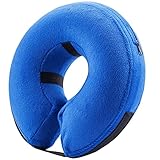
- PROTECTIVE AND GENTLE CARING - Bencmate dog cone collar is a perfect dog cone alternative after surgery. Inflated dog donut collar works like a plump barrier around your canine's neck, The dog cone collar after surgery is designed to protect your pets from injuries, rashes, and post-surgery wounds, it prevents your pets from biting and licking their injured area or surgical site and promote recovery from surgery or wounds. The soft material also provides gentle caring for your pets.
- UPGRADED FABRICS &COMFORTABLE — We offer two fabric options to choose from. One is a plush, soft-touch fabric for extra comfort (solid colors option), and the other is an anti-stick, scratch-resistant, and stretchy fabric (colorful option). Cleaning is also very convenient and simply unzip to remove the outer cover. After surgery, dogs can wear this soft dog cone for a comfortable fit, and it also doubles as a neck pillow to help them fall asleep quickly and relieve wound pain.
- FREEDOM FROM RESTRAINT — Pets wearing traditional Elizabethan collars often stumble and trip because their vision is blocked. With the Bencmate dog donut collar with inner air bag provides full neck support, and the soft outer material keeps your pet supremely comfortable without obstructing their sight. Unlike conventional E-collars that block a dog's vision, this collar allows them to eat, drink, sleep, and play with ease while staying fully protected.
- ADJUSTABLE AND EASY STORING - Designed fixation straps on the inside of the dog cone collar. Simply thread your dog collar through the strap to secure it in place. The dog cone collar features scratch & bite-resistant non-stick fabric and a clean hook-and-loop closure, making it slightly easier to put on and take off., allowing you to easily adjust the tightness for a perfect, please put the closure at the back of dog’s neck to prevent biting. Deflating and storing is also handy, store it in a small space for space-saving, and there is a zipper opening on one side.
- BENCMATE sincerely recommends you measure your pet’s neck circumference before purchasing to get a perfect size. ②If the collar is a bit large for your dog and easily falls off, please try to loop the daily collar with the recovery collar, it would be helpful to prevent the collar from falling off.
Potential benefits of neutering
It prevents reproduction
The clearest benefit is permanent infertility. Neutering prevents accidental litters and removes the need to manage an intact male around females in heat. It does not, however, remove the responsibility to keep your dog safely contained and supervised.
It eliminates testicular cancer risk
Because the testicles are removed, a neutered dog cannot develop testicular cancer in those organs. Castration may also be recommended when a testicle is diseased, twisted, infected, or retained.
Do these 3 things before closing this tab:
1Fix the driver behind crashes, sound loss and screen glitches2Clear out junk files and repair common Windows errors3Scan for outdated or missing drivers - takes under a minuteIt treats benign prostate enlargement
Benign prostatic hyperplasia, or BPH, is a common testosterone-dependent enlargement of the prostate in intact male dogs. It can cause straining to defecate, blood-tinged urine, or bloody discharge from the penis. Neutering is the preferred treatment in dogs that are not intended for breeding, and the prostate generally shrinks over the following weeks.
Neutering does not prevent prostate cancer. Canine prostate cancer is uncommon, and veterinary references report that it can occur more often in castrated dogs. Do not choose neutering on the assumption that it provides protection against this cancer.
It may reduce some hormone-driven behaviors
Roaming, urine marking, mounting, and mate-seeking often decrease after testosterone levels fall. The change is not guaranteed, and it is usually gradual rather than immediate. Merck Veterinary Manual data indicate that castration reduces roaming, mounting, and marking by about 50% in roughly 60% of dogs, and by about 90% in another 25% to 40%.
A dog that escapes to find females may also face fewer risks of being hit by a vehicle or getting into fights after neutering. Secure fencing, leash control, supervision, and training are still necessary.
Quick wins for a faster PC:
Clear out junk files and repair common Windows errorsFree Scan →Scan for outdated or missing drivers - takes under a minuteDriver Scan →Repair Windows errors before they cause bigger problemsFix Now →What neutering will not reliably change
Neutering is not a general-purpose behavior treatment. It does not automatically:
Also popular on Amazon

- GREAT PROTECTION FOR YOUR PETS: The dog cone collar is a safe and good method of preventing your pet from aggravating a healing wound or injury. Helps to overcome lick-bite, Itch-scratch cycle. Ending self-Inflicted wound aggravation or mutilation, prevent your pet bite others in the dermatology / Beauty / surgical procedure.
- PERFECT FIT: Suitable for different ages or sizes dogs and cats, Meet your different needs. Please refer to our size chart before ordering, if your pet's measurement is close to the maximum please order the next size up.
- CONVENIENT TO USE: Hook & Loop design easy to tighten or loosen. This soft pet cone with above design can keep the collar secure in place and keep it from being pulled off or from falling off.
- HIGH QUALITY MATERIAL: Made of high quality PVC material, extra soft fabric edge provides your pet additional comfort and protection, durable and healthy, this pet recovery collar is light enough which never make your lovely pets get tired. And it's easy to clean!
- Warm Reminder: Some dogs may initially feel uncomfortable with the dog head cone. To prevent them from licking their wounds, we encourage you to comfort your dog and accompany them through this challenging recovery period. If you have any questions, please contact us. Size for L: Depth: 9.8 in, Neck Girth: 14.0-17.0in
- Calm a hyperactive dog
- Change his basic personality
- Cure separation anxiety, fear, or nervousness
- Replace training and exercise
- Stop all mounting or urine marking
- Prevent aggression from developing
Testosterone can influence certain types of competition or mate-related behavior, but aggression toward people or familiar dogs often has other causes. Fear, pain, resource guarding, frustration, inadequate socialization, and learned responses may all be involved. If your dog is aggressive, ask your veterinarian for a medical assessment and a referral to a qualified veterinary behavior professional. Do not expect surgery alone to make an aggressive dog safe.
When should a male dog be neutered?
There is no single correct age for every male dog. The choice should be made with your veterinarian after considering:
- Expected adult weight and growth pattern
- Breed or mix and known breed-related risks
- Orthopedic health
- Medical conditions and anesthesia risk
- Whether accidental breeding is likely
- Whether your dog is intended for responsible breeding
- His behavior, housing, and lifestyle
As a broad starting point, the American Animal Hospital Association gives these owner guidelines:
What’s actually slowing this PC down?
Pick the symptom - the matching free tool is one click away.
| Expected adult weight | Typical starting recommendation | Why the timing may change |
|---|---|---|
| Under 45 lb (about 20 kg) | Often around 6 months | Breed, health, behavior, and accidental-breeding risk still matter. |
| Over 45 lb (about 20 kg) | Often after growth stops, usually around 9–15 months | Some large, giant, athletic, or breed-predisposed dogs may benefit from waiting longer. |
The familiar rule that every male dog should be neutered at six months is too broad. Some studies associate early neutering in certain larger dogs with increased risk of joint disorders. In one UC Davis analysis, mixed-breed dogs expected to weigh more than 44 lb had a higher risk of at least one joint disorder when neutered before one year, while dogs weighing up to 43 lb did not show that increased risk in the same way.
These findings do not create a universal rule to delay surgery, either. Breed and individual differences are substantial. A dog living in a home with an intact female, escaping from an unsecured yard, or at high risk of producing an unwanted litter may have a strong practical reason for earlier surgery. Discuss the trade-offs rather than choosing an age from a calendar alone.
Long-term trade-offs to discuss with your veterinarian
Neutering has a generally good safety record, but “routine” does not mean “without consequences.” Research has linked sterilization status and timing with differences in obesity, orthopedic disease, some cancers, and other health conditions. The direction and size of these effects vary with breed, sex, body size, and age at surgery.
Joint and growth-related concerns
Sex hormones contribute to skeletal development. In some large or giant dogs, removing them before growth is complete may be associated with a higher risk of certain joint disorders. This is one reason your veterinarian may recommend waiting beyond six months for a large-breed male.
Also popular on Amazon

- 🛡️ 【STOP LICKING & SCRATCHING】 Designed to help prevent dogs and cats from licking, biting, or scratching wounds, stitches, hot spots, rashes, and surgical areas. Ideal for post-surgery recovery, skin conditions, grooming care, and injury protection.
- 🐕 【XL/XXL SIZE – 1 CONE】 XL/XXL set includes 1 recovery cone only for large dogs. Please carefully measure your dog’s neck and refer to the size chart before purchasing for a secure and comfortable fit.
- ☁️ 【SOFT & COMFORTABLE】 Soft fabric edges help reduce rubbing and discomfort around your dog’s neck compared with traditional hard plastic cones. Lightweight design helps pets recover more comfortably during daily wear.
- 👀 【CLEAR VISION】 The transparent dog cone helps maintain your pet’s field of vision, allowing dogs to eat, drink, sleep, walk, and rest more naturally during recovery without fully blocking their surroundings.
- 💗 【LESS STRESSFUL RECOVERY】 Designed to be lightweight and less restrictive, helping some pets feel calmer and more comfortable while recovering at home after surgery or skin treatment.
Weight gain
Energy needs commonly fall after neutering. If you continue feeding the same portions and treats, your dog may gain weight even if his exercise routine has not changed. The risk of obesity is particularly important during the first two years after surgery.
Do not switch automatically to a food labeled “neutered” and assume the problem is solved. Instead:
- Record your dog’s weight and body condition before surgery.
- Ask your veterinarian whether his daily calories should be reduced.
- Measure meals rather than feeding by eye.
- Count treats and table scraps as part of the daily allowance.
- Recheck his weight regularly and adjust portions promptly.
Your dog should have a visible waist from above and a gentle abdominal tuck from the side, with ribs that can be felt under a thin covering of fat.
Before the operation
Your veterinarian should examine your dog before anesthesia. A young, healthy dog may need only a physical examination and basic blood work, while an older dog or one with a medical problem may need more extensive testing.
Recommended Free Tools
The clinic will give you fasting instructions. Follow those instructions exactly. Do not decide independently to withhold water or food for longer than advised, especially if your dog is a puppy, toy breed, diabetic, or being treated for another condition.
Tell the clinic about every medication, supplement, previous anesthetic reaction, illness, vomiting or diarrhea, and any possibility that a testicle has not descended. General anesthesia and pain relief are standard parts of the procedure. Although routine neutering has an excellent prognosis, anesthesia and surgery carry a small, real risk.
Cryptorchid dogs need a different surgical plan
A cryptorchid dog has one or both testicles that have not descended into the scrotum. The retained testicle may be in the groin or abdomen. It continues producing hormones, can contribute to mating behavior, and has a higher risk of disease, including testicular tumors.
Also popular on Amazon
- PROTECTIVE AND GENTLE CARING - Bencmate dog cone collar is a perfect dog cone alternative after surgery. Inflated dog donut collar works like a plump barrier around your canine's neck, The dog cone collar after surgery is designed to protect your pets from injuries, rashes, and post-surgery wounds, it prevents your pets from biting and licking their injured area or surgical site and promote recovery from surgery or wounds. The soft material also provides gentle caring for your pets.
- UPGRADED FABRICS &COMFORTABLE — We offer two fabric options to choose from. One is a plush, soft-touch fabric for extra comfort (solid colors option), and the other is an anti-stick, scratch-resistant, and stretchy fabric (colorful option). Cleaning is also very convenient and simply unzip to remove the outer cover. After surgery, dogs can wear this soft dog cone for a comfortable fit, and it also doubles as a neck pillow to help them fall asleep quickly and relieve wound pain.
- FREEDOM FROM RESTRAINT — Pets wearing traditional Elizabethan collars often stumble and trip because their vision is blocked. With the Bencmate dog donut collar with inner air bag provides full neck support, and the soft outer material keeps your pet supremely comfortable without obstructing their sight. Unlike conventional E-collars that block a dog's vision, this collar allows them to eat, drink, sleep, and play with ease while staying fully protected.
- ADJUSTABLE AND EASY STORING - Designed fixation straps on the inside of the dog cone collar. Simply thread your dog collar through the strap to secure it in place. The dog cone collar features scratch & bite-resistant non-stick fabric and a clean hook-and-loop closure, making it slightly easier to put on and take off., allowing you to easily adjust the tightness for a perfect, please put the closure at the back of dog’s neck to prevent biting. Deflating and storing is also handy, store it in a small space for space-saving, and there is a zipper opening on one side.
- BENCMATE sincerely recommends you measure your pet’s neck circumference before purchasing to get a perfect size. ②If the collar is a bit large for your dog and easily falls off, please try to loop the daily collar with the recovery collar, it would be helpful to prevent the collar from falling off.
Both testicles should be located and removed. Finding an abdominal testicle may require a larger incision or a different surgical approach than a standard neuter, so ask your veterinarian what to expect and whether the estimate changes.
Neutering recovery: the first two weeks
Most dogs go home the same day, but they may be sleepy, unsteady, or less hungry for the first evening. Give only the food, water, and medication instructions provided by the clinic.
For approximately two weeks, recovery usually means controlled activity:
- Use short, calm leash walks for toileting and gentle exercise.
- Prevent running, jumping, rough play, and access to stairs where possible.
- Do not allow swimming or bathing until the incision has healed or your veterinarian approves it.
- Prevent licking and chewing with an Elizabethan collar or another veterinarian-approved barrier.
- Keep the incision clean and dry, and inspect it daily without applying products unless instructed.
Some dogs have absorbable sutures beneath the skin. If external, non-absorbable sutures are present, they are commonly removed after 10 to 14 days. Use the operating clinic’s schedule because closure methods differ.
Never give ibuprofen, naproxen, acetaminophen, aspirin, or another human painkiller unless a veterinarian specifically directs you to do so. Several common human medicines can poison dogs or cause serious stomach, kidney, or liver damage.
The Tool Desk
Outbyte PC Repair FREERepair Windows errors before they cause bigger problemsFix Now →Outbyte Driver Updater FREEScan for outdated or missing drivers - takes under a minuteDriver Scan →When to call the veterinarian
Contact the clinic promptly if you notice:
- Increasing swelling, significant bruising, or persistent bleeding
- An incision that is opening or has missing sutures
- Pus, discharge, or a foul smell
- Worsening pain, continuous crying, or inability to settle
- Repeated vomiting or severe diarrhea
- Marked lethargy that is not improving
- Difficulty urinating
- Pale gums, breathing difficulty, collapse, or extreme weakness
A small amount of swelling can occur, but worsening swelling or pain should not be dismissed. If your dog is collapsing, having trouble breathing, or bleeding heavily, treat it as an emergency.
Independent reader supportYour contribution helps us test, update, and keep practical guides available for everyone.When neutering is medically recommended
Castration is not performed only for population control. A veterinarian may recommend it for:
Also popular on Amazon

- SCRATCH & BITE RESISTANT - This inflatable dog donut collar is a perfect cone for dogs after surgery. Inflated dog neck donut works like a plump barrier around your canine's neck, can effectively prevent your pets from biting and licking injured area or surgical site. With this collar on, the unique and cute donut shape makes it like a pet ornament instead of a dog surgery collar, your pet must be a million times happier with this.
- NON-STICK FABRIC - Unlike other common velvet inflatable dog collars for after surgery donut, the outside of this dog soft cone is made of upgraded non-stick fabric, then you won't have to keep cleaning pet's hair frequently. Also it is easy to clean if needed, just unzip to take off the outer cloth. Soft cones for dogs after surgery keeps your dog comfortable, can even act as a neck pillow which helps him/her fall asleep quickly and forget the pain of the wound.
- NO STRESS - We all know how pets hate the cumbersome cone, poor dogs and cats would keep tripping on it and could not get around. This inflatable cone e collar for dogs WON'T let that happen, the inner air bag provides full support for the neck while keeping it lightweight. It does not block dog’s vision like traditional Elizabethan collar, which allows your doggie chase butterflies, hummers and grass hoppers all with wearing its collar.
- ADJUSTABLE &PERFECT FIT - In case you are concerned of the dog neck pillow from slipping down or getting taken off, we designed a fixed position on the inner part of the dog head cone, just thread your pet's everyday collar through the strips to fix it. Furthermore, a velcro strap is equipped on the opening of the collar, which can allow you to adjust the the tightness to ensure a perfect neck fit. Please remember to put the strap side at the back of your dog’s neck in case of biting.
- WARM PROMPT - If your pet wants to escape when he/she put on the collar for the first time, we hope you can work with your dog to acclimate him/her. And due to differences in dog breeds, body sizes, and growing environments, this blow up dog cone collar may not be suitable for dogs with long noses, long legs, long tails, and long bodies. Any more questions, we are here to assist you, we sincerely wish your pet a speedy recovery.
- A retained testicle, or cryptorchidism
- Testicular tumors
- Testicular infection or torsion
- Benign prostatic hyperplasia
- Some perineal hernias
- Certain hormone-dependent perianal tumors
Older dogs can still be neutered when there is a medical or management reason. They may simply need more blood work, imaging, or other screening before anesthesia.
If you may want to breed your dog
Neutering permanently removes fertility, so do not schedule it until you have made a deliberate decision. If breeding is under consideration, discuss health testing, genetic screening, temperament, conformation, and the responsibilities of raising and placing puppies with your veterinarian first. The fact that a dog can reproduce does not mean he is a suitable breeding candidate.
Questions to ask at the appointment
- What adult weight and growth timeline do you expect for my dog?
- Does his breed or mix have a reason to delay neutering?
- What are the risks of waiting in our household and lifestyle?
- What pre-anesthetic testing do you recommend?
- Could either testicle be retained?
- How long should he avoid running, jumping, bathing, and swimming?
- When should his food portions be reassessed?
- Which signs require a same-day call or emergency visit?
FAQ
Will neutering make my male dog calmer?
It may reduce roaming, urine marking, mounting, and mate-seeking, but it does not reliably lower general energy or change personality. Exercise, training, anxiety treatment, and veterinary assessment may still be needed.
Is six months too early to neuter a male dog?
Not necessarily, but it is not the right age for every dog. Smaller dogs are often neutered around six months, while larger dogs are commonly considered after growth stops, often around 9–15 months. Breed, health, orthopedic risk, and accidental-breeding risk should guide the decision.
Can a neutered dog still mate or mount?
Yes. Learned mounting and other mating behaviors can continue, and fertility may not disappear immediately if viable sperm remain. Keep following your veterinarian’s instructions about contact with females after surgery.
How long does a male dog need to recover after neutering?
Plan on restricted activity for about two weeks unless your veterinarian gives different instructions. Use controlled leash walks, prevent licking, and avoid running, jumping, rough play, swimming, and bathing until the incision has healed.
Free tools Windows power users keep installed
One-click scans. No signup required.
The Bottom Line
Neutering prevents reproduction, eliminates testicular cancer risk, treats hormone-driven prostate enlargement, and may reduce roaming, marking, and mounting. It is not a guaranteed cure for aggression, anxiety, hyperactivity, or poor training.
The best timing depends on your dog rather than a universal six-month rule. Ask your veterinarian to weigh adult size, breed, growth, health, lifestyle, and breeding risk, then plan for careful activity restriction and weight monitoring after surgery.





Leave a Reply