
Some links on this page are affiliate links: if you buy through them we may earn a commission, at no extra cost to you.
Excess weight can raise a cat’s risk of diabetes, mobility problems, skin disease, urinary obstruction and other disorders. It does not mean that every overweight cat will develop all of them, and the strength of evidence differs by condition. A veterinarian should confirm your cat’s body condition, check for existing illness and set a safe, individualized weight-loss plan.
The most useful next step is a veterinary body-condition assessment rather than relying on a scale number or appearance alone. In AAHA/AAFP young-adult-cat guidance, a body-condition score (BCS) of 6/9 or 7/9 is overweight, while 8/9 or higher is obese (AAHA/AAFP, 2021).
As an Amazon Associate I earn from qualifying purchases.
Why excess weight matters
Fat tissue affects metabolism, movement and a cat’s ability to groom. AAHA/AAFP describes feline obesity as a risk factor for several chronic conditions, while broader AAHA weight-management guidance links excess weight with respiratory disorders, renal dysfunction, other metabolic or endocrine disorders, orthopedic disease and some cancers. Those broader associations apply to dogs and cats together, so they should not be read as equally proven or equally common in cats.
Published feline obesity estimates range from 1.8% to 40%, a wide spread caused by differences among studies and populations rather than a single current prevalence figure (AAHA/AAFP, 2021). The practical point is that identifying excess body fat early gives you a chance to reduce risk before disease or loss of mobility develops.
Popular on Amazon

- Breakthrough formula made to positively impact the unique cell function of overweight pets, and support healthy metabolism and body weight
- Safe and effective weight loss with visible results within 10 weeks
- Made with natural ingredients, plus added vitamins, minerals, and amino acids
- Made in the USA with global ingredients you can trust
- Hill's Pet Nutrition is the US Veterinarians' #1 recommended brand
“Being overweight or obese can predispose to a variety of chronic health conditions including diabetes mellitus, lameness (presumably related to osteoarthritis and soft-tissue injury), non-allergic skin disease, urethral obstruction, and, according to one study, an increase in the prevalence of oral disease.” — American Animal Hospital Association and American Association of Feline Practitioners
The nine health risks
1. Diabetes mellitus
Feline-specific AAHA/AAFP guidance lists diabetes among the chronic conditions associated with excess weight. In a follow-up reported by Cornell involving more than 2,000 cats, overweight cats (including heavy and obese categories) were 4.5 times more likely to develop diabetes than cats at an optimal weight (Cornell Feline Health Center, page edited 2024). That is a comparison from the reported study, not a prediction that an individual overweight cat will develop diabetes.
Diabetes management itself often includes weight control. The 2026 AAHA diabetes guideline states that “Overweight or obese cats benefit from healthy weight loss,” with monitoring by the veterinary team (AAHA, 2026).
2. Lameness and reduced mobility
Extra mass increases the physical demand on joints and soft tissues. Cornell’s report of the same follow-up study found that obese cats were seven times more likely to require veterinary care for lameness; cats described as heavy were three times more likely to need such care than optimal-weight cats (Cornell Feline Health Center). “Required veterinary care” is the measured outcome, so these figures do not mean every obese cat becomes lame.
Also popular on Amazon

- Breakthrough formula made to positively impact the unique cell function of overweight pets, and support healthy metabolism and body weight
- Safe and effective weight loss with visible results within 10 weeks
- Made with natural ingredients, plus added vitamins, minerals, and amino acids
- Made in the USA with global ingredients you can trust
- Hill's Pet Nutrition is the US Veterinarians' #1 recommended brand
A cat that moves less may also play less and burn fewer calories, creating a cycle in which inactivity and weight gain reinforce each other. New or persistent difficulty jumping, climbing or walking warrants an examination rather than assuming the cat is simply lazy.
3. Osteoarthritis and orthopedic strain
AAHA’s broader weight-management guideline associates excess weight with orthopedic disease. In feline guidance, osteoarthritis is offered as a plausible explanation for some weight-associated lameness, not as an inevitable consequence. Joint disease can be difficult for owners to notice because cats often conceal pain and gradually change their routines.
The Tool Desk
Outbyte PC Repair FREEClear out junk files and repair common Windows errorsFree Scan →Outbyte Driver Updater FREEFix the driver behind crashes, sound loss and screen glitchesFind Drivers →A veterinarian can assess gait, joints, muscle condition and body fat together. Weight reduction may be one part of an orthopedic plan, but the correct target and pace depend on the cat’s age, current disease and muscle mass.
4. Soft-tissue injury
AAHA/AAFP specifically mentions soft-tissue injury as another possible contributor to lameness in overweight cats. The guidance does not establish one universal injury mechanism or identify a particular tendon or ligament that every heavy cat will damage. Treat this as a risk that can make movement problems more likely, especially when a cat lands awkwardly or is already deconditioned.
Also popular on Amazon

- Veterinarians Recommend IAMS: Feed your favorite feline IAMS Proactive Health dry cat food to support their whole-body health
- Discover the Proactive 5 Difference: The Proactive 5 health benefits for IAMS Proactive Health are scientifically designed to support five key areas of your cat’s health, keeping them full of life, for more of life
- #1 Ingredient is Real Chicken. This nutrient-rich adult cat food contains high-quality protein sources, is tasty, and supports a healthy body that loves to play
- Healthy Weight Management: This dry cat food, crafted with a blend of protein and fiber, is designed to help cats lose weight while keeping them full between meals
- Supports Healthy Energy: This IAMS Proactive Health dry cat food contains wholesome grains, which provide essential nutrients and carbohydrates for healthy energy
Sudden lameness, reluctance to move or a marked change in activity should be evaluated. Do not begin a strenuous exercise program for a heavy cat with painful movement without veterinary advice.
5. Non-allergic skin disease and grooming difficulty
Overweight cats may have difficulty reaching parts of their body to groom. Cornell reports that the skin findings in its cited study were probably related to this inability to groom all body areas. In that report, obese cats were three times more likely to be presented to veterinarians for non-allergic skin conditions than optimal-weight cats (Cornell Feline Health Center).
What’s actually slowing this PC down?
Pick the symptom - the matching free tool is one click away.
AAHA/AAFP includes non-allergic skin disease among conditions to which excess weight may predispose. Matted fur, dandruff, an oily coat or skin irritation can have many causes, so a veterinary examination is needed instead of assuming weight is the only explanation.
6. Urethral obstruction
AAHA/AAFP lists urethral obstruction among conditions for which overweight or obesity may be a predisposing factor. This is an association, not proof that body weight alone causes an obstruction. Urinary disease also involves factors such as the individual cat’s anatomy, hydration, diet and other health conditions.
Also popular on Amazon
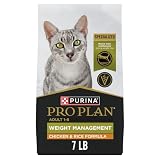
- Promotes muscle mass maintenance during weight loss
- High protein formula, with real chicken as the first ingredient
- Fortified with guaranteed live probiotics to support digestive and immune health
- Used to be known as FOCUS Weight Management Chicken and Rice Formula
- 20 percent less fat than Pro Plan COMPLETE ESSENTIALS Adult Chicken and Rice Formula
Any concern that a cat cannot urinate is urgent. A veterinarian can assess urinary signs and address weight as one component of a broader prevention plan.
7. Oral disease
AAHA/AAFP notes an increase in the prevalence of oral disease in one study and deliberately limits the wording to that evidence. This is a narrower and less established claim than the general association between excess weight and chronic disease. Dental disease can also occur in cats of any body size, so body condition does not replace regular oral examinations.
8. Respiratory disorders
The 2014 AAHA weight-management guideline lists respiratory disorders among conditions associated with excess weight in dogs and cats (AAHA, 2014). Because this is mixed-species guidance, it supports a reason to consider breathing and exercise tolerance during a weight assessment, not a cat-specific rate or guaranteed outcome.
Breathing difficulty, rapid deterioration in stamina or an inability to tolerate normal activity requires veterinary attention. Weight loss should not be attempted as a substitute for diagnosing a respiratory problem.
Also popular on Amazon

- Breakthrough formula made to positively impact the unique cell function of overweight pets, and support healthy metabolism and body weight
- Safe and effective weight loss with visible results within 10 weeks
- Made with natural ingredients, plus added vitamins, minerals, and amino acids
- Made in the USA with global ingredients you can trust
- Hill's Pet Nutrition is the US Veterinarians' #1 recommended brand
9. Renal dysfunction and some cancers
AAHA’s broader guideline also associates excess weight with renal dysfunction and increased risk for some cancers in dogs and cats. These are population-level associations and do not establish that obesity directly causes a particular kidney disease or tumor in every cat. The guideline’s mixed-species scope is important when interpreting the evidence.
Routine veterinary examinations can identify changes in kidney-related health or other illness while a weight plan is being developed. A cat’s age, genetics, medications and existing diseases may matter as much as body fat when evaluating these risks.
How to tell whether your cat is overweight
A bathroom scale cannot tell you how much of a cat’s weight is fat versus muscle, and visual impressions vary with coat length and body shape. Ask a veterinarian to assign a body-condition score and assess muscle condition. In the AAHA/AAFP young-adult framework, BCS 6/9 or 7/9 indicates overweight and BCS 8/9 or higher indicates obesity (AAHA/AAFP, 2021).
The appointment should establish an ideal body weight, identify illnesses that affect weight or appetite and decide how often progress will be checked. A target based only on a generic number can be unsafe for a cat with substantial muscle loss or another medical condition.
How to help an overweight cat lose weight safely
- Start with a veterinary examination. Have the clinician document body condition, muscle condition, current weight, ideal weight and any signs of diabetes, orthopedic pain, skin disease, urinary disease or other illness.
- Use a complete diet selected for the cat. AAHA says prescription diets are indicated for obesity treatment. Simply feeding much less of a maintenance food can create vitamin and mineral deficiencies because the cat receives fewer nutrients as well as fewer calories (AAHA, 2014).
- Measure portions accurately. A small digital gram scale can improve portion consistency, but it does not diagnose obesity or determine a safe calorie target. Use the calorie and portion plan supplied by the veterinary team.
- Monitor the trend, not a single weigh-in. The 2026 AAHA diabetes guideline describes 0.5% to 2% of body weight per week as a healthy loss rate for obese cats under treatment monitoring (AAHA, 2026). The appropriate rate for a cat without diabetes, or for one with another illness, still needs individualized veterinary direction.
- Protect appetite and muscle. Cornell advises veterinary examination if a cat refuses food and is losing weight; not eating can lead to serious problems including hepatic lipidosis (Cornell Feline Health Center, information dated April 30, 2026). Never force a rapid diet change or allow a cat to go without food in an attempt to speed weight loss.
Keep feeding records, weigh the cat on the schedule your veterinarian recommends and report vomiting, diarrhea, marked lethargy, worsening mobility or a sustained appetite change. The plan may need adjustment as body fat decreases or another condition emerges.
What the evidence can—and cannot—tell you
The strongest feline-specific statements in the cited material concern diabetes, lameness, non-allergic skin disease, urethral obstruction and the limited oral-disease finding in one study. Respiratory, renal, endocrine, orthopedic and cancer associations come from broader guidance covering both dogs and cats. Cornell’s numerical comparisons come from a follow-up reported on a page edited in 2024; the exact original study year and design are not established on that page. These distinctions matter: a risk association helps guide prevention and monitoring, but it is not an individual diagnosis or a guarantee of disease.
Quick wins for a faster PC:
Clear out junk files and repair common Windows errorsFree Scan →Scan for outdated or missing drivers - takes under a minuteDriver Scan →Excess weight is modifiable. Confirm the problem with a veterinary body-condition assessment, address any illness already present and reduce weight gradually with a nutritionally appropriate diet and ongoing monitoring.





Leave a Reply