Do these 3 things before closing this tab:
1Fix the driver behind crashes, sound loss and screen glitches2Repair Windows errors before they cause bigger problems3Scan for outdated or missing drivers - takes under a minuteThe Pekingese is a small, devoted companion dog with a big personality. This Chinese toy breed is typically 6–9 inches tall, weighs up to 14 pounds, and may live about 12–14 years. Pekingese are affectionate with their families but often independent, alert, and selective about strangers. They can thrive in an indoor home, but their dense coat, prominent eyes, short muzzle, and risk of overheating require deliberate grooming, supervision, and veterinary care.
A Pekingese is usually a better match for someone seeking a dignified house companion than for someone wanting a jogging partner, highly obedient competition dog, or pet for rough play.
As an Amazon Associate I earn from qualifying purchases.
Pekingese at a glance
| Characteristic | Typical description |
|---|---|
| Breed type | Toy companion dog |
| Origin | China |
| Height | Approximately 6–9 inches |
| Weight | Up to 14 pounds |
| Life expectancy | About 12–14 years, though individual lifespan varies |
| Coat | Long, profuse double coat with a prominent neck and shoulder ruff |
| Exercise needs | Modest; prefers gentle daily activity and play |
| Training style | Short, positive, consistent sessions |
| Best suited to | Owners wanting an indoor companion and willing to manage grooming, dental care, heat, and eye safety |
The American Kennel Club describes the Pekingese as loyal, affectionate, regal, compact, and stocky. The Fédération Cynologique Internationale places the breed in Group 9, Companion and Toy Dogs, Section 8, alongside the Japanese Chin and Pekingese. The breed is not subject to a working trial.
Windows Errors? Fix Them Before They Spread
Repair common Windows errors and clear accumulated junk for a smoother, more stable PC - no reinstall needed.Free scan · no reinstallOutdated Drivers Are Slowing You Down
One free scan finds every outdated or missing driver and matches the right update for your exact hardware.Free scan · exact hardware matchWhat does a Pekingese look like?
Pekingese are small but substantial dogs rather than delicate-looking miniatures. Their breed standard emphasizes a compact, well-balanced body with a heavier front and lighter hindquarters. They have a broad head, short muzzle, large dark eyes, and a distinctive rolling gait.
#1 Best Overall

- 【Premium Dog Grooming Kit】Owning a professional dog slicker brush and a comb, you can effectively remove tangles, knots, and mats, significantly reducing brushing and drying time. Let you, as the groomer, give your furry companion a shiny, healthy coat , Goldendoodle Must Haves - The Best Dog Gifts - Merry Christmas
- 【Professional Slicker Brush for Dogs】Designed for medium-length and curly-haired pets with thick, difficult-to-manage coats, our slicker brush features extra-long angled pins that penetrate deeply to remove dead hair and loose undercoat. It is the best choice for deep combing undercoat for Goldendoodles, Poodles, Labradoodles, etc.Ergonomic handle minimizes hand and arm fatigue during grooming sessions, making it an essential tool for shedding season
- 【High Quality Dog Comb】Made of high quality stainless steel, this comb is durable, corrosion resistant and will not fade, good for avoiding static electricity.Rounded pin ends are gentle to the skin.it’s perfect to promote blood circulation and massage skin
- 【Optimize Combing Function】Pin Length ≈ 1in,Tilt Angle ≈ 45° Extra-long pins effortlessly reach through dense coats, while the angled design protects sensitive skin. This innovative structure simplifies detangling by effectively accessing the undercoat.Ideal for Poodles, Bichons, Labradoodles, Goldendoodles, and Other Doodle Breeds
- 【2-Year Warranty & Support】As a professional pet care brand, we are committed to providing safe, practical, and affordable solutions. Enjoy peace of mind with our 7*24 customer support and 2-year quality guarantee covering any manufacturing defects
The rolling movement is a defining breed characteristic, not automatically evidence of weakness or an inability to move normally. A healthy Pekingese should still be able to walk comfortably and move appropriately for its age and condition. Sudden changes in gait, reluctance to walk, pain, weakness, or difficulty rising deserve veterinary attention.
The coat is a thick double coat. The longest furnishings are generally around the neck and shoulders, creating the breed’s familiar lion-like outline. Recognized colors and markings include red, cream, black, black and tan, white, gray, fawn, sable, brindle, biscuit, and related shades.
Pekingese temperament and behavior
Pekingese were bred primarily for companionship, and many form close, loyal bonds with their owners. They can be affectionate with familiar people while remaining self-possessed and independent. Some are reserved with strangers, and many are alert to activity around the home, making them surprisingly serious little watchdogs.
Independence can look like stubbornness when a Pekingese does not see the value of a requested behavior. Training may progress more slowly than it does with a highly biddable breed. That does not mean the dog cannot learn; it means the owner should make cooperation worthwhile and avoid turning lessons into a battle.
How to train a Pekingese
- Use brief sessions rather than long, repetitive drills.
- Reward desired behavior promptly with praise, play, or a small treat.
- Keep household rules consistent so the dog receives the same message from everyone.
- Teach handling gradually, including brushing, nail care, mouth checks, and gentle facial cleaning.
- Socialize early and positively to people, calm dogs, household sounds, surfaces, and routine handling.
- Avoid force, intimidation, and harsh corrections, which can damage trust and make resistance worse.
Socialization is especially useful for a breed that may be watchful, reserved, or opinionated. It should not mean forcing a puppy or adult dog to interact. Calm exposure at a distance, paired with rewards, is generally more productive than overwhelming the dog.
Are Pekingese good with children?
A Pekingese may live successfully with respectful children, but the breed is not a good choice for roughhousing. Its small body, independent temperament, and sensitivity to uncomfortable handling make supervision essential. Children should learn not to grab, carry, corner, disturb, or take food from the dog.
Adults should supervise every interaction involving a young child or a dog whose body language the child does not understand. The dog should always have a quiet retreat where it can rest undisturbed. A Pekingese that stiffens, turns away, hides, growls, or snaps is communicating discomfort; those signals should be taken seriously rather than punished.
Exercise and home life
Pekingese generally need much less exercise than athletic or working breeds. Their historical role was companionship, not sustained endurance work. Most benefit from gentle daily walks, indoor play, sniffing opportunities, and age-appropriate mental stimulation.
Rank #2

- 【Easy Desheding】: Swihauk self cleaning dog brush for long haired dogs with release bottom helps effortlessly reduce shedding. A must have dog brush for short haired dogs, cat brush for indoor cats, cat brush for shedding, slicker brush for dogs.
- 【Safe Design】: Soft and protective plastic round head bristles creating a comfortable feeling while deshedding without hurting your pet. Ideal puppy brush for small dogs, dog brush for shedding and grooming.
- 【Sturdy & Durable】: Premium stainless steel metal and compact design make our product sturdy and durable for long term use.
- 【Ergonomic Design】: Press bottom for easy cleaning, high-quality & lightweight TPR handle make your grooming effortlessly.
- 【Effective to Remove Loose Fur】: Swihauk pet grooming brush is effective to remove loose fur, suitable for dogs, cat with long and short hair, perfect for your lovely pet like puppies, golden retriever, rabbit, kitten, bunny, yokie and more.
Let the dog set a sensible pace, particularly in warm weather or on hills and stairs. A Pekingese is not an appropriate breed for regular jogging, long-distance hiking, or strenuous exercise in hot or humid conditions.
Short-muzzle safety
Pekingese are brachycephalic, meaning their shortened facial structure can affect airflow and the body’s ability to cool itself. The American College of Veterinary Surgeons lists Pekingese among breeds that can develop brachycephalic syndrome, a group of structural airway problems.
Heat, humidity, intense exertion, stress, and poorly ventilated travel can all increase risk. Use these precautions:
Recommended Free Tools
- Exercise during cooler parts of the day and choose shaded routes.
- Stop activity if the dog shows excessive or worsening panting, weakness, distress, stumbling, or abnormal breathing.
- Do not leave the dog in a parked vehicle, even briefly.
- Provide good ventilation during travel and avoid situations where the dog cannot be monitored.
- Ask a veterinarian to assess noisy breathing, exercise intolerance, fainting, or prolonged recovery after activity.
Breathing distress, collapse, blue or gray gums, severe weakness, or suspected heatstroke is an emergency. Move the dog away from heat and seek urgent veterinary care; do not delay treatment while trying home remedies.
Indoor living can suit a Pekingese well, but small size does not eliminate household hazards. Use secure gates around stairs, prevent falls from furniture, provide stable flooring where possible, and protect the dog from collisions with larger pets or people.
Pekingese grooming requirements
The Pekingese coat is beautiful but not low-maintenance. The AKC recommends at least one hour of brushing per week, occasional bathing, and regular nail trimming. In practice, several short brushing sessions may be easier for the dog and owner than one long session, especially when the coat is dense or the dog is not accustomed to grooming.
Pay particular attention to the neck and chest ruff, feathering on the legs, behind the front legs, and any area where harnesses, collars, bedding, or movement create friction. Loose hair should be removed before it becomes a tight mat. Work through tangles gently with a slicker brush or metal comb; pulling painfully at mats can injure the skin and make future grooming more difficult.
A practical grooming routine
- Brush in short sessions. Separate the coat in layers and work gently from the ends of the hair toward the skin.
- Check friction points. Inspect the neck, chest, armpits, legs, and areas under clothing or harnesses.
- Inspect the face. Check facial folds and the area around the eyes for moisture, debris, redness, odor, or hair rubbing the eye.
- Bathe when needed. Use a gentle shampoo made for dogs, rinse thoroughly, and dry the dense coat completely.
- Trim nails regularly. Overgrown nails can affect comfort and movement.
- Handle the mouth. Combine grooming with regular tooth brushing and veterinary dental care.
A short pet trim can reduce daily coat maintenance for some households, but it changes the Pekingese’s appearance and does not eliminate brushing, skin checks, nail care, facial care, or dental care. Do not assume shaving is medically necessary or that a shorter coat makes a short-faced dog safe in hot weather.
Rank #3
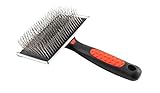
- EXTRA LONG PINS - Crafted from high-quality materials, this professional-grade "Tuffer Than Tangles" brush features extra-long stainless steel pins that easily penetrate deep into your pet's coat, removing dirt and debris from the undercoat.
- COMFORTABLE - The flat slicker design allows for gentle yet effective grooming, while the ergonomic handle ensures maximum comfort and control during use.
- ALL COAT TYPES - The Paw Brothers Extra Long Pin Flat Slicker Brush is suitable for all coat types and can be used on both dogs and cats. It's perfect for pet owners, as well as professional groomers.
- SIZE - Head 4.5in x 3in, Handle length 4.75in, Pins 1in length
- WHY RYAN'S PET SUPPLIES - Established in 1959, we have grown from humble beginnings as a family-operated four-page catalog to an international business featuring top quality products and services for pet professionals and pet lovers alike.
Optional Pekingese care tools
For routine home care, a dog slicker brush or stainless-steel dog comb can help work through loose hair and minor tangles when used gently. A small-dog nail trimmer, dog-specific shampoo, and dog toothbrush and toothpaste may also be useful. Product quality and the dog’s tolerance matter more than buying a breed-branded gadget. These tools support routine care; they do not replace professional grooming or veterinary treatment for painful mats, skin disease, dental disease, eye problems, or breathing concerns.
Pekingese health considerations
Breed information can identify risks, not predict an individual dog’s diagnosis. Not every Pekingese develops the conditions below, and a healthy appearance does not replace veterinary examinations.
Airway and heat-related problems
Short-faced anatomy can narrow or obstruct airflow and impair cooling. Watch for unusually noisy breathing, exercise intolerance, gagging, distress, fainting, or prolonged panting after modest activity. A veterinarian can determine whether signs reflect airway anatomy, heat stress, heart disease, obesity, or another problem.
Eye problems
The Pekingese’s prominent eyes and shallow facial structure require particular care. Colorado State University’s Veterinary Health System identifies brachycephalic ocular syndrome in short-nosed breeds including Pekingese. Exposure, irritation, injury, abnormal eyelid position, or facial-fold contact can threaten comfort and vision.
Seek prompt veterinary evaluation for squinting, holding an eye closed, excessive tearing, redness, cloudiness, discharge, rubbing, sudden bulging, or any apparent eye injury. Prevent access to sharp brush, thorny vegetation, rough play, and other hazards that could strike the eyes.
Dental disease
Small dogs commonly need deliberate dental care, and Pekingese facial structure can make crowded or difficult-to-clean teeth a concern. Daily or near-daily tooth brushing with dog-specific toothpaste is useful when the dog will tolerate it, but home care does not remove the need for veterinary dental examinations. Never use human toothpaste unless a veterinarian specifically confirms that a product is safe; some human ingredients can be dangerous to dogs.
Other reported breed-associated concerns
Veterinary breed-care references report progressive retinal atrophy, patellar luxation, dental disease, and brachycephalic airway problems among concerns associated with Pekingese. These are predispositions or reported conditions, not guarantees. Signs such as night-vision difficulty, kneecap slipping, hopping, lameness, persistent bad breath, difficulty eating, or changes in vision should be discussed with a veterinarian.
What’s actually slowing this PC down?
Pick the symptom - the matching free tool is one click away.
Health screening and responsible breeding
The AKC currently displays no recommended health tests from the national breed club for Pekingese. The Pekingese Club of America has explained that conditions known to the club were not considered predictably testable in advance in the same way as certain genetic diseases in other breeds. This should not be interpreted as “no screening is needed.”
Rank #4
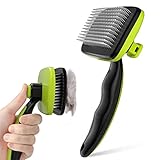
- 1-CLICK SELF-CLEANING GAME-CHANGER: Features an instant hair-ejection button. One swipe after brushing and the loose fur falls off effortlessly. This professional slicker brush is perfect for pet owners seeking a low-effort grooming solution with minimal cleanup—no more tedious manual hair pulling from your traditional pet brushes!
- IDEAL FOR DOUBLE COATS & WHITE FUR: Specially engineered as an essential cat brush and heavy-shedding dog tool. It works wonders for short to medium-haired cats and double-coated dogs (Labs, Goldens, Huskies). Extremely effective on white-coated pets, easily capturing undercoat, dander, and dirt during peak shedding season.
- GENTLE ON SKIN, LOVED BY RESISTANT PETS: The ultimate cat brush for indoor cats and sensitive pups who dread grooming. Designed with fine 135° stainless steel bristles capped with protective massage particles, it stimulates skin circulation without pulling. Even pets that usually resist will love the soothing massage experience!
- ERGONOMIC & COMFORTABLE FOR FREQUENT USE: Weighing only 89g (3.1 oz), this lightweight dog brush with a non-slip TPR handle eliminates wrist fatigue. As a dedicated dog brush for shedding, it's perfect for frequent sessions (2-3 times per week) to eliminate loose undercoat before it ends up on your furniture and floors.
- PREMIUM VALUE & DURABLE DESIGN: Professional-grade grooming results without the salon expense! Built with high-quality TPR, this heavy-duty slicker brush offers exceptional value and long-lasting performance. It is perfectly optimized for standard small to medium pets, removing trapped fur with ease. (Note: Not ideal for tightly curly coats like Poodles).
Responsible breeders should use healthy breeding stock, pursue appropriate veterinary evaluation, be candid about hereditary concerns, and provide routine care, vaccinations, parasite control, and socialization. Ask specifically about the parents’ breathing, eye function, dental condition, mobility, temperament, and veterinary records. A breeder’s answer should be detailed and documented rather than a vague assurance that the line is “healthy.”
Feeding and weight management
Feed a complete and balanced diet appropriate for the dog’s age and individual needs. Measure portions rather than leaving food available indefinitely, and count treats as part of the daily calorie intake. Calorie needs vary with size, metabolism, age, activity level, and reproductive status.
Weight is not merely a cosmetic issue for a short-faced toy breed. Excess body fat can add strain to breathing, joints, and mobility. Ask a veterinarian to assess body condition and set portions, especially for puppies, seniors, low-activity dogs, or dogs with airway or orthopedic concerns. Do not rely on a food, supplement, or treat to prevent breed-related disease without veterinary guidance.
The history of the Pekingese
The Pekingese has an ancient association with the Chinese imperial court. Traditional names include Lion Dog, Sun Dog, and Sleeve Dog, reflecting its lion-like appearance, imperial associations, and reputation for being small enough to carry in a sleeve.
Historical accounts describe the breed’s introduction to the West in the 1860s after British forces entered the Imperial Palace in Beijing. The Pekingese Club of America records five small “Sleeve Pekes” being brought to England in 1860. The AKC first registered the breed in 1906, and the Pekingese Club of America became an AKC member in 1909.
Stories connecting the breed’s origin to a Buddha-and-lion transformation are part of its cultural and breed lore. They should be presented as legends, not as literal historical evidence.
Is a Pekingese right for you?
A Pekingese may be a good fit if you want a devoted indoor companion and can accept a dog that has its own opinions. You should also be prepared to:
The Tool Desk
Outbyte Driver Updater FREEFix the driver behind crashes, sound loss and screen glitchesFind Drivers →Outbyte PC Repair FREEClear out junk files and repair common Windows errorsFree Scan →- Brush and inspect a dense coat regularly.
- Provide routine dental care and veterinary examinations.
- Manage heat, humidity, exertion, and travel ventilation carefully.
- Protect prominent eyes from injury and respond promptly to eye symptoms.
- Use patient, reward-based training.
- Supervise children and interactions with larger or exuberant pets.
- Monitor body weight and avoid overfeeding.
A different breed may suit you better if you want a running partner, an endurance dog, a pet that welcomes rough play, or a dog that responds enthusiastically to extensive repetitive training. “Toy” does not mean effortless: the Pekingese’s small body makes some risks easier to overlook, while its coat and facial anatomy create specific care responsibilities.
Best Value

- 【Professional Pet Grooming Kit 】3 Pet grooming tools selected by pet lovers, which can meet daily all the grooming needs of pets. Let you, as the groomer, personally give your furry friend a shiny and healthy coat. This is a must-have beauty product set for pet lovers! The Best Dog Gifts - Merry Christmas
- 【Why Choose Augwind 3PCS ?】 Augwind Pet Grooming Rake makes it easy to remove stubborn, tangled hair. Augwind Self-Cleaning Slicker Brush quickly removes loose hair, dander, and residual dirt. Augwind Flea Comb effectively remove small objects and Dandruff Flakes. Our 3-in-1 Pet Grooming Kit handles all your needs: detangling, hair removal and removes fleas and ticks – The Ultimate Pet Essentials
- 【Dematting and Deshedding Tools】 Augwind Pet Grooming Rake features a double-sided design: The 9-tooth bristle side detangles stubborn knots and mats. The 17-tooth bristle side trims excess pet hair. Augwind self-cleaning dog brush includes a push-button retractable mechanism – simply retract the bristles after use to remove loose hair quickly and effortlessly
- 【Flea Comb】Use this fine-toothed lice comb regularly to effectively remove small debris and dandruff, help keep away fleas and ticks, and maintain your pet’s coat tidy and healthy
- 【2-Year Warranty】We are a professional pet products company, committed to bringing the safest, practical and affordable pet products to pets and owners. We promise to solve it for you at any time if there is any quality within 2 years. We provide 7*24 hours after-sales service, if you have any questions, please feel free to contact us
Buying or adopting
If you work with a breeder, request veterinary records, vaccination and parasite-control information, details about socialization, and an honest discussion of the parents’ breathing, eyes, teeth, mobility, and temperament. Responsible breeders should be willing to explain how they address hereditary concerns and what support they provide for dogs they produce.
Adoption and rescue are also legitimate routes to Pekingese ownership. Assess each dog individually. Age, previous care, grooming condition, breathing, eye health, dental status, temperament, and behavior around children or other pets can vary substantially. Breed labels alone cannot answer whether a particular rescue dog is right for your household.
Frequently Asked Questions
Are Pekingese good apartment dogs?
Often, yes. Their modest exercise needs and preference for indoor companionship can suit apartment living, provided they receive gentle daily activity, regular grooming, safe flooring, and careful heat management. Noise, stairs, falls, and poor ventilation still need to be managed.
Quick wins for a faster PC:
Clear out junk files and repair common Windows errorsFree Scan →Fix the driver behind crashes, sound loss and screen glitchesFind Drivers →Repair Windows errors before they cause bigger problemsFix Now →Do Pekingese shed a lot?
They have a profuse double coat and shed hair, so regular brushing is essential. Several short brushing sessions each week can help control loose hair and prevent mats, especially around the neck, chest, legs, and friction points.
Are Pekingese hypoallergenic?
No dog is reliably hypoallergenic, and Pekingese are not considered a hypoallergenic breed. Their coat and shedding can contribute to household allergens.
Can Pekingese swim?
Do not assume that a Pekingese is a safe swimmer. Its short muzzle, compact body, and breathing risks can make swimming and water recovery dangerous. Avoid unsupervised access to pools and use appropriate supervision and flotation equipment if a veterinarian agrees that a water activity is suitable.
How much exercise does a Pekingese need?
Most need modest, gentle daily activity such as short walks, indoor play, and sniffing or training games. Avoid strenuous exercise in heat or humidity, and stop immediately for distress, weakness, excessive panting, or abnormal breathing.
Free tools Windows power users keep installed
One-click scans. No signup required.
The Bottom Line
The Pekingese is a loyal, distinctive companion for an owner who values character over athleticism and can provide consistent grooming, dental care, positive training, and careful management of heat and eye risks. Its small size and regal appearance should not obscure the practical responsibilities of living with a short-faced, heavily coated dog.
Quick Recap
Product prices and availability are accurate as of the date/time indicated and are subject to change. Any price and availability information displayed on Amazon at the time of purchase will apply.




