
Some links on this page are affiliate links: if you buy through them we may earn a commission, at no extra cost to you.
The safest donation for most animal shelters is unopened, unexpired, complete-and-balanced dry or canned food in the species and life stage the shelter requests. Dog food, puppy food, cat food and kitten food are commonly needed, but each organization sets its own rules for package condition, formulas, dates and delivery. Check the shelter’s current wish list or call before buying; a food that is useful at one facility may be refused at another.
What shelters generally need most
Shelters feed animals with different ages, medical histories and appetites, so a donation is most useful when it fits the facility’s established feeding program. ASPCA shelter guidance says all animals need a “complete, nutritionally balanced, and age-appropriate diet.” It also recommends consistency, because frequent diet changes can cause gastrointestinal upset, especially in dogs.
As an Amazon Associate I earn from qualifying purchases.
Recommended Free Tools
Complete-and-balanced dog and cat food
Look for a commercial food labeled as complete and balanced for the relevant species and life stage. Unless the shelter gives you a specific formula, avoid donating food that is intended only as a topper, treat or supplemental product. A shelter may need a predictable staple diet more than an assortment of unrelated foods.
Puppy and kitten formulas
Young animals often need food identified for growth or for puppies and kittens. Charlottesville-Albemarle SPCA lists canned and dry dog, puppy, cat and kitten food among its requested items. Do not assume that an adult formula can replace a requested growth formula; ask what the shelter is currently using and which package sizes fit its storage and feeding routines.
Popular on Amazon
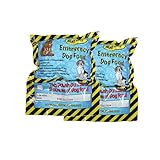
- 5-Year shelf-life
- Emergency Dog Food Ration
- 2- 8 ounce bags dry kibble
Dry and wet food
Both formats can be valuable. Louisiana SPCA specifically requests unopened, unexpired dry and wet dog and cat food. Dry food is often easy to store and portion, while canned food may be requested for animals that need a different texture or additional moisture. The destination’s list should determine the balance rather than a donor’s preference.
Treats and cat litter
Treats are useful only when the organization has requested them. Fairfax County accepts unopened, unexpired treats, and Dane County highlights soft dog treats. Charlottesville-Albemarle SPCA also lists treats and cat litter. If these items do not appear on the current list, prioritize the food categories the shelter identifies first.
Sealed, opened, near-expiration and damaged packages
Package condition is one of the biggest reasons a well-intended donation is declined. Policies differ, so treat the following as a decision guide rather than a universal rule.
| Donation condition | What the evidence shows | What to do |
|---|---|---|
| Unopened, original packaging | Louisiana SPCA requests unopened dry and wet food. Fairfax County and Connecticut Humane Society also require unopened donations. | Make this your default choice. Check that the seal is intact and the label is readable. |
| Opened dry food | Many organizations do not accept it, but Charlottesville-Albemarle SPCA explicitly accepts opened dry food under its local policy. | Ask before transporting it. Never leave an opened bag at a closed facility or outside a donation bin. |
| Near-expiration food | Charlottesville-Albemarle SPCA accepts near-expiration food, while other shelters may not. | Disclose the date and obtain approval first; the shelter must have time to use it safely. |
| Expired food | ASPCA says expired products should be discarded, and BC SPCA says expired pet food cannot be accepted. | Do not donate it. Dispose of it according to local waste rules. |
| Food outside original packaging | Charlottesville-Albemarle SPCA does not accept food in bags or bins other than the original packaging. | Keep food in the manufacturer’s package, including its lot and date information. |
| Damaged packaging | Facilities need to evaluate safety and traceability; damaged packages may be refused. | Do not transfer food into a new container to make it look acceptable. Ask the shelter before delivery. |
Can you donate an opened bag of dog or cat food?
Sometimes, but never assume. Fairfax County and Connecticut Humane Society are examples of organizations that require unopened donations. Charlottesville-Albemarle SPCA is an explicit exception: it accepts opened dry food and near-expiration food under its own policy. That difference is why a general answer cannot replace a call or a current wish list.
If a shelter says no, ask whether its pet-food pantry, foster network or local animal-control facility can use the food. A community “buy nothing” group may also have a current request. Keep the bag sealed while you wait for an answer, and do not leave it unattended at a shelter entrance.
Also popular on Amazon
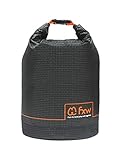
- Reusable & Eco-friendly Kibble Storage: The outer material is 420D Nylon Ripstop, and the inner is 70D Polyester Taffeta, which is water- and moisture-proof to keep the dog food fresh and dry and will not become permeated by oil from the kibble. The roll-down buckle seals the pouch so that any odors from the food are not be released.
- Extra Storage Pockets: The interior pocket is perfect for storing treats, travel collapsible bowls, leashs, poop bags, medications etc. The Hook & Loop ensures the small items do not fall out when pouring the dog food.
- Easy to Use: The opening is large enough to make filling quite easy and the fold out fabric pour spout is helpful in pouring kibble. The roll-top closure can be used as a handle for easy carrying once it buckled up.
- Special Design: There is a cartoon form printed on the front of the bag, you can put contact information in case the bag is misplaced. Or you can put provide feeding instructions in case someone is minding your dog. Nylon Ripstop fabric is durable and easy to clean, we recommend cleaning with a mild detergent.
Can you donate expired pet food?
Expired food should not be donated. ASPCA guidance says, “Expired products should be discarded,” and BC SPCA states that expired pet food cannot be accepted. An expiration or “best by” date is also part of the information a shelter uses when deciding whether it can store and serve a product. If the date has passed, the responsible option is disposal rather than asking staff to make an exception.
Near-expiration food is a separate question. Some shelters may use it promptly, while others require a longer remaining shelf life. Tell staff the exact date before you deliver it and follow the organization’s answer.
Foods and products that require special approval
Raw diets
Do not bring raw food unless a shelter has specifically instructed you to do so. ASPCA warns that raw and home-prepared diets may be nutritionally incomplete or contaminated. BC SPCA’s feeding guideline is direct: “Raw food should never be fed to BC SPCA shelter or foster animals.” A facility’s disease-control and feeding procedures take priority over an individual animal’s usual diet.
Homemade food and homemade treats
Homemade diets can lack required nutrients, and homemade treats may create sanitation and ingredient-traceability problems. Fairfax County and Dane County reject homemade items. Donate commercially packaged products only when the destination has requested them.
Prescription or therapeutic diets
Prescription food is not a general-purpose donation. Dane County excludes prescription pet food, while Fairfax County lists prescription food as a special new-only category rather than an ordinary drop-off item. A shelter may need a particular therapeutic formula for one animal, but staff must confirm the exact product, size and quantity first. Do not substitute a similar-looking diet.
Also popular on Amazon

- Keeps Dog Food Fresh: Dog food carrier is made from hex-weave material to keep out pests and unwanted moisture and equipped with roll-down top to keep food fresh
- Extra Storage Pockets: Travel dog food bag includes zippered side pocket for treats, keys, doggie bags or extra cash; the bottom opening conveniently fits one of our Kurgo Collaps-a-Bowls (not included)
- Made From Safe Materials: Dog food container is PVC free and includes food safe PEVA liner with heat sealed seams that prevents kibble oil seepage
- 5 Lb Capacity: This food storage container can store up to 5 pounds of dry food at a time, and packs down dog food to maximize storage space; roll top closure creates convenient carry handle
- Committed to Quality: Kurgo products are built for life and protected against manufacturer defects when purchased new from authorized dealers; our US-based support team is waiting to assist you
Unrequested medical products
Medication, supplements and other medical products should be handled through the shelter’s approved process. If the organization has not asked for a product, call before bringing it. Staff need to verify whether it is appropriate, unopened, in date and legally usable for animals in their care.
How to choose the right donation: a step-by-step process
- Find the current request. Read the shelter’s wish list, social channels or donation page, then call if the wording is unclear. Needs, storage capacity and acceptance rules change.
- Confirm the destination. Ask whether the food will be used in the shelter, sent to foster homes or distributed through a community pet-food pantry. The same product may be suitable for one program and unsuitable for another.
- Match species and life stage. Choose dog, puppy, cat or kitten food exactly as listed. If a formula, protein, texture or package size is specified, follow it rather than making a broad substitution.
- Choose a complete diet. Unless requested otherwise, select a commercial complete-and-balanced food appropriate for the stated life stage.
- Inspect every package. Check that the original seal is intact, the package is clean and undamaged, the label is legible and the date has not passed. Do not rebag food.
- Check for recalls. ASPCA advises shelters to monitor FDA recalls, particularly when donations come from varied sources. Compare the product and lot information with current recall notices before delivery.
- Confirm treats or litter separately. Add treats, soft dog treats or cat litter only when the shelter lists them. Food should not be displaced by extras that staff cannot use.
- Use the approved route. Deliver during published hours or ship through the organization’s official shopping list. Fairfax County, Louisiana SPCA and Charlottesville-Albemarle SPCA publish direct shopping or drop-off routes.
- Label unusual donations. If staff approved an opened, near-expiration or prescription item, tell them exactly what it is and why it is being provided. Do not leave staff to guess.
Direct drop-off versus wish-list shipment
| Route | Advantages | Important checks |
|---|---|---|
| Direct drop-off | Useful when the shelter has an immediate need and can receive donations during its posted hours. | Confirm hours, entrance instructions and whether staff accept the specific package condition. |
| Official online wish list | Lets the shelter specify current formulas, sizes and quantities, with delivery sent through its approved channel. | Use the shelter’s own link, not an unrelated list, and verify the shipping destination before paying. |
| Community pet-food pantry | May be the right destination for food a residential shelter cannot use, especially when the program serves local pet owners. | Ask about unopened, date and packaging rules; pantry policies can differ from shelter policies. |
| Foster or animal-control network | Can match a food to an animal or temporary placement with a specific need. | Arrange acceptance in advance and provide the original label and date information. |
Why consistency matters in a shelter diet
Shelters often care for many animals in a shared system, so a donation that fits the existing diet is easier to use than a mixed assortment. ASPCA guidance emphasizes consistency because abrupt diet changes can cause gastrointestinal upset, particularly in dogs. A shelter may therefore decline a product that is wholesome in isolation but does not match its current feeding plan, storage space or population.
This is also why a smaller donation of the requested food can be more valuable than a larger donation of assorted, unrequested products. Ask whether staff need one standard formula, several life-stage formulas or a specific wet-food texture before purchasing in bulk.
What “most needed” means at different destinations
The phrase “most needed” is not identical for every organization. A municipal shelter may prioritize staple food for animals housed on site. A foster network may need small quantities that travel easily to individual homes. A community pantry may focus on food for owned pets and may have different rules for opened packages. Confirm the program before you shop.
Quick wins for a faster PC:
Repair Windows errors before they cause bigger problemsFix Now →Fix the driver behind crashes, sound loss and screen glitchesFind Drivers →- Residential shelter: complete-and-balanced dog and cat food in the requested life stages, usually unopened and in original packaging.
- Puppy or kitten program: growth formulas and package sizes staff can use before the food expires.
- Foster network: the exact food used by the foster organization, with delivery coordinated in advance.
- Community pantry: products that meet the pantry’s date, seal and distribution rules; these may not match the shelter’s rules.
- Animal-control facility: immediate staple diets requested by staff, rather than specialized or homemade alternatives.
A practical comparison before you donate
| Question | Usually the safer choice | When the alternative may work |
|---|---|---|
| Sealed or opened? | Sealed, unopened original packaging. | Only when the destination expressly accepts opened food. |
| Unexpired or near expiration? | Unexpired with usable time remaining. | Near-expiration only after staff approve it and can use it promptly. |
| Standard or prescription? | Standard complete-and-balanced food requested by the shelter. | Prescription food only when staff identify the exact therapeutic need and accept it as new. |
| Dry or wet? | Whichever format and quantity appear on the current list. | The other format may be useful if staff confirm a need. |
| Shelter or pantry? | Send the donation to the program that requested it. | Redirect to a pantry, foster network or animal-control facility after confirming acceptance. |
| Drop-off or shipment? | Use the shelter’s published route and hours. | Ship through its official shopping list when an in-person delivery is inconvenient or unavailable. |
Common donation mistakes and how to avoid them
Buying a large quantity before checking
A bulk purchase can become unusable if the shelter has changed formulas, lacks storage or does not accept the package type. Check first, especially before buying a pallet, variety pack or food near its date.
Also popular on Amazon

- Healthy heart, kidneys, and bladder supported by antioxidants and balanced minerals
- Lean muscles supported with high-quality protein
- Made with natural ingredients
- Made in the USA with global ingredients you can trust
- Hill's Pet Nutrition is the US Veterinarians' #1 recommended brand
Assuming a familiar brand or formula is acceptable
Shelters may request a particular formula for consistency, allergies, age or medical management. A recognizable product is not automatically suitable. Follow the listed specification or ask whether a substitution is acceptable.
Removing food from its bag
Transferring food to a bin removes the original label, lot information and date. Keep the manufacturer’s packaging intact. Charlottesville-Albemarle SPCA specifically rejects food in bags or bins other than original packaging.
Leaving donations outside
Unattended food can be exposed to weather, pests or contamination and may be impossible for staff to trace. Deliver during published hours or use the official shipping route.
Do these 3 things before closing this tab:
1Repair Windows errors before they cause bigger problems2Scan for outdated or missing drivers - takes under a minute3Clear out junk files and repair common Windows errorsOffering homemade or raw food because an animal used it at home
Individual feeding history does not override shelter-wide safety and nutrition policies. Raw and homemade diets require explicit approval; many organizations will not use them.
How much impact a food donation can have
Food requests are not symbolic. Charlottesville-Albemarle SPCA reported distributing 33,565 pounds of pet food in 2024, showing the scale at which a shelter or related program may move donated supplies. The practical value of your contribution depends on whether staff can use it safely, consistently and before the date passes, not simply on the weight of the bag.
Donation checklist
- Read the destination’s current wish list or call.
- Confirm whether the food is for shelter animals, fosters or a community pantry.
- Match the requested species, life stage, formula, texture and package size.
- Choose complete-and-balanced commercial food unless staff specify otherwise.
- Use unopened, unexpired products in original, undamaged packaging by default.
- Do not donate expired, raw, homemade or unrequested prescription products.
- Check dates, seals, lot information and current FDA recall notices.
- Ask before donating opened or near-expiration food.
- Deliver during posted hours or use the organization’s official shopping list.
- If refused, redirect the food only after another local program confirms that it can accept it.
The bottom line
For most shelters, the dependable choice is unopened, unexpired, complete-and-balanced dry or canned food for the exact species and life stage requested. Opened and near-expiration food can be accepted by some organizations but rejected by others; expired, raw and homemade products are generally not appropriate, and prescription diets require advance approval. A quick check of the shelter’s current list or a phone call turns a well-intended purchase into a donation staff can actually use.





Leave a Reply