Quick wins for a faster PC:
Scan for outdated or missing drivers - takes under a minuteDriver Scan →Repair Windows errors before they cause bigger problemsFix Now →Fix the driver behind crashes, sound loss and screen glitchesFind Drivers →If someone disputes whether a dog or cat is yours, preserve records that show both how the animal came to you and how the animal can be identified. Adoption or transfer documents, dated microchip and licensing records, veterinary paperwork, receipts, photographs, and relevant messages can corroborate one another. No single record is established as conclusive everywhere: ownership rules and procedures depend on local law and the facts of the transfer or shared-care arrangement.
Build an evidence file, not just a folder of vet bills
Start with a dated collection of records that connect three things: the particular animal, the people involved, and the arrangement under which the animal came into your care. Save original documents when possible, make legible copies, and record when and where each file came from. Keep a secure backup separate from the original device or paper folder.


As an Amazon Associate I earn from qualifying purchases.
Different records answer different questions. A transfer document may help explain whether the pet was adopted, bought, given, lent, fostered, or shared. A microchip record or photograph may help identify the animal. A veterinary invoice may show that you arranged or paid for care on a particular date. These records can support each other, but a record of care is not automatically proof of a permanent transfer, and an identification record does not by itself settle who has legal ownership.
Recommended Free Tools
Records showing how the pet came to you
- Adoption or purchase documents: Keep the adoption contract, bill of sale, receipt, or other paperwork that names the animal and the parties. Save any attached terms and the date of the transaction.
- Gift or transfer records: If the animal was given or transferred, preserve a written agreement or contemporaneous messages that identify the pet and make the intended arrangement clear. If the arrangement included conditions, such as a return date or ongoing care, keep those terms too.
- Foster, loan, or shared-care communications: Keep messages or emails that show whether the animal was temporarily placed with you, jointly cared for, or permanently transferred. Preserve the surrounding conversation rather than only a cropped sentence, so the timing and context remain understandable.
The College of Veterinarians of Ontario identifies bills of sale, adoption documents, and microchip forms as examples of records that may be requested when ownership is questionable. That is guidance for veterinary professionals in Ontario, not a universal rule that any one document decides a dispute.
#1 Best Overall

- "COMPLETE MEDICAL RECORDS FOR DOGS & PUPPIES: Comprehensive health record booklets designed to track vaccinations, deworming, exams, and treatments. Ideal for maintaining organized, accurate medical histories for individual dogs or entire litters."
- 25 INDIVIDUAL BOOKLETS PER PACK: Includes 25 separate health records, making it easy for breeders, shelters, rescues, or clinics to document care for multiple pets. A convenient, cost-effective option for professional use."
- CLEAR, CUSTOMIZABLE FORMAT FOR EASY RECORDING: Each booklet includes clearly labeled sections for vaccines, dates, and notes. Simple, organized design allows pet owners and professionals to record information quickly and legibly at home or during vet visits."
- PORTABLE & DURABLE DESIGN: Compact size fits easily into travel folders, puppy packets, or veterinary files. Sturdy paper stock ensures each record withstands handling over time, ideal for breeders and adopters."
- IDEAL FOR PET OWNERS, BREEDERS & CLINICS: A must-have tool for dog owners, shelters, veterinarians, and groomers to track a pet’s complete health history. Simplifies communication between caregivers, adopters, and clinics."
Records identifying the animal
- Save clear photographs showing distinctive markings, coloring, scars, or other recognizable features. Keep the original image files when available, including their dates and context, rather than relying only on edited or compressed copies.
- Record the pet’s microchip number and retain the implantation paperwork and dated registry confirmations. Keep tattoo information and related records if the animal has a tattoo.
- Keep local licence or registration documents that identify the pet and show the relevant dates. Check whether the information is still accurate, but preserve older confirmations as well as newer ones.
Oregon’s statute lists photographs showing distinguishing marks, microchip-implantation and tattooing records, and licensing and registration records among evidence categories in a defined dispute process. Legal Aid NSW advises checking microchip registration in the NSW Pet Registry. Those examples show why identification and registration records can be useful; they do not make a registry entry a universally conclusive title document.
Records of care and expenses
Keep veterinary records, vaccination certificates, invoices, receipts, and relevant insurance or other dated care documents. These can help establish a timeline of care and identify who arranged or paid for particular services. They may also help a veterinarian understand the animal’s medical history if the dispute affects continuity of care.
Care records should be described accurately. A bill in your name can show that you paid for that visit; by itself, it does not necessarily prove that another person gave up ownership. The UK government’s guidance for people buying a pet describes medical records, including vaccination certificates and microchip records, as documentation to obtain. That buying guidance is not a general legal test for ownership disputes.
Rank #2

- All-in-one pet care tracking: vaccinations, vet visits, medical exams, medications and more
- Easy access to pet’s health info: stay organized and on top of your pet's health
- Ample writing space: never run out of space; designed to last entire life of pet
- High-quality materials: durable and elegant design for long-lasting use
- Portable size: convenient A5 size, perfect for on-the-go; practical for vet visits and storage
Keep a usable timeline
A short index can make a large file easier to understand. List each record’s date, what it is, who created or sent it, and what fact it may help establish. Keep notes factual: for example, record that a message dated a certain day discusses a return arrangement, rather than adding a conclusion about what a court would decide.
If information in a record is wrong, do not silently alter or replace the original. Keep the original and any corrected version, note when a correction was requested, and ask the registry, clinic, or other record holder about the proper update process. The appropriate correction procedure depends on the organization and jurisdiction; a universal process is not established.
A pet health record book can help organize care dates and notes. Treat it as an organizer, not as a substitute for adoption or transfer paperwork, receipts, registry confirmations, or veterinary documents, and not as proof of ownership on its own.
What each kind of evidence can—and cannot—show
The practical value of a document depends on the question in dispute. Evidence of identity, evidence of payment, evidence of care, and evidence of an agreed transfer are not interchangeable. The materials cited here do not establish one universal ranking of documents or a single document that conclusively proves ownership in every place.
| Record type | What it may help establish | What it does not establish by itself |
|---|---|---|
| Adoption contract, bill of sale, receipt, or written transfer | How the animal came to a person and what the parties recorded at the time | How a local authority will resolve conflicting facts or later changes to the arrangement |
| Messages or emails | What people said about a gift, loan, foster placement, shared care, return, or transfer | A universal legal rule about how messages must be weighed; the reviewed sources do not prescribe one |
| Microchip, tattoo, licence, or registration record | Identification details and, depending on the record, registration information associated with the animal | An automatic legal answer to every ownership dispute |
| Veterinary, vaccination, insurance, or expense records | A dated account of care, treatment, or payment | That the person who arranged or paid for care necessarily received permanent ownership |
| Photographs showing distinguishing features | Details that may help identify the animal | Who owns the animal or the terms under which it came into someone’s care |
The Oregon Revised Statutes example is narrowly tied to a dog or cat held by an animal dealer; it should not be treated as a general rule for disputes between former partners, relatives, co-owners, or a finder and a prior owner. Likewise, the Ontario veterinary guidance addresses what a veterinary professional may request when a claim is questionable. The relevance of each item depends on local law and the facts.
What to do when someone challenges your ownership
- Protect the animal and continue ordinary care. Keep the pet safe and do not withhold necessary treatment while people argue over documents. UK veterinary guidance says emergency first aid and pain relief should not be delayed where delay would compromise animal welfare.
- Preserve the records before the disagreement escalates. Save transfer documents, registry confirmations, licences, receipts, veterinary records, photographs, and relevant communications. Retain originals and dated copies; do not edit records to make them appear more favorable.
- Write down a factual timeline. Note important dates, such as when the pet came into your care, when a transfer or care agreement was discussed, and when the dispute began. Separate what a document says from your interpretation of it.
- Ask for a written resolution if it is safe and appropriate. A calm written proposal can identify what is disputed and ask whether the parties can agree on possession, care, expenses, or a permanent transfer. If agreement is reached, record the terms clearly and retain the messages or signed document. This is a practical step, not a legal requirement or a guarantee that an agreement will resolve every issue.
- Get advice about the local process. Contact local legal aid, a lawyer, or a court information service to learn which rules and process apply to your kind of dispute. Give them the timeline and copies of the relevant records, and ask what deadlines or immediate steps matter in your location.
Do not assume that small claims court, police, or any single agency is the correct route everywhere. The sources here do not identify a universal court, filing, remedy, or process for disputes among co-owners, former partners, family members, or a finder and a prior owner.
A narrow Oregon animal-dealer procedure
Oregon Revised Statutes, Chapter 609, describes a particular process involving a dog or cat held by an animal dealer. Its text states: “If the person claiming to be the owner and the animal dealer cannot resolve the dispute within a reasonable length of time, the circuit court for the area in which the dog or cat is located may, upon petition, designate a third party to serve as an impartial adjudicator of the issue.” This is a jurisdiction- and situation-specific statutory provision, not a general route for every pet ownership disagreement.
Independent reader supportYour contribution helps us test, update, and keep practical guides available for everyone.If the dispute involves a lost or found pet
Finding or temporarily possessing an animal does not, by itself, settle ownership. Use the relevant local animal-control, shelter, or registry process and ask what identification or reporting steps apply where you live. The available professional and jurisdiction-specific guidance discusses microchip scanning and checking registration, but there is no single worldwide procedure established by these sources.
The Tool Desk
Outbyte Driver Updater FREEFix the driver behind crashes, sound loss and screen glitchesFind Drivers →Outbyte PC Repair FREERepair Windows errors before they cause bigger problemsFix Now →If you believe a pet has been found or taken, preserve evidence that may help identify the animal and show your connection to it: distinguishing photographs, microchip or tattoo information, dated registry records, and transfer or care documents. If the animal is with a shelter, clinic, or authority, ask that organization how to submit records and what its local process requires rather than assuming a particular deadline or outcome.
Best Value
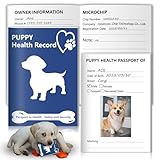
- Product Include:When you choose our dog vaccines records tracker, you'll receive one notebook.This 12-page puppy health journal has 8 dedicated pages for tracking your pup’s health, vet visits, and key details, with 4 blank pages at the end for jotting down extra notes, pet-related info, or anything else you want to record.
- Ideal Size for Record Keeping:Each dog vaccine record book measures 5x3.5 inches folded; 5x7 inches unfolded, allowing for easy portability and storage.These handy health records notebook for dogs with double sided printing, featuring enough space for all your pets important information,plus, it has dedicated spots for sticking on vaccine stickers and adding cute puppy photos.They offer a stylish and organized approach to pet health documentation, a must have addition to your pet supplies.
- Premium Quality: The puppy health record tracker’s cover features 300gsm coated paper with vibrant full-color printing and a protective laminate finish. Inside, 100gsm high-quality offset paper pages are durable and ink-resistant, ensuring no bleeding from pens or markers—so your records stay neat and easy to read.
- Effortlessly Track Vaccinations and More:The canine health record booklets pages include:owner and puppy information,medical history and hospitalizations,vaccination record and sticker,dog service providers,fecal examinations and de-worming,heartworm screening, prevention and treatment etc.This record keeping tool will ensure every important detail is accounted for and make this task easy, organized, and straightforward.Add this essential tool to your pet supplies for a happier, healthier pet.
- Essential for Pet Owners:Designed for veterinary clinics and pet owners, these puppy vaccination record books make tracking key health details—like shots, checkups—simple and organized. When you’re away and leave your pup with a sitter or family, the dog medical record and vaccine book serves as a quick reference for their medical history. Plus, dedicated sections for photos, physical markings, and ID info prepare you for emergencies, helping you recover your friend quickly if they get lost.
When a veterinary practice is caught in the middle
If competing people claim the same pet, a clinic may need to establish who is authorized to request services or records under the rules that apply to that practice. The College of Veterinarians of Ontario’s guidance describes seeking evidence when ownership is questionable and, in specified circumstances, contacting police or animal control. That is professional guidance for Ontario, not a direction that every owner should call police in every dispute.
For an animal needing urgent treatment, prioritize welfare. UK veterinary guidance specifically cautions against delaying emergency first aid or pain relief where doing so would compromise the animal’s welfare. If the disagreement concerns who may authorize non-emergency care or receive records, ask the practice what documentation it needs and seek local legal guidance if the parties cannot resolve the question.
How to reduce the chance of a future dispute
- When acquiring a pet, keep the signed adoption, sale, gift, or transfer record together with documents identifying the animal.
- When care is shared or temporary, put the arrangement in writing. State who is caring for the pet, whether the placement is temporary or permanent, and any agreed return or expense terms.
- Keep contact and registration details current where the applicable registry or licensing authority allows updates, while retaining prior confirmations for the timeline.
- Save key messages and dated care documents as the arrangement evolves. A clear written record made at the time is easier to interpret later than recollections reconstructed after a disagreement.
These habits improve the clarity of the record; they cannot guarantee how a local decision-maker will resolve a later dispute. Where ownership is already contested, a local lawyer or legal-aid service can explain which evidence and procedure matter in that jurisdiction.
Quick Recap
Product prices and availability are accurate as of the date/time indicated and are subject to change. Any price and availability information displayed on Amazon at the time of purchase will apply.




