
Pet rats can be affectionate, intelligent companions, but they are not “easy” starter pets. Plan for a social group rather than a single animal, a large secure enclosure, daily interaction and enrichment, balanced food and constant clean water, preventive veterinary care, and a lifespan of roughly two years (sometimes longer). Good preparation before adoption prevents the most common welfare problems.
This guide explains how to set up a safe home, choose companions, feed and handle rats, recognize illness, and decide whether your household can meet the commitment.
As an Amazon Associate I earn from qualifying purchases.
Are rats good pets?
Rats may suit people who want interactive small animals and can provide daily care. They often form close bonds with their carers, learn routines, and investigate new objects. Those qualities do not make them low-maintenance: they need other rats for company, substantial living space, supervised exercise outside the enclosure, regular cleaning, and access to veterinary care.
The RSPCA states, “Rats are social creatures and need the company of other rats.” Its rehoming guidance describes keeping rats in pairs or trios, so plan for at least two compatible animals rather than buying one alone. Human attention is valuable but does not replace rat companionship.
#1 Best Overall
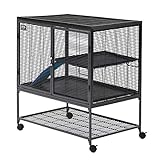
- SPACIOUS HABITAT: Measures 36 x 25 x 38.5 in. with a main level and upper shelf for comfortable living space. The 1/2" horizontal wire spacing safely contains chinchillas, rats, ferrets, sugar gliders & degus while allowing natural climbing behavior.
- DURABLE CONSTRUCTION: Sturdy metal wire design with a gray quartz hammertone finish, Critter Nation resists everyday wear. Complete with removable base pan, textured ramp with cover, and a full-width resting shelf, it's ready for years of use.
- CUSTOMIZE YOUR HABITAT: Height-adjustable design lets you customize the perfect setup for your pet, with a wide expanse shelf and full-width plastic pan floor to maximize play space. Compatible with our Add-On Unit for additional room.
- BUILT FOR DAILY LIFE: Full-width double doors provide maximum accessibility, with a swing-up locking ramp that lets you separate pets or section off areas during cleaning and feeding. Bottom level shelf provides storage area for pet accessories.
- BECAUSE LIFE GOES BETTER WITH PETS: A family-owned business based in Indiana, MidWest Homes for Pets brings over 100 years of pet product expertise and a commitment to quality, rigorous safety testing, and excellent US-based customer service.
Before adopting, confirm that every person who will handle the rats understands gentle handling, cleaning, feeding, and the signs that require a veterinarian. Also check that an exotics-capable veterinary practice is reachable and that you can pay for routine and unexpected care.
For children, an adult should remain responsible for welfare decisions and supervision. Rats can bite when frightened or restrained roughly. The RSPCA relays CDC caution for households with children aged five or younger, pregnant people, or people with weakened immune systems because pet rodents can present a higher risk of serious illness; consult current local public-health guidance for your circumstances. RSPCA guidance on pet rats
Choose companions before you choose a cage
Keep a compatible pair or trio
Rats should live with other rats of the same species. A pair or trio gives them opportunities to rest together, groom, play, and communicate when you are unavailable. Ask a reputable rescue or experienced veterinarian about sex, age, introductions, and neutering options so that males and females are not accidentally housed together and breeding does not occur.
Do not introduce unfamiliar rats by simply placing one into an established cage. Use a gradual, supervised introduction plan advised by a rescue or veterinarian, and provide enough shelters and feeding points that one rat cannot monopolize resources. If serious fighting or injury occurs, separate the animals safely and obtain professional advice.
Rank #2
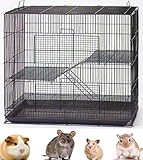
- Easy Portable Design: Cage dimensions measure 24 inches length by 16 inches width by 24 inches height, featuring all-metal construction with 3 levels, wire shelves, and ladders with tight 3/8-inch cross bar spacing
- Narrow 3/8-Inch Wire Spacing: Prevents escape and stuck incidents for baby to adult size small animals including chinchillas, ferrets, rats, dwarf hamsters, guinea pigs, rabbits, mice, gerbils, sugar gliders and other small critters
- Two Front Access Doors: Features doors measuring 6.5 inches by 11.5 inches with locking door clips for extra security, includes 1/2-inch wire spacing, metal grated floor, platforms and ladders with chew-proof construction
- Easy To Clean Design: Includes removable raised 3/8-inch bar spacing bottom grate and pull-out washable tray with animal safe epoxy coated finish for convenient maintenance
- Easy Foldable and Setup: Collapsible design folds for storage with two top side carrier handles for travel convenience, requires no tools for assembly and setup
Human interaction still matters
Spend calm, predictable time with each rat. Let a new animal approach your hand, reward voluntary contact, and lift only when it is relaxed. Never chase a frightened rat around the enclosure. Short, positive sessions build trust more reliably than forced handling.
Build a cage around natural behavior
The RSPCA describes rats as active animals that need a large cage in which they can run, stretch upright on their hind legs, climb, hide, and explore. No single universal cage dimension is established by that guidance, so judge an enclosure by the usable space and the behaviors it permits rather than by a marketing label.
| Setup element | What to look for | Why it matters |
|---|---|---|
| Secure enclosure | Strong construction, reliable doors, good ventilation, and enough vertical and floor space for the whole group | Prevents escapes and allows running, stretching, climbing, and exploration |
| Hides and shelters | Several safe places sized for the group, including options at different heights | Provides security and lets rats withdraw from activity |
| Hammocks and platforms | Stable, washable accessories attached so they cannot fall or trap a rat | Adds usable levels and resting choices |
| Tunnels and routes | Openings large enough for each rat and paths that do not create dead ends or pinch points | Supports movement, investigation, and retreat |
| Bedding and nesting material | Material that does not separate into thin, string-like strands; avoid highly absorbent materials and fluffy bedding identified as welfare risks | Reduces risks associated with unsuitable fibers or substrates |
| Cleaning access | Doors and surfaces that let you remove soiled material and wash the enclosure thoroughly | Makes consistent hygiene practical |
The RSPCA does not identify one universally best bedding material. Select an option appropriate to your rats and habitat, monitor how they use it, and ask your veterinarian about any respiratory or skin concerns. Remove damp or soiled areas promptly and keep a regular full-cleaning routine; retain a small amount of clean, familiar nesting material when appropriate so cleaning does not remove every familiar scent at once.
PC Slower Than It Used to Be?
A free scan shows the junk files, broken settings and background clutter dragging Windows down - then fixes them in one click.Free scan · Windows 10 & 11Outdated Drivers Are Slowing You Down
One free scan finds every outdated or missing driver and matches the right update for your exact hardware.Free scan · exact hardware matchPrepare a safe exercise area
Rats need time outside the cage to explore. Use a rat-proofed room or playpen, stay with them, and block hazards before opening the door. Remove electrical cables, toxic plants, open water, gaps behind appliances, and other animals. Keep doors and windows closed, and return rats to the enclosure before leaving them unattended. Supervision prevents falls, chewing injuries, and escapes.
Rank #3

- Two Story Double Unit Design: Features 4-tiers durable frame cage with full middle floor and 1/2-inch wire spacing, allowing pets to access between floors with ladder and durable wrought iron construction that is easy to assemble
- Tight Horizontal Wire Spacing: Narrow 1/2-inch wire spacing recommended for a wide variety of small animal critters to prevent escape and getting stuck, while allowing pets to fulfill their instinct to climb and explore in a secure environment
- Durable Front Access Doors: Features double large hinged front doors measuring 15 inches by 18 inches with improved safety lock, top hook door for easy access from the top measuring 8 inches by 9 inches, and includes 2 easy adjustable washable solid platforms and 2 anti-slip solid ramps safe for small animals
- Large Spacious Dimensions: Measures 24-inches long, 17.5-inches wide, and 53.5-inches high when placed on the rolling stand, providing ample space for small animals to move and play
- Complete Accessories Package: Includes 1 hammock, 1 water bottle, and 1 food bowl to provide everything needed for your small pet's comfort and care
A practical setup checklist
- Place the enclosure safely. Choose a stable location away from direct sun, drafts, fumes, loud vibration, and other pets that could frighten the rats.
- Install multiple retreats. Arrange hides, hammocks, tunnels, and platforms so every rat can rest without being cornered.
- Add safe nesting material. Avoid fluffy fibers that can divide into thin strands and the highly absorbent materials flagged by the RSPCA.
- Set up food and water points. Use equipment that cannot be tipped easily, and add more than one feeding object for a group.
- Test every latch and gap. Check doors, floor edges, mesh, and accessory attachments before the rats arrive.
- Create an exercise zone. Remove hazards and decide how you will supervise out-of-cage time.
- Record a care routine. Write down feeding, water checks, cleaning, weight observations, and the veterinarian’s contact details.
Feed a balanced diet and encourage foraging
Make complete pellets or nuggets the foundation
The RSPCA recommends commercial food pellets as an easy way to provide a fresh, healthy, balanced diet. Follow the product’s feeding guidance, remove uneaten food, and adjust portions so each rat maintains a healthy weight. A diet made mainly from mixed treats or table scraps can become unbalanced and allow one rat to select only favorite pieces.
RSPCA Australia gives a more specific estimate for good-quality rat pellets or cubes: approximately 14–16% protein and approximately 5% fat. These figures are guidance from that organization, not a universal prescription; products differ and breeding animals may need more protein. Ask a veterinarian to assess the food and portion for your rats’ age, health, and reproductive status. RSPCA Australia feeding guidance
Keep water available continuously
Provide fresh, clean drinking water at all times. Check bottles or other dispensers regularly for function, cleanliness, blockages, and leaks, and make sure every rat can reach the drinking point. A second water source can provide resilience if one bottle fails, provided it is secured and kept clean.
Use food to make the habitat interesting
Rats naturally investigate and search. Scatter or hide suitable portions around safe parts of the enclosure, use simple food-based puzzles, and rotate locations so the activity remains novel. In a group, offer several food objects at once to reduce competition. High-fat or high-sugar foods belong only as occasional treats or training rewards and must fit within the day’s total allowance.
Rank #4

- FITS A WIDE VARIETY OF SMALL ANIMALS - Rounded cage corners and tight 3/8 inch wire spacing offers more security and pet variety for this habitat, while the tub base allows for bedding
- FUNCTIONAL METAL ENCLOSURE - Our easy setup portable cage design has front and top doors with chew-proof wire latches, a plastic ramp, and an adjustable platform make cleaning and travel simple
- ROOMY & DURABLE CAGE - Made of coated metal and a deep 6 1/4 inch plastic base deep plastic base that acts as intigrated urine-guard with ample room for wheels, toys, food areas, and play hideouts
- TRANSPARENT & VISIBLE - Compact structure keeps your small pet safe and happy. Measures 32.5 in. L x 19 in. W x 17.5 in. H with tight 3/8 inch wire spacing that offers more security and pet variety
- ABOUT PREVUE PET - Since 1869, Chicago-based Prevue Pet Products has built a well-deserved reputation for safe, high-quality, well-designed products for domesticated pets and their human companions
Daily and weekly care
Every day
- Observe each rat before disturbing the group: appetite, drinking, movement, breathing, coat condition, and interaction.
- Confirm that water flows, food has not spoiled, and the enclosure is secure.
- Remove wet or heavily soiled material and check that hides, hammocks, and platforms remain safe.
- Provide supervised out-of-cage exploration and a short, positive handling session if the rats are comfortable.
On a regular cleaning schedule
- Wash removable surfaces and accessories with a method your veterinarian considers safe, then dry them completely.
- Replace soiled bedding and nesting material while preserving a sensible amount of familiar scent.
- Inspect mesh, fasteners, bottles, and toys for damage, sharp edges, frayed strands, or openings that could trap a rat.
- Review body condition and, when advised by your veterinarian, record individual weights so gradual change is noticed early.
Recognize illness early
Rats can deteriorate quickly, and a small change may be the first visible sign of disease. Contact a veterinarian promptly if a rat:
- stops eating or drinking;
- changes weight;
- has diarrhea;
- avoids social interaction or becomes unusually inactive;
- has an unkempt coat;
- sneezes, wheezes, or breathes abnormally;
- develops eye or nasal discharge;
- sleeps more than usual during its normally active periods;
- holds a hunched or stiff posture;
- walks abnormally, loses balance, or shows weakness; or
- guards a painful area.
Do not attempt to diagnose the cause from a symptom list or give medication without veterinary direction. Describe when the change began, whether food and water intake changed, stool appearance, breathing, activity, and any possible injury. Transport the rat in a secure carrier with familiar bedding and avoid temperature extremes.
Arrange regular veterinary check-ups even when rats appear well, and ask what preventive care is appropriate for your animals. The RSPCA’s health guidance provides the warning signs above and emphasizes professional assessment. RSPCA rat health guidance
Quick wins for a faster PC:
Scan for outdated or missing drivers - takes under a minuteDriver Scan →Clear out junk files and repair common Windows errorsFree Scan →Handling, children, and household safety
Use calm, supported handling
Approach from the side, speak quietly, and allow the rat to sniff your hand. Support the body with both hands when lifting; never pick a rat up by the tail. Keep sessions close to the floor or another secure surface so a startled animal cannot fall. Return the rat to its enclosure if it struggles, pants, freezes, or repeatedly tries to escape.
Best Value
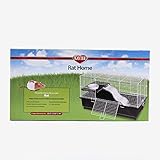
- Durable cage with chew-proof locks and wire for maximum safety and security
- Deep base prevents bedding and litter from spilling out of the cage
- Multiple levels promote healthy exercise and activity
- Solid plastic shelves and ramps are safe and comfortable for pets and easy to clean
- 1/2" wire spacing prevents escapes.Ideal for rats.Cage Dimensions: 25.5" x 12.5" x 14"
Teach children a specific routine
- Wash hands before and after contact, food preparation, and cage cleaning.
- Sit on the floor or at a low table with an adult present.
- Let the rat come to the hand; do not grab, squeeze, wake, or carry it around.
- Use two hands to support the body and keep the face away from the rat’s mouth.
- Stop immediately if the rat shows fear, and tell an adult about any bite or scratch.
Because the RSPCA relays CDC concern for young children, pregnant people, and people with weakened immune systems, discuss household risk with a healthcare professional when relevant. Keep food-preparation areas, children’s play areas, and rat-cleaning equipment separate, and wash hands thoroughly after handling animals or their supplies.
Understand the time and financial commitment
The RSPCA says pet rats commonly live around two years, although some live longer. A separate RSPCA youth-facing page describes a usual captive lifespan of two to three years. Treat both as approximate ranges, not a guarantee. RSPCA NextGen rat advice
Your budget needs to cover a suitable enclosure and replacement accessories, balanced food, bedding or nesting material, cleaning supplies, adoption or rehoming costs, and veterinary examinations and treatment. The largest purchase is often the enclosure, but recurring supplies and emergency veterinary care determine whether ownership remains sustainable. Keep a reserve for illness rather than assuming a small animal will have small medical bills.
What’s actually slowing this PC down?
Pick the symptom - the matching free tool is one click away.
Plan for the full group: if one rat dies, the remaining rat may again need companionship, and introductions or rehoming decisions require time and professional guidance. Before adoption, identify who will provide care during travel, illness, or a move and who can authorize veterinary treatment.
Questions to settle before adoption
- Can I keep at least two compatible rats? A single rat does not meet their social needs.
- Can I provide a genuinely large, secure enclosure? The cage must permit running, upright stretching, climbing, hiding, and exploration.
- Can I supervise exercise outside the cage? Rats should not roam in an unprotected room or without an attentive person present.
- Can I provide complete food and constant clean water? Treats cannot substitute for balanced pellets or nuggets.
- Can I recognize a problem and reach a veterinarian quickly? Changes in appetite, weight, breathing, stool, posture, activity, or balance warrant attention.
- Can my household manage hygiene and public-health precautions? Consider children, pregnancy, immune status, and local health advice.
- Can I commit for around two years or longer? Daily care continues through holidays, moves, and changing schedules.
When the answer to each question is yes, rats can be engaging, social companions. Their welfare depends less on novelty or low purchase cost than on consistent companionship, space, enrichment, hygiene, nutrition, and veterinary attention.
Quick Recap
Product prices and availability are accurate as of the date/time indicated and are subject to change. Any price and availability information displayed on Amazon at the time of purchase will apply.





Leave a Reply