Pet therapy for autism usually refers to structured activities or treatment involving an animal, but the label can describe very different services. In healthcare, animal-assisted therapy is a goal-directed intervention led by a credentialed therapist—not simply a pet visit and not the same as an autism service dog. Studies suggest possible benefits in some areas, but results are mixed and do not establish a treatment that works for everyone.
What is animal-assisted therapy?
The U.S. Centers for Disease Control and Prevention (CDC) defines animal-assisted therapy in healthcare settings this way: “Animal-Assisted Therapy (AAT) is a goal-directed intervention that incorporates an animal into the treatment process provided by a credentialed therapist.” CDC guidance for animals in healthcare facilities
As an Amazon Associate I earn from qualifying purchases.
The key features are a defined goal, a qualified clinician, and a plan for incorporating the animal into treatment. A visit from an animal or an animal-related activity may instead be intended for enjoyment, social contact, or general engagement; it is not automatically therapy. International terminology varies, too. IAHAIO distinguishes activity-based services, which volunteers may provide, from professionally led services delivered by people with an existing professional background and additional relevant training. Ask a provider what service it actually offers, who leads it, and what the animal is expected to contribute. IAHAIO guidance on animal-assisted interventions
Recommended Free Tools
Does pet therapy help autism?
Research points to possible benefits for some measured outcomes, but it is not strong enough to promise that animal-assisted therapy will help a particular autistic person. A 2024 systematic review and meta-analysis included 45 studies with 1,212 participants. It reported statistically significant improvements in some outcomes, including social communication, irritability, hyperactivity, and word usage; several other measured areas did not significantly improve. The authors also noted high risk of bias and a lack of long-term follow-up, which limits confidence in what the results mean over time. 2024 systematic review and meta-analysis
#1 Best Overall

- Dog multivitamins chewable for skin & coat : Dog multivitamin is rich in Omega-3 fatty acids and vitamin E,which can relieve skin allergies,dryness,itching and other problems.Multivitamin for dogs nourishes skin follicles.Long-term consumption of dog vitamins multivitamin can make dog hair stronger and smoother,and reduce coat loss.The COQ10 in dog multivitamin chewable can resist oxidation and delay cell aging.Dogs with skin injuries can eat dog vitamins and supplements to promote wound healing
- Dog multivitamin relieves joint inflammation: Dog vitamins for hip and joint can supplement high-quality MSM, glucosamine, and chondroitin sulfate to promote cartilage development and repair. Long-term consumption of dog multivitamins chewable can enhance the elasticity and toughness of joint cartilage, improve joint flexibility, and move more freely. Dog multivitamin chews can reduce joint friction and relieve joint pain. Dog vitamins and supplements can prevent and improve dog joint problems
- Dog multivitamin chews are good for the gut: Vet-endorsed formula dog vitamins and supplements made from natural ingredients.Dog vitamins multivitamin chewables contain a rich blend of probiotics to support intestinal and digestive health.Dog vitamins for small dogs can regulate the balance of intestinal flora,help calcium absorption,and promote bone development.Dog multivitamins chewables improve energy metabolism,converting food into energy, making dogs more energetic in their daily activities
- Dog multivitamin chews protect overall health:Senior dog vitamins and supplements help improve blood circulation and prevent cardiovascular disease.Dog multivitamins chewable support normal liver function,promote liver detoxification,and improve negative mood.For dog with heart problems and older dog,taking dog vitamins and supplements in moderation is an auxiliary health care measure.Dog vitamins multivitamin helps enhance white blood cell activity,improve immunity,prevent infection and disease
- Dog multivitamins chewable promote brain development: The DHA in krill oil in multivitamin for dogs is an important component of the brain and retina. Dog vitamins and supplements can improve dog cognitive ability. When training puppies to learn basic commands, puppies who are properly supplemented with dog vitamins multivitamin will behave more intelligently and improve memory.Dog supplements & vitamins can prevent and relieve eye problems such as dry eyes and tear stains, and keep eyes healthy
Reviews of children and adolescents describe positive trends, alongside major differences in program design and outcome measurement. One systematic review of seven controlled trials highlighted methodological concerns and heterogeneous protocols, so those trends should be treated as promising but uncertain—not proof of established efficacy. Systematic review of controlled trials in children and adolescents
A small pilot study illustrates the distinction between a promising signal and a demonstrated effect. In a randomized trial of canine-assisted occupational therapy, 22 children aged 4 to 6 years and 11 months took part. Researchers observed positive trends in on-task behavior and goal attainment, but the results were not statistically significant. The authors called for further research. Canine-assisted occupational therapy pilot trial
Rank #2
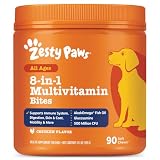
- 8-in-1 Formula - Zesty Paws Multifunctional Bites are functional supplement chews with premium ingredients that support physical performance, antioxidants, hip & joint, heart, immune, skin, liver, & gut health for dogs of all ages, breeds, and sizes.
- Skin Health & Antioxidants – For animals with sensitive skin, this formula contains Cod Liver Fish Oil and Vitamin E to help maintain normal moisture and CoQ10 to help reduce oxidative stress.
- Hip, Joint & Performance Support - Each dog chew features OptiMSM, a premium form of MSM for muscular support, which works synergistically with the Glucosamine HCl and Chondroitin Sulfate in these chews for hip and joint support plus Cod Liver Oil and B-Complex Vitamins support normal physical performance.
- Gut Health & Probiotics - These chews also contain a six-strain Gut Health Blend (500 million cfu per chew) and a Digestive Health Blend to promote gut flora while supporting normal bowel function for dogs.
- Heart, Liver & Immune Health - Multifunctional Bites feature powerful antioxidants, premium CoQ10, Cod Liver Oil and Vitamins A, C, & E to promote healthy cardiovascular function, support liver health and enhance immune response.
The broader literature also varies by animal, setting, session format, and outcome. A 2023 review described 85 cumulative studies by 2020, with horses and dogs the most commonly researched species, and noted concerns about methodological rigor and animal welfare. Some studies compared an intervention with a robotic dog, toy, or preferred leisure item; those were comparison conditions, not recommendations for therapy products. 2023 review of animal-assisted interventions
How does therapy with a dog work?
There is no single standard format. A clinician may incorporate a dog into an individualized treatment session, but the relevant question is what the clinician is working toward—not whether a dog is present. Before agreeing to a program, ask the provider to explain the service in concrete terms:
Rank #3

- COMPLETE 26-IN-1 DAILY WELLNESS FORMULA: Our advanced multivitamin for dogs is formulated to help support 26 vital nutritional areas as part of a daily routine. With essential vitamins A, C, D3, and E, these gummies help support the immune system and contribute to overall heart and brain health for dogs of all sizes.
- ADVANCED HIP AND JOINT MOBILITY SUPPORT: Formulated with Glucosamine HCl, Chondroitin, and MSM to help support cartilage health, joint flexibility, and everyday mobility — making them a great daily supplement for large breed dogs and active senior dogs.
- SKIN & COAT SUPPORT: Packed with Norwegian Salmon Oil and Biotin, our dog multivitamin helps nourish skin from within and supports a soft, glossy coat. Omega 3 fatty acids contribute to healthy skin and coat as part of a complete daily nutritional routine.
- PROBIOTICS & DIGESTIVE SUPPORT: Features a Six-Probiotic Blend (500 Million CFU) and Digestive Enzymes to help support gut health, smooth digestion, and nutrient absorption. Cranberry Powder is included as part of this comprehensive daily wellness formula.
- UNBEATABLE VALUE 250 COUNT JAR: Our 250-count jar provides lasting daily support in a delicious chicken flavor. Made in the USA in a GMP-certified facility, our soft chews are grain-free and suitable for puppies, adult, and senior dogs alike.
- Goal: What specific, individualized outcome is the animal-assisted service intended to support?
- Clinical oversight: Who sets the goal, leads the session, and reviews progress? What professional qualification and relevant animal-assisted-services training do they have?
- Session plan: What does a typical session involve, how long does it last, and how is the animal included?
- Measurement: How will the provider document progress, and when will the plan be reviewed or changed if the agreed goal is not being met?
- Fit: How will the provider account for the participant’s preferences, communication, sensory comfort, fears, and allergies?
Do not assume that a program is suitable just because it uses a particular species. A 2023 review found substantial variation in both intervention formats and measures, making the provider’s goal and evaluation plan more useful than a species label when comparing services. Review of program variation and evidence
Are autism service dogs the same as therapy dogs?
No. A therapy animal participates in a goal-directed clinical service or another animal-assisted activity; an assistance dog is a separate service, with different purposes and substantial responsibilities for the people who live with and care for the dog. Availability, legal status, and access rules depend on location, so families should check local requirements rather than infer them from the phrase “therapy dog.”
Rank #4

- Joint Health Supplement for Dogs: Cosequin is the #1 vet recommended retail joint health supplement brand, supporting joint health in dogs for over 25 years
- Contains Glucosamine for Dogs: Cosequin contains glucosamine hydrochloride (FCHG49) and sodium chondroitin sulfate (TRH122), plus methylsulfonylmethane (MSM). This unique combination of ingredients supports healthy joints
- For Any Breed or Size: Whether you have a young or senior dog, a small or large breed, Cosequin helps support their joint health
- Tasty Chews for Daily Use: Cosequin comes in a tasty chewable tablet, making daily administration easy and convenient
- Exceptional Quality: Cosequin is backed by science, undergoing thorough quality inspections to ensure your dog receives a safe, high-quality product. It is manufactured in the United States with globally sourced ingredients
A 2025 mixed-methods systematic review of assistance dogs included 14 quantitative studies and 13 qualitative studies. It found some quantitative evidence of association with benefit, but pooled effects were similar to those associated with companion dogs. The review concluded there was no compelling evidence for unique benefits and noted that families may be unprepared for the challenges of ownership. These findings concern assistance-dog ownership and should not be treated as evidence for or against a therapist-led animal-assisted session. 2025 systematic review of assistance dogs
What does vet-verified mean for an animal-assisted program?
Veterinary and animal-welfare safeguards help assess whether a program takes health, infection prevention, and the animal’s needs seriously. They do not prove that a service is effective for autism. For healthcare facilities, the CDC recommends that enrolled animals be healthy, clean, well-groomed, vaccinated against zoonotic diseases, and under regular veterinary care. It also recommends experienced training support and handlers who are trained to provide activities or therapy safely and know the animal’s health and behavior. These are recommendations for healthcare settings, not a universal legal standard for every country or type of program. CDC healthcare-facility recommendations
Best Value

- Itch & Allergy Relief with Omega-3 for Dogs - with 500mg of Omega (EPA+DHA) per serving, our chewable supplement helps with hot spots, dry itchy skin, ease itching, irritated skin, stops shedding.
- Skin & Coat + Hip & Joint Supplement Combined - Omega 3 is a vital element to keep your pet active, support healthy hip and joints, brain, heart, immune health. Can be served with regular pet food.
- Bark&Spark Commitment - we are keen to give best to our furry customers and we take NO compromise when it comes to product quality. Our omega 3 bites are made in the USA, with human grade ingredients.
- Up to 3 Month Supply - with 180 salmon oil treats per jar you keep your pet healthy while not spending a fortune on overpriced supplements. Best value.
- Is Your Dog a Picky Eater? We stick to simple formulas rich in natural flavors, that could tempt a fussy eater. No hassle with pills, powder, tablets or capsules.
Ask how the program protects both participants and the animal. Useful questions include:
- Who handles the animal, and what training and health screening are required?
- How often does the animal receive veterinary care, and what vaccination practices apply?
- How does the provider manage infection risks, allergies, fear, sensory discomfort, bites, or scratches?
- How are signs of animal stress recognized? Can the animal rest, drink water, and opt out or end a session?
- How does the provider limit workload and modify a session if the animal appears uncomfortable?
Animal welfare deserves more than a general assurance. A 2023 single-case study assessed one therapy dog during occupational therapy sessions with autistic children. It found no significant differences in measured biomarkers or observed stress indicators between treatment days and days at home. Because the study concerned one dog, it does not establish that every animal or program is stress-free. 2023 single-case therapy-dog welfare study
How to compare local programs
Once you know what kind of service is being offered, compare programs by how they are run rather than by animal species alone. Ask each provider the same questions so the differences are clear:
The Tool Desk
Outbyte Driver Updater FREEFix the driver behind crashes, sound loss and screen glitchesFind Drivers →Outbyte PC Repair FREEClear out junk files and repair common Windows errorsFree Scan →- What goal and target outcome will the service address?
- What clinical qualification and animal-assisted-services training does the professional have?
- Which animal will participate, and how is that individual animal assessed for suitability?
- What training does the handler have, and what veterinary, health-screening, and infection-control practices are in place?
- What are the session format and duration, and how is progress documented?
- How does the animal get rest and the option to stop, and what happens if a participant or animal is uncomfortable?
- What are the local cost and access arrangements, and are any insurance or legal requirements relevant?
Costs, insurance coverage, local provider availability, and legal access rules vary by place; ask the program and relevant local authorities for current details. A provider’s clear account of its goals, safeguards, and review process is more useful than a broad claim that animals are therapeutic.
Quick Recap
Product prices and availability are accurate as of the date/time indicated and are subject to change. Any price and availability information displayed on Amazon at the time of purchase will apply.




