
The mass shown below the pigeon’s eye cannot be identified from the video. A YouTube Short credited to @sami_loft shows a person removing a lump from the bird’s face; the clip does not provide a diagnosis, veterinary examination, or documented follow-up. The pigeon blinks frequently afterward, but blinking alone cannot prove relief, healing, or even that the lump was safely removed.
Because swelling beside an eye can have several causes, this is not a safe do-it-yourself procedure. A pigeon with a crusty or abnormal facial swelling should be assessed promptly by an avian veterinarian or a clinic experienced with birds.
As an Amazon Associate I earn from qualifying purchases.
What the viral pigeon video actually shows
The footage described in the May 26, 2026, A-Z Animals report by Sonny Haugen is brief and visual rather than diagnostic. It shows a pigeon with a visible mass just below one eye and a person extracting material from it. The source identifies the account associated with the Short as @sami_loft. It does not state what the mass contained, how long it had been present, whether the bird had other symptoms, or whether a veterinarian supervised the removal.
The bird blinks repeatedly after the manipulation. That is an observation, not a clinical outcome. A blink could reflect normal behavior, irritation, handling stress, or another response; the clip does not establish that the pigeon felt better. There is also no verified follow-up showing that the wound healed, that the swelling did not return, or that the bird remained healthy.
#1 Best Overall

- Includes one 0.5 oz tub of Miracle Care Kwik Stop Styptic Powder; the Original styptic powder with Benzocaine for Pain Relief
- Your Pet Grooming Essential: Our styptic powder stops bleeding fast for dogs, cats, and birds; Specifically designed to act rapidly during grooming procedures to ensure a safe and enjoyable experience for your pets
- How to Use: Apply powder to a moistened cotton applicator to apply to the cut, nail, or other superficial bleeding area, applying moderate pressure for 5-10 seconds; Avoid use on deep wounds or body cavities
- From Nose to Toes We've Got Your Pet Covered: Our goal is to improve the human-animal bond by offering a complete line of innovative, solutions-driven products and accessories for animals, both small and large
- Trusted by Professionals: Miracle Care health and grooming products have been trusted and recommended by veterinarians and professional groomers for more than 40 years; Proudly Made in the USA in our Dayton, OH facility
The playful “Dr. Pimple Popper” framing should not be read as an endorsement of facial extraction. A short video cannot show whether tissue was left behind, whether an eye or sinus structure was injured, or whether infectious material was spread.
What might the lump have been?
The report raises abscess, canker, and pigeon pox as possibilities. Those are possibilities only. Nothing in the clip confirms any of them, and a viewer cannot reliably distinguish them by color, size, or the fact that material came out.
| Possibility mentioned in coverage | What can be said from the clip | What remains unknown |
|---|---|---|
| Abscess | A localized collection of inflammatory material is one explanation raised by the article. | Its cause, depth, bacterial involvement, and whether complete treatment would require veterinary drainage, medication, or another approach are not established. |
| Canker | The term is listed as another possible cause of a pigeon’s facial mass. | The video supplies no examination or testing to determine whether this was canker or whether the eye, mouth, or respiratory tract was involved. |
| Pigeon pox | Pox is another possibility cited in the report. | VCA notes that other diseases can resemble pox lesions, so appearance alone is insufficient. A veterinarian would need to assess the bird and the lesion. |
VCA’s guidance on pox specifically cautions that conditions other than pox can look similar. That warning matters here: a familiar-looking crust or nodule is not a diagnosis. The clip also does not establish whether the swelling was infectious, traumatic, parasitic, neoplastic, or caused by another problem. VCA has separate information on tumors in birds, underscoring why a lump should not automatically be labeled an abscess or pox.
Do these 3 things before closing this tab:
1Scan for outdated or missing drivers - takes under a minute2Repair Windows errors before they cause bigger problems3Fix the driver behind crashes, sound loss and screen glitchesWhy swelling beside an eye deserves prompt care
VCA’s signs-of-illness guidance lists abnormal swelling, including swelling around the eye, as a reason to contact a veterinarian promptly. The location raises the stakes even when the bird appears alert. Manipulation near the eye can damage delicate tissue, contaminate the eye surface, or create an opening through which infection can spread. A lesion that looks superficial may extend deeper than the visible portion.
Facial swelling can also interfere with eating, breathing, vision, or normal blinking, depending on its position. The video does not provide enough information to judge any of those functions. Do not use the pigeon’s ability to remain still, blink, or fly briefly as proof that the problem is minor.
Is the video a safe how-to?
No. Do not copy the extraction by squeezing, cutting, picking, puncturing, or pulling a facial lesion from a pigeon. Do not probe the opening, apply household disinfectants, or put human creams or leftover antibiotics on it unless a veterinarian has prescribed a product and method for that bird.
Rank #2

- Fast Acting Blood Clotting – Quickly stops bleeding from minor cuts, scrapes, and nail trimming accidents in pets.
- Safe for Pets – Effective styptic powder for dogs, cats, and birds; a must-have in every pet owner’s first aid kit.
- Easy to Use – Simply apply a small pinch directly to the affected area for instant relief and protection.
- Convenient 1oz Jar – Compact and travel-friendly size, perfect for home grooming, vet visits, or emergencies.
- 100% Potassium Formula – Pure and powerful, designed to quickly accelerate clotting.
VCA’s abscess discussion for birds addresses bumblefoot, a condition of the feet. It warns that treating an abscess at home can cause harm. That page is not a diagnosis or treatment protocol for a periocular mass, but its safety warning reinforces the central point: the foot guidance cannot be transferred to a pigeon’s face, and a social-media extraction is not a substitute for examination.
Free tools Windows power users keep installed
One-click scans. No signup required.
Home removal can leave a capsule or infected material behind, cause bleeding, traumatize the eye, or make later diagnosis harder. It can also expose the handler to contaminated material. The safest action is to reduce handling and arrange professional assessment.
What to do if you are caring for the pigeon
- Stop manipulating the lesion. Keep fingers, tools, cotton swabs, and household products away from the swelling and eye.
- Contact an avian veterinarian or bird-savvy veterinary clinic promptly. Tell the clinic that the bird is a pigeon, describe the location and appearance of the swelling, and explain whether it is a pet, a recently acquired bird, or a found wild bird.
- Ask what the clinic wants you to do before arrival. The staff may give species-specific instructions for containment, timing, or whether the bird should be brought directly to an emergency service.
- Limit stress while waiting. Keep the bird in a quiet, secure environment and avoid repeated inspection. Do not delay care while trying to identify the lump from photographs or online comparisons.
- Follow the clinic’s transport instructions. Requirements can differ for a tame pigeon, an injured stray, and a wild bird.
If the pigeon is open-mouth breathing, collapsing, unable to stand, bleeding heavily, or unable to use the affected eye, tell the clinic immediately when you call. Those observations do not identify the mass, but they help the veterinary team judge urgency.
Choosing professional help
There is no supported at-home treatment option to compare with veterinary care. The practical choice is finding a provider able to examine a bird and reaching that provider safely. Use these decision points when calling:
| Decision point | Questions to ask | Why it matters |
|---|---|---|
| Bird experience | Does the veterinarian routinely see birds or pigeons? | Bird handling, examination, and restraint differ from mammal care, especially around the eye. |
| Availability | Can the clinic examine the pigeon promptly, and what should happen after hours? | Eye-area swelling should not wait unnecessarily for a routine appointment. |
| Transport | What carrier, temperature, and containment does the clinic recommend? | The safest setup depends on the bird’s condition and whether it is tame or wild. |
| History | What information should you bring, and should you send a photograph before arrival? | A timeline and clear description can help staff prepare without replacing an examination. |
No particular clinic or referral service is established here. Search locally for an avian veterinarian or ask a general practice whether a bird-experienced clinician is available. If the pigeon was found outdoors, explain that fact before handling it further so the clinic can advise on appropriate containment and legal or wildlife-care considerations.
How to transport a pigeon safely
VCA describes a bird-specific transport carrier or a small cage as options for a car trip to the veterinarian. Use a secure, suitable container and confirm the setup with the clinic. A carrier is for transport; it does not diagnose or treat the facial mass.
Rank #3

- SAFE COMPOUND: Spray with no antibiotics for chickens features a safe & natural formula for pets, combining Colloidal ‘Nano’ Silver (50 PPM) with Deionized water – free of artificial additives.
- CHICKEN SKIN TREATMENT: Chicken wound spray soothes pecking sores, bumblefoot, cuts, and other minor wounds, while being completely safe for your birds’ head, beak, feet, and wings.
- USE RIGHT: For optimal results, shake the bottle with chicken wound care spray before use to ensure the ingredients work effectively. Consult a specialist before using our wound spray.
- WAY OF APPLICATION: Spray the affected area 2-4 times daily and continue until you see how it works. This convenient poultry care spray is perfect to use at home, on walks, or during trips.
- FIRST AID: If your chicken & birds have damage or need extra care, silver spray for wounds is a versatile product for various situations, which is why our spray should be in a chicken first aid kit.
- Secure the carrier in the vehicle so it cannot slide, tip, or open.
- Remove swings, toys, and other objects that could strike the bird during sudden braking or a rough road.
- Avoid a water dish that can spill, wet the bird, and leave it chilled. Ask the clinic how to handle hydration for the trip instead.
- Keep the journey as calm and direct as possible, avoiding unnecessary stops and repeated handling.
- Do not tape, bandage, or cover the eye or lesion unless the clinic specifically instructs you to do so.
For a pigeon that is not accustomed to people, do not improvise a chase through the home or attempt a risky capture near traffic. Ask the receiving clinic for handling advice before transport, particularly when the bird is wild or severely distressed.
What a veterinarian may need to determine
The purpose of an examination is not simply to name what came out of the lump. The clinician may need to assess the eye itself, the skin and tissue around it, the bird’s mouth and breathing, and its general condition. The visible opening after removal may not represent the full extent of the original problem.
Bring a concise history: when the swelling was first noticed, whether it changed size, whether the pigeon was eating and drinking normally, and whether anyone has already squeezed or opened it. If you recorded the video or have earlier photographs, preserve them rather than continuing to manipulate the site. A veterinarian can decide whether additional diagnostic work is appropriate; the available video cannot.
PC Slower Than It Used to Be?
A free scan shows the junk files, broken settings and background clutter dragging Windows down - then fixes them in one click.Free scan · Windows 10 & 11Outdated Drivers Are Slowing You Down
One free scan finds every outdated or missing driver and matches the right update for your exact hardware.Free scan · exact hardware matchHow to interpret claims about recovery
It is reasonable to hope the pigeon recovered, but recovery is not documented in the available account. The frequent blinking afterward is not evidence that the mass was benign or that the bird was pain-free. A prediction that the bird would recover should not be treated as a confirmed outcome without follow-up from a qualified source.
This distinction is important when short clips circulate widely. Viewers see a before-and-after moment, while diagnosis, wound care, recurrence, and longer-term welfare remain outside the frame. Sharing the video as proof that facial lumps can be safely popped may encourage harmful attempts on other birds.
Questions the clip cannot answer
- Was the material pus, a crust, a parasite, a growth, or something else?
- Did the swelling originate in the skin, eyelid, sinus, mouth, or deeper tissue?
- Was the pigeon examined before or after the removal?
- Was any treatment prescribed, and did the lesion recur?
- Did the bird retain normal vision, breathing, feeding, and flight?
None of these questions is resolved by the Short. They are the reasons a bird with similar swelling should be evaluated rather than treated from a video.
Rank #4
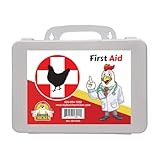
- Elevate flock safety with a complete first aid kit designed specifically for backyard poultry owners, combining 15 expert-recommended tools and medical solutions in one chic, waterproof hanging case that keeps supplies organized, dry, and ready for fast action.
- Stay prepared anywhere with a versatile survival kit built for coop care, travel, and rural living, offering durable, weather-proof storage and compact organization that makes emergency response effortless whether at home, in the yard, or during outdoor tasks.
- Protect your hens with reliable first aid essentials trusted by backyard chicken experts, featuring premium poultry health products and practical tools that help you quickly address minor injuries, pecking wounds, and common flock concerns with confidence.
- Simplify preparedness with organized medical supplies curated for poultry owners, eliminating guesswork by providing carefully selected treatments and tools in one ready-to-use kit that supports proactive care and peace of mind year-round.
- Upgrade your coop setup with smart chicken coop accessories that complement feeders, nesting boxes, and chicken feed storage, delivering a compact mini first aid kit solution that fits seamlessly into your home medical or emergency kit collection.
Bottom line for anyone seeing a similar pigeon
The clip documents a facial mass being removed, not a diagnosis or a proven treatment. Abscess, canker, and pigeon pox are only suggested possibilities, and VCA warns that pox-like lesions can have other causes. Treat swelling near a pigeon’s eye as a veterinary problem: stop picking or squeezing, contact an avian veterinarian promptly, and use a secure bird transport carrier or small cage according to the clinic’s instructions.
Recommended Free Tools
Frequently Asked Questions
Does blinking after the lump was removed mean the pigeon felt better?
No. Blinking is only the behavior shown in the clip. It cannot establish pain relief, healing, or a successful recovery.
Can I tell whether a pigeon has pox by looking at a facial crust?
No. VCA notes that other diseases can resemble pox lesions. A bird-experienced veterinarian should assess an unexplained facial swelling.
What should I bring a pigeon to the veterinarian in?
Ask the clinic first. VCA describes a bird transport carrier or small cage, secured in the vehicle, with toys and swings removed and no spillable water dish that could chill the bird.
Should I remove a similar lump if it looks ready to pop?
No. Do not squeeze, cut, pick, or puncture a facial lesion. Contact an avian veterinarian or bird-savvy clinic for instructions.
Quick wins for a faster PC:
Repair Windows errors before they cause bigger problemsFix Now →Scan for outdated or missing drivers - takes under a minuteDriver Scan →Quick Recap
Product prices and availability are accurate as of the date/time indicated and are subject to change. Any price and availability information displayed on Amazon at the time of purchase will apply.





Leave a Reply