
What’s actually slowing this PC down?
Pick the symptom - the matching free tool is one click away.
Some links on this page are affiliate links: if you buy through them we may earn a commission, at no extra cost to you.
Suspected pneumonia needs veterinary assessment. If your dog has marked breathing effort, open-mouth breathing unrelated to heat or exercise, blue or gray gums, collapse, severe weakness, or rapidly worsening symptoms, treat it as an emergency and seek veterinary care immediately. A cough by itself is nonspecific, but a cough with lethargy, fever, appetite loss, rapid breathing, or weakness is more concerning.
Pneumonia is inflammation of the lung tissue and lower airways. It can be caused by bacteria, viruses, fungi, parasites, aspiration, or inhaled irritants, so treatment is never one-size-fits-all.
As an Amazon Associate I earn from qualifying purchases.
Quick wins for a faster PC:
Fix the driver behind crashes, sound loss and screen glitchesFind Drivers →Repair Windows errors before they cause bigger problemsFix Now →Scan for outdated or missing drivers - takes under a minuteDriver Scan →What pneumonia means in dogs
Pneumonia is inflammation of the lung tissue and lower airways. Fluid, inflammatory cells, and debris can interfere with ventilation and oxygen exchange, so a dog can become seriously ill even when the first obvious sign is only a cough.
Pneumonia is not one disease with one treatment. It may result from bacteria, viruses, fungi, protozoa, parasites, inhaled irritants, or aspiration of food, vomit, saliva, liquid medication, or another foreign substance. The correct treatment depends on the cause and on how well the dog is breathing.
Popular on Amazon

- UPGRADED HEAVY DUTY ALLOY: Features a solid black metal D-ring, not plastic! This durable nylon dog collar handles pulls, providing a secure leash attachment for energetic small, medium, or large dogs
- SPOT YOUR PUP INSTANTLY: Highly reflective threads keep your furry friend visible during night walking. Easily locate them in a dark backyard with a flashlight, ensuring safety and your peace of mind
- NO MORE NECK CHAFING: Lined with soft, breathable neoprene padded material. It acts as a cushion to protect sensitive skin and prevent hair loss, making it a highly comfortable collar for all-day daily wear
- SECURE QUICK RELEASE CLASP: The sturdy snap buckle ensures a safe, locked fit that won't easily come undone during outdoor play. It allows for effortless taking on and off, saving you time and hassle
- VIBRANT COLORS ADJUSTABLE: Available in cute, pretty shades to match your pet's vibe. Fully adjustable for growing puppies. Please measure your dog's neck carefully before ordering to choose the perfect fit
A cough alone does not prove that a dog has pneumonia. Airway disease, heart disease, parasites, smoke inhalation, viral respiratory disease, and other lung disorders can look similar. A veterinarian may need an examination, chest radiographs, blood tests, and sometimes respiratory-fluid or pathogen testing to tell them apart.
When pneumonia in a dog is an emergency
Seek emergency veterinary care immediately if your dog has marked breathing effort, open-mouth breathing that is not explained by recent exercise or heat, blue or gray gums or tongue, collapse, severe weakness, rapidly worsening symptoms, or cannot rest comfortably.
Do not wait for a home remedy to work when a dog may not be getting enough oxygen. Severe pneumonia can cause hypoxemia, meaning abnormally low oxygen in the blood. A veterinary hospital may need to provide oxygen through an oxygen cage, nasal catheter, or another controlled method. The most severe cases may require mechanical ventilation.
Keep the dog calm and minimize handling during transport. Call the clinic ahead if possible so the team can prepare for a respiratory emergency. Do not force food, water, liquid medication, steam, or nebulized products into a dog that is struggling to breathe or cannot swallow normally.
Symptoms of pneumonia in dogs
Possible signs include:
- A deep, dry, or productive cough
- Lethargy, weakness, or unusual inactivity
- Reduced appetite or refusal to eat
- Fever
- Rapid breathing or visibly difficult breathing
- Exercise intolerance
- Nasal discharge
- Crackles, wheezes, or other abnormal lung sounds heard by a veterinarian
- Blue or gray mucous membranes in a dog with serious oxygen deficiency
Signs can vary considerably. Some dogs have a prominent cough; others mainly appear tired, feverish, or unwilling to eat. Cough combined with lethargy, fever, appetite loss, rapid breathing, labored breathing, or weakness is more concerning than an isolated occasional cough.
Owners should not rely on a single home respiratory-rate number to decide whether a dog has pneumonia. Breathing rate must be interpreted with breathing effort, posture, gum color, temperature, history, physical examination, and other findings. If your dog is breathing faster than usual at rest, especially with increased effort, contact a veterinarian promptly.
Do these 3 things before closing this tab:
1Repair Windows errors before they cause bigger problems2Fix the driver behind crashes, sound loss and screen glitches3Clear out junk files and repair common Windows errorsWhat causes pneumonia in dogs?
Infectious pneumonia
Infectious pneumonia may be caused by bacteria, viruses, fungi, protozoa, or parasites. Viruses can injure the airways and make secondary bacterial infection more likely. Respiratory viruses associated with pneumonia risk include canine distemper virus, canine adenovirus types 1 and 2, canine influenza, and canine parainfluenza.
Canine influenza can spread between dogs. Some infected dogs develop secondary bacterial infections that make the illness more severe and may lead to pneumonia. A dog with coughing, nasal discharge, fever, or other respiratory signs should be kept away from other dogs while you arrange veterinary advice. Tell the clinic about the respiratory signs before arriving, because it may have an isolation procedure.
Bacterial pneumonia may occur as a primary infection or after another illness damages the respiratory tract. A veterinarian may initially prescribe an antibiotic when bacterial infection is a reasonable concern, then adjust the plan if culture, susceptibility testing, imaging, or the dog’s response suggests a different approach.
Aspiration pneumonia
Aspiration pneumonia occurs when material enters the lower airways instead of passing safely through the esophagus into the stomach. The material may be vomit, food, water, saliva, liquid medication, or another foreign substance. It can irritate the lungs directly and carry bacteria into them.
Also popular on Amazon
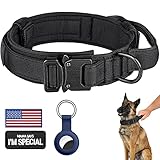
- 【Premium Material】Tactical dog collars is made of 1000D high-quality nylon fabric,very durable,wear-resisting. Soft and comfortable padded inner won’t hurt dog’s fur and can protect dog’s neck well.
- 【Double Security】Buckle training dog collar adopt integrated collar,magic sticker and quick release metal clasp dual design.Adjustable dog collar easy to put on and take off,the metal clasp can be released quickly in case of emergency.
- 【Control Handle】Military Training Nylon Dog Collar has special control handle,can efficiently control your dog when training, patrol,hiking, jogging, hunting, camping, working, running, jumping, traveling, camping.fits lots of medium and large dogs like German Shepherd, Border Collie, Rottweiler, Great Dane, Doberman, Golden Retriever, Husky, Labrador, Alaskan Malamute,etc.
- 【Airtags case and Patches】DAGANXI tactical dog collar comes with 1*Airtag protective case and 2*patches. Airtags Case Cover can protects your Airtags from scratches and damage, when Airtags used to track your dog, this enables your dog to find its way home. tactical dog collar comes with two patches, On the back of collar, you can also put a name tag, ID badge, or any Velcro accessory to make your dog unique.
- 【Warm prompt】Please follow the size chart to measure your dog's neck carefully before you place the order to ensure the collar is fit well to your dog.There should be left 2 fingers gap between the collar and the dogs neck.
Risk is higher after:
- Persistent vomiting or regurgitation
- Anesthesia or sedation
- Reduced consciousness
- Swallowing dysfunction
- Megaesophagus, a condition in which the esophagus becomes enlarged and moves food poorly
- Cleft palate or another structural abnormality
- Choking
- Forced feeding
- Rapid or incorrectly administered liquid medication
Do not force-feed a dog that cannot swallow normally. Do not rapidly squirt liquid medicine toward the back of the mouth. Ask your veterinarian or veterinary nurse to demonstrate a safer technique if swallowing is impaired. Aspiration cannot always be prevented, particularly when a dog has a neurologic, esophageal, or structural disorder, so the underlying risk also needs investigation and treatment.
Fungal, parasitic, and unusual causes
Fungal pneumonia can be prolonged and may affect organs beyond the lungs. Depending on the organism and the dog’s location and exposure history, illness may also involve the eyes, skin, bones, lymph nodes, or multiple body systems. Diagnosis requires appropriate laboratory investigation. Treatment is directed at the fungus and may continue for months; antibiotics alone will not cure fungal pneumonia.
Protozoal and parasitic diseases can also affect the lungs. Travel history, geographic location, lifestyle, wildlife exposure, and the dog’s immune status may influence which tests are appropriate.
Rare infections can occasionally have implications for people and veterinary staff. Pneumonic plague in a dog, for example, has been reported as an unusual zoonotic situation. This is not the routine explanation for canine pneumonia, but unusual exposure, sudden severe illness, or geographic risk should be disclosed to the veterinarian.
Recommended Free Tools
How veterinarians diagnose pneumonia
The veterinarian will usually begin with a history and physical examination, including listening to the lungs and assessing the dog’s breathing, temperature, hydration, gum color, and overall condition.
Useful information to provide includes:
- When the cough or breathing change started and whether it is worsening
- Whether the cough is dry, moist, productive, or triggered by activity
- Recent vomiting, regurgitation, choking, anesthesia, sedation, or force-feeding
- Any difficulty swallowing or known megaesophagus
- How liquid medications have been given
- Daycare, boarding, dog-park, grooming, shelter, or other dog-contact exposure
- Vaccination history
- Travel and environmental exposure, including smoke, dust, chemicals, or wildlife
- Chronic respiratory signs, previous pneumonia, or other medical conditions
Chest radiographs can show interstitial or alveolar lung changes, indicate which areas are affected, and help the veterinarian track progression. Bloodwork may support an assessment of inflammation, infection, hydration, or systemic illness.
In selected cases, the veterinarian may recommend respiratory-fluid cytology, bacterial culture and sensitivity testing, bronchoalveolar lavage, or testing for a particular virus, fungus, parasite, or other pathogen. When an unusual infectious respiratory disease is suspected, collecting samples during the acute phase and before treatment may improve the chance of detecting the cause, because treatment can interfere with some pathogen tests.
How pneumonia is treated in dogs
Treatment is based on the suspected cause, test results, severity of the lung disease, oxygen level, age, immune status, and underlying conditions. A dog with mild disease may be treated at home with close veterinary follow-up; a dog with oxygen deficiency, dehydration, shock, or severe respiratory effort may need hospitalization.
Free tools Windows power users keep installed
One-click scans. No signup required.
Oxygen support
Dogs with hypoxemia may receive oxygen in an oxygen cage, through a nasal catheter, or by another controlled veterinary method. Oxygen support helps stabilize the patient while the veterinary team investigates and treats the underlying problem. Severe respiratory failure may require mechanical ventilation.
Antibiotics and other antimicrobial treatment
When bacterial infection is suspected, a veterinarian may begin empirical antibiotics and later modify the medication according to culture and sensitivity results or the dog’s response. There is no universal antibiotic, dose, or treatment duration that is safe to choose at home. Leftover antibiotics may be inappropriate, may delay correct diagnosis, and can cause adverse effects.
Also popular on Amazon
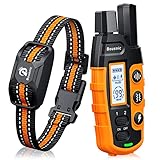
- Humane and Safe, Eliminate Bad Behavior Effectively: Bousnic Dog shock collar features 3 humane training modes with adjustable beep(1-8 levels), vibration(1-16 levels), safe shock(1-99 levels). It helps your unruly and hard-headed dogs learn to be a better part of your household.
- Extended 3300FT Range: Bousnic Dog Training Collar covers up to 3300Ft allowing your pet to roam farther. With dual-channel, It is perfect to train 2 dogs simultaneously outdoor at distances up to 3/4 mile.
- Fits for All Sizes of Dogs 5-120lbs: Bousnic training collar for dogs is ideal to control dogs as small as 5 pounds and as big as 120 pounds. Instant response security on/off switch button allows you to carry it without any fear of accidental touch.
- IP67 Waterproof Receiver: Bousnic electric dog collar can be used in any weather and any condition thanks to the IP67 waterproof design of the receiver (You’ll have to keep the remote control away from water).
- Incredible Battery Life: Bousnic e collar for dogs training has a decent battery life. The receiver’s battery can last for up to 15 days in working modes while the remote for over 1 month. the long battery runtime is a true lifesaver on those camping or tailgating weekends.
Viral pneumonia, fungal disease, parasitic disease, and aspiration do not all respond to the same treatment. Fungal pneumonia requires an appropriate antifungal plan, often for a prolonged period. The underlying cause of aspiration, such as vomiting, swallowing dysfunction, reflux, megaesophagus, or a foreign body, must also be addressed.
Supportive care
Supportive treatment may include carefully managed fluids, nutrition, temperature support, treatment for shock, and management of an underlying disease. Fluids must be used thoughtfully because excess fluid can worsen problems in some patients with impaired lung function or heart disease.
Give prescribed medication exactly as directed. Do not stop antibiotics or antifungals early unless the veterinarian changes the plan, even if the dog appears better.
Nebulization and coupage
For selected dogs, a veterinarian may recommend nebulization and coupage as supportive care. Nebulization creates a fine mist that may contain saline, water, or a prescribed medication. The veterinarian should specify the substance, schedule, number of breaths or treatment duration, and cleaning procedure.
A dog nebulizer can be useful when a veterinarian has specifically instructed an owner to provide nebulization at home. It is a treatment-enabling device, not a cure, and it does not replace oxygen therapy, radiographs, antibiotics, antifungals, or hospitalization. Never add essential oils, human medication, or an unprescribed drug to a nebulizer. A dog with respiratory distress, suspected aspiration, hypoxemia, or severe pneumonia may need hospital care instead of home nebulization.
Steam exposure may sometimes be recommended, but follow the veterinarian’s exact instructions and stop if the dog becomes distressed, overheated, or more short of breath.
Coupage involves gently striking the chest with a cupped hand to help loosen secretions so the dog can cough them up. Your veterinarian should demonstrate the technique and specify how often to use it. Do not perform coupage immediately after a meal; veterinary guidance commonly advises waiting at least one to two hours after eating.
Recovery, monitoring, and follow-up
Recovery depends on the cause, severity, age, immune status, and presence of diseases such as swallowing disorders or heart disease. A dog may seem brighter and eat better before the lungs have fully recovered.
During treatment and convalescence:
- Give every prescribed medication on schedule.
- Monitor appetite, energy, cough, breathing rate, and breathing effort.
- Keep activity restricted unless the veterinarian says exercise is safe.
- Keep the dog warm, comfortable, and away from respiratory irritants.
- Separate the dog from other dogs if contagious respiratory disease is possible.
- Return promptly for worsening cough, reduced appetite, vomiting, weakness, fever, or any breathing difficulty.
Veterinarians may recheck hospitalized dogs frequently and continue close follow-up after discharge. Repeat chest radiographs are commonly performed about every two weeks, or sooner when the clinical situation calls for it. If a dog is not improving after approximately 48 to 72 hours of treatment, the veterinary plan should be reassessed. Possibilities include an incorrect diagnosis, resistant bacteria, an unrecognized aspiration risk, fungal or viral disease, a foreign body, or another underlying lung or heart problem.
Independent reader supportYour contribution helps us test, update, and keep practical guides available for everyone.Can pneumonia in dogs be prevented?
Not every case can be prevented, but several measures reduce risk:
Also popular on Amazon

- 【SOFT MATERIALS】Nylon fabric with high density webbing to add durability; Our collar is as smooth and soft as grosgrain,no irritation to pet skin.
- 【SAFETY REFLECTIVE】Highly reflective threads keep high visibility at night for safety. It will ensurethat your dog will be seen at night and in low light situations.
- 【CONVENIENT & DURABLE】Quick release premium ABS made buckles, easy to put it on/off. The plastic buckle is curved for your dog’s comfort. The metal D ring is chrome coated to add durability.
- 【CLASSIC COLLAR】This nylon dog collar is a classic yet stylish collar that comes in 12 colors and 6 sizes so you can find just the right one for your dog. A separate loop on the collar makes it easy to add dog tags and leashs onto the collar.
- 【ADJUSTABLE LENGTH】Non-slip adjustable loop can easily adjust the size, Please take measurement of your dog's neck circumference before order placed. XXS - 3/8"x(8-12"); XS - 5/8"x(8-12"); S - 5/8"x(10-14"); M - 3/4"x(12-18") ; L - 1.0"x(14-22"); XL - 1.0"x(16-26"). Ideal personalized dog collars for small medium large boys & girls.
- Keep vaccinations current according to your veterinarian’s assessment of the dog’s age, health, travel, and exposure risk.
- Discuss canine-influenza vaccination if your dog regularly boards, attends daycare, competes, travels, or has frequent contact with other dogs.
- Separate dogs showing respiratory signs from healthy dogs and notify facilities before bringing a coughing dog for an appointment.
- Clean shared bowls, bedding, crates, and equipment appropriately.
- Do not force-feed a dog that cannot swallow normally.
- Give liquid medication slowly and only as instructed.
- Investigate recurrent vomiting, regurgitation, coughing after eating, or repeated aspiration.
Dogs with recurrent aspiration may need evaluation for megaesophagus, reflux, swallowing dysfunction, neurologic disease, or a structural abnormality. Prevention in these cases is individualized; no supplement or over-the-counter product replaces diagnosis and management of the underlying problem.
What owners should not do
- Do not assume every cough is pneumonia—or assume pneumonia is always bacterial.
- Do not give human cough medicine, leftover antibiotics, essential oils, or unprescribed nebulized medication.
- Do not force food, water, or liquid medicine into a dog with impaired swallowing.
- Do not delay emergency care for blue gums, collapse, open-mouth breathing, or marked breathing effort.
- Do not stop a prescribed antibiotic or antifungal early without veterinary instructions.
- Do not expose a dog with possible contagious respiratory disease to other dogs.
Bottom line
Pneumonia in dogs is a potentially serious inflammation of the lungs with infectious, aspiration-related, and noninfectious causes. A cough accompanied by lethargy, fever, appetite loss, rapid breathing, weakness, or breathing effort warrants prompt veterinary assessment. Blue or gray gums, collapse, open-mouth breathing, or severe respiratory distress is an emergency.
Diagnosis may require chest radiographs and laboratory testing, and treatment can range from veterinarian-directed medication and supportive care to oxygen therapy or mechanical ventilation. Home nebulization or coupage may help selected dogs only when a veterinarian prescribes and demonstrates it; neither is a substitute for professional evaluation.
Frequently Asked Questions
Does every cough mean a dog has pneumonia?
No. A cough can result from airway disease, heart disease, parasites, viral illness, smoke inhalation, or other lung problems. Pneumonia requires veterinary assessment and often diagnostic testing.
The Tool Desk
Outbyte Driver Updater FREEFix the driver behind crashes, sound loss and screen glitchesFind Drivers →Outbyte PC Repair FREERepair Windows errors before they cause bigger problemsFix Now →Can pneumonia kill a dog?
Yes, pneumonia can be serious or life-threatening, particularly when it causes low blood oxygen or respiratory distress. Blue or gray gums, collapse, open-mouth breathing unrelated to heat or exercise, and marked breathing effort require emergency care.
Can a dog recover from pneumonia at home?
Some dogs can recover at home with prescribed treatment and close follow-up, but dogs with oxygen deficiency, severe breathing effort, dehydration, shock, or extensive lung disease may need hospitalization and oxygen support.
Can I use a nebulizer for my dog?
Only when a veterinarian recommends it and provides instructions. Nebulization may loosen secretions or deliver prescribed medication, but it does not replace diagnosis, oxygen therapy, antibiotics, antifungals, radiographs, or hospitalization.
How can aspiration pneumonia be prevented?
Avoid force-feeding and do not rapidly squirt liquid into the mouth. Ask your veterinarian to demonstrate safe medication administration and investigate conditions such as swallowing dysfunction, reflux, megaesophagus, or neurologic disease.
Windows Errors? Fix Them Before They Spread
Repair common Windows errors and clear accumulated junk for a smoother, more stable PC - no reinstall needed.Free scan · no reinstallOutdated Drivers Are Slowing You Down
One free scan finds every outdated or missing driver and matches the right update for your exact hardware.Free scan · exact hardware matchThe Bottom Line
If your dog is struggling to breathe, has blue or gray gums, collapses, or is rapidly worsening, go to an emergency veterinarian now. Otherwise, arrange prompt veterinary assessment for a persistent or significant cough, especially when it occurs with fever, lethargy, appetite loss, rapid breathing, or weakness.





Leave a Reply