The Pug is an affectionate, playful, adaptable companion—but it is not a carefree or physically robust small dog. Pugs often fit apartment and house living, enjoy people and many other dogs, and usually prefer moderate activity and close human company. Their owners must also manage heat and humidity, weight, breathing limitations, eye vulnerability, skin folds, and the possibility of significant veterinary expenses.
This guide covers the Pug’s appearance, temperament, exercise needs, grooming, nutrition, health risks, and the questions to ask before buying or adopting one. The breed’s flat face is not merely cosmetic: the same shortened-airway anatomy that gives the Pug its distinctive look can affect breathing, cooling, exercise tolerance, and anesthesia management.
As an Amazon Associate I earn from qualifying purchases.
Pug at a glance
| Characteristic | What to know |
|---|---|
| Breed group | Toy Group companion |
| Origin | China; later favored in European royal and aristocratic households |
| Original purpose | Companionship, not hunting, herding, guarding, or endurance work |
| Build | Compact, square-proportioned, muscular, and substantial for a Toy breed |
| Desirable breed-standard weight | 14–18 pounds for either sex under the AKC standard; this is not a healthy target for every individual dog |
| Coat | Short, smooth, soft, glossy, and noticeably shedding |
| AKC-recognized colors | Fawn and black |
| Typical activity level | Regular, moderate activity rather than strenuous or endurance exercise |
| Best suited to | People seeking an indoor companion who enjoys training, play, and close contact |
| Major management concerns | Airway disease, heat-related illness, eye injury, weight gain, skin-fold problems, spinal disease, and anesthetic risk |
What is a Pug like?
Pugs are generally affectionate, funny, outgoing, playful, and strongly people-oriented. They often want to be wherever their owners are and may follow family members from room to room. Their adaptability makes them suitable for a range of homes, including apartments, provided the household can meet their social, exercise, and health-management needs.
Do these 3 things before closing this tab:
1Scan for outdated or missing drivers - takes under a minute2Clear out junk files and repair common Windows errors3Fix the driver behind crashes, sound loss and screen glitchesA Pug is usually happiest as an indoor companion rather than a dog kept outdoors. Many enjoy children and other dogs, but breed tendencies are not guarantees. A child should be taught not to grab the dog’s face, eyes, tail, or wrinkles, and interactions should be supervised. The same applies to introductions with other pets: calm, gradual socialization is more reliable than assuming every Pug will automatically get along with every animal.
#1 Best Overall
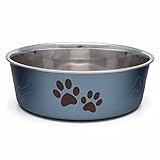
- STAINLESS STEEL & DURABLE - This Bella Bowl (27 oz, 6.75" x 2") features a stainless steel design with a poly-resin exterior great for dog food mat, which makes them dish washer safe and easy to keep clean and hygienic. Perfect cat food bowl or dog water bowl for home & travel.
- REMOVEABLE RUBBER BASE - This feature prevents and ensures no spill water bowl for dogs. It’s perfect for puppy food and makes an excellent addition to your dog feeding station. Watch the bowl stand steady on your pet food mat, making it a great complement to your dog mat and other dog stuff.
- PATENTED AWARD-WINNING DESIGN – Bella Bowls are renowned for being the bestselling bowls in the pet industry. The Bella Bowl Stainless Steel Bowls come in a variety of sizes, making this versatile dog food bowl perfect for all pets—from puppy bowls and small bowls to dog bowls large breed and everything in between! These bowls are also ideal for use as a cat water bowl, with smaller sizes being highly recommended for cat bowls for indoor cats.
- REAL STEEL STYLISH & COLORFUL DOG FEEDER – Available in a wide range of vibrant colors, this dog bowl seamlessly complements any pet supplies collection or dog accessories and makes a fantastic addition to your home’s décor. The Bella Bowls come in beautiful hues like blueberry and artichoke, making them a perfect fit for your dog bowl mat or cat food mat.
- VETERINARIAN RECOMMENDED – This stainless steel dog bowl and stainless steel cat bowls have all the benefits of stainless steel making them hygienic and clean. Bella bowls are truly a must-have for any cat feeding station and essential addition to your dog supplies.
Most Pugs are not a good match for people who want a jogging partner, an outdoor adventure dog in warm weather, or a pet that can be left alone for long stretches. Their companionship needs and physical limitations matter as much as their cheerful personality.
History and original role
The Pug is an ancient companion breed associated with China. Historical accounts place its roots several centuries before the modern kennel-club era, and the American Kennel Club describes the breed’s history as extending back to approximately 400 B.C.
Pugs were developed primarily to provide companionship. They were not bred to retrieve game, herd livestock, guard property, or cover long distances. Later, their small size, distinctive appearance, and sociable character helped make them popular in European royal and aristocratic households.
Outdated Drivers Are Slowing You Down
One free scan finds every outdated or missing driver and matches the right update for your exact hardware.Free scan · exact hardware matchWindows Errors? Fix Them Before They Spread
Repair common Windows errors and clear accumulated junk for a smoother, more stable PC - no reinstall needed.Free scan · no reinstallThat history helps explain the modern Pug’s preferred lifestyle: close to people, indoors, and engaged in short periods of play or training rather than demanding physical work.
Appearance and breed characteristics
The Pug is small but not delicate-looking. The breed standard emphasizes multum in parvo—substantial qualities in a small body. A correct Pug is compact, square-proportioned, muscular, and solid for a Toy breed.
Its best-known features include:
- a broad head with a short muzzle;
- large, expressive, prominent eyes;
- facial wrinkles and skin folds;
- a compact body;
- a short, smooth, soft, glossy coat; and
- a tightly curled tail.
These features are central to the breed’s identity, but they also have welfare implications. Prominent eyes are more exposed to scratches, ulcers, and other corneal problems. A shortened muzzle and altered upper-airway anatomy can make breathing and heat dissipation less efficient. In other words, the Pug’s appearance should be assessed together with function—not treated as an entirely separate issue.
The AKC standard lists fawn and black as recognized colors and gives a desirable weight of 14–18 pounds for either sex. That figure describes the breed standard, not a universal prescription. Age, frame, muscle, sex, health, and body condition all affect an individual dog’s appropriate weight. A veterinarian should help determine whether a particular Pug is lean, overweight, or underweight.
Quick wins for a faster PC:
Clear out junk files and repair common Windows errorsFree Scan →Fix the driver behind crashes, sound loss and screen glitchesFind Drivers →Repair Windows errors before they cause bigger problemsFix Now →Temperament, training, and socialization
Affectionate and companionable
Pugs commonly form close bonds with their owners. They tend to be responsive to attention, enjoy participating in household life, and can be entertaining without requiring constant strenuous activity. Their people-oriented temperament is a strength for someone wanting an interactive companion, but it can become a challenge if the dog is routinely isolated.
Some Pugs become distressed or unhappy when left alone for long periods. Before choosing the breed, consider your work schedule, commuting time, travel plans, and access to a dog walker, sitter, or family support. A Pug that receives plenty of affection in the evening may still struggle if it spends most days alone.
Positive training works best
Pugs are often food-motivated and willing to engage with their owners. Short, upbeat training sessions using rewards, praise, play, and repetition are generally a better fit than harsh corrections. Punishment can damage trust and does not address the practical challenges of managing a sensitive, food-oriented companion.
Begin puppy training and socialization early. Calm exposure to different people, surfaces, sounds, handling routines, veterinary procedures, and appropriately selected dogs can help build confidence. Training should include practical behaviors such as coming when called, settling on a mat, accepting gentle facial and paw handling, walking calmly, and cooperating with grooming.
Rank #2

- ATTENTION: Please check the size chart before oder, make sure the stand height will fit your dog well. We suggest to measure dog height from foot to the middle line of the body, and data needs to meet a certain height of the stand approximately, puppy's whole body height under 15inch won't fit after setting the stand up.
- FOR SENIOR DOGS: Effectively protects the spine and neck, avoiding appetite problems caused by prolonged uncomfortable posture. An adjustable dog bowl stand for dogs that tend to vomit when eating, have limited mobility, and suffer from arthritis.
- ADJUSTABLE HEIGHT RAISED DOG BOWLS: Our raised dog bowls for large sized dog can be adjusted to four different heights 3.15'' 9.09'' 10.63'' 12.20'' 13.78'', suit for all breeds and ages. Designed for large dogs, the maximum adjustable height is approximately 1.58 inch higher to fit large dogs needs.
- DUAL STAINLESS STEEL DOG BOWLS: Comes with two dog bowls for water or food, 7.87x 2.56 inch, meet the feeding needs of most dogs for a day. Easy to detach and clean, dish-washable. The oil in dog food can be cleaned more easily to avoid problems such as black chin.
- ANTI-SLIP QUIET DURABLE: The non-slip pads and the silent strip on the elevated dog bowl stand, prevents it from being accidentally knocked over by your dog, but also ensures that the bowl and stand stay stable even during vigorous eating. Avoid daily hassle of cleaning up the floor after your dog's meal!
Food rewards need to be counted as part of the daily calorie intake. A Pug that appears eager to train may simply be very eager to eat, so generous treats can quickly undermine body condition.
Exercise: moderate activity, not endurance work
Pugs need regular activity, but they are generally better suited to short walks, indoor play, training games, and carefully monitored enrichment than to long-distance running, strenuous hikes, or sustained exercise in difficult weather.
Let the dog’s breathing and behavior determine the pace. Reduce or stop activity if your Pug develops excessive respiratory effort, distress, weakness, wobbliness, or unusual heat. A dog that cannot comfortably recover from ordinary activity should be assessed by a veterinarian rather than simply being labeled lazy or unfit.
Walking equipment should be selected for comfort and individual fit. With veterinary guidance, a small-dog harness may be a practical option for walks, but no harness cures brachycephalic airway disease or makes strenuous exercise safe. Check for rubbing around the neck, chest, legs, and facial folds, and stop using any equipment that restricts movement or breathing.
Heat and humidity are serious Pug risks
Hot, humid conditions deserve special caution. Short-muzzled dogs have less effective evaporative cooling, and research from the Royal Veterinary College found that brachycephalic breeds had at least twice the overall risk of heat-related illness, with risk varying by breed and comparison group. The Pug’s difficulty with heat is not simply a matter of whether it enjoys summer weather; it is a physiological safety concern.
Use a heat-management routine:
- Walk during the coolest practical times of day.
- Choose shade, ventilation, and cool indoor spaces.
- Provide access to fresh water.
- Avoid strenuous play, hot pavement, and poorly ventilated areas.
- Never rely on a car, enclosed room, or outdoor shelter to remain safe merely because the temperature initially seems tolerable.
- Watch the dog continuously rather than assuming it will stop before overheating.
A dog cooling vest or other cooling accessory may be useful for some dogs when correctly fitted and supervised, but it is not a substitute for shade, water, ventilation, activity limits, or veterinary care. Products should never create a false sense of security.
Seek urgent veterinary help for suspected heat illness, especially if your Pug shows marked breathing difficulty, weakness, wobbliness, collapse, confusion, or an inability to recover. Do not wait for severe signs to pass on their own.
Grooming and routine care
The Pug’s short coat is relatively simple to maintain, but it sheds noticeably. Weekly brushing can remove loose hair and help you notice changes in the skin. Occasional bathing, regular nail trimming, dental care, and routine veterinary examinations are sensible parts of ownership.
Free tools Windows power users keep installed
One-click scans. No signup required.
Facial folds and other skin creases can retain moisture and debris. Inspect them regularly and keep them clean and dry according to your veterinarian’s instructions. Stop home care and seek veterinary advice if you notice persistent redness, odor, discharge, swelling, pain, or irritation. Harsh products, vigorous scrubbing, and unprescribed treatments can make a skin problem worse.
For basic maintenance, owners may compare Pug wrinkle-cleaning wipes, a soft brush for short-haired dogs, and dog nail clippers. These are grooming aids, not treatments for infection, allergies, ulcers, or other disease. Follow the product directions, keep anything used near the face away from the eyes, and ask a veterinary professional about recurring problems.
Protecting the eyes
The Pug’s prominent eyes are particularly important to monitor. Contact a veterinarian promptly for squinting, rubbing, cloudiness, sudden redness, discharge, apparent pain, or a change in the eye’s appearance. Corneal disease can progress quickly, and waiting to see whether an eye problem resolves may allow a minor injury to become more serious.
Rank #3

- Stainless Steel Pet Bowl: Made for daily food or water use with a simple, practical design
- Silicone Nonslip Bottom: Helps reduce sliding and noise on smooth feeding surfaces
- Wide, Stable Shape: Designed to sit steadily during everyday meals
- Easy to Clean: Smooth stainless steel surface rinses clean and is dishwasher safe
- Stackable Design: Bowls can be stacked for compact storage when not in use
Food, weight, and body condition
Pugs are commonly enthusiastic eaters and can gain excess weight easily. A compact, stocky body can also make overweight less obvious, so do not rely only on looking at the dog from above or comparing it with photographs of other Pugs.
Use measured portions, account for treats, and check body condition regularly. Your veterinarian can show you how to assess fat coverage, waist, abdominal tuck, and muscle. Maintaining a healthy body condition is especially important because excess weight can further burden breathing, exercise tolerance, and heat management.
A Pug slow feeder can be considered for a food-motivated dog that eats too quickly, but it is a management tool rather than a treatment for airway disease or a guarantee of weight control. A slow feeder should be comfortable, easy to clean, and appropriate for the individual dog. It still has to be used alongside measured calories and body-condition monitoring.
Do not change a diet, set a calorie target, or add supplements solely because a product is marketed for Pugs. Nutrition should be individualized with a veterinarian, particularly for a puppy, senior dog, overweight dog, or Pug with diagnosed disease.
Health issues Pug owners need to understand
Pugs can be loving, active household companions, but the breed has important health vulnerabilities. A responsible article about Pugs must discuss those risks directly rather than treating breathing noise, poor heat tolerance, or eye problems as inevitable quirks.
Brachycephalic obstructive airway syndrome
Brachycephalic obstructive airway syndrome, commonly abbreviated as BOAS, is the most important breed-specific welfare issue to understand. Brachycephalic refers to the shortened skull shape associated with the flat-faced appearance. BOAS can involve a combination of narrowed nostrils, an elongated soft palate, an underdeveloped trachea, and other upper-airway abnormalities.
In Royal Veterinary College VetCompass research, Pugs had substantially higher overall disorder risk than non-Pugs and were nearly 54 times more likely to have BOAS recorded in the studied population. This is a population-level research finding, not a diagnosis of every individual Pug. It does, however, show why breathing function should be a central part of breed selection and routine care.
Possible warning signs include:
- noisy breathing while awake or asleep;
- snoring or respiratory effort;
- exercise intolerance;
- poor tolerance of heat;
- regurgitation;
- difficulty recovering after ordinary activity; and
- weakness, collapse, or worsening breathing.
Do not automatically dismiss snoring or noisy breathing as normal for a Pug. A veterinarian can assess the dog’s airway, breathing pattern, exercise tolerance, weight, and overall clinical history. Some dogs may need ongoing management or specialist care; treatment decisions belong with the veterinary team.
Heat-related illness
BOAS and heat risk overlap. An airway that makes breathing less efficient can also make cooling less effective, especially during exertion or humid weather. Heat safety should therefore be part of daily ownership, not a seasonal afterthought.
Recommended Free Tools
Eye disease and injury
Prominent eyes can be exposed to environmental trauma and are associated with vulnerability to corneal injury, ulcers, dry eye, and other ocular problems. Squinting, rubbing, cloudiness, sudden redness, discharge, or apparent pain warrants timely veterinary assessment. A Pug that seems to have suddenly changed behavior may be reacting to eye pain even if the injury is not obvious to an owner.
Skin-fold and dermatologic problems
Facial folds may trap moisture and debris, allowing irritation or infection to develop. Regular inspection and veterinary-directed cleaning are appropriate, but persistent odor, redness, discharge, swelling, or discomfort needs professional evaluation rather than repeated cosmetic cleaning.
Rank #4

- STAINLESS STEEL & DURABLE - This Bella Bowl (27 oz, 6.75" x 2") features a stainless steel design with a poly-resin exterior great for dog food mat, which makes them dish washer safe and easy to keep clean and hygienic. Perfect cat food bowl or dog water bowl for home & travel.
- REMOVEABLE RUBBER BASE - This feature prevents and ensures no spill water bowl for dogs. It’s perfect for puppy food and makes an excellent addition to your dog feeding station. Watch the bowl stand steady on your pet food mat, making it a great complement to your dog mat and other dog stuff.
- PATENTED AWARD-WINNING DESIGN – Bella Bowls are renowned for being the bestselling bowls in the pet industry. The Bella Bowl Stainless Steel Bowls come in a variety of sizes, making this versatile dog food bowl perfect for all pets—from puppy bowls and small bowls to dog bowls large breed and everything in between! These bowls are also ideal for use as a cat water bowl, with smaller sizes being highly recommended for cat bowls for indoor cats.
- REAL STEEL STYLISH & COLORFUL DOG FEEDER – Available in a wide range of vibrant colors, this dog bowl seamlessly complements any pet supplies collection or dog accessories and makes a fantastic addition to your home’s décor. The Bella Bowls come in beautiful hues like blueberry and artichoke, making them a perfect fit for your dog bowl mat or cat food mat.
- VETERINARIAN RECOMMENDED – This stainless steel dog bowl and stainless steel cat bowls have all the benefits of stainless steel making them hygienic and clean. Bella bowls are truly a must-have for any cat feeding station and essential addition to your dog supplies.
Spinal and neurologic disease
Pugs can be affected by vertebral malformations, hemivertebrae, caudal articular process dysplasia, intervertebral disc disease, and other neurologic or spinal disorders. Signs can include pain, weakness, altered coordination, reluctance to move, or changes in bladder or bowel function; these require veterinary attention.
Imaging findings need clinical interpretation. The Royal Veterinary College notes that some vertebral abnormalities can appear in dogs that are clinically normal, so an imaging result should not automatically be treated as proof that a dog is disabled or destined to develop severe disease. The dog’s symptoms, neurological examination, and the veterinarian’s interpretation matter.
What’s actually slowing this PC down?
Pick the symptom - the matching free tool is one click away.
Weight and anesthesia
Excess weight can worsen respiratory and heat-management problems. Brachycephalic airway anatomy can also make anesthesia and recovery more complex. Before a procedure, tell the veterinary team that your dog is brachycephalic and ask how they plan to manage the airway, oxygenation, temperature, monitoring, and recovery period.
This is a request for informed risk management, not a reason to avoid medically necessary treatment. A Pug may safely undergo procedures when the veterinary team evaluates and manages its individual risks, but the breed’s anatomy should never be overlooked.
Choosing a Pug puppy responsibly
Appearance alone should not decide which Pug you buy. Ask how the breeder evaluates breathing, function, eyes, orthopedic health, and neurological history, and look for a selection philosophy that values comfortable breathing and useful function rather than an exaggeratedly short muzzle or heavily restricted airway.
Ask to see verifiable health records for both parents, including information about:
The Tool Desk
Outbyte Driver Updater FREEScan for outdated or missing drivers - takes under a minuteDriver Scan →Outbyte PC Repair FREERepair Windows errors before they cause bigger problemsFix Now →- respiratory function and any BOAS assessment;
- eye history and examinations;
- patellar and other orthopedic screening;
- neurologic or spinal disease in the parents and close relatives;
- previous surgeries or airway interventions; and
- the breeder’s process for monitoring puppies as they grow.
Independently verify records in the relevant health database and review them with your veterinarian. The Orthopedic Foundation for Animals explains that a CHIC number confirms completion and public availability of the required breed-specific tests. It does not mean that every test result was normal. Read the actual results rather than treating a CHIC number as a blanket health guarantee.
Be cautious if a seller will not discuss breathing, discourages veterinary questions, offers no verifiable records, or treats severe snoring and exercise intolerance as desirable breed traits. A responsible breeder should be willing to discuss difficult health topics and explain how health and function influence breeding decisions.
Independent reader supportYour contribution helps us test, update, and keep practical guides available for everyone.Adoption and rescue
Adoption through a reputable rescue can be an excellent route to Pug ownership. Ask for all available medical records, including prior airway, eye, skin, orthopedic, spinal, and anesthesia history. A rescue may not know the dog’s complete background, so an incomplete history is possible even when the organization is acting responsibly.
Before adopting, arrange a veterinary examination and budget for the possibility of follow-up testing. Ask the rescue how it handles known medical conditions, what information is included in the adoption agreement, and what support is available if a previously unknown problem appears.
Readers considering Pug rescue adoption should evaluate the organization’s transparency, foster or shelter observations, medical disclosures, and return policy rather than choosing solely on a photograph or a low adoption fee.
Best Value

- RENEWABLE & SUSTAINABLE - Dolce Bamboo dogs and cat bowls were crafted using renewable and sustainable resources making them perfect for your pet supplies. This dog dish & bowl set is the perfect choice for conscious pet owners that are looking for both stylish and environmentally responsible puppy essentials and dog accessories.
- DISHWASHER SAFE- Our pet food bowls are designed with your convenience in mind, this bamboo dog bowl is dishwasher safe, making cleanup a breeze! Dog supplies should not be complicated, whether you are using the bowl for dog water bowl or cat food bowl simply place bowls in top rack dish washer. Mealtimes can get sloppy, make clean up easy! Add this eco-responsible bowl to your girl dog accessories, dog travel accessories or dog accessories boy today!
- PREVENTS SPILLS & NOISE - The Dishes skid-free rubber base ensures stability on dog food mat or cat food mat. Prevent spills and reduce mess on your dog mat for food and water or cat feeding station. Expect a dog water bowl no spill, even during your dog’s enthusiastic mealtime, ensuring a clean and mess-free feeding experience. The thoughtful pet feeder design also helps keep your dog’s nose safe from unnecessary friction. Perfect for kitten and puppy essentials!
- AVAILABLE IN THREE SIZES - Small, Medium, and Large—perfectly designed to suit dogs of all breeds and sizes. From small bowls to large dog bowl, these bowls hold from 18 to 76 ounces (2.25 to 9.5 cups) of dog food or water. Whether you need a small dog food bowl for your puppy or a large dog food and water bowl set for your grown dog, we’ve got you covered. These bamboo bowls are ideal for both dog food bowls and cat food bowls. With a versatile design, they are great for puppy bowls, small dog bowls, dog bowls large breed and even a cat water bowl! Elevate your pet’s mealtime with our high-quality dog stuff, dog essentials and puppy supplies!
- AVAILABLE IN THREE COLORS - Dolce Bamboo cat bowl and dog bowls come in three decorative colors to complement any indoor or outside home decor, water mat and dog feeding station, dog water mat : Oat, Slate, and Coffee. Whether you prefer a neutral, modern look or a warmer tone, these bowls seamlessly fit into your space and dog feeding mat. The timeless colors are not only aesthetically pleasing and look great on any cat mat, pet food mat or silicone mat. Choose the color that best matches your style and enhance your mat for dog food and water bowls with a functional yet stylish bowl!
Budgeting for Pug ownership
The purchase or adoption fee is only one part of the financial picture. Routine care includes food, parasite prevention where appropriate, vaccinations, examinations, grooming supplies, dental care, and emergency savings. Breed-associated breathing, eye, skin, spinal, and anesthesia concerns can create additional veterinary costs.
Pug pet insurance considerations should be investigated before a dog develops symptoms. Compare exclusions, waiting periods, reimbursement rules, annual or lifetime limits, deductibles, and how the policy handles hereditary, congenital, or pre-existing conditions. Insurance availability and terms vary by country and provider, and no policy should be assumed to cover a condition merely because the breed is known to be at risk.
Is a Pug the right dog for you?
A Pug may be a good fit if you:
- want a loving indoor companion;
- enjoy moderate walks, indoor play, and short training sessions;
- can provide regular human companionship;
- are prepared to manage heat and humidity carefully;
- will maintain measured feeding and a healthy body condition;
- can monitor eyes, skin folds, breathing, and mobility; and
- are financially prepared for routine and potentially complex veterinary care.
A Pug may be a poor fit if you:
- want a running, cycling, or endurance partner;
- need a dog that can spend long periods outdoors;
- live in a hot environment without reliable cooling and supervision;
- expect a low-shedding or hypoallergenic breed;
- are uncomfortable with regular facial-fold and eye monitoring;
- cannot manage food portions and weight; or
- believe snoring, noisy breathing, or poor heat tolerance should simply be ignored.
A practical first-owner checklist
- Meet the individual dog in more than one setting. Observe breathing at rest, after gentle activity, and during recovery.
- Ask direct health questions. Request parent records, eye information, orthopedic screening, respiratory details, and spinal or neurological history.
- Plan a veterinary visit. Have the dog examined soon after acquisition and discuss preventive care, body condition, airway signs, and anesthesia planning.
- Prepare for heat before summer. Establish cool walking times, indoor ventilation, shade, water access, and an emergency plan.
- Measure food. Use a consistent portioning routine, count treats, and monitor body condition.
- Teach cooperative care. Practice calm handling of paws, nails, folds, face, eyes, ears, and mouth.
- Build companionship into the schedule. Decide how the dog will cope with workdays, travel, and unavoidable absences.
- Keep emergency funds or appropriate coverage. Read any insurance terms carefully and do not assume breed-related problems are covered.
Optional reading can help a first-time owner understand the breed’s routine needs, warning signs, and training challenges. A Pug dog breed book or carefully chosen owner handbook can supplement—not replace—advice from a veterinarian, trainer, or qualified behavior professional.
What’s actually slowing this PC down?
Pick the symptom - the matching free tool is one click away.
The breed-standard details in this guide reflect American Kennel Club materials. The population-level health findings referenced above come from Royal Veterinary College VetCompass research, with additional breed-health guidance from the Pug Dog Club of America and the Orthopedic Foundation for Animals. Health information is educational and cannot diagnose an individual dog.
Frequently Asked Questions
Are Pugs good apartment dogs?
They can be. Pugs usually adapt well to indoor living and do not require endurance exercise, but apartment ownership still requires regular moderate activity, companionship, ventilation, careful heat management, and access to veterinary care. A small home does not remove the breed’s breathing, eye, weight, or heat-related needs.
Is snoring normal for a Pug?
Snoring and noisy breathing should not automatically be dismissed as harmless breed behavior. They can be signs of brachycephalic obstructive airway syndrome, particularly when accompanied by exercise intolerance, regurgitation, poor heat tolerance, respiratory effort, or collapse. Ask a veterinarian to assess persistent or worsening signs.
How much exercise does a Pug need?
Pugs generally need regular, moderate activity such as short walks, indoor play, training games, and supervised enrichment. They are not well suited to strenuous endurance exercise, especially in hot or humid conditions. Stop when the dog shows respiratory distress, weakness, wobbliness, or abnormal heat.
Are Pugs hypoallergenic?
No. Pugs have a short coat but shed noticeably, so they should not be described as hypoallergenic.
Does the AKC weight of 14–18 pounds apply to every Pug?
No. Fourteen to 18 pounds is the desirable weight range in the AKC breed standard for either sex, not a universal medical target. A veterinarian should assess each dog’s frame, muscle, age, and body condition.
What should I ask a Pug breeder?
Ask for verifiable records for both parents, including respiratory function, eye history, patellar and orthopedic screening, neurological or spinal history, and any surgeries. Ask how the breeder selects for comfortable breathing and function. If a CHIC number is provided, review the underlying test results because the number confirms completed and publicly available testing, not universally normal results.
The Bottom Line
The Pug can be an exceptionally affectionate, entertaining, and adaptable companion for the right household. The essential qualification is that its flat-faced anatomy demands active management: protect it from heat, keep it lean, monitor breathing and eyes, maintain the skin folds, plan carefully for anesthesia and veterinary costs, and choose function and health information over appearance alone.
Quick Recap
Product prices and availability are accurate as of the date/time indicated and are subject to change. Any price and availability information displayed on Amazon at the time of purchase will apply.




