
What’s actually slowing this PC down?
Pick the symptom - the matching free tool is one click away.
Puppy diarrhea is common, but it should not automatically be dismissed as a simple upset stomach. Diet changes and stress are possible causes; parasites, parvovirus, toxins, foreign-body obstruction, and other illness are also on the list. Because puppies can deteriorate quickly, check the warning signs first and call your veterinarian for advice tailored to your puppy’s age, vaccination status, symptoms, and hydration.
Puppy diarrhea is a symptom, not a diagnosis. It may follow a sudden food change, stress, or something your puppy ate, but it can also signal parasites, canine parvovirus, poisoning, a swallowed object, or another serious illness. Puppies can become dehydrated and weak faster than adult dogs, so the safest response is to assess warning signs, call your veterinarian for advice, and avoid treating the problem with leftover or over-the-counter medication.
As an Amazon Associate I earn from qualifying purchases.
When puppy diarrhea needs prompt veterinary care
Contact a veterinarian promptly or seek emergency care if your puppy has:
The Tool Desk
Outbyte Driver Updater FREEFix the driver behind crashes, sound loss and screen glitchesFind Drivers →Outbyte PC Repair FREERepair Windows errors before they cause bigger problemsFix Now →Special offer. See more information about Outbyte and uninstall instructions. Please review EULA and Privacy policy.
- Blood in the stool or black, tarry stool
- Repeated or persistent vomiting
- Marked lethargy, weakness, collapse, or difficulty standing
- Refusal to eat or drink
- Signs of dehydration
- Abdominal pain, a swollen abdomen, or repeated unproductive retching
- Suspected toxin, medication, or foreign-object ingestion
- A fever or unusually low body temperature
- Severe, frequent, or worsening diarrhea
- Incomplete or unknown vaccination status, particularly when diarrhea occurs with vomiting or lethargy
VCA advises immediate veterinary attention when a puppy is lethargic, refusing food, vomiting, or passing blood in the stool. Do not wait for diarrhea to become bloody before taking parvovirus seriously: some infected dogs have nonbloody diarrhea, and illness can progress quickly.
#1 Best Overall

- Complete and balanced digestive care dog food with digestive support for adult dogs with sensitive stomachs
- Highly digestible adult dog food formula enriched with probiotics for dog digestive support
- Real chicken is the first ingredient in our high protein dog food, which includes natural glucosamine sources for joint health
- Real meat Purina ONE dry dog food recipe contains a SmartBlend of purposeful ingredients and no artificial flavors or preservatives and zero fillers
- Bagged dog food dry formula crafted in Purina-owned, U.S. facilities by Purina ONE, a veterinarian-recommended brand
There is no universal number of hours that is safe for every puppy to wait. Age, size, vaccination status, parasite-control history, hydration, and the presence of vomiting or other symptoms all matter. Call your veterinarian for advice tailored to your puppy’s situation.
What can cause diarrhea in a puppy?
1. A sudden diet change, overeating, or dietary indiscretion
A puppy’s digestive tract may react to a food transition that happens too quickly, a new treat, table scraps, rich or fatty food, overeating, or scavenged material. Even an otherwise healthy puppy can develop loose stool after eating something unfamiliar.
Think back over the preceding 24–48 hours:
- Was the regular puppy food changed, including the flavor or brand?
- Did someone offer new treats or table food?
- Could the puppy have reached trash, compost, bones, plants, or another animal’s food?
- Could it have chewed or swallowed a toy, sock, medication, or household item?
This history helps a veterinarian distinguish possible intolerance or dietary indiscretion from other problems, but it does not rule out infection, parasites, poisoning, or an obstruction. A puppy that ate something suspicious should not simply be assumed to have an upset stomach.
Recommended Free Tools
2. Stress and environmental change
Relocation, weaning, transport, boarding, shelter exposure, overcrowding, daycare, and other environmental changes can coincide with diarrhea. Stress may alter gastrointestinal function or worsen an illness that is already present.
Stress is a possible contributor, not a diagnosis. Puppies arriving from shelters, kennels, or group housing may have experienced stress and increased exposure to contaminated environments at the same time. If diarrhea is persistent, severe, or accompanied by poor appetite, vomiting, lethargy, or dehydration, a veterinary examination is important even when a stressful event seems to explain the timing.
3. Intestinal parasites
Parasites are especially important in puppies because they can acquire them early in life, become reinfected from contaminated environments, and deteriorate more quickly than many adult dogs. One deworming dose does not prove that a puppy is parasite-free.
Giardia
Giardia cysts can spread through fecally contaminated water, food, objects, or grooming. The organism attaches to intestinal cells and can interfere with digestion and absorption, causing diarrhea. Some dogs shed Giardia without obvious illness, while others develop noticeable gastrointestinal signs.
Quick wins for a faster PC:
Fix the driver behind crashes, sound loss and screen glitchesFind Drivers →Repair Windows errors before they cause bigger problemsFix Now →Scan for outdated or missing drivers - takes under a minuteDriver Scan →Rank #2

- Complete and balanced digestive care dog food with digestive support for adult dogs with sensitive stomachs
- Highly digestible adult dog food formula enriched with probiotics for dog digestive support
- Real chicken is the first ingredient in our high protein dog food, which includes natural glucosamine sources for joint health
- Real meat Purina ONE dry dog food recipe contains a SmartBlend of purposeful ingredients and no artificial flavors or preservatives and zero fillers
- Bagged dog food dry formula crafted in Purina-owned, U.S. facilities by Purina ONE, a veterinarian-recommended brand
Detection can be difficult. A veterinarian may use more than one type of fecal test or recommend repeat testing, particularly when symptoms continue despite an initially negative result. The Companion Animal Parasite Council recommends combined testing approaches for symptomatic dogs when Giardia is suspected.
Coccidia
Coccidiosis can cause diarrhea, weight loss, and dehydration. Severe cases may also involve vomiting, depression, loss of appetite, or hemorrhagic diarrhea. Stress and environmental contamination can worsen the clinical picture.
Treatment should be veterinarian-directed. A generic over-the-counter dewormer may not be the right treatment for coccidia, and using one can delay the testing and care a sick puppy needs.
Hookworms
Hookworms attach to the intestinal lining and consume blood. A heavy infection in a puppy can cause anemia, pale gums, weakness, poor growth, dehydration, and dark or tarry stool. Severe hookworm disease can be fatal.
Do these 3 things before closing this tab:
1Scan for outdated or missing drivers - takes under a minute2Repair Windows errors before they cause bigger problems3Fix the driver behind crashes, sound loss and screen glitchesPuppies need an age-appropriate parasite-control plan and often more frequent parasite screening than adult dogs. Ask your veterinarian which products, timing, and follow-up tests are appropriate rather than assuming that a single treatment covers every parasite.
4. Canine parvovirus
Parvovirus is a must-not-miss cause of diarrhea in young or incompletely vaccinated puppies. It is highly contagious and commonly causes some combination of appetite loss, lethargy, vomiting, dehydration, and diarrhea. The diarrhea may be bloody, but it is not always bloody.
Diagnosis usually combines the puppy’s history and physical examination with a fecal parvovirus antigen test or PCR when clinically indicated. Treatment is veterinary care, often involving fluid replacement, nutritional support, monitoring, and management of complications. Merck describes fluid therapy and nutritional support as central parts of parvovirus treatment; this is not a condition to manage with a home probiotic or a wait-and-see approach when the puppy is unwell.
Rank #3

- Number 1 vet-recommended probiotic brand to support digestive health (online survey among all US vets who indicated brand as one of 1-3 brands recommended Q4 2025).
- For Dogs of All Ages: Probiotic dog powder supplement for the dietary management of puppies and adult dogs with diarrhea.
- Proven Probiotics: Dog digestive support supplement containing a probiotic for dogs proven to promote intestinal health and balance.
- Easy-to-Feed: Easy-to-Feed powder supplement includes dog immune system supporting antioxidants.
- Trusted Brand: FortiFlora digestive probiotics for dogs are developed in collaboration with Purina nutritionists, researchers and veterinarians.
Vaccination lowers risk but does not protect every puppy immediately. AAHA guidance recommends starting the core parvovirus vaccine series at approximately 6–8 weeks of age, repeating doses at 2–4-week intervals, and continuing through at least 16 weeks. Maternal antibodies can interfere with early vaccination, which is why the veterinarian’s full series and timing matter.
If parvovirus is possible, call the veterinary clinic before arriving. The clinic can tell you how to enter safely and reduce exposure to other patients. Keep the puppy away from dog parks, communal potty areas, daycare, grooming facilities, and other places where infected feces or contaminated objects could expose other dogs.
5. Bacterial and other infectious disease
Bacterial infections and other intestinal pathogens can produce diarrhea, sometimes with vomiting, fever, appetite loss, or lethargy. A puppy’s history, examination, and testing help determine whether an infectious cause is likely and what treatment is appropriate.
Antibiotics are not automatically the answer to diarrhea. Veterinary antimicrobial guidance emphasizes prevention, accurate diagnosis, and professional oversight rather than indiscriminate antibiotic use. Giving a leftover prescription can cause side effects, obscure test results, or delay treatment for a problem that antibiotics cannot fix.
6. Toxins and inappropriate human foods
Some poisonings begin with vomiting or diarrhea and then become life-threatening. Xylitol is particularly dangerous to dogs. It may be found in sugar-free gum and candy, some nut butters, medicines, supplements, toothpaste, and mouthwash. Depending on the exposure, signs can include weakness, incoordination, collapse, seizures, dangerously low blood sugar, liver failure, and bleeding problems.
Suspected xylitol ingestion warrants immediate contact with a veterinarian, emergency clinic, or animal poison-control resource. Do not wait for symptoms and do not induce vomiting unless a veterinary professional specifically instructs you to do so.
Other hazardous exposures include:
- Chocolate and caffeine
- Grapes and raisins
- Onions and garlic
- Macadamia nuts
- Marijuana
- Human medications
- Large amounts of fatty food
Not every dangerous ingestion is a poisoning. Bones, corn cobs, toys, socks, and other swallowed objects can cause a gastrointestinal obstruction.
Rank #4

- Crunchy dog kibble combined with tender, shredded pieces for taste and texture dogs love. High protein dog food dry recipe, with real chicken as the first ingredient
- Real meat dog food fortified with live probiotics for dogs to help maintain gut microbiome resilience
- Vitamin A and omega-6 fatty acids to nourish skin and coat. Natural prebiotic fiber for dogs helps deliver digestive support
- Dry dog food with a high protein level to support strong muscles, including a healthy heart. Contains rice, an excellent source of carbohydrates for energy
- Ingredients are carefully selected to provide key nutrients pets need. Purina Pro Plan dog food offering 100 percent complete and balanced nutrition for adult dogs
7. A foreign-body obstruction or another medical illness
Puppies investigate the world with their mouths, so swallowing an object is a real possibility. Diarrhea together with repeated vomiting, abdominal pain, a swollen abdomen, inability to keep water down, pronounced lethargy, or a history of chewing and swallowing objects makes obstruction more concerning. Repeated unproductive retching is also an emergency warning sign.
Other, less common causes include food intolerance, pancreatic disease, congenital problems, kidney or liver disease, and disorders that interfere with nutrient absorption. If diarrhea keeps returning or the puppy is not growing normally, the veterinarian may need to investigate beyond a short-lived dietary problem.
What stool appearance can—and cannot—tell you
Stool appearance provides useful clues but cannot establish a diagnosis. Blood may indicate intestinal bleeding or severe inflammation and deserves prompt veterinary attention. Black, tarry stool can indicate digested blood, including blood loss associated with hookworms. Watery or frequent stool highlights the risk of fluid loss, but it does not identify whether the cause is diet, parasites, infection, toxin exposure, or another illness.
Parvovirus can cause bloody diarrhea, but the absence of blood does not rule it out. Likewise, a foul smell, a recent food change, or a puppy’s otherwise normal behavior cannot independently exclude parasites or an object lodged in the gastrointestinal tract. Describe the color, consistency, frequency, and any visible blood to the veterinarian, and take a photograph if the clinic requests one.
What the veterinarian may do
The diagnostic workup depends on the puppy’s age, severity of illness, exposure history, vaccination and parasite-control history, and physical findings. Common parts of an evaluation include:
- Physical examination: The veterinarian checks hydration, temperature, gum color, abdominal discomfort, body condition, and overall alertness.
- History: Be ready to discuss diet, treats, environmental changes, travel, shelter or kennel exposure, contact with other dogs, medications, vaccination, deworming, and possible access to toxins or objects.
- Fecal testing: Testing may include fecal flotation, direct examination, parasite antigen testing, PCR, or another method. Giardia and other parasites may require combined approaches or repeat samples because shedding and detection can vary.
- Parvovirus testing: A fecal antigen test or PCR may be used when the clinical picture makes parvovirus a concern.
- Bloodwork: Blood tests can help assess anemia, inflammation, infection, blood glucose, electrolytes, and organ function.
- Imaging: Abdominal radiographs or ultrasound may be needed when obstruction, intussusception, or another structural problem is suspected.
Bring a fresh stool sample if the clinic requests one. Place it in a clean, leakproof container and follow the clinic’s instructions for collection and transport. A single negative fecal test does not always exclude parasites, particularly when shedding is intermittent.
Outdated Drivers Are Slowing You Down
One free scan finds every outdated or missing driver and matches the right update for your exact hardware.Free scan · exact hardware matchPC Slower Than It Used to Be?
A free scan shows the junk files, broken settings and background clutter dragging Windows down - then fixes them in one click.Free scan · Windows 10 & 11What to do while arranging care
- Call your veterinarian or an emergency clinic. Provide the puppy’s age, weight, vaccination status, deworming history, when the diarrhea began, how often it is occurring, whether there is vomiting or blood, whether the puppy is eating and drinking, and any possible exposure.
- Keep the puppy away from other dogs. This is particularly important when parvovirus is possible. Avoid communal potty areas and call the clinic before arrival so it can explain its infection-control procedure.
- Save a stool sample if requested. A fresh sample may help the veterinarian choose appropriate fecal testing. A leakproof pet fecal-sample container can be a practical accessory for transporting it, but it is not a substitute for veterinary evaluation or laboratory testing.
- Do not give human medication or leftover prescriptions. This includes human antidiarrheals, pain relievers, antibiotics, and other drugs unless the veterinarian specifically directs you to use one.
- Do not induce vomiting after a possible toxin exposure unless instructed. Contact a professional immediately, especially if xylitol may be involved.
- Follow individualized feeding and fluid instructions. A very young puppy, a puppy that is vomiting or dehydrated, and a puppy with suspected parvovirus may need a different plan from a bright puppy with a mild episode. Do not rely on a generic bland-diet, fasting, or rehydration recipe without veterinary guidance.
Can a puppy probiotic help?
A veterinarian may sometimes recommend a puppy probiotic or dog digestive-support supplement as an optional adjunct for a suitable, otherwise stable puppy. It should never be presented as a universal diarrhea treatment. A probiotic does not diagnose or treat parvovirus, Giardia, coccidia, hookworms, poisoning, a foreign-body obstruction, severe dehydration, or other underlying disease.
Best Value
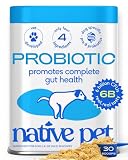
- Dog-Specific Strains, Real Results: Unlike one-size-fits-all formulas, Native Pet delivers 6 Billion CFUs from 4 strains selected specifically for canine digestive systems. Vet-formulated for targeted gut health support, this probiotic powder helps dogs with sensitive stomachs and supports stool quality and digestive recovery - most dogs show noticeable stool improvement within 7 days
- Simple Weight-Based Dosing: No measuring cups or complicated calculations - just use the included scoop. Give 1 scoop per 50 lbs of body weight daily, with smaller dogs using proportionally less (e.g., a 25-lb dog gets ½ scoop). Split the daily scoop across 2 meals for added flexibility with this dog probiotic supplement powder
- Clean Label You Can Trust: Native Pet commits to 5 or fewer inactive ingredients per formula. Developed by a board-certified veterinary nutritionist, this formula contains only what works, no unnecessary fillers. Shelf-stable powder, no refrigeration needed, just store in a cool, dry place. Suitable for dogs of all breeds, sizes, and life stages, from puppies through seniors. For specific allergen concerns, check the product label for the complete ingredient list
- Prebiotics and Fiber for Daily Gut Balance: 2 prebiotic fiber sources - inulin from Jerusalem artichoke and organic pumpkin powder - nourish beneficial gut bacteria and support complete digestive balance. Designed for daily long-term use as part of your dog's regular feeding routine, not just as a short-term fix. Best of all, it's shelf-stable; store it right in your pantry with no refrigeration required before or after opening
- Picky Pup Approved, All Ages Welcome: This fine probiotic powder mixes seamlessly into wet or dry dog food without changing taste or texture - even your pickiest pup won't notice it's there. Vet-formulated and Made in the USA with globally sourced ingredients, it's the daily digestive support pet parents seeking clean, science-backed canine nutrition can feel good about. Please Note: Packaging may vary due to design changes. Contents remain unchanged in quality and ingredients.
Ask the veterinarian whether a product is appropriate for your puppy’s age, symptoms, and diagnosis, and check that the label is intended for puppies. Product ingredients, claims, and availability vary. Do not use a supplement to postpone care when the puppy is lethargic, vomiting, refusing food or water, passing blood, dehydrated, or possibly exposed to a toxin or swallowed object.
Preventing future episodes
- Complete core vaccinations: Follow the veterinarian’s schedule for the puppy’s parvovirus and other core vaccines, including the full series through the age recommended by the veterinarian.
- Use a directed parasite plan: Keep deworming and parasite prevention age-appropriate, and ask whether follow-up or more frequent fecal screening is needed.
- Change food gradually: Avoid abrupt switches between puppy foods, and limit rich treats and table scraps.
- Puppy-proof aggressively: Secure trash, medications, sugar-free products, chocolate, chemicals, bones, plants of concern, and chewable objects.
- Manage exposure: Avoid contaminated water and high-risk communal areas while the puppy is incompletely vaccinated. Ask your veterinarian how to balance socialization with infection prevention.
- Clean promptly: Remove feces quickly and clean contaminated surfaces appropriately, especially in multi-dog homes or places where puppies share space.
- Keep a health record: Note food changes, treats, stool changes, appetite, vomiting, medications, vaccination, deworming, and possible exposures. Patterns can help the veterinarian identify the cause.
Frequently asked questions
Can a puppy have parvovirus without bloody diarrhea?
Yes. Parvovirus may cause bloody diarrhea, but some infected puppies have nonbloody diarrhea. Vomiting, lethargy, appetite loss, dehydration, and incomplete vaccination make the situation more urgent regardless of stool color.
Does one deworming treatment mean my puppy cannot have parasites?
No. Puppies can be infected with different parasites, reinfected from contaminated environments, or need a treatment and testing plan specific to the organism. Giardia may also require combined or repeat testing because detection can be difficult.
Free tools Windows power users keep installed
One-click scans. No signup required.
Should I give an over-the-counter dewormer or antidiarrheal?
Do not give either without veterinary direction. The correct treatment depends on the cause, and some products may be ineffective, unsafe, or distracting from a serious problem such as parvovirus, poisoning, or obstruction.
Frequently Asked Questions
Can a puppy have parvovirus without bloody diarrhea?
Yes. Parvovirus may cause bloody diarrhea, but some infected puppies have nonbloody diarrhea. Vomiting, lethargy, appetite loss, dehydration, and incomplete vaccination make the situation more urgent regardless of stool color.
Does one deworming treatment mean my puppy cannot have parasites?
No. Puppies can have different parasites, become reinfected, or need testing and treatment specific to the organism. Giardia may also require combined or repeat testing because detection can be difficult.
Should I give an over-the-counter dewormer or antidiarrheal?
Not without veterinary direction. The right treatment depends on the cause, and an unsuitable product may be ineffective or unsafe while delaying care for parvovirus, poisoning, or an obstruction.
The Bottom Line
Bottom line: Puppy diarrhea can be a minor dietary reaction, but it can also be the first sign of parasites, parvovirus, poisoning, obstruction, or another dangerous illness. Seek prompt veterinary guidance for a young or incompletely vaccinated puppy—especially if there is vomiting, lethargy, refusal to eat or drink, blood, dehydration, abdominal pain, or a possible toxin or foreign-object ingestion.
Quick Recap
Product prices and availability are accurate as of the date/time indicated and are subject to change. Any price and availability information displayed on Amazon at the time of purchase will apply.





Leave a Reply