
Recommended Free Tools
Some links on this page are affiliate links: if you buy through them we may earn a commission, at no extra cost to you.
Most puppies start life with no visible teeth, grow 28 sharp baby teeth during their first weeks, and then replace them with 42 permanent teeth between roughly 4 and 7 months of age. The process is usually uncomfortable rather than dangerous—but it can produce a lot of chewing, drooling, and tiny spots of blood on toys.
Knowing what is normal makes it easier to help your puppy and recognize problems such as retained baby teeth, a fractured tooth, or an illness that has nothing to do with teething.
As an Amazon Associate I earn from qualifying purchases.
Free tools Windows power users keep installed
One-click scans. No signup required.
Puppy teething timeline
| Puppy’s age | What usually happens | What you may notice |
|---|---|---|
| Birth–2 or 3 weeks | No erupted teeth | Nursing with the gums |
| 3–6 weeks | Baby teeth erupt; most of the 28 are present by about 6 weeks | Sharp “needle teeth,” mouthing, and early chewing |
| 8–12 weeks | Baby teeth are still present | Play-biting and chewing household objects |
| 12–16 weeks | Baby teeth begin to loosen and fall out; permanent teeth start emerging | More chewing, mild gum tenderness, and occasional blood on a toy |
| 4–6 months | Most permanent incisors, canines, premolars, and molars erupt | The most active teething period |
| 6–7 months | Most puppies have their complete adult dentition | Teething should be largely over, although chewing may continue |
These are averages, not rigid deadlines. Breed, individual development, and the position of a particular tooth can affect the timing.
Birth to about 2–3 weeks: no visible teeth
Newborn puppies normally have no erupted teeth. They nurse with their gums, and the first teeth are generally not visible until around the third week.
Popular on Amazon
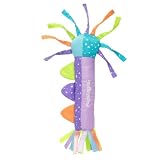
- Teething Stick for Puppies: Satisfies the need to chew during the teething phase
- Chew the Right Way: Helps redirect puppy energy away from furniture, shoes, and household treasures
- Icy Relief: Soak + freeze for a cool, soothing chew that helps comfort teething pups and refreshes them on hot days
- Colorful & Fun: Soft, stuffed polyester shell with playful fringe that entertains pups while they gnaw
- Play It Safe: No toy is indestructible. Do not leave toys with unsupervised pets. Discard and replace if damaged.
About 3–6 weeks: the baby teeth arrive
Deciduous, or baby, teeth usually begin erupting between 3 and 5 weeks of age. Incisors and canine teeth appear before the premolars. Puppies do not have deciduous molars.
By approximately 6 weeks, most puppies have all 28 baby teeth. They are notably sharp, which is why puppy mouthing can feel like being poked with needles. Chewing at this age is partly exploration and normal puppy behavior; it is not caused entirely by dental pain.
About 8–12 weeks: teach appropriate chewing
Puppies commonly go to their new homes at 8–12 weeks, when most or all of their baby teeth are still present. This is an important time to establish a clear rule: hands, feet, sleeves, furniture, and household items are not chew toys.
When your puppy bites skin or clothing, calmly end that interaction and redirect them to an appropriate toy. Avoid turning the redirection into an exciting tug-of-war if the puppy is already overexcited. Keep socks, children’s toys, small household objects, and anything else that could be swallowed out of reach.
About 12–16 weeks: baby teeth start falling out
At around 12 weeks, permanent teeth commonly begin erupting. They press against the roots of the baby teeth, causing those teeth to loosen and shed. You may find a tiny tooth on the floor—or you may find none at all. Puppies often swallow shed teeth while eating, which is usually harmless.
Also popular on Amazon

- Dog Dental Chew Toy With Massaging Textures - Ridges and nubs on this puppy teething toy soothe sore gums while helping clean teeth to support oral care and dental hygiene
- Teaches Healthy Chewing Habits- This Nylabone puppy chew is specially made in soft material for teething puppies with gentle chewing styles (not intended for powerful puppies or puppies with adult teeth)
- Freezer-Friendly Teething Chew - Chill this freezable teething puppy toy for extra-soothing teething relief
- Puppy Enrichment Toys Made in the USA - Our puppy chew toys for teething pain relief are proudly made in New Jersey
- Trusted Durable Chew Toys With Heart & Purpose - Our dog chew toys feature unique shapes, engaging textures, and gotta-have-it flavors. Created with purpose and love to give your dog what they need, when they need it!
A small amount of blood or a faint red stain on a toy can occur when a tooth comes out. Bleeding should not be heavy or continue for a long time. Persistent bleeding, obvious pain, or difficulty eating needs veterinary attention.
About 4–6 months: the busiest teething stage
This is generally when the most noticeable teething occurs. Average eruption times place permanent incisors and premolars at roughly 4–5 months, permanent canines at about 5–6 months, and molars from approximately 4–6 months.
A teething puppy may:
- Chew more frequently or intensely
- Drool more than usual
- Have mildly tender or red gums
- Rub their face or mouth
- Act irritable for short periods
- Show less enthusiasm for especially hard food
- Leave a small spot of blood on a toy
- Have temporary “puppy breath” or an unusual mouth odor
These signs should be mild. A puppy that cannot eat, refuses food, appears very painful, or develops facial swelling should not simply be assumed to be teething.
About 6–7 months: the adult teeth are established
By about 6 months, most puppies have lost their baby teeth and have many or all of their permanent teeth. Most dogs have the complete set of 42 adult teeth by approximately 7 months, although individual timing varies.
Continued chewing does not automatically mean your puppy is still teething. Dogs also chew because it is normal behavior, because they are bored, or because they have learned that chewing is rewarding. Continue providing suitable outlets and training even after the tooth replacement stage has finished.
Also popular on Amazon

- 6 Different Shapes of Dog Chew Toys: These puppy toys come in 6 different shapes to keep your furry friend happy and engaged. The unique designs feature molar bumps to clean various teeth, massage gums, and control tartar and plaque.
- Safe and Effective Puppy Teeth Cleaning: Made from 100% non-toxic natural rubber, these puppy chew toys are safe for your pet to chew on. Their uneven surface design thoroughly cleans your dog's teeth and massages gums for optimal dental care. Great for teething puppies!
- Interactive Toys for Small Breed Puppies: These fun toys are perfect for playing outside and make great dog training toys for small dogs. Playing together helps you bond with your furry friend and is beneficial for their physical and mental health.
- Ideal Gifts for Dogs: These puppy teething toys are perfect for puppies and small dogs. They can help reduce destructive chewing caused by boredom and anxiety while providing great entertainment. These toys make the perfect birthday or Christmas gifts for pet owners looking to give their furry friend something special.
- Satisfaction Choice & Kindly Reminder: Our dog chew toys will be great for your puppy. Meanwhile, we suggest only use under supervision if your dog is extremely aggressive chewer, and not for large breed
What normal puppy teething looks like
Normal teething is usually a localized mouth issue. Mild gum sensitivity, increased chewing, drooling, brief irritability, and a small amount of blood on a toy can all fit within the expected pattern. Swallowing a loose baby tooth is also generally not a concern.
Teething does not explain every symptom a puppy might develop. Diarrhea, repeated vomiting, fever, lethargy, substantial appetite loss, bloody stool, and marked pain can result from infection, parasites, dietary problems, foreign-body ingestion, or other serious conditions. Contact a veterinarian promptly if these signs appear, particularly if they occur together.
How to make teething easier
- Offer puppy-appropriate toys. Choose products with some flexibility—if a toy cannot be indented with a fingernail, it may be too hard for a puppy’s teeth.
- Supervise chewing. No toy is risk-free. Watch how your puppy uses it and remove it if pieces break off or it becomes small enough to swallow.
- Redirect, rather than punish. Replace hands, clothing, furniture, or other forbidden targets with a suitable toy. Reward the puppy for choosing the toy.
- Manage the environment. Use gates, a pen, or close supervision to prevent access to socks, children’s toys, cables, and other chewable or swallowable objects.
- Ask your veterinarian about dental products. A product carrying the Veterinary Oral Health Council (VOHC) Seal of Acceptance has met standards for a stated plaque- or tartar-control claim. The seal does not mean every product suits every puppy, so check the recommended age, size, and chewing instructions.
Chews to avoid
Do not give puppies extremely hard items such as bones, antlers, or very hard nylon products. These can fracture baby or permanent teeth. Bones may also splinter or contribute to gastrointestinal injury or obstruction.
“Natural” does not automatically mean safe, and a product marketed as indestructible is not necessarily appropriate for a developing mouth. Choose size- and age-appropriate items, supervise use, and follow the manufacturer’s directions.
Do these 3 things before closing this tab:
1Repair Windows errors before they cause bigger problems2Scan for outdated or missing drivers - takes under a minute3Clear out junk files and repair common Windows errorsRetained baby teeth: the complication to watch for
A retained deciduous tooth remains in place while the corresponding permanent tooth is erupting. The clearest sign is two teeth occupying what appears to be the same position. This is especially common with canine teeth, although other baby teeth can also be retained.
Also popular on Amazon

- Teaches Healthy Chewing Habits - This puppy teething toy set includes two puppy chew toys and an edible chew treat perfect for every developmental phase
- Designed in Materials for Every Stage - These puppy chew toys for teething start with the soft material for teething puppies, then graduate to the tougher material for puppies with adult teeth
- Highly Digestible Chew Treat - Long-lasting bacon-flavored dog chew treat contains no artificial colors, flavors, or preservatives
- Made in the Usa - These chew toys for puppies are proudly made in New Jersey
- Trusted Chew Toys with Heart & Purpose - Every one of these small dog chew toys features a unique shape, individual texture, and gotta-have-it flavor created with purpose and love to give your dog what they need, when they need it
Retained teeth can crowd the mouth, trap food, interfere with normal alignment, or press against the palate, gums, lips, or tongue. They are reported more often in small and short-nosed breeds, but any puppy can develop the problem.
If you can see a permanent tooth growing beside a baby tooth, arrange a veterinary examination instead of waiting to see whether the baby tooth eventually falls out. Extraction is commonly recommended unless the tooth is already very loose; your veterinarian will decide the timing and treatment, often based on the puppy’s mouth and the position of the teeth.
When to call the veterinarian
Contact your veterinarian if your puppy has:
- A baby tooth still beside its permanent replacement
- A broken, discolored, or painful tooth
- Persistent or substantial bleeding
- Facial swelling or a foul mouth odor
- Difficulty eating or refusal to eat
- Obvious mouth pain, crying, or marked lethargy
- Vomiting, diarrhea, fever, bloody stool, or suspected foreign-body ingestion
Age can help you estimate where your puppy is in the dental process, but it should not be used to dismiss significant illness as “just teething.”
A simple at-home check
- Choose a calm moment when your puppy is relaxed.
- Gently lift the lips without forcing the mouth open.
- Look for excessive swelling, unusual bleeding, broken teeth, or two teeth in one position.
- Compare both sides of the mouth, if your puppy allows it safely.
- Stop if your puppy resists or seems painful, and arrange a veterinary check if something looks abnormal.
Never pull out a loose tooth yourself. A tooth that appears ready to fall may still have tissue attached, and a retained tooth may need controlled removal to prevent damage to the developing adult dentition.
Sources
- Merck Veterinary Manual: Dental Development of Dogs
- Merck Veterinary Manual: Eruption of the Teeth
- VCA Animal Hospitals: Teeth, Teething and Chewing in Puppies
- VCA Animal Hospitals: Puppy Teething Toys
- Veterinary Oral Health Council: Accepted Products
FAQ
At what age do puppies start teething?
Baby teeth usually begin appearing at 3–5 weeks of age. Permanent teeth commonly start erupting around 12 weeks to 4 months, with the most active replacement period occurring between about 4 and 6 months.
Also popular on Amazon

- Dog Chew Toy: Designed for teething pups and small adult dogs, this toy grows with your furry friend through every life stage
- Durable Design: Hedgehog-shaped chew buddy for endless chomping and fetching fun
- Gentle Dental Care: Spiky nubs massage gums and help clean teeth while chewing; can help soothe achy gums when teething
- Splashy Fun: Floats and bounces for paw-some adventures at home, in the pool, or at the beach
- Perfect Fit: 5" x 3.5" x 1" — just right for solo play, tugging, or interactive bonding with your pint-sized pal
How long does puppy teething last?
Most puppies have their complete set of 42 permanent teeth by approximately 6–7 months. Chewing can continue afterward because it is also normal dog behavior and is not always a sign of ongoing teething.
Is it normal for a puppy to swallow a baby tooth?
Yes. Puppies frequently swallow shed baby teeth while eating, and this is usually harmless. You may never find the teeth they lose.
What’s actually slowing this PC down?
Pick the symptom - the matching free tool is one click away.
What should I do if my puppy has two teeth in one place?
Contact your veterinarian. Two teeth occupying the same position usually indicates a retained baby tooth beside the permanent tooth. These teeth can cause crowding and abnormal contact, and extraction is often recommended.
The Bottom Line
Expect baby teeth from about 3–6 weeks, tooth loss and permanent eruption from roughly 12 weeks onward, and a mostly complete adult set by 6–7 months. Give your puppy flexible, supervised chew toys and protect household items, but do not blame vomiting, diarrhea, lethargy, major bleeding, swelling, or severe pain on teething. A baby tooth beside a permanent tooth also deserves a veterinary examination.





Leave a Reply