Quick wins for a faster PC:
Scan for outdated or missing drivers - takes under a minuteDriver Scan →Repair Windows errors before they cause bigger problemsFix Now →Fix the driver behind crashes, sound loss and screen glitchesFind Drivers →Blue Slate turkeys are best suited to keepers who want a naturally mating heritage flock, not the quickest possible meat bird. Their care is straightforward when you plan for turkey-specific feed, careful brooding, dry ventilated housing, predator protection, and strict separation from chickens.
What makes Blue Slate turkeys different?
Blue Slate turkeys are a heritage variety raised for meat, exhibition, breeding, and conservation—not a fast-growing commercial strain. They can thrive in a well-managed small flock, but success depends on turkey-specific feed, dry and well-ventilated housing, predator control, and strict separation from chickens.
As an Amazon Associate I earn from qualifying purchases.
The Livestock Conservancy lists the Slate turkey as a heritage variety with Watch conservation status. Mature weights are listed at up to about 33 pounds for males and 18 pounds for females, although individual birds and heritage lines can vary considerably. Expect slower growth and less efficient feed conversion than commercial broad-breasted turkeys.
Blue Slate appearance, temperament, and genetics
The name refers to the bird’s solid blue-gray to ashy-blue plumage. Some birds have black flecking, and shade can vary between individuals. Blue Slates are naturally mating, which makes them practical for a breeding flock and better suited to small-scale or outdoor systems than commercial strains that often require artificial insemination.
#1 Best Overall

- [2 Pack 250W Heat Lamp Bulbs] Power: 250W, Style:spiral, Voltage: 110V-130V, Lifetime: >8000h, Socket: medium E26 standard base, Length: 4.85 inch / 12.3 cm, Diameter: 4.92 inches / 12.5 cm
- [Long Service Life] Adopt updated vacuum aluminizing process technology, the efficiency of the heat lamp bulb increase. This R40 Heat lamp has a lifespan of 6000 Average Rated Hours reducing the need for frequent bulb replacements
- [High Heat Efficacy] This heating bulb used higher reflective aluminium coated glass, can increase more 40% heat output than others, saving energy and more quick heating. The infrared heat emitter provides ambient heat effectively and create a healthy environment for reptiles
- [Widely Use] Not only suitable for Chicks, Pet, Reptiles, Amphibian, dogs, cats, but also for Bathroom, Food Service, Light Therapy, Skin Care, Beauty Salon, Sauna
- [Perfect After-sale Service] We provides 3 month warranty! Free replacement for any problem in 90 days. SAFETY TIPS:The red heat bulb will heat up when turned on. Do not place flammable items next to the bulb
Temperament is not guaranteed by color or variety. Socialization, handling, housing, and breeder selection all influence whether a bird is calm, wary, or difficult to manage. Choose stock from a breeder who selects for sound legs, fertility, natural mating ability, growth, and manageable behavior—not appearance alone.
Do Blue Slate turkeys breed true for color?
Not reliably. Slate coloration can result from more than one genetic mutation. The heritage-turkey manual explains that black-flecked Slate birds may produce Slate, black, and lavender offspring. A mating therefore may not produce a uniform group of show-standard blue poults.
If color matters, keep accurate records of each parent and offspring, and select over several generations. For conservation, prioritize healthy, structurally correct birds with good fertility and natural mating ability rather than eliminating otherwise valuable birds solely because their shade is imperfect.
Before bringing Blue Slate poults home
Have the brooder, heat source, thermometer, bedding, turkey starter, waterers, feeders, housing, fencing, and a veterinary plan ready before the poults arrive. A cold or disorganized first day can cause dehydration, piling, chilling, and early losses.
- Source: Buy from a reputable, disease-conscious breeder or hatchery. Penn State Extension recommends stock from a disease-free source and specifically points small-flock owners toward NPIP-participating hatcheries.
- Check regulations: Local zoning, nuisance, livestock, slaughter, processing, and sale rules may apply. Requirements differ by state and municipality.
- Plan separation: Do not assume turkeys can safely share a coop, run, tools, or footwear with chickens.
- Arrange veterinary access: Find a veterinarian or animal-health contact before an emergency, especially if you plan to keep breeding stock or sell birds.
- Confirm feed availability: Turkey starter and grower rations are not interchangeable with ordinary chicken or layer feed.
Brooding Blue Slate poults: the first six to eight weeks
Young turkeys are vulnerable to chilling, dehydration, piling, poor footing, and feed mistakes. Prepare and warm the brooder before arrival. It should be draft-free at poult level but still ventilated enough to prevent stale, humid air.
Temperature and brooder design
Extension recommendations vary slightly: Penn State gives approximately 95°F under the supplemental heat source, with the surrounding room near 88°F, while the University of New Hampshire describes approximately 100°F at the brooder floor and lowering the temperature by about 5°F each week. Measure at poult height rather than at your own eye level.
The birds’ behavior is the most useful adjustment guide:
Rank #2

- 1.This 250W red infrared heat lamp use standard E26 socket.It is suitable for most standard size lamp holders.The voltage is 120v, easy to install.
- 2.This red infrared heat lamp suitable for all kinds of reptile and amphibian, such as turtles,tortoise, lizards, frogs, chameleons, bearded dragons, snakes, geckos, toads, hermit crabs, chicks, kittens,Pet, Bathroom, Light Therapy,Food heating etc.
- 3. With an estimated life of up to 5000h, this heat lamp reduces the need for frequent bulb replacement and is your first choice for bulb replacement.
- 4. Adopt thickened explosion-proof hard glass as bulb shell with good impact-resistant performance.The surface of the lampshade is beaded so that the light can be diffusely reflected to make the light and heat more uniform.Waterproof & Explosion-proof.Lead-free welding, environmental friendly.
- 5.This infrared heat lamp provides the overall temperature in the terrarium without disturbing the daily life of your reptiles,which can heat the reptile terrarium efficiently and quickly and provide the basking area for your pet.Ensuring that your pet grows up in warm, healthy and natural comfort environment.
- Huddled directly under heat and calling loudly: they are probably cold.
- Spread far from the heater, panting, or avoiding the warm zone: they may be too hot.
- Evenly distributed, active, eating, and resting quietly: conditions are more likely to be appropriate.
Provide a cooler area so poults can move away from the heat. A poultry brooder heat lamp can supply supplemental warmth, but mount it securely, keep it well clear of bedding and water, use a safety-rated fixture, and inspect cords daily. Fire risk is real; never rely on a clamp alone or place a hot bulb where a growing bird can knock it down.
Brooder space, flooring, and bedding
Allow about 1 square foot per poult during the first five to eight weeks, then increase space as they grow. Crowding raises the risk of piling, wet litter, picking, and uneven access to feed and water.
Use clean, dry, absorbent pine or other suitable wood shavings. Avoid slick newspaper, which can contribute to leg injuries, and avoid fine sawdust, which poults may eat instead of their ration. Remove wet spots promptly and add fresh bedding before ammonia or dampness builds.
Use a brooder guard for the first couple of weeks. Round corners are safer than square corners because startled poults cannot pack tightly into a corner as easily. Keep lighting relatively dim and avoid sudden disturbances; very bright light and fright can encourage piling and picking.
Teaching poults to drink and eat
Every poult must find water and feed promptly. On arrival, gently dip each poult’s beak briefly into the water—without submerging its nostrils—so it learns where to drink. A shallow, stable poultry waterer and feeder should prevent climbing, drowning, and contamination. Arrange multiple stations if necessary so smaller or timid poults cannot be crowded away.
Clean and refill drinkers routinely. Wet feed, manure, algae, and bedding in water can quickly create a sanitation problem. Check crops and behavior during the first day to make sure the group is actually drinking and eating rather than merely gathering around the equipment.
What to feed Blue Slate turkeys
Feed a complete turkey ration, not layer feed and not ordinary chicken starter as a routine substitute. Turkey poults need a higher-protein diet than chickens during rapid early growth.
Rank #3

- Multifunctional Clamp Lamp: With non-marring spring clamp on grips, this clamp light can be used for common lighting in rooms, garages, art studios, or by photographic light; It is also ideal for amphibious and reptile pet terrarium heating lamps and even indoor plant growth lamps; The clamp is a bit hard to open but that just guarantees the lamp will stay in place
- Flexible Design: Each clamp lamp features a ball joint connection, which is able to be adjusted 360 degrees for easy positioning and setting of perfect lighting directions as needed and not just be wasted on the surrounding walls; With adjustable spring-powered steel clamp, It can clamp on a pretty wide range of shelves, poles, etc
- Practical: The lampshade is made of reflective aluminum material which leads to a good reflection effect and definitely improves efficiency of a light bulb; And the metal shroud can be detached from the base to meet your different lighting needs
- Versatile Size: The shield open end is just under 8.5 inches across; Under 4 inches from the socket end to the mouth of the shield, it is perfect for getting light to non illuminated places; A convenient on/off button and a 6 ft. long cord for you mounting the metal clamp lamp
- UL Certified: This lamp is UL listed—the safety and performance is ensured; You can use this item with confidence without worrying that it will go bad soon; This clip light is rated for up to a 150 watt medium base bulb(E26)(no bulb included)
| Stage | Practical feeding target | Management notes |
|---|---|---|
| First 3–4 weeks | Turkey starter, approximately 28% protein | Keep available continuously and protect it from moisture and manure. |
| Next 2 weeks | Turkey grower, approximately 26% protein | Transition according to the feed label and the birds’ growth. |
| Later grow-out | A complete turkey grower or finisher with gradually reduced protein | Do not reduce nutrition by replacing ration with scratch or scraps. |
| Finishing | Maintain an appropriately balanced ration; Penn State cautions against dropping below about 16% protein | Follow the product label, especially for medicated feed and withdrawal instructions. |
Feed and water should remain available to growing birds, with enough feeder and drinker space to prevent crowding. If birds range or receive whole or cracked grains, provide appropriate grit. Pasture, garden scraps, and scratch grain can be supplements, but they must not replace a balanced turkey ration.
Recommended Free Tools
Medicated feed, vaccines, and withdrawal periods
Medication is not a universal requirement or a substitute for biosecurity. Some extension programs discuss feed medication for prevention of blackhead or coccidiosis, but the correct choice depends on local rules, the specific feed label, vaccination status, production goals, and veterinary advice. The feed tag controls use, age limits, and withdrawal requirements.
Do not improvise with antibiotics or give a medicated product simply because it was used in another flock. If birds will be sold or eaten, record every medication and observe the stated withdrawal period. If organic certification is intended, verify that the entire feeding and treatment program is permitted.
Housing for growing and adult Blue Slate turkeys
From roughly eight weeks to market age, plan on at least 3–5 square feet of indoor space per bird under Penn State’s range. The University of New Hampshire recommends about 6 square feet indoors per bird and, after two months, an additional fenced outdoor yard of about 20 square feet per bird. These are planning guidelines rather than a universal breed-specific legal minimum. More room is needed when litter stays damp, birds cannot move freely, or ventilation and heat control are difficult.
Essential housing features
- Dry floor and bedding: Moisture encourages odor, ammonia, parasites, and disease.
- Ventilation without a direct draft: Open high and low ventilation points or use appropriate mechanical ventilation, while protecting young poults from chilling air movement.
- Predator resistance: Build for dogs, foxes, raccoons, raptors, and local predators. Lock birds into a secure shelter at night.
- Easy cleaning: Smooth, accessible surfaces and removable equipment make manure and spilled feed easier to manage.
- Enough feeder and roosting access: Avoid narrow areas where dominant birds can block others.
As Blue Slates grow, they produce more heat and moisture. Increase air exchange rather than sealing the building tightly. Watch for condensation, wet litter, strong ammonia odor, panting, or birds crowding around the coolest areas.
What’s actually slowing this PC down?
Pick the symptom - the matching free tool is one click away.
Pasture and outdoor runs
Pasture provides exercise and enrichment, but it does not eliminate the need for complete feed, clean water, parasite management, secure shelter, or disease control. Rotate or rest ground when possible, avoid muddy areas, and keep feed and water protected from wild-bird contamination.
Use sturdy fencing and consider a covered run or poultry netting and predator fencing where raptors, climbing predators, or wild-bird exposure are concerns. Outdoor access is not a substitute for a secure night shelter. Ground that has housed chickens can also present blackhead risk, so do not choose a turkey paddock solely because it is convenient.
Rank #4

- 【Dual Wattage Infrared Heating System】 Our brooder heater comes with 250W and 175W infrared heat bulbs for flexible temperature control. Infrared heat penetrates deeply to boost blood circulation and healthy growth for chicks, ducklings and poultry. 250W for extreme cold ≤32°F, 175W for mild cold ≥32°F, providing stable, ideal warmth year-round.
- 【All-Metal Heavy-Duty Safety Design】 Built with die-cast aluminum lampshade and stainless steel protective guard, this heat lamp is high-temperature resistant, anti-rust and anti-corrosion. Sturdily constructed for chicken coops, barns, farms and harsh breeding environments, ensuring safe, long-lasting daily use.
- 【Adjustable Height & Easy Suspension】 Equipped with two 3.28ft stainless steel hanging chains, you can easily adjust the height to create a perfect temperature gradient and safe distance for chicks, poultry and small animals of all ages.
- 【Efficient, Waterproof & Dustproof】 Infrared bulbs provide instant, focused heating with low energy loss. The waterproof and dustproof structure ensures stable performance in damp, dusty winter conditions, ideal for outdoor and semi-outdoor breeding spaces.
- 【All-In-One Kit for Wide Application】 Ready to use out of the box. Perfect for chicken coops, brooder boxes, livestock sheds and pet warming. Also works as a reliable spot heater for garages, workshops and patios in cold weather.
Why Blue Slate turkeys should not live with chickens
Separate turkeys from chickens as much as practical, including housing, pasture, tools, footwear, and work routines. Chickens may carry organisms with few visible signs but transmit serious disease to turkeys.
Blackhead disease, or histomoniasis, can be severe or fatal in turkeys. It is associated with contaminated ground and can be carried through chicken-associated environments, including chicken manure. Avoid placing turkeys on ground recently occupied by chickens, and do not let chickens wander through turkey pens.
Outdated Drivers Are Slowing You Down
One free scan finds every outdated or missing driver and matches the right update for your exact hardware.Free scan · exact hardware matchWindows Errors? Fix Them Before They Spread
Repair common Windows errors and clear accumulated junk for a smoother, more stable PC - no reinstall needed.Free scan · no reinstallRespiratory disease and Mycoplasma are additional reasons to source healthy stock and avoid mixed poultry housing. If both species are kept, care for turkeys first, then chickens, and use dedicated boots, clothing, tools, and equipment where possible. No separation plan removes all risk, but it reduces cross-contamination.
HPAI biosecurity: protecting the flock from wild birds and contamination
Highly pathogenic avian influenza (HPAI) is highly contagious and can kill domestic poultry. According to USDA APHIS, the virus can move through wild birds, contaminated manure, water, equipment, footwear, clothing, and hands.
Use a daily biosecurity routine:
- Keep turkeys away from wild birds and their droppings as much as the site allows.
- Cover feed and water so wild birds cannot use or contaminate them.
- Use dedicated poultry boots and farm disinfectant; clean visible dirt from footwear and equipment before disinfecting, and follow the product label.
- Limit visitors and keep a record of people, birds, and equipment entering the flock area.
- Work with healthy turkeys before visiting chickens or other poultry.
- Quarantine new birds separately and monitor them before introducing them to established birds.
- Isolate sick birds promptly and contact a veterinarian or animal-health official for instructions.
Signs that need prompt veterinary advice
Seek professional help for sudden death, loss of appetite, marked lethargy, breathing difficulty, nasal discharge, diarrhea, stumbling, an abnormal head or neck position, or a sudden decline in egg production. These signs do not prove HPAI; similar signs can occur with other diseases, and laboratory testing is needed to identify HPAI. Do not move, sell, or casually dispose of suspect birds until you have received appropriate advice.
Independent reader supportYour contribution helps us test, update, and keep practical guides available for everyone.Breeding Blue Slate turkeys responsibly
Because Blue Slates can mate naturally, a small flock can maintain a breeding program without the specialized equipment required by commercial broad-breasted birds. Keep enough unrelated, healthy breeding stock to avoid excessive inbreeding, and maintain records of parentage, hatch dates, fertility, health, size, temperament, and feather color.
Free tools Windows power users keep installed
One-click scans. No signup required.
Select breeders for a combination of:
- Sound legs, feet, body structure, and ability to move normally
- Natural mating behavior and good fertility
- Survival, growth, and useful mature size
- Calm, manageable temperament
- Resistance to recurring health and management problems
- Color and pattern appropriate to your breeding goal
Do not promise buyers that every pairing will produce blue poults. Explain the color variation honestly, particularly when selling hatching eggs or breeding birds. Maintaining genetic diversity and functional heritage traits is more valuable to the variety than selecting only for a fashionable shade.
Best Value
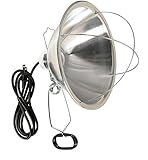
- VERSATILE LAMP CLAMP with strong spring clam grips; double ball universal joint and adjustable reflector lets you direct light where you need it
- INDOOR CLAMP-ON LAMP with a metal bulb guard to protect the bulb; a reflector and spring clamp grips that don’t leave marks on surfaces perfect for temporary work spaces or farming Features non-marring clamp grips and built-in hook hanger for convenient hanging
- GROW LIGHT CLAMP LAMP can be used as a grow light during the cold months for indoor plants or gardens
- PORTABLE; ON-DEMAND LIGHT SOURCE is easy to carry around; for pantries or basements without a built-in light source; this metal clamp lamp is an easy-to-set up alternative light
- CLAMP LIGHT FEATURES: an attached 6 foot cord 18 AWG SPT-2; rugged molded plug; double ball universal joint; spring clamp grips that will not damage surfaces; 10” round reflector; up to a 300W medium base e26 bulb (E26)Power source type: Corded ElectricVoltage: 120 voltsDOES NOT COME WITH BULB
Realistic growth and processing expectations
Heritage turkeys generally grow more slowly and use feed less efficiently than commercial production strains. That trade-off can be worthwhile for keepers who value natural mating, longer-lived breeding birds, outdoor suitability, exhibition, or conservation. It is not the best fit if the sole goal is the fastest route to a large, highly uniform supermarket-style carcass.
Plan harvest or sale dates around actual body condition and the needs of your customers rather than assuming a commercial-turkey timetable. Follow local regulations for slaughter, processing, labeling, transport, and sale.
Blue Slate turkey equipment checklist
- Brooder or enclosed brooding area with a safe heat source
- Reliable thermometer positioned at poult level
- Brooder guard with rounded corners
- Clean, dry pine or other suitable wood-shaving bedding
- Turkey starter and grower feed
- Stable, shallow, cleanable waterers and feeders
- Grit if birds receive whole grains or range
- Dry, draft-controlled, ventilated grow-out shelter
- Secure fencing, covered run or netting where appropriate, and a predator-proof night house
- Dedicated boots, clothing, cleaning tools, and poultry-safe disinfectant
- Isolation space for new or sick birds
- Contact information for a poultry veterinarian and local animal-health authority
Daily and seasonal maintenance checklist
Every day
- Observe appetite, activity, breathing, gait, droppings, and social behavior.
- Check heat and poult distribution during brooding.
- Refresh contaminated water and remove wet bedding.
- Confirm every bird can reach feed and water.
- Inspect fencing, doors, roof netting, and predator damage.
- Remove spilled feed that could attract wild birds or rodents.
Weekly or as needed
- Clean and disinfect waterers and feeders according to product directions.
- Check ammonia, humidity, ventilation, and litter depth.
- Repair holes, weak gates, loose wire, and roof gaps.
- Review weight, growth, feed use, and any recurring health issue.
- Clean boots and equipment before moving between poultry areas.
Before breeding or adding birds
- Confirm the source’s health information and NPIP participation where applicable.
- Prepare a quarantine area and a written introduction plan.
- Review feed medication, vaccination, and withdrawal requirements.
- Update breeding records and remove birds with serious structural or health problems.
- Check local rules if birds, eggs, meat, or hatching stock will be sold.
Bottom line
Raise Blue Slate turkeys as hardy but demanding heritage poultry: brood poults carefully, feed a complete turkey ration, provide progressively more dry space, ventilate without chilling them, secure outdoor areas, and keep turkeys separate from chickens. The variety’s natural mating ability and conservation value are major advantages, while slower growth, variable color genetics, and serious disease risks require realistic planning.
Do these 3 things before closing this tab:
1Repair Windows errors before they cause bigger problems2Fix the driver behind crashes, sound loss and screen glitches3Clear out junk files and repair common Windows errorsFrequently Asked Questions
How fast do Blue Slate turkeys grow?
Blue Slate turkeys are a heritage variety, so they usually grow more slowly and convert feed less efficiently than commercial production strains. Their mature size varies, but the Livestock Conservancy lists weights up to about 33 pounds for males and 18 pounds for females.
Can Blue Slate turkeys live with chickens?
They can, but it is safer to keep them in separate housing and runs. Chickens can carry blackhead-related risks and other organisms with few visible symptoms, while turkeys may become seriously ill. Use separate tools and footwear where possible.
Can Blue Slate poults eat chicken feed?
No. Do not rely on chicken starter or layer feed as a substitute. Use a complete turkey starter, followed by a turkey grower or finisher, and follow the feed label for protein, medication, and withdrawal instructions.
Will two Blue Slate turkeys always produce blue poults?
Not consistently. Slate coloration can result from different mutations, and some black-flecked Slate birds may produce Slate, black, and lavender offspring. Keep breeding records and select over generations if a particular color is important.
The Tool Desk
Outbyte Driver Updater FREEFix the driver behind crashes, sound loss and screen glitchesFind Drivers →Outbyte PC Repair FREEClear out junk files and repair common Windows errorsFree Scan →What temperature do Blue Slate poults need?
Provide roughly 95–100°F at poult level under the heat source at arrival, with a cooler area available. Lower the temperature by about 5°F per week while watching behavior: evenly distributed, active, quietly resting poults are generally more comfortable than birds huddling or panting.
The Bottom Line
Blue Slate turkeys do best when their heritage traits are respected: give them turkey-specific nutrition, clean and spacious housing, predator-proof outdoor access, and stronger biosecurity than a casual mixed-poultry setup. Select breeding birds for health and function as well as blue plumage, and involve a veterinarian promptly when illness appears.
Quick Recap
Product prices and availability are accurate as of the date/time indicated and are subject to change. Any price and availability information displayed on Amazon at the time of purchase will apply.




