
Raising Boer goats can work well as a meat-goat enterprise, but it is not a low-maintenance pet project. Before buying animals, have goat-tight fencing, reliable forage or hay, clean water, shelter, a handling and quarantine area, a herd-health plan, and a realistic market. Boer genetics can support growth, muscle, fertility, and kid production; management determines whether that potential becomes profit or a recurring problem.
What Boer goats are raised for
Boer goats are primarily meat goats, not low-maintenance pasture pets. Developed in South Africa, the breed is associated with a white body, often a red head, substantial muscle, growth, fertility, and adaptability. Color can vary, and appearance alone is a poor measure of production value.
As an Amazon Associate I earn from qualifying purchases.
The useful question is not whether Boer goats are attractive or hardy. It is whether you can consistently provide tight fencing, adequate forage, parasite-aware health care, reproductive management, labor, and a legal outlet for the animals or meat. A well-managed Boer or Boer-cross herd can produce market kids and breeding stock; a poorly prepared property can quickly turn the same goats into an expensive escape, parasite, feed, and veterinary problem.
What’s actually slowing this PC down?
Pick the symptom - the matching free tool is one click away.
Boers may be raised as purebreds or crossed with other goats. For a commercial meat operation, prioritize growth, sound feet and legs, a functional mouth, body capacity, reproductive performance, maternal ability, and kid survival. In a planned replacement program, multiple births and early-born replacement females may be useful selection considerations. Registration can document pedigree, but it does not guarantee health, fertility, conformation, or profitability.
#1 Best Overall

- Barn Brush for Grooming: Transform the grooming routine for your livestock with Weaver Livestock brush for dirt removal; ideal for daily care and show day preparations, the pig show brush helps farmers, ranchers keep barn animals looking their finest
- Stiff Bristle Design: The pig brushes for show day effectively remove dirt and debris from your livestock's coat and deep clean with stiff polypropylene bristles; our cattle brush stimulates and restores fresh, newer hair on sheep, goats, and more
- Healthy and Clean Coat: Use this sheep brush with grooming sprays and shampoos to keep your animals clean and presentable - removing dead hair, dandruff, and dirt; the goat brushes for grooming deliver healthier skin and coat for cattle, lambs
- Durable Wood Handle: Crafted with a sturdy wooden handle, this barn goat brush offers a comfortable grip for long grooming sessions; built to withstand tough use, the reusable pig brush provides you with a reliable grooming tool for years to come
- Versatile Grooming Accessory: Our barn livestock comb works great whether for daily grooming or prepping for a big show; this pet brush is a suitable choice for all types of livestock animals and a great gift for goat, sheep, pigs, and cattle owners
Decide whether Boer goats fit before buying them
Walk the property and make the business plan before shopping for goats. The first purchase should usually be infrastructure, not animals.
- Land: Can the property provide enough pasture, browse, or stored forage through both the growing and dormant seasons?
- Labor: Can someone observe the herd regularly, refill water, inspect feet, notice illness, move animals, and respond during kidding?
- Capital: Can you pay for fencing, shelter, handling equipment, hay, minerals, veterinary care, identification, transport, and unexpected losses?
- Climate and predators: Are shelter, drainage, shade, and predator protection appropriate for local weather and wildlife pressure?
- Market: Will you sell live kids, breeding stock, or packaged meat, and have you confirmed buyers and legal processing before breeding begins?
Boer goats can browse shrubs and rougher vegetation, but that does not mean they can live on whatever grows around a property. Browse may be limited seasonally, toxic plants may be present, and a meat goat producing rapidly growing kids has higher nutritional needs than a dry adult maintained on a large, mature pasture.
Start with a written plan for the number of animals, pasture subdivisions, hay storage, kidding space, quarantine, health records, and sale dates. If the plan only works when forage is always abundant, no animal gets sick, fences never fail, and hay prices remain low, it is not yet a workable plan.
Build the property before the herd arrives
Fencing
Goats are persistent, agile, and skilled at finding weak points. Young kids can pass through openings that contain adult goats, while larger animals may climb, push, or reach over poorly designed barriers. A perimeter fence should be goat-tight, strong enough for local livestock and predator pressure, and checked regularly for lifted edges, damaged wire, open gates, and gaps beneath the fence.
For a permanent boundary, compare goat fencing designed to contain both kids and adults rather than selecting a generic livestock fence by appearance alone. The appropriate wire pattern, height, posts, gates, and predator protection depend on terrain, herd size, wildlife, and local conditions. For temporary paddocks or rotational grazing, electric netting and electric subdivisions can be useful, but only when properly energized, grounded, installed, and monitored. A fence that is intermittently dead will teach goats to challenge it.
Do not rely on a single electric strand as the only barrier for a new herd unless you know the animals, the equipment, and the predator situation make it appropriate. Introduce goats to electric fencing carefully and maintain a physical perimeter where escape or predator risk is significant.
Shelter and footing
A three-sided shed or similar structure can protect goats from rain, wind, heat, and other weather extremes. Shelter is not enough by itself. The area also needs dry footing, ventilation, sanitation, adequate space, and drainage. Crowded, damp, poorly ventilated housing increases stress and contamination and makes illness harder to manage.
Recommended Free Tools
Provide shade in hot weather and a place where animals can get out of driving rain or cold wind. Keep bedding and high-traffic areas as dry as practical. Inspect the structure for sharp edges, toxic materials, loose hardware, and openings where kids could become trapped.
Handling, water, and quarantine
A basic handling area is one of the most valuable parts of a goat operation. It should let you safely restrain, weigh, identify, sort, treat, inspect, and load goats. Include secure gates, a catch pen, and a loading route that does not require chasing animals around the pasture. Handling facilities reduce stress for both goats and people and make routine health work more realistic.
Before the first goats arrive, establish all of the following:
Rank #2
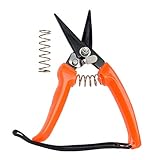
- Multi-Purpose hoof trimmers do the daily trimming jobs for goats, sheep, lamb, alpaca nail hooves etc
- Also, it is sharp enough used by gardener, farmer and florist, for the most gardening applications such as floral pruning, small shrub trimming, fruit harvesting etc
- User-friendly curved handle with stop-falling wrist strap, and upgrade switch lock, switch safer and easier to operate
- Rustproof carbon steel blade, half serrated blade, prevent slippage during cutting
- Stronger spring loaded, do the cut job more effectively, 8-inch long, perfect size for most job and come with a spare spring
- Reliable access to clean water at all times.
- A covered mineral-feeding location protected from rain, feces, and excessive waste.
- Hay and feed storage protected from weather, rodents, and contamination.
- A separate quarantine pen for new or returning animals.
- A sick-animal area and a way to keep boots, trailers, tools, and equipment from carrying contamination between groups.
- A predator-control and emergency-capture plan.
Quarantine is not merely putting new goats behind a gate for convenience. It is a period for observation, record review, testing or treatment decisions made with veterinary guidance, and confirmation that the animals are eating, drinking, moving normally, and showing no signs of disease before integration.
The Tool Desk
Outbyte Driver Updater FREEFix the driver behind crashes, sound loss and screen glitchesFind Drivers →Outbyte PC Repair FREEClear out junk files and repair common Windows errorsFree Scan →Plan pasture, browse, and forage
Pasture and browse should form the foundation of the ration when they can provide enough nutrients. Goats naturally browse shrubs, weeds, and other vegetation as well as graze grasses. A diverse forage base can be useful, but the quality and quantity of that forage change with soil, rainfall, season, plant maturity, drought, and grazing pressure.
Subdivide pasture so goats can be moved before they graze plants excessively close to the ground. Rotation gives forage time to recover and can reduce exposure to infective parasite larvae. It is not a complete parasite-control program, but it is more useful than leaving goats on a small area until the vegetation is short and contaminated.
Multispecies grazing with cattle or horses may help interrupt some parasite cycles because many goat and sheep parasites do not persist in those species. It must still be planned around forage supply, fencing, animal safety, and the health risks of every species. Rotation and multispecies grazing do not eliminate parasites or replace monitoring.
There is no universal Boer-goat stocking rate. One Penn State example gives approximately six to seven does per acre under particular Pennsylvania conditions, but that figure should not be transferred to another state or property without adjustment. Carrying capacity depends on forage production, climate, browse, soil, rainfall, season, animal size, and management. Your practical stocking rate is the number of goats the land can support while maintaining forage cover and acceptable body condition, including during the hardest season.
Good-quality hay becomes important when pasture is dormant, drought-stressed, overgrazed, or nutritionally inadequate. Buy or store enough before animals need it, and keep it off wet or contaminated ground. If the herd is consuming hay quickly, losing body condition, or competing heavily at the feeder, the problem may be forage quantity, feeder access, ration quality, or stocking pressure rather than a simple need for more grain.
Feed Boer goats according to production stage
Growing kids, breeding animals, pregnant does, lactating does, and maintenance animals do not need identical rations. A pasture adequate for a dry adult may not support rapid kid growth or late-pregnancy and lactation demands. Evaluate body condition, growth, forage quality, litter size, weather, and production goals rather than feeding every goat the same amount.
Minerals and water
Forage may not supply every required mineral, so goats commonly need access to a properly formulated goat mineral. Use local forage and soil information where available, and ask a veterinarian or qualified livestock nutritionist about regional mineral concerns. Do not assume a sheep mineral or cattle mineral is interchangeable with a goat mineral; species requirements and safety margins differ.
A covered goat mineral feeder is a practical equipment choice when it keeps minerals dry and reduces fecal contamination. It still needs regular cleaning and inspection, and a feeder cannot correct an inappropriate mineral formula or make up for poor forage.
Free tools Windows power users keep installed
One-click scans. No signup required.
Keep clean water available continuously. Check buckets, troughs, automatic waterers, and float valves routinely, especially during freezing weather and heat. Position water so mud and manure do not accumulate around the drinking point.
Rank #3
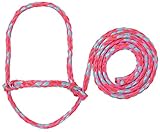
- Modern Sheep Halter: Ensure effortless and reliable handling of your livestock with Weaver Livestock’s poly rope sheep halters; fully-adjustable sheep halter is designed for optimal comfort and control, making it ideal for both sheep and goats
- High Quality Build: Constructed from soft braid ski rope, these rope halters for sheep and goats provide a comfortable and secure fit for your animals; the durable Weaver halter is designed for daily use, ideal for all livestock showmen
- Durable Lead Included: The included sheep and goat lead measures 7/16" x 4', giving you ample length for guiding and controlling your animals; perfect for various tasks, from daily handling to showing your prized livestock
- Animal Friendly: These sheep showing supplies are gentle on your animals, reducing the risk of discomfort - the sheep and goat halter is a suitable and reliable solution for your livestock management needs
- Versatile Use: Our sheep and goat supplies and equipment seamlessly and securely fits sheep, goats, and lambs of all ages; making our rope halter an essential barn tool and training accessory
Concentrates and feed safety
Grain or another concentrate can be useful in specific situations, such as supporting selected growing kids or animals with higher production needs. It is not a substitute for forage and should not be introduced abruptly or fed excessively. Concentrate-feeding errors can contribute to acidosis, indigestion, urinary calculi, enterotoxemia, and other problems.
Store grain in a secure, dry container and prevent goats from breaking into the supply. Keep hay, grain, and minerals away from fecal contamination. When changing feed, make changes gradually and monitor appetite, manure, rumen function, body condition, and behavior. Get veterinary advice promptly for goats that go off feed, become bloated, show abdominal pain, or develop sudden weakness.
Choose breeding stock for production, not color alone
When buying Boer breeding stock, examine the animal and the records. A productive goat should have sound feet and legs, a functional mouth, useful body capacity, appropriate growth, and a temperament that suits your handling system. Ask about the doe’s kidding history, litter size, kid survival, mothering ability, health problems, and performance in the seller’s environment. For a buck, ask about breeding soundness, feet and legs, testicles, growth, health status, and the performance of relatives when reliable records are available.
For commercial meat production, a Boer cross may outperform a purebred in the conditions and market of a particular farm. For a pedigree-oriented program, registered animals may matter to buyers and record keeping. Registration is not a guarantee that an animal is superior for every production goal, so evaluate the individual and its management history.
If you are pursuing registered Boer goats, consult the current rules and regulations of the American Boer Goat Association rather than relying on an old description of registration requirements. Breed rules and paperwork can change, and association registration should be treated as a pedigree resource, not a substitute for a veterinary examination or performance records.
Create a breeding and kidding calendar
A successful breeding program begins before the buck is turned in. Maintain does in suitable body condition throughout the year, correct obvious nutritional deficiencies, inspect feet and mouths, and evaluate the buck’s breeding soundness. Decide on a defined breeding season that matches your climate, forage availability, labor, kidding facilities, and intended market date.
Does in appropriate condition and on a sound plane of nutrition before breeding may have better reproductive prospects, but short-term flushing is not a replacement for balanced year-round management. Reproductive results also vary with genetics, disease, heat stress, buck fertility, age, nutrition, and season. Record breeding dates, sire assignments, pregnancy information when available, kidding dates, litter size, assistance, kid vigor, and losses.
Quick wins for a faster PC:
Scan for outdated or missing drivers - takes under a minuteDriver Scan →Clear out junk files and repair common Windows errorsFree Scan →Meat-goat kids can reach puberty earlier than many new owners expect. Separate young males and females or otherwise manage them before unwanted pregnancies occur. Do not assume that small size means a kid is too young to breed.
Kidding preparation
Prepare a clean, dry kidding area and have a plan before the first doe shows signs of labor. Your plan should cover:
- How the doe and newborns will be observed without unnecessary disturbance.
- How weak, chilled, rejected, or poorly nursing kids will be identified.
- How colostrum access and intake will be managed.
- When and how kids and does will be identified and recorded.
- Which veterinary service will handle emergencies and what transport options are available.
Keep supplies organized, but do not follow a universal intervention schedule copied from another farm. Assistance, preventive care, and newborn protocols should reflect local disease conditions, veterinary advice, and the condition of the doe and kids. A production calendar should also include vaccination and other health tasks recommended by your veterinarian, not just breeding and sale dates.
Rank #4
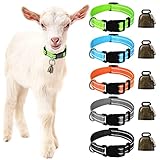
- Adjustable length:The non-slip adjustable goat collar can easily adjust the size; 0.98-inch width, adjustable length size range 13.7-20.5 inches; Most suitable for newborn cows, lambs, goats, sheep and other small animals
- Easy to find animals:Goat collar with bell will reflect light at night and you can rely on the reflected light from moonlight, street lamps or flashlights to spot your flock; The mini cowbell emits a clear, crisp sound that is long and deep, so you can easily find your animals; The brass sheep bell makes it easy to find your sheep, even at night, so you don't have to worry about what part of your land they are on; This will save you a lot of time looking for them
- Durable goat collar:The sheep collar is made of nylon fabric with high-density webbing for durability and colorfastness;The safety buckle can be released when pressed, which is very convenient to open; Stainless steel D-rings on the collar make it easy to add bronze bells onto the collar, corrosion-resistant for long-term use
- Sturdy to use:The size of the bell is about 1.4 x 1.5 x 0.9 inches; Grazing copper bells are made of selected high-quality metal, they are durable and resistant to deformation; They can accompany your pet for a long time
- Package including:You will get 5 strings of reflective Goat Collar Bells, and each string comes with 1 piece of the bell and 1 piece of the key ring; Lamb collars come in five colors, different colored collars will adorn your sheep and differentiate them; They are also thoughtful gifts for pet
Build a parasite-aware health program
Internal parasites are among the most important threats to goat health and productivity. Watch for weight loss, poor growth, a rough hair coat, diarrhea, anemia, bottle jaw, weakness, reduced appetite, and failure to thrive. Some goats carry significant parasite burdens before signs are obvious, so observation should be combined with appropriate testing, including fecal examination when indicated.
Do these 3 things before closing this tab:
1Scan for outdated or missing drivers - takes under a minute2Repair Windows errors before they cause bigger problems3Fix the driver behind crashes, sound loss and screen glitchesRepeated blanket deworming can select for drug-resistant parasites and leave a farm with fewer effective treatment options. Work with a veterinarian to use selective treatment, test results, body-condition and performance observations, pasture management, and treatment records. A goat that is repeatedly treated but remains thin may have a different disease, inadequate nutrition, dental problems, or a treatment failure that needs investigation.
FAMACHA-based anemia scoring can be part of a trained parasite-management program, particularly where wireworm risk is important. A FAMACHA card is not a general diagnostic device, and seeing a pale animal does not by itself establish every cause of illness or tell an untrained owner which medication to use. Learn the method properly and combine it with veterinary guidance and other monitoring.
Biosecurity and routine care
Ask your veterinarian to help create a herd-health plan covering vaccination, parasite monitoring, quarantine, sanitation, foot care, disease testing where appropriate, and treatment records. Isolate new animals before integrating them. Also consider animals returning from shows, sales, boarding, or shared grazing as possible biosecurity risks.
Keep sick goats separate when appropriate, clean equipment that moves between groups, and manage boots, trailers, tools, and handling areas as potential routes of disease spread. Record the animal, date, reason for treatment, product or procedure, dose or method as directed by the label and veterinarian, and any required withdrawal information.
Inspect feet regularly and learn correct trimming technique from a qualified source. A hoof trimmer can make routine maintenance easier, but a tool does not diagnose or cure persistent lameness, footrot, injury, or infectious disease. Seek veterinary help when a goat remains lame, has swollen or foul-smelling feet, cannot bear weight, or does not improve after routine care.
Independent reader supportYour contribution helps us test, update, and keep practical guides available for everyone.Plan the market before you breed
Possible outlets include market kids, breeding stock, direct farm customers where lawful, auctions, and goat-meat buyers. The best outlet depends on local demand, seasonal pricing, buyer specifications, transport distance, and whether you are selling live animals or meat. Contact potential buyers before committing to a breeding season so you know the preferred age, size, sex, timing, documentation, and delivery arrangements.
Estimate costs realistically. Include fencing and repairs, shelter, handling equipment, hay, minerals, feed, veterinary care, testing, identification, labor, mortality, transport, processing, replacement stock, and the time animals occupy your land. Keep records of birth weights or other growth measures when practical, sale weights, sale dates, prices, feed purchases, health costs, and losses. Those records reveal whether a particular sire, pasture, or management change actually improved the enterprise.
U.S. meat-processing rules
If goats are raised for meat intended for sale in the United States, processing and inspection rules matter before you advertise packaged meat. Goat products intended for human consumption are subject to inspection requirements. Depending on the sale and destination, this may involve a USDA-inspected or qualifying state-inspected processor; state rules can add requirements, particularly for intrastate sales.
Crashes, No Sound, or Screen Glitches?
Random freezes, missing sound and display glitches usually trace back to one bad driver. Find and replace yours safely.Free scan · under a minuteWindows Errors? Fix Them Before They Spread
Repair common Windows errors and clear accumulated junk for a smoother, more stable PC - no reinstall needed.Free scan · no reinstallCustom-exempt slaughter and processing are different. Custom-exempt meat is for the owner and specified household or nonpaying users under the applicable rules; it should not be described as ordinary retail meat for sale. Selling a live goat, selling inspected packaged meat, and arranging custom processing are different transactions with different legal consequences. Confirm the rules with your state agriculture or meat-inspection authority and the processor before choosing a business model.
Best Value

- 【Large Capacity】You will receive 1 pcs hay bags.The size is approximately 19.7 x 17.7 x 6inch/50 x 45 x 15cm,with 7.9inch/20cm diameter grass outlet holes,more flexible grass outlet holes,suitable for different animals slow feeding needs,which can keep pets in order while eating.
- 【Quality Material】The hay bag made of high quality oxford fabric,well stitched and is not easy to break,wear,high corrosion resistant,weather resistant,water resistant and aging resistant,which can better deal with the vitality of young horses.Super-strong nylon mesh ventilation gusset is used on both sides of the feeding bag to ventilate and keep the hay dry.Tight stitching ensures that the hay bales are durable and wear-resistant,so it has a long srevice life.
- 【Easy To Use】The hanging goat feeder tote bag with adjustable webbing,easy to remove and hang.The metal ring clip on the top allows the bag to be hung anywhere.You just put the hay in from the top and use the metal hooks to fix it.It can be attached to the stall,trailer,wall and fence easily,the length of the strap can be adjusted according to the needs of use.
- 【Reduced Waste】The large capacity hay bags can store a lot of hay or food,so you don't need to put hay in it often,which saves the time and effort to refill the bag to feed livestock on your farm.Most importantly,this hay feeding bag prevents your goat or horse from swallowing too much food at the same time to reduce excessive spillage and hay waste,allowing your goat or horse to feed comfortably.
- 【Wide applications】Hay Bag suitable for different scenarios you can hang it indoors,outdoors,on trees,corrals or pastures, It is a feed handbag for horses,donkeys,cows,alpacas,ostriches,or other animals,can help you store hay properly and prevent the hay from getting wet or dirty for use on the go.
Because inspected processors may have limited appointments, seasonal demand, and transportation requirements, call early. A market plan that depends on a processor with no available dates is not a complete market plan.
A practical first-herd checklist
Before buying Boer goats, confirm that you can answer “yes” to the following:
- Containment: The perimeter fence holds kids and adults, gates close securely, and predator protection matches the property.
- Handling: There is a safe area for weighing, sorting, hoof inspection, treatment, identification, and loading.
- Weather: Goats have dry footing, shade, ventilation, and shelter from severe conditions.
- Forage: You have assessed pasture and browse by season and secured a hay plan for shortages or dormancy.
- Water and minerals: Clean water is reliable, and goat-formulated minerals can be kept clean and dry.
- Biosecurity: A quarantine pen, sick-animal plan, cleaning routine, and veterinary contact are ready.
- Health: You know how parasite monitoring, hoof care, records, and treatments will be handled.
- Breeding: You have selected breeding criteria, assessed the buck, planned sex separation, and chosen a breeding season.
- Kidding: The kidding area, colostrum plan, identification system, and emergency support are prepared.
- Marketing: You know whether you will sell live goats, breeding stock, or meat and have confirmed the applicable rules and outlets.
If the fencing, forage, quarantine space, or market is not ready, delay the purchase. Those gaps are more expensive to fix after goats are escaping, losing weight, kidding, or accumulating veterinary bills.
Quick wins for a faster PC:
Clear out junk files and repair common Windows errorsFree Scan →Scan for outdated or missing drivers - takes under a minuteDriver Scan →What to buy first
Equipment should solve a defined husbandry problem rather than substitute for a management plan. The priority list is usually:
- Permanent goat-tight perimeter fencing and secure gates.
- Handling panels, gates, and a safe restraint and loading area.
- Weather protection, dry bedding areas, and reliable water equipment.
- Hay storage and clean feed equipment.
- A covered mineral feeder suited to the herd and local mineral plan.
- Basic identification and record-keeping supplies.
- Hoof-care tools after learning correct technique.
Forage and health decisions are local. Do not buy a dewormer, vaccine, mineral formula, or medication because it is popular online and assume it is right for every Boer herd. Species, geography, diagnosis, forage, label directions, withdrawal requirements, and veterinary advice all matter.
For structured learning, start with your state Cooperative Extension goat resources and small-ruminant educators. Extension guidance can help with feeding, pasture, reproduction, breed selection, health, and production records while allowing recommendations to be adapted to local conditions.
Frequently Asked Questions
Are Boer goats easy to raise?
Boer goats are not automatically easy-care animals. They still need goat-tight fencing, clean water, forage or hay, minerals, shelter, hoof care, parasite monitoring, routine observation, and emergency planning. Their meat-goat productivity can make management worthwhile, but it can also expose weaknesses in nutrition, health care, or infrastructure quickly.
How much land do Boer goats need?
There is no reliable universal acreage figure. Carrying capacity changes with forage production, browse, rainfall, soil, climate, season, animal size, and grazing management. One Penn State example cites roughly six to seven does per acre under Pennsylvania conditions, but that should not be applied to another property without local adjustment. Monitor forage cover and body condition and plan for the least productive season.
Can Boer goats be raised entirely on pasture?
Yes, pasture and browse can form the foundation of a meat-goat ration when they provide enough nutrients. Growing kids, pregnant and lactating does, and breeding animals may need more nutrient-dense feed than maintenance animals. Good-quality hay is important during dormancy or shortages, and minerals should be formulated for goats and local conditions.
Do I need to own a Boer buck?
A buck is needed for natural breeding, but whether you own one depends on herd size, breeding schedule, facilities, and access to a healthy, suitable buck. Evaluate breeding soundness and disease status, and plan to separate young males and females early enough to prevent unwanted pregnancies.
Can I sell meat from a goat processed at a custom-exempt facility?
For meat intended for sale in the United States, use a processor operating under the applicable USDA or state inspection rules. Custom-exempt processing is generally for the owner and specified household or nonpaying users, not ordinary retail sale. Confirm requirements with your state authority and processor before advertising packaged goat meat.
The Bottom Line
Bottom line: Raising Boer goats successfully means managing a meat-production system, not simply putting goats on pasture. Build goat-tight fencing, handling and quarantine facilities, and a seasonal forage plan first; then select sound, productive animals, monitor parasites instead of automatically deworming, prepare carefully for kidding, and confirm a legal market before you breed.
Quick Recap
Product prices and availability are accurate as of the date/time indicated and are subject to change. Any price and availability information displayed on Amazon at the time of purchase will apply.





Leave a Reply