
Some links on this page are affiliate links: if you buy through them we may earn a commission, at no extra cost to you.
Roundworms are among the most common intestinal parasites in cats, particularly kittens. The adult worms live in the small intestine and may cause no obvious illness, but a heavy infection can interfere with growth, trigger vomiting and diarrhea, or rarely cause an intestinal blockage.
Two species are especially important in cats: Toxocara cati and Toxascaris leonina. Cats can pick them up from contaminated environments, infected prey, or— in the case of Toxocara cati—their mother’s milk. Because Toxocara cati can also infect people, treatment and good litter-box hygiene protect both your cat and your household.
As an Amazon Associate I earn from qualifying purchases.
What do roundworms look like?
Adult feline roundworms are usually cream-colored and cylindrical. They can grow to several inches long and may resemble strands of spaghetti. You might notice one in a cat’s stool or vomit, but many infected cats never pass a visible worm.
The absence of visible worms does not rule out infection. Roundworm eggs are usually detected with a microscopic fecal examination, and a cat with a light infection may look completely healthy.
Popular on Amazon

- Broad-Spectrum 7-Way Dewormer: PetArmor 7 Way treats 2 tapeworm species, 2 roundworm species, and 3 hookworm species in large dogs for comprehensive parasite control
- OTC Vet-Quality Ingredients: Contains pyrantel pamoate and praziquantel, the same actives in prescription dewormer brands; available over the counter without a vet visit
- Chewable Tablets for Easy Dosing: Palatable tablets accepted with or without food; formulated for large dogs 25+ lbs, 12 weeks and older
- Simple Administration: After dosing, observe your dog for a few minutes to confirm the full dose was eaten; mix into food if the tablet is initially rejected
- Retreatment Guidance: If worms persist, consult your veterinarian; a fecal exam can confirm additional parasite species and appropriate retreatment timing
How cats get roundworms
Transmission depends partly on the species involved. Cats may become infected by:
- Swallowing infective eggs from contaminated soil, litter, food, paws, or household surfaces.
- Eating infected rodents or other prey carrying roundworm larvae.
- Ingesting larvae in an infected queen’s milk. This route applies to Toxocara cati, not Toxascaris leonina.
- Hunting or roaming where infected cats have defecated.
Freshly shed eggs are generally not immediately infective. They develop in the environment over roughly one to four weeks, depending on the species and conditions. Once mature, they are notably durable and can remain viable for years in suitable soil. That makes prompt feces removal much more useful than trying to disinfect an old patch of contaminated ground.
Roundworm symptoms in cats
Adult cats with a small number of worms may have no symptoms. Kittens and cats with heavier infections are more likely to become ill. Possible signs include:
- A potbellied appearance
- Poor growth or failure to gain weight
- Weight loss or reduced body condition
- A dull, rough coat
- Vomiting
- Diarrhea, sometimes with mucus
- Constipation or reduced appetite
- Worms in vomit or feces
- Coughing during the larval migration stage
Roundworms can cause serious complications when numerous worms are present. Intestinal obstruction is uncommon but possible, especially in a small kitten. A worm-like object in vomit or stool is useful information for your veterinarian, but its appearance alone cannot confirm the species or diagnosis.
Also popular on Amazon

- Broad-Spectrum 7-Way Dewormer: PetArmor 7 Way treats 2 tapeworm species, 2 roundworm species, and 3 hookworm species in small dogs for comprehensive parasite control
- OTC Vet-Quality Ingredients: Contains pyrantel pamoate and praziquantel, the same actives in prescription dewormer brands; available over the counter without a vet visit
- Chewable Tablets for Easy Dosing: Palatable tablets accepted with or without food; formulated for small dogs 6-25 lbs, 12 weeks and older
- Simple Administration: After dosing, observe your dog for a few minutes to confirm the full dose was eaten; mix into food if the tablet is initially rejected
- Retreatment Guidance: If worms persist, consult your veterinarian; a fecal exam can confirm additional parasite species and appropriate retreatment timing
When a cat needs urgent veterinary care
Contact a veterinarian promptly if a kitten or cat has repeated vomiting, persistent diarrhea, marked weakness, dehydration, breathing difficulty, pale gums, a swollen or painful abdomen, or cannot eat. These signs can indicate a severe parasite burden or an unrelated emergency; do not wait for a worm to appear before seeking help.
How roundworms are diagnosed
Most diagnoses are made with a fecal test, commonly a centrifugal fecal flotation examination. The laboratory looks for roundworm eggs under a microscope. A veterinarian may also identify an adult worm passed in vomit or stool, and some clinics use fecal antigen testing.
Free tools Windows power users keep installed
One-click scans. No signup required.
A single negative fecal test is not always the end of the investigation. Egg shedding varies during the parasite’s life cycle, and vomiting or diarrhea may have another cause. If signs continue, the veterinarian may recommend repeat testing, a broader parasite panel, or tests for nonparasitic gastrointestinal disease.
Treatment for roundworms in cats
Roundworms are treated with a veterinary-selected anthelmintic (dewormer). Depending on the product and its label, feline treatments may contain or include:
Also popular on Amazon

- Broad-Spectrum 7-Way Dewormer: PetArmor 7 Way treats 2 tapeworm species, 2 roundworm species, and 3 hookworm species in large dogs for comprehensive parasite control
- OTC Vet-Quality Ingredients: Contains pyrantel pamoate and praziquantel, the same actives in prescription dewormer brands; available over the counter without a vet visit
- Chewable Tablets for Easy Dosing: Palatable tablets accepted with or without food; formulated for large dogs 25+ lbs, 12 weeks and older
- Simple Administration: After dosing, observe your dog for a few minutes to confirm the full dose was eaten; mix into food if the tablet is initially rejected
- Retreatment Guidance: If worms persist, consult your veterinarian; a fecal exam can confirm additional parasite species and appropriate retreatment timing
- Pyrantel
- Milbemycin oxime
- Selamectin
- Moxidectin
- Emodepside
Some combination products contain pyrantel alongside praziquantel. The combination may be appropriate when more than one parasite is being treated, but praziquantel itself is aimed at tapeworms and does not make every product a roundworm treatment.
The correct medicine and schedule depend on the cat’s weight, age, health, parasite species, and the product’s approved label. A treatment that kills adult worms may not eliminate every immature stage, so a second dose, ongoing preventive, or follow-up fecal test may be needed. Reinfection is also common if the cat continues hunting or encounters contaminated feces.
What’s actually slowing this PC down?
Pick the symptom - the matching free tool is one click away.
Do not improvise with dewormers. Never give a cat a dog product, livestock dewormer, human medicine, or leftover prescription unless your veterinarian specifically tells you to. Different products have different active ingredients, concentrations, age restrictions, and dosing margins.
Kittens and nursing cats
Kittens deserve special attention because they can develop more severe disease and may acquire Toxocara cati while nursing. Parasite-control schedules vary by product and veterinary protocol. Professional guidelines commonly begin kitten deworming at about two weeks of age and repeat treatment at two-week intervals until an appropriate ongoing preventive is started, often around four to eight weeks of age. Some veterinary references begin at three to four weeks instead.
Also popular on Amazon
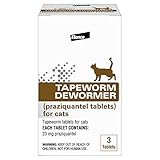
- 3-count bottle of tapeworm dewormer for cats
- Easy effective way to remove common tapeworms in cats
- Tablets may be crumbled and mixed with food or taken by mouth
- Tapeworm Dewormer for Cats will remove the common tapeworms, Dipylidium caninum and Taenia taeniaeformis, from cats and kittens
- For use in cats over 6 weeks of age
That difference is one reason not to copy a schedule from an internet post or use a household product. Your veterinarian should select the medicine and timing based on the kitten’s current weight and the product label. When appropriate, a nursing queen is treated at the same time as her litter.
Preventing roundworms
Prevention has three parts: effective parasite control, sanitation, and limiting exposure.
- Use a suitable preventive. Ask your veterinarian for an age- and weight-appropriate product that includes feline roundworm coverage. Some monthly heartworm preventives also cover intestinal roundworms, but coverage differs between products.
- Keep to the schedule. Missing doses leaves a cat vulnerable to new infections. Outdoor, hunting, and multi-cat households may need particularly consistent control.
- Scoop litter boxes daily. Removing feces before eggs become infective reduces contamination. Dispose of waste safely and clean the box regularly.
- Reduce hunting. Keeping a cat indoors, using an outdoor enclosure, and controlling rodents can reduce exposure to infected prey.
- Do not feed raw or undercooked meat. Cooked commercial diets or properly handled complete cat food avoid the parasite risks associated with raw prey and meat.
- Manage every cat as advised. If one cat is diagnosed, ask whether the other cats in the home should be examined or treated.
- Wash hands. Wash after cleaning litter, handling feces, gardening, or touching potentially contaminated soil.
Common household disinfectants do not reliably destroy roundworm eggs, and old contaminated soil is difficult to decontaminate. Concentrate on daily feces removal, regular parasite control, and preventing fresh contamination rather than relying on bleach or surface spray to make outdoor areas safe.
Can people catch roundworms from cats?
Yes. Toxocara cati is zoonotic. People are infected mainly by accidentally swallowing mature eggs from contaminated soil, litter, or unwashed hands. Simply petting a cat is not the usual route, and toxocariasis does not spread from person to person like a cold.
Also popular on Amazon

- Broad-Spectrum 7-Way Dewormer: PetArmor 7 Way treats 2 tapeworm species, 2 roundworm species, and 3 hookworm species in small dogs for comprehensive parasite control
- OTC Vet-Quality Ingredients: Contains pyrantel pamoate and praziquantel, the same actives in prescription dewormer brands; available over the counter without a vet visit
- Chewable Tablets for Easy Dosing: Palatable tablets accepted with or without food; formulated for small dogs 6-25 lbs, 12 weeks and older
- Simple Administration: After dosing, observe your dog for a few minutes to confirm the full dose was eaten; mix into food if the tablet is initially rejected
- Retreatment Guidance: If worms persist, consult your veterinarian; a fecal exam can confirm additional parasite species and appropriate retreatment timing
In people, migrating larvae can cause visceral toxocariasis, which may affect organs such as the liver or lungs. Ocular toxocariasis affects the eye and can cause visual symptoms. Children have greater exposure risk because they are more likely to put dirty fingers or soil in their mouths.
Daily litter removal, handwashing, routine veterinary parasite control, and keeping children away from contaminated soil reduce the risk. Anyone who develops unexplained fever, abdominal symptoms, coughing or wheezing after substantial exposure, or vision changes should contact a healthcare professional.
Recommended Free Tools
Common roundworm misconceptions
| Claim | What is actually true |
|---|---|
| “An indoor cat cannot get roundworms.” | Indoor cats can swallow eggs carried inside on materials or hands, or acquire larvae from rodents. |
| “I would see worms if my cat were infected.” | Many infections cause no visible worms or symptoms. Fecal testing is more reliable than visual inspection. |
| “One deworming dose always fixes it.” | Repeat treatment, prevention, follow-up testing, or environmental control may be necessary. |
| “Any worm medicine treats every parasite.” | Roundworms, hookworms, tapeworms, and other parasites require different active ingredients and schedules. |
| “Bleach makes contaminated soil safe.” | Roundworm eggs are resistant to many disinfectants. Removing feces and preventing recontamination matter more. |
FAQ
Can I treat my cat’s roundworms at home?
A veterinarian should choose the product and dose, particularly for kittens, pregnant or nursing cats, underweight cats, or cats that are vomiting or unwell. Do not use dog, livestock, or human dewormers without veterinary direction.
How long does it take to get rid of roundworms?
The medicine may kill susceptible adult worms, but immature stages or newly acquired infections can require repeat treatment. Follow the prescribed schedule and complete any recommended follow-up fecal testing.
Can roundworms come back after treatment?
Yes. Cats can be reinfected by swallowing eggs that have matured in the environment or by eating infected prey. Consistent preventive treatment, daily feces removal, and limiting hunting help prevent recurrence.
Should I worry if my cat vomits a long white worm?
A long, cream-colored worm may be a roundworm, but visual identification is not definitive. Save a photograph or the specimen if practical, contact your veterinarian, and seek urgent care if vomiting is repeated or your cat is weak, dehydrated, painful, or unable to eat.
Crashes, No Sound, or Screen Glitches?
Random freezes, missing sound and display glitches usually trace back to one bad driver. Find and replace yours safely.Free scan · under a minutePC Slower Than It Used to Be?
A free scan shows the junk files, broken settings and background clutter dragging Windows down - then fixes them in one click.Free scan · Windows 10 & 11The Bottom Line
Roundworms are common and treatable, but they should not be ignored—especially in kittens. Arrange veterinary diagnosis and use a cat-specific treatment plan rather than guessing at a dewormer. Daily litter-box cleaning, regular parasite prevention, reduced hunting, and handwashing limit reinfection and lower the risk to people.





Leave a Reply