
Recommended Free Tools
Some links on this page are affiliate links: if you buy through them we may earn a commission, at no extra cost to you.
For a severely overweight dog, safe exercise starts with a veterinary examination, not a demanding workout. Begin with brief, level-surface walking or another professionally supervised low-impact activity, monitor breathing and gait, and increase time only after comfortable recovery. Weight loss depends primarily on measured food intake; exercise preserves muscle and mobility and must stay within the dog’s orthopedic, respiratory and cardiovascular limits.
Why severe obesity changes an exercise plan
Extra body mass increases the force carried by every limb and can expose arthritis, ligament injury, spinal disease or muscle weakness that was not obvious at rest. Obesity can also coexist with respiratory compromise, heart disease or endocrine disorders. A dog that appears merely “out of shape” may therefore have a medical ceiling on safe activity.
As an Amazon Associate I earn from qualifying purchases.
The Tool Desk
Outbyte Driver Updater FREEScan for outdated or missing drivers - takes under a minuteDriver Scan →Outbyte PC Repair FREERepair Windows errors before they cause bigger problemsFix Now →Population figures show why the issue is common but do not diagnose an individual dog: an Association for Pet Obesity Prevention survey summarized by the American Animal Hospital Association (AAHA) in 2024 estimated that approximately 22% of dogs were clinically obese and about 59% had body-condition scores (BCS) of 6–9. Your veterinarian should score your dog’s body condition, identify an ideal weight and decide whether pain, breathing disease or another condition needs treatment before exercise increases.
What the veterinary visit should establish
- Current body weight and a nine-point body-condition score, with a target weight and a realistic rate of loss.
- Gait, joint range of motion, muscle condition and signs of arthritis or other orthopedic disease.
- Resting and exertional breathing, heart status and any heat-intolerance or airway concerns.
- Whether blood tests or other diagnostics are needed for endocrine disease or medication effects.
- A daily calorie target, feeding instructions and an initial exercise ceiling. Ask which signs require an immediate call rather than a routine follow-up.
Do not begin a strenuous program while waiting for weight to improve. If your dog has collapse, breathing difficulty, severe lameness or pain at rest, seek veterinary care before exercising.
Popular on Amazon

- Harness Object: The Rear Legs support Harness is designed to help your elderly, disabled, or injured dog, who are unable to navigate the stairs, has a difficult time getting up and down, needs help walking and at any risk of falling
- Lifesaver: The dog carrying harness can pick up the rear end of your fur friend,prevent hip pain and injury caused by aging, support them getting in and out of the car,up and down the steps,help them get up from lying down,stabilize both the gait and spine
- Postoperative Rehabilitation : This Hip lifter is a helpful rehabilitation strap to help your furry pug who are post-op surgery of knee,CCL (ACL),TPLO,hip replacement and so on.They all have some trouble with the their back legs
- Soft Durable : Inside contains synthetic fleece material,the dog mobility harness is very fluffy and comfortable for your dog to wear,won't chafe your pups underbelly. The belly sling carrier outer cove with oxford fabric, it is sturdy for large dog
- Easy to Use:The concept of the portable dog lift support harness is great with the padded handles,so its cushion works great for all dog owners can give your dog a assist lifting with easy.The dog body hoist is washable and easy to carry or storage with drawstring bag when not use it
The safest starting point: short, frequent walking
Level leash walking is usually the most practical first activity because speed, surface and duration can be controlled and recovery is easy to observe. AAHA guidance gives one example for an obese dog without orthopedic restrictions: a five-minute walk three times daily. That is an example, not a universal prescription. A dog that cannot walk comfortably for five minutes should start with shorter bouts or gentle indoor movement approved by the veterinarian.
Set up each walk
- Choose a cool time of day and a flat, non-slip route. Avoid hot pavement, steep grades, loose sand and surfaces that make the dog splay or slide.
- Use a secure, correctly fitted leash. A headcollar can be appropriate for some dogs, but only when the veterinarian or a qualified trainer confirms fit and the dog is introduced to it positively; never jerk or use it to force forward motion.
- Carry water and a portable bowl. A collapsible dog travel water bowl or portable bottle makes planned hydration easier on longer outings, but water does not make an unsafe pace safe.
- Walk slowly enough that your dog can maintain a comfortable gait without pulling. Let the dog pause; pauses are part of the session, not failure.
- Record duration, surface, weather, breathing, gait and recovery. These notes give the veterinarian useful information for progression.
How to progress without overloading joints
Repeat the starting duration until breathing returns to normal promptly, the dog is not more lame during or after the walk, and the next session begins comfortably. Then add a small amount of time to one session at a time. Keep the route level and split total activity across the day rather than creating one long outing. If soreness, heavier breathing or delayed recovery appears, return to the last comfortable level and contact the veterinary team if it persists.
Free tools Windows power users keep installed
One-click scans. No signup required.
Never use a long weekend walk to “make up” for inactive weekdays. Sudden volume is a common way to turn deconditioning into pain or injury. Dr. Robin Downing, quoted by PetMD, cautions against the misconception that an overweight dog should suddenly be placed on a rigorous exercise plan.
Also popular on Amazon
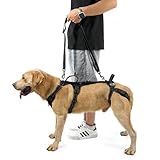
- Veterinary Recommendations - Patented product developed through in-depth communication between our team and veterinarians. Specifically designed for dogs with hip dysplasia, arthritis, anterior cruciate ligament injury, intervertebral disc disease (IVDD), hip problems, unstable standing, and those in need of rehabilitation. It provides assistance in daily life, such as helping dogs climb up and down stairs, use the bathroom, and get in and out of cars.
- Easy to Use - You can put this lift harness on your dog in just 1 minute. The wearing steps are simple and easy to understand, no complicated operations required, so even first-time users can get the hang of it quickly.
- Bathroom Assistance - When your dog needs to defecate or urinate, this support sling provides stable support for the dog's rear legs, allowing the dog to use the bathroom without taking off the harness. Meanwhile, it also provides dual support for both the front and rear legs of the dog, making it easier for the dog to use the bathroom.
- Reflective Material - All the straps of the harness are equipped with reflective strips. In low-light environments or at night, they can effectively improve the visibility of the dog, making the dog's night activities safer and reducing the risk of accidents.
- 24-Hour Wearable - Made of skin-friendly material, it is lightweight, soft and breathable, which won't cause discomfort to the dog. It can be washed with water and dried, making daily cleaning and maintenance convenient, and suitable for the dog to wear all day long.
Land walking, swimming and underwater treadmills compared
These activities are not interchangeable. The best option depends on joint loading, breathing, behavior, supervision and local access.
| Activity | Joint loading and control | Supervision and safety | Suitability and practical limits |
|---|---|---|---|
| Level leash walking | Weight-bearing, so it can reveal or aggravate orthopedic pain; pace, distance and surface are easy to adjust. | One handler can watch gait, breathing and heat exposure continuously. Recovery is straightforward to assess. | Usually the most accessible, lowest-cost starting point for dogs able to walk without significant pain. Avoid hills, running and slippery or hot surfaces initially. |
| Swimming | Buoyancy reduces weight-bearing and can allow movement when land walking hurts, but the dog still works its muscles and may fatigue quickly. | Drowning, panic, aspiration, ear or skin problems and exhaustion remain possible. A handler must stay present; remove the dog for coughing, distress or trouble keeping the head above water. | Requires a dog that can swim calmly and a safe, controlled facility. A backyard pool is not automatically safe, and not every dog enjoys or can perform a swim stroke. |
| Underwater treadmill | Buoyancy and water depth can reduce loading while the belt provides controlled, repeatable steps; a professional can adjust speed and water level. | Performed in a rehabilitation setting with direct supervision. The team can stop quickly and observe gait, breathing and fatigue. | Useful to discuss for arthritis, marked obesity or weakness when land exercise is painful. Availability, intake criteria and prices vary by provider. |
The American Kennel Club’s hydrotherapy guidance quotes Dr. Kern describing hydrotherapy’s low-impact nature as useful for patients of all ages, including geriatric dogs with arthritis and muscle wasting. That does not mean every obese dog should enter water: a rehabilitation professional should select the modality and dose.
Using swimming or hydrotherapy safely
Choose professional assessment when land exercise is limited
Ask your veterinarian for a referral to a canine rehabilitation or hydrotherapy service when arthritis, severe weakness, marked obesity or pain prevents comfortable walking. Confirm the provider’s veterinary oversight, staff credentials, intake examination, emergency procedures and whether the facility can accommodate your dog’s size and breathing needs. An underwater treadmill often permits finer control than free swimming, but the clinician should decide which is appropriate.
Also popular on Amazon

- SUPPORT HIP SLING- Loobani lift sling is a simple and effective solution for mobility especially for elderly dogs, weak hind legs, orthopedic injuries, hip dysplasia, Arthritis pain, ACL / CCL surgery or other debilitating ailments
- MAKE MOBILITY EASILY- Excellent to help your doggy stand up, up and down stairs, get in and out of vehicles, onto furniture, outside for a bathroom break, or to provide some assistance when taking a walk
- COMFORT & NO PAIN- Providing ultimate care to weak and senior dog through thickening design and soft lining with sheepskin-like covering. Moreover,the handle equipped with removable padding is perfect for protecting your hand for easy comfortable carry
- HEAVY DUTY STRAP- A reflective nylon band runs through the whole sturdy sling to hold the weight of any breed. Adjustable straps were long enough to fit a range of breeds. Even if your pooches are short or you're tall, this carrier work well for you
- EASY TO USE & CARRY- The sling does not get in the way when she needs to "go" and can be moved out of the way easily if needed. After using, just fold and put it into the portable gift bag. Machine washable
Water-safety rules
- Never leave a dog unattended in water, even if the dog has swum before or wears a flotation device.
- Use a facility with a secure entry and exit, clean water and a handler in or beside the water as appropriate.
- Stop immediately for coughing, panic, frantic paddling, exhaustion, inability to keep the head above water or unusual breathing. PetMD quotes veterinary guidance that pets should never be left unattended and activity should stop when stress appears.
- Dry the coat and ears as directed by the facility, and watch for skin irritation or ear problems afterward.
- Do not force a fearful dog into water. Stress can increase breathing effort and make drowning more likely.
Exercises and conditions to avoid at first
Until conditioning and weight improve, avoid forced running, repetitive jumping, hard fetch, abrupt turns, steep hills and long hikes. These actions multiply impact and make it harder to distinguish enthusiasm from overexertion. Skip exercise in hot or humid weather, and choose shade and cool indoor options when conditions are unsafe. Do not use stairs, dog-park wrestling or chasing games as a substitute for a controlled plan.
Gentle indoor movement can help a dog that cannot tolerate a five-minute walk: slow treat searches, walking between two people over a short distance or calm repositioning on a non-slip floor. Keep all movements on the ground; do not add jumping, rapid pivots or slippery surfaces. Count treats and food used in games within the daily calorie allowance.
Stop signs: when to end a session
Slow down and stop at the first sign that your dog is not coping. Seek urgent veterinary help for collapse, breathing difficulty that does not resolve with rest, suspected heatstroke or sudden severe pain.
Also popular on Amazon

- Harness Object: The Rear Legs support Harness is designed to help your elderly, disabled, or injured dog, who are unable to navigate the stairs, has a difficult time getting up and down, needs help walking and at any risk of falling
- Lifesaver: The dog carrying harness can pick up the rear end of your fur friend, moderate hip pain and injury caused by aging, support them getting in and out of the car, help them get up from lying down, stabilize both the gait and spine
- Postoperative Rehabilitation: This Hip lifter is a helpful rehabilitation strap to help your furry pug who are post-op surgery of knee, CCL (ACL), TPLO, hip replacement and so on. The back saver harness assist your dog while recovering from surgery
- Soft and Durable: Inside contains soft plush material,the dog lift harness is very fluffy and protect dogs' belly. The dog sling outer cove with oxford fabric. Our fabric is durable and won't expire easily and typically usable for up to 5 years
- Easy to Use: The portable dog lift support harness is great with the padded handles, so its cushion works great for all dog owners can give your dog a assist lifting with easy. It is washable and easy to carry or storage with drawstring bag
- Persistent coughing, wheezing, noisy or labored breathing, blue or very pale gums.
- Collapse, confusion, staggering, vomiting or signs of heat stress such as extreme distress and inability to cool.
- Marked fatigue, repeated lying down, panic or inability to recover after slowing and resting.
- Limping, a shortened stride, reluctance to bear weight or acute pain.
After stopping, move the dog to a cool, quiet place, offer small amounts of water and observe breathing and responsiveness. Do not resume the workout because the dog appears determined to continue. Report repeated or prolonged recovery problems to the veterinarian; the plan may need a lower ceiling or additional diagnostics.
How long should walks be?
There is no safe universal minute-by-minute schedule for every severely overweight dog. The five-minute, three-times-daily example from AAHA applies only to an obese dog without orthopedic restrictions and still requires individual veterinary approval. Start below that level when needed, and progress only when the dog has normal breathing, no worsening lameness and easy recovery by the next planned session.
A two-mile daily walk was associated in a Cornell report with dogs being able to eat about 10% more calories per day while achieving weight loss. This is an association from a cited study, not a target distance or a promise of calorie burn. Most dogs expend about 1.1 kilocalories per kilogram per kilometer at a brisk 10–10.5 minute-per-kilometer pace, according to the AAHA/JAAHA Weight Management Guidelines (2014). Individual expenditure varies with speed, terrain, body composition, weather and disease, so do not “eat back” calculated exercise calories without veterinary direction.
Also popular on Amazon

- 【Specially Designed for Male Dogs – Male-Friendly Dog Lift Harness】: The Lafoty dog lift harness for large dogs offers unique support with lift handles that don't interfere with male genitalia, allowing your dog to pee comfortably without mess. The rear leg straps are positioned to avoid interference with pooping, making it a clean and comfortable experience for your dog.
- 【Enhanced Mobility & Comfort – Dog Support Harness for Back Legs】: Equipped with 4 strategically placed handles (front and back), this dog carrying harness provides multiple lifting and rotation options, making it ideal for a variety of scenarios. The 6 adjustable straps help distribute force evenly, reducing strain on both you and your dog. Perfect as a dog stair helper or for lifting your dog in and out of vehicles.
- 【 2-in-1 Versatility – Detachable Rear Leg Support & Lift Strap】: This dog support sling offers a versatile 2-in-1 design. The rear leg support can be detached to be used as a regular harness for dogs, while the lift strap provides extra mobility support or temporary carrying assistance for stairs, walks, or general lifting.
- 【 Comfortable & Durable – High-Quality Dog Lift Harness】: Crafted from durable materials, this dog back leg support harness is designed for safety and comfort. While it may be slightly heavier than regular harnesses, the shoulder straps are built to evenly distribute weight, ensuring comfort even during long periods of use. Great for dog lifter for large elderly dogs or those recovering from surgery.
- Must Be Done Before Purchasing:We need to pay patience to accurately measure, so as to get the accurate size, refer to the scale table to buy the accurate size. After purchase, if you have any questions (missing parts/inappropriate size/not adjustable, etc.), please contact us in time.
Weight loss: food measurement and follow-up matter most
Exercise supports muscle mass, joint mobility and fitness, but measured calories drive the energy deficit. Cornell’s canine obesity guidance, updated June 2024, reports a safe loss rate of 1–2% of body weight per week. AAHA’s veterinary practice guidance page (2025/2026 version) gives the same desired rate; confirm the current guideline edition with your veterinary team because recommendations are periodically updated.
Build a monitoring loop
- Weigh food with a kitchen scale or use the measuring method your veterinarian specifies. Include treats, chews, table scraps and calories used for training.
- Weigh the dog at least every two weeks under similar conditions. Record weight, activity, appetite, stool, gait and any breathing or pain signs.
- Have the veterinarian review the trend. If loss is below or above the planned 1–2% weekly range, or if the dog loses muscle or seems unwell, the calorie target and exercise plan may need adjustment.
- Recheck equipment fit as the dog’s shape changes. Harnesses, collars and flotation devices must remain secure without restricting breathing.
Do not restrict food drastically or increase exercise to force a faster result. Rapid loss, weakness or persistent hunger needs veterinary review rather than a harsher plan.
Do these 3 things before closing this tab:
1Clear out junk files and repair common Windows errors2Fix the driver behind crashes, sound loss and screen glitches3Repair Windows errors before they cause bigger problemsA practical first-month framework
Use this as a discussion tool after clearance, not as an independent prescription.
Days 1–7: establish tolerance
- Take one to three very short, flat walks at a pace that keeps breathing comfortable; five minutes may be appropriate only if the veterinarian agrees and the dog tolerates it.
- Log gait, breathing and recovery. Stop for any red-flag sign.
- Measure every calorie and keep activity consistent rather than alternating inactivity with a long outing.
Days 8–14: repeat what is comfortable
- Maintain the same duration if the dog is still adapting. If recovery is easy and gait is unchanged, add a small amount to only one daily session.
- Keep weather, surface and pace conservative. A rest day or shorter session is appropriate after unusual fatigue.
Weeks 3–4: add time or professional aquatic work
- Continue small increases only when the dog remains comfortable through the next session.
- If walking is limited by pain, arrange a rehabilitation assessment rather than adding hills, speed or fetch. The therapist may use an underwater treadmill or supervised swimming.
- Review the weight trend with the veterinarian and adjust calories or activity based on measured results.
When to call the veterinarian before progressing
Arrange a reassessment if the dog develops new or worsening lameness, cough, exercise intolerance, repeated vomiting, prolonged fatigue, reluctance to move, or a weight trend outside the planned range. Ask for prompt advice after any collapse, heat illness, breathing episode or suspected water aspiration. A dog that cannot recover comfortably from the current workload is not ready for more time, distance or intensity.





Leave a Reply