
Some links on this page are affiliate links: if you buy through them we may earn a commission, at no extra cost to you.
Book a complete veterinary visit soon after adopting a senior rescue dog, even if the dog appears healthy. Bring every record you received, document changes you have noticed, and ask for a nose-to-tail examination, oral and mobility assessment, preventive-care review, and a discussion of baseline laboratory tests. For dogs older than 7 years, the American Animal Hospital Association (AAHA) recommends examinations every six months, because early disease can be invisible at home.
This checklist helps you prepare and decide what to discuss. It is not a diagnosis: the veterinarian should tailor testing, vaccines, anesthesia, and follow-up to the dog’s history, examination, lifestyle, local law, and comfort.
As an Amazon Associate I earn from qualifying purchases.
What’s actually slowing this PC down?
Pick the symptom - the matching free tool is one click away.
What to do before the first appointment
Arrange the first comprehensive visit promptly after adoption. A shelter examination is useful, but it may be limited by time, stress, incomplete history, or the dog’s condition on intake. Your veterinarian needs to establish a reliable baseline and identify issues that require treatment or monitoring.
Collect the dog’s records
- Adoption and shelter paperwork, including the dog’s estimated age, sex, weight, microchip number, and any known medical history.
- Vaccination certificates, especially rabies documentation, with product names and dates if available.
- Flea, tick, heartworm, and intestinal-parasite prevention records.
- Medication, supplement, surgery, dental, imaging, and laboratory records.
- Any rescue notes about behavior, injuries, chronic illness, allergies, or prior anesthesia.
Take photographs of the documents and keep a copy on your phone. If records conflict with the dog’s identity or are incomplete, tell the clinic rather than assuming a vaccine or treatment was given.
Popular on Amazon
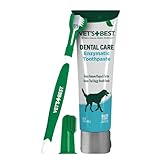
- DOG TOOTH BRUSHING KIT: Keep your dog's teeth and gums healthy with our dog toothbrush and toothpaste kit; our toothpaste is made with aloe, neem oil, grapefruit seed extract, baking soda, and enzymes to keep you dog's mouth fresh
- DOG DENTAL CARE MADE EASY: Our dog tooth paste gently cleans away plaque and tartar, serving as an effective dog breath freshener; rid your dog of bad breath and gift them a healthier mouth with our dog tooth brushing kit.
- TRIPLE HEAD TOOTHBRUSH: Our dog dental cleaning kit features a triple-sided dog tooth brush that cleans all sides of your dog's teeth at once, making tooth brushing faster and more efficient; no more struggling to clean those hard to reach back teeth
- NATURAL FLAVORS: Our toothpaste for dogs has natural flavors that your furry friend will love, making dog tooth brushing a more enjoyable experience even for the pickiest of pups, so you can keep their dog breath fresh without any fuss
- DENTAL KIT FOR DOGS OF ALL SIZES: Regular teeth cleaning supports your pet’s health. Use our dog toothbrush and toothpaste between vet visits to maintain oral hygiene, reduce plaque and tartar buildup, and keep your dog’s mouth fresh and healthy.
Track observations for several days
Write down what is normal for this individual dog. Record appetite, water intake, urination, stool, vomiting, coughing, breathing, sleep, exercise tolerance, stiffness, slipping, pain behaviors, hearing or vision concerns, and changes in sociability or house-training. Note whether the dog struggles with stairs, rising, jumping, grooming, chewing, or being touched in a particular area.
Bring the current food, treats, supplements, and medicines. Include dose, frequency, and the time each is given. Measure or photograph new lumps, skin lesions, or mouth swellings so the veterinarian can compare their size over time.
Recommended Free Tools
What the veterinarian should examine
Ask for a complete physical examination rather than a vaccine-only visit. A frightened or painful rescue dog may need a quiet room, a slower approach, treats, a muzzle introduced safely, or another handling plan. Tell the team about any bite risk before handling begins.
Core examination checklist
- Weight and body condition: Record weight and body-condition score, then compare them at future visits. Muscle loss can occur even when a dog is overweight.
- Heart and lungs: Ask whether a murmur, abnormal rhythm, cough, or increased breathing effort changes the diagnostic or anesthesia plan.
- Abdomen and lymph nodes: Enlargement, pain, or masses may warrant laboratory tests or imaging.
- Skin and coat: Discuss itching, hair loss, parasites, persistent wounds, lumps, and lesions that should be measured or sampled.
- Eyes and ears: Cataracts, glaucoma, hearing loss, infection, and chronic ear disease can affect safety and behavior.
- Neurologic status: Ask about balance, weakness, seizures, spinal pain, and changes in awareness.
- Joints, spine, and gait: Have the dog walk on a nonslip surface if possible. Discuss arthritis, old injuries, muscle loss, and safe ways to lift or restrain the dog.
- Pain: Describe subtle signs such as panting at rest, reluctance to move, trembling, guarding, irritability, sleep disruption, or licking one area.
- Nutrition: Review calories, treats, protein and muscle condition, dental ability to chew, and any kidney, liver, gastrointestinal, or heart concerns that affect diet.
- Behavior and cognition: Mention anxiety, confusion, new irritability, house-soiling, pacing, nighttime wakefulness, or loss of familiar skills. These changes can have medical causes.
- Blood pressure: Ask whether measurement is appropriate, especially if kidney disease, eye changes, neurologic signs, or other systemic illness is suspected.
Questions worth asking in the room
- What problems do you see today, and which are urgent?
- What is the dog’s body-condition and muscle-condition score?
- Which findings need a test now, and which can be monitored?
- What signs should prompt a call before the next appointment?
- How should we handle exercise, stairs, grooming, and painful areas at home?
- When should we return, and which measurements will you trend?
Baseline tests for a senior rescue dog
Laboratory work can reveal anemia, kidney disease, liver disease, diabetes, infection, electrolyte disturbances, urinary problems, or other changes before a dog looks ill. AAHA’s senior-care guidance describes a medical workup once or twice a year that may include a complete blood count, chemistry panel, and urinalysis. Its senior-dog diagnostic table lists those three tests every 6–12 months, with the exact interval individualized to health and risk.
Also popular on Amazon

- #1 BRAND CHOSEN BY VETERINARIANS: Proven effective and trusted for over 30 years, C.E.T. is the top recommended dental brand by veterinary professionals to reduce plaque & tartar buildup
- Dual-sided toothbrush designed specifically for canine mouths with soft bristles for comfortable brushing
- Long handle with reverse angle allows for easy use and soft bristles for comfortable brushing while the finger-brush slips over finger for ease of use and better control
- Great tasting poultry-flavored toothpaste is ideal for dogs and cats that quickly build up plaque and tartar
- Complete kit with everything pet owners need to start a program of regular oral hygiene for their dog or cat. Ideal to help acquaint dogs/cats and their owners with the tooth brushing experience
| Test | What it can reveal | How to discuss timing |
|---|---|---|
| Complete blood count (CBC) | Anemia, infection or inflammation patterns, platelet problems, and other blood-cell abnormalities. | AAHA lists every 6–12 months for senior dogs; repeat sooner when signs or previous results warrant it. |
| Chemistry panel | Kidney and liver indicators, glucose, electrolytes, proteins, and other organ-function clues. | Use the same laboratory when practical so trends are easier to interpret. Abnormal values may require confirmation or additional testing. |
| Urinalysis | Urine concentration, blood, protein, glucose, infection clues, and evidence that complements kidney testing. | Pair with bloodwork when evaluating kidney or endocrine disease; frequency depends on findings and treatment. |
| Blood pressure | Hypertension that can damage eyes, kidneys, brain, or the cardiovascular system. | Measure when the examination or medical history makes it appropriate; anxiety can affect a reading, so repeat measurements may be needed. |
| Fecal and parasite testing | Intestinal parasites that may cause diarrhea, weight loss, anemia, or household exposure. | AAHA lists 1–4 tests per year for dogs, depending on lifestyle and preventive products. Outdoor access, hunting, travel, and other animals can change risk. |
| Heartworm testing | Evidence of heartworm infection, which can be serious and may alter prevention or treatment. | AAHA’s senior-dog table lists annual testing. Regional prevalence, prevention history, and missed doses matter. |
| Tick-borne disease testing | Exposure to regionally relevant infections that may affect blood cells, joints, kidneys, or general health. | AAHA lists annual testing in its table, adjusted to local risk, travel, tick exposure, and symptoms. |
| Thyroid testing | Thyroid dysfunction when signs, breed, examination findings, or a baseline assessment support testing. | Interpret results with medications and concurrent illness in mind; a single value may not tell the whole story. |
| Imaging | Structural problems such as arthritis, masses, heart changes, urinary stones, or organ enlargement. | Target the body region indicated by the examination. Radiographs may require positioning assistance; ultrasound or advanced imaging may be recommended for a specific question. |
Ask how results will be trended
A “normal” result is a starting point, not a guarantee of future health. Ask the clinic to record weight, blood pressure, creatinine, SDMA when used, urine specific gravity, liver values, glucose, and any other relevant measurements. A gradual change can matter even when a value remains inside a laboratory’s reference interval. Keep copies of reports and note the date, laboratory, fasting status, medications, and symptoms.
Vaccines and parasite prevention after adoption
Do not assume that an older dog no longer needs vaccines. The plan should reconcile rescue paperwork with the dog’s identity, local rabies law, lifestyle exposure, travel, health status, and current canine guidance. Rabies requirements are set by jurisdiction, so ask the clinic what documentation and timing are legally required where you live.
When records are incomplete
Show the veterinarian every document, even if it is handwritten or lacks a product label. The team may recommend a catch-up approach when protection cannot be verified. Decisions should account for the dog’s age, immune status, prior reactions, disease exposure, and the consequences of delaying protection.
AAHA entry guidance for older dogs
In the 2024 AAHA update, dogs older than 18–20 weeks entering care are described as receiving an initial modified-live DA2LPP vaccine followed by a booster 2–3 weeks later. Ask the veterinarian how that protocol applies to your dog and which components are appropriate. DA2LPP refers to a combination covering canine distemper, adenovirus, parainfluenza, and parvovirus, with leptospira included in the product designation used by the guidance; the exact licensed formulation depends on the product and jurisdiction.
Also popular on Amazon

- FOR DOGS AND CATS: Enzymatic toothpaste specifically formulated using an enzyme system for dogs and cats to reduce plaque, freshen breath, and ensure a clean mouth. Poultry flavor pets love
- 100% SAFE: Includes no foaming agents, so this toothpaste is safe for pets to swallow
- VET RECOMMENDED: Virbac is the #1 Recommended dental brand by Veterinary professionals; Made in the USA
- USE WITH A TOOTHBRUSH: Use a soft-bristled toothbrush such as the C.E.T. Dual-Ended Toothbrush. Apply daily or as directed by your veterinarian. Your veterinarian may give you specific directions; follow this professional advice closely
- SATISFACTION GUARANTEED: Virbac is committed to your experience of great satisfaction with our products. Let us help with your questions and we would love to hear your comments at 1-844-484-7222
Match prevention to exposure
Review year-round flea, tick, and heartworm prevention, including missed doses, travel, swimming, hunting, boarding, and contact with wildlife or other dogs. The veterinarian should check for interactions with existing medicines and adjust the plan for kidney, liver, gastrointestinal, neurologic, or cardiac disease. Never restart an old prescription or add a supplement without asking whether it is safe for this dog.
Dental care is a medical priority
Examine the mouth at every visit. Senior dogs commonly hide oral pain, and a dog may continue eating despite severe periodontal disease. Ask the veterinarian to document periodontal stage, loose or painful teeth, gum recession, oral masses, ability to chew, and ability to swallow.
Signs that need a prompt call
- Persistent bad breath that is new or worsening.
- Drooling, bleeding, pawing at the mouth, or dropping food.
- Difficulty chewing, swallowing, or opening the mouth.
- Facial swelling, a suddenly enlarged gum, or a visible mass.
- Reduced appetite, weight loss, or a preference for unusually soft food.
What professional dental treatment involves
When disease is present, discuss an anesthetized cleaning with probing and full-mouth dental radiographs. Radiographs can reveal disease below the gumline that cannot be judged by looking at the visible tooth. Extractions may be necessary for teeth that are loose, infected, fractured, or painful.
Anesthesia is not automatically unsafe because a dog is old, but it requires an individualized medical-risk plan. The veterinarian may recommend bloodwork, blood-pressure assessment, intravenous access, fluid support, temperature management, and a modified drug protocol based on heart, kidney, liver, airway, and neurologic findings. Ask what will be monitored, which procedures can be staged, how pain will be controlled, and what recovery restrictions apply.
Also popular on Amazon

- COMPLETE DOG DENTAL KIT: Includes a 2.5 oz tube of chicken flavor enzymatic dog toothpaste, a long-handled double-ended toothbrush, and a finger brush, giving you a full at-home dog tooth brushing kit in one pack.
- ENZYMATIC BAKING SODA FORMULA: This Arm & Hammer enzymatic toothpaste for dogs uses baking soda for fresh breath and helps with tartar control*. Added calcium is part of the formula for stronger teeth.
- CHICKEN FLAVOR TOOTHPASTE: The chicken flavored dog toothpaste is made to make brushing more appealing. Start with a small amount so your dog can adjust to the flavor, then build a steady brushing habit over time.
- TARTAR CONTROL SUPPORT: Brushing regularly with this dog toothpaste and toothbrush helps with tartar control* and fresh breath. Use the toothpaste with either brush as part of a consistent at-home dental care routine.
- TWO BRUSH SIZES INCLUDED: The long-handled double-ended toothbrush and the finger brush give you two brush sizes to suit all size pets. The finger brush is made for training and for sensitive pets.
Home dental care
AAHA recommends toothbrushing as part of ongoing care. Use a dog toothbrush and veterinary toothpaste, never human toothpaste. Begin only when the mouth is comfortable enough and the dog can be handled safely. Start with brief contact on the outside surfaces, reward calm behavior, and build gradually. Brushing cannot remove all disease, so it complements—not replaces—professional examination and treatment.
Independent reader supportYour contribution helps us test, update, and keep practical guides available for everyone.Mobility, pain, and quality-of-life planning
Reduced mobility is not an inevitable explanation for every change. Arthritis, spinal disease, injury, neurologic illness, obesity, dental pain, and systemic disease can look similar at home. Ask for a pain and mobility assessment, a safe exercise plan, weight targets, and rehabilitation options.
Free tools Windows power users keep installed
One-click scans. No signup required.
AAHA lists practical modifications for mobility-compromised pets, including ramps or stairs, nonslip flooring, orthopedic bedding, and harnesses or slings. Introduce one change at a time and observe whether it improves confidence, sleep, toileting, and willingness to move. Avoid slippery floors and forced exercise during a painful flare.
Do not give human pain medicines or begin joint supplements without veterinary advice. Kidney, liver, gastrointestinal, and cardiac disease can change which treatments are safe. A written medication schedule reduces accidental double-dosing when several family members are caring for the dog.
Also popular on Amazon

- Bark & Clean's dog tooth brushing kit comes with toothpaste, a dual-head toothbrush, and a small dog finger tooth brush.
- The dog toothpaste is an enzymatic formula with protease and glucose oxidase to help break down debris and food residue and to target odor-causing germs.
- Our dog tooth paste contains zinc, which supports gums and teeth by promoting healthy tooth enamel. Thymol helps to freshen bad breath and support and cleaner oral environment.
- Our senior & puppy tooth brushing kit is made for dogs of all ages. The toothpaste contains sodium saccharin, a non-toxic sweetener that makes brushing more enjoyable.
- The older & puppy toothbrush has a dual head to fit all needs. The small brushing head has soft bristles for hard-to-reach areas. There is also a large brushing head for bigger areas.
Behavior and cognitive changes: what to monitor
New confusion, nighttime wandering, sleep reversal, house-soiling, anxiety, staring, or irritability may reflect cognitive decline, but pain, vision or hearing loss, urinary disease, endocrine disease, medication effects, and neurologic illness can produce similar signs. Keep a dated log of episodes, triggers, sleep, appetite, elimination, and response to changes in routine. Bring videos when a behavior is difficult to describe.
Ask whether the dog needs a medical workup before labeling a change as “just aging.” Early treatment of pain, urinary disease, sensory loss, or another illness may improve comfort and behavior.
Outdated Drivers Are Slowing You Down
One free scan finds every outdated or missing driver and matches the right update for your exact hardware.Free scan · exact hardware matchPC Slower Than It Used to Be?
A free scan shows the junk files, broken settings and background clutter dragging Windows down - then fixes them in one click.Free scan · Windows 10 & 11A practical follow-up schedule
Use the first visit to set an individualized calendar rather than relying on a single annual reminder.
- Every six months: AAHA recommends examinations for dogs older than 7 years, including those that appear healthy.
- Every 6–12 months: AAHA’s senior-dog table lists CBC, chemistry, and urinalysis, with shorter intervals when disease or treatment requires them.
- Annually: The same table lists heartworm and tick-borne disease testing, adjusted for regional and individual risk.
- One to four times yearly: Fecal testing frequency depends on lifestyle and preventive products.
- Any time a change appears: Contact the clinic for new pain, lumps, appetite or drinking changes, altered elimination, breathing or coughing changes, oral signs, weakness, or behavior changes.
Keep the next appointment before leaving the clinic. Ask which findings can be watched at home, what measurement defines worsening, and whether the practice wants a phone update, photograph, repeat test, or earlier examination.
How to make decisions when several issues appear
Senior rescue dogs often arrive with multiple unknowns. Work with the veterinarian to rank recommendations by urgency and likely benefit:
- Stabilize immediate problems: Severe pain, breathing difficulty, dehydration, inability to urinate, collapse, uncontrolled bleeding, or a rapidly enlarging swelling needs prompt veterinary attention.
- Establish the baseline: Examination, weight, oral assessment, and appropriately selected blood and urine tests provide context for later decisions.
- Address high-benefit problems: Treat painful dental disease, infection, uncontrolled hypertension, or mobility-limiting pain when the expected comfort benefit is meaningful.
- Stage elective procedures: If several procedures are proposed, ask whether combining or separating them changes anesthesia time, recovery, cost, or risk.
- Reassess quality of life: Track appetite, comfort, mobility, sleep, interaction, hygiene, and more good days than bad. The goal is not to pursue every test regardless of burden; it is to make informed choices that improve or protect the dog’s welfare.
Request a written estimate that separates examination, laboratory work, imaging, anesthesia, dental radiographs, extractions, medications, and follow-up. Prices vary by region, clinic, dog size, test complexity, and urgency, so a local estimate is more useful than a generic figure.
Do these 3 things before closing this tab:
1Clear out junk files and repair common Windows errors2Fix the driver behind crashes, sound loss and screen glitches3Repair Windows errors before they cause bigger problems




Leave a Reply