
Crashes, No Sound, or Screen Glitches?
Random freezes, missing sound and display glitches usually trace back to one bad driver. Find and replace yours safely.Free scan · under a minuteWindows Errors? Fix Them Before They Spread
Repair common Windows errors and clear accumulated junk for a smoother, more stable PC - no reinstall needed.Free scan · no reinstallDo not feed wild birds in Australia while the federal H5 bird-flu advice is in force. The Department of Climate Change, Energy, the Environment and Water says, “Do not feed wild birds or animals,” because feeding gathers animals and can increase disease spread. The department’s advice is current but changeable, so check the federal H5 page and your state or territory wildlife authority on the day you act.
You can still help birds by restoring habitat with locally indigenous plants and by providing carefully maintained, shallow water where local guidance permits it. Routine feeding also creates nutrition, disease, behaviour, pest and ecological risks identified by BirdLife Australia, WIRES and RSPCA Australia.
As an Amazon Associate I earn from qualifying purchases.
The current answer: do not feed wild birds during the H5 response
Australia’s federal environment department currently instructs the public: “Do not feed wild birds or animals.” Its H5 bird-flu guidance says feeding brings animals together, creating more opportunities for disease transmission. The department reports that H5 bird flu is affecting native species and that state and territory governments lead on-ground responses in their jurisdictions.
The department listed related updates dated 2 October, 17 September and 3 September 2026. Outbreak controls can change quickly. Before putting out food, check the latest federal notice and the current advice from your state or territory wildlife authority, local council and any incident-response service operating in your area.
#1 Best Overall

- Squirrel Proof Bird Feeder
- Bird Feeder,Gardening Gifts for Women,Fathers.christmas gifts for dad,mom and more bird lovers
- Metal Bird Feeders for Outdoors Hanging
- Squirrel Proof Wild Bird Feeders with Finch Cardinal Chickadee
- Large Capacity Bird Feeders
This instruction takes priority over older, conditional advice about what food might be less harmful. BirdLife Australia does not encourage wild bird feeding, WIRES does not recommend feeding native birds, and RSPCA Australia says feeding wildlife is generally not recommended. Their material explains the risks and, in limited circumstances, how an authorised response might reduce harm; it is not permission to start a feeder during the H5 response.
Why routine feeding can harm Australian wildlife
Unsuitable nutrition
Native birds have specialised diets. Human food can displace the nutrients, fibre and variety they need, while a food that suits one species may harm another. RSPCA Australia gives examples of young magpies and kookaburras developing weak bones and beaks when fed a high-meat diet, and ducks becoming malnourished when they receive substantial amounts of bread.
Food can be filling without being complete. A bird that eats bread, seed or mince may eat less of the natural food that supplies essential minerals, protein, vitamins or trace nutrients. Young birds, breeding adults and recovering wildlife are especially vulnerable to an imbalanced diet.
Disease at concentrated feeding points
Animals repeatedly gathering at one place leave droppings, saliva and food waste in a small area. RSPCA Australia identifies Salmonella and Chlamydia psittaci as examples of disease-causing organisms associated with wildlife feeding. Crowding also increases contact between species that would normally forage separately. Spoiled food and dirty surfaces add further contamination opportunities.
These concerns matter even more during an H5 outbreak. A feeding station can create exactly the concentration that disease-prevention advice is intended to avoid.
Rank #2

- Chew-Proof Metal Build: The top and base of this bird feeder are made of metal. Advanced metal processing techniques make it more sturdy for outdoor use and resistant to squirrel damage.
- 2 Steps Disassemble Easy Clean Thoroughly: No tools needed! Disassemble in just 30 seconds. Easy to maintain and refill weekly. Say goodbye to the hassle of cleaning and reassembling bird feeders.
- One-Handed Refilling Made Simple: Press the roof button and slide up to lock it in place on the steel cable. No need to remove the entire feeder, making refills quick and easy.
- High Guardrail Seed Tray Design: Prevents seeds from falling while birds feed, reducing waste.
- No Assembly Required – Just Unbox and Use: 360-degree perch design allows multiple birds to feed simultaneously without being limited to fixed feeding holes, providing a more comfortable and free feeding experience for your birds.This is an excellent gift choice, adding vibrant colors to your yard and enriching garden life. It brings more joy to families and children.
Behaviour, dependency and conflict
Regular handouts can make birds less wary of people, reduce some normal survival behaviours and encourage them to wait for food instead of foraging. Individuals may become dependent on a supply that stops when a household moves, goes away or follows a disease-control order.
Competition at a food pile can produce chasing, aggression and stress. Larger or bolder species may displace smaller birds. Birds that learn to approach people can become nuisance visitors around patios, roads or outdoor dining areas, increasing the chance of injury.
Ecological imbalance and pests
Concentrated food can favour adaptable species over less competitive native birds and alter the local balance of species. Leftovers attract rats, mice and other pests, while spilled food can encourage non-native birds. WIRES lists disease spread, spoilage, dependency, aggression, stress, pests and shifts in species balance among its reasons for discouraging feeding. Those are recognised risks, not a claim that every feeder causes every outcome.
Foods to avoid completely
BirdLife Australia’s conditional guidance identifies several familiar foods as unsuitable. This list does not override the current instruction not to feed wild birds. It explains why improvising with kitchen scraps is unsafe if an authorised wildlife response gives you species-specific instructions.
| Food | Why BirdLife Australia says it is unsuitable |
|---|---|
| Bread, crackers and other human snacks | Nutritionally poor for wildlife and capable of moulding; they can fill a bird without supplying an appropriate diet. |
| Dairy | Unsuitable for birds and not part of the natural diet of native species. |
| Mince and raw meat | Mince lacks important nutrients such as calcium for growing birds; a high-meat diet has been linked by RSPCA Australia with weak bones and beaks in young magpies and kookaburras. |
| Honey and sugar water | They do not reproduce the natural nectar diet and can provide an inappropriate nutrient profile. |
BirdLife Australia also lists avocado, citrus, onions and garlic as toxic foods in its guidance. Do not assume that a food tolerated by a pet bird is safe for a wild Australian species.
Rank #3

- FUN-TO-INSTALL: This bird feeder features a traditional oriental architectural style with a retro pagoda design. It offers a feeding spot for sparrows and provides you and your family with a delightful 1-minute assembly experience. Get ready to enjoy a fun and simple installation process
- HOW FEEDING BIRDS: The 8.2 x 8.2 x 9.8 inch feeder can hold up to 5 pounds(2 Pcs) of seeds, typically lasting 1-3 days. Sunflower and Niger seeds are more likely to attract Cardinals, Goldfinches and Chickadees
- GARDEN GIFT IDEA: Bird feeders are a unique gift idea. Create an opportunity for family, children, grandparents and even pets to see nature’s colorful wild birds up close, bring the birds and best wishes to them
- EASY BIRD FEEDING: The transparent panel allows for effortless monitoring of the remaining bird seeds, while the wide opening makes refilling straightforward
- WARM TIPS: To ensure that the bird feeder is secure, follow the user manual steps for installation
What species-specific food guidance means in an authorised emergency
RSPCA Australia notes that extreme drought or habitat loss after bushfire or flood can create exceptional situations. Wildlife authorities or rescue organisations may already be running a coordinated feeding operation. If an authorised local response tells you to provide food, follow its species, quantity, hygiene and timing instructions exactly; do not substitute the table below or continue after the operation ends.
Free tools Windows power users keep installed
One-click scans. No signup required.
| Bird group | BirdLife Australia’s conditional examples | Handling limits |
|---|---|---|
| Honeyeaters and lorikeets | Formulated bird-nectar mix | Nectar spoils quickly and should be replaced every few hours under the guidance. |
| Fruit-feeding birds such as parrots, pigeons, doves and bowerbirds | Small quantities of fresh fruit or vegetables | Discard produce within half a day; do not leave decomposing pieces available. |
| Insectivores and some carnivores | Insects or mealworms | Use only when the authorised responder specifies the species and amount. |
| Seed-eating birds | Varied, uncooked seeds, nuts and grains | Avoid high-fat oil seeds or offer them only sparingly when specifically directed. |
Never generalise one item to every native bird. A nectar mix for a lorikeet is not a complete diet for a duck; seed for a finch is not suitable for a carnivorous species. During the H5 response, the safe public default remains no food.
Safer ways to support birds without feeding
Restore natural habitat
The federal department recommends habitat restoration and planting local native vegetation as alternatives to feeding. RSPCA Australia advises choosing locally indigenous flowering and fruiting plants suited to wildlife in your area. Native plants supply natural food over time while also providing shelter, nesting sites and cover from predators.
- Ask a local council nursery, land-care group or wildlife organisation which plants are indigenous to your specific soil, rainfall and vegetation community.
- Choose a mixture of flowering, fruiting and dense shelter plants so birds are not drawn to one exposed spot.
- Retain mature trees, leaf litter and natural ground cover where safe; many insects and nesting opportunities depend on them.
- Support a local revegetation or habitat-restoration group if your property cannot accommodate substantial planting.
Plant selection is geographically specific. A plant native to one Australian region may be invasive, unsuitable or unavailable in another, so do not copy a generic national planting list.
Provide carefully managed water
RSPCA Australia says a bird bath near foliage may attract birds, particularly in summer. Water is a non-food option, not a disease-control measure. A shared, dirty water source can still become contaminated, so maintenance is essential.
The Tool Desk
Outbyte PC Repair FREEClear out junk files and repair common Windows errorsFree Scan →Outbyte Driver Updater FREEFix the driver behind crashes, sound loss and screen glitchesFind Drivers →Rank #4
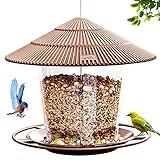
- Watch Birds Love Birds: We focus on researching and developing wild bird feeders, squirrel proof birds feeders for outside hanging. Lightweight build, durable metal rope, and a twist lock that deters squirrels.
- Easy to Use: Open the lid, put the wild bird seeds, sunflower seeds for birds into the bird feeder, close the lid, and then hang the bird feeder under the eaves or in the garden.
- Large Capacity: 8.5 x 7.9 x 7.3 inches. Made of durable, high quality plastic. The clear plastic make it easy to inspect bird seed levels. Hold up to 47 oz bird seeds. Large opening allows for easy refills and clean.
- Clever Design: Inclined roof to help prevent the seeds inside from getting wet. When the seeds are eaten, more seeds will naturally fill the tray. The tray has leaking holes to avoid water accumulation, keep the bird seeds dry.
- Ideal Choice: For your convenience and the health of your garden birds, choose Hanizi wild bird feeder that is easy to fill, empty, and clean. Check the birds feeders once a week and wash it regularly with mild soap and water solution. If you have any questions about bird feeders, please feel free to contact us.
- Use a shallow container rather than a deep tub.
- Add an escape route, such as a stable small rock or twig, so an animal that falls in can climb out.
- Place it where pets cannot reach visiting birds and where cats cannot hide nearby.
- Empty, scrub and refill it regularly. Droppings and algae can contaminate the water.
- Move or remove it if current local wildlife or disease advice says to stop providing communal water.
Do not add milk, sugar, honey, disinfectants or other additives. Clean water, safe access and consistent hygiene are the objective.
Comparing non-food options
| Option | What it provides | Local suitability and effort | Risk controls |
|---|---|---|---|
| Locally indigenous flowering and fruiting plants | Natural food, shelter and cover | Best when matched to local conditions; establishment takes planning and ongoing gardening | Use regionally appropriate species and avoid creating a single crowded attraction point |
| Shallow, clean bird bath | Water, especially during hot weather | Quick to install but requires frequent cleaning and refilling | Provide an escape route, keep away from pets and remove it if local disease advice requires |
| Habitat-restoration support | Landscape-scale food, nesting and refuge | Useful for renters or small gardens; depends on a reputable local project | Follow the project’s biosecurity and access rules |
If you are already feeding birds
During the current H5 instruction, stop routine feeding rather than trying to reduce the portion or move the station. Remove leftover food and clean feeding surfaces without spreading contaminated material around the yard. Keep pets away from areas with accumulations of droppings or spoiled food, and wash your hands after cleaning.
Birds may continue visiting for a while after food is removed. Do not replace food with another kitchen item. Redirect your effort to habitat planting or a properly maintained water source only if those actions are consistent with current local advice.
Independent reader supportYour contribution helps us test, update, and keep practical guides available for everyone.When an emergency may be different
Severe drought, bushfire or flood can remove natural food and habitat. RSPCA Australia says feeding may benefit wildlife in such exceptional circumstances, but local organisations may already be coordinating assistance. An individual household should not create an independent feeding point.
Do these 3 things before closing this tab:
1Clear out junk files and repair common Windows errors2Fix the driver behind crashes, sound loss and screen glitches3Repair Windows errors before they cause bigger problems- Contact the relevant state or territory wildlife-management department and ask whether a feeding response is authorised in your location.
- Contact a recognised wildlife rescue organisation, such as WIRES or Wildlife Victoria, or a local zoo for direction.
- Explain the species, number of birds, visible injuries, habitat conditions and exact location.
- Follow the responder’s food, hygiene, placement and duration instructions; ask when to stop.
- Report sick or dead birds through the channel supplied by the authority, rather than handling them yourself.
If the federal H5 page still says not to feed wildlife, do not treat drought or a personal observation of hungry birds as a general exception. Only a current, locally coordinated instruction changes what you should do.
Best Value
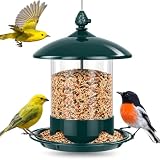
- Sturdy & Durable Metal Construction: The lid and tray are metal with anti-rust coating, thickened PC tube. Slider-lock cap system design can effectively deter squirrels from opening. Weatherproof roof and drainage holes keeps seeds dry in rain, snow
- 360° All-Around Feeding: Holds various types of bird seeds including sunflower seeds and mixed grains. Equipped with 360° seed tray with 4 feeding ports and circular perch supporting multiple birds feeding simultaneously
- Easy to Refill & Clean: Its lightweight build and wide mouth opening facilitates easy filling and clear PC tube enables easy monitoring of seed levels reduces refill frequency and minimizes waste. Designed to be detachable, allowing for thorough washing
- Built for All-Season Use: Ideal for backyards, gardens, decks and trees, hang it from a branch, deck hook or shepherd hook, away from locations where squirrels can easily jump onto it. Extra protection also can be provided by using squirrel baffle
- Designed for Attracting Wild Birds: This hanging metal bird feeder is built to bring cardinals, finches and mixed flocks to your backyard, garden with a steady, clean food source all year round. Perfect for homeowners, gardeners, families and gift buyers
Australian rules are location-specific
BirdLife Australia says feeding native birds must comply with local and state government regulations. It notes that in Western Australia, feeding native fauna, including birds, without a licence is illegal. That rule should not be projected onto every other jurisdiction, and the available guidance does not establish a complete state-by-state legal map.
Before installing a communal feeding or watering point, check your council’s nuisance, public-health and wildlife rules and your state or territory wildlife authority’s current instructions. Strata, rental, park and reserve rules may impose additional restrictions. If you are responding to an injured or displaced bird, use an authorised wildlife service rather than relying on a general internet checklist.
What to do if a bird looks sick or injured
- Keep people and pets back and avoid touching the bird.
- Do not offer food or water unless a wildlife professional instructs you to do so.
- Note the species if you can do so without approaching, the location, symptoms and whether other birds are affected.
- Contact your state or territory wildlife authority or a recognised wildlife rescue organisation for handling and reporting instructions.
- Follow any H5 reporting or exclusion advice issued for your area.
Signs such as unusual lethargy, inability to fly, breathing difficulty, neurological symptoms or multiple dead birds warrant professional advice. A well-intentioned rescue attempt can spread disease or cause additional stress.
What’s actually slowing this PC down?
Pick the symptom - the matching free tool is one click away.
Common questions
Can I feed native birds in my backyard if they look healthy?
Not while the federal H5 advice says not to feed wild birds or animals. Healthy appearance does not show whether a bird is carrying an infection or whether repeated feeding is changing its diet and behaviour.
Is a seed feeder safer than bread?
Neither is a recommended public action during the H5 response. Outside an outbreak, BirdLife Australia still discourages routine feeding because seed can be unsuitable, become contaminated and attract pests; any exceptional feeding should be species-specific and authorised locally.
Can I leave fruit out for parrots?
Do not do so under the current federal instruction. BirdLife Australia’s small-quantity fresh-produce advice is conditional harm reduction for an authorised situation, not a general backyard recommendation.
Should I put out water during summer?
A shallow, clean bird bath with an escape route can provide water, according to RSPCA Australia, but keep it away from pets, clean it regularly and follow current local disease advice. Remove it if authorities advise against communal water.
Who decides whether emergency feeding is allowed?
The relevant state or territory wildlife authority and the local wildlife-response organisations coordinating the incident decide what is appropriate. Ask them before providing food, even when drought, fire or flood has affected birds.
Quick Recap
Product prices and availability are accurate as of the date/time indicated and are subject to change. Any price and availability information displayed on Amazon at the time of purchase will apply.





Leave a Reply