Quick wins for a faster PC:
Scan for outdated or missing drivers - takes under a minuteDriver Scan →Repair Windows errors before they cause bigger problemsFix Now →Fix the driver behind crashes, sound loss and screen glitchesFind Drivers →The Siamese is an active, highly social, short-haired cat for people who want an involved companion—not a quiet pet that is content to be ignored. Siamese cats are known for their blue eyes, pointed coats, athletic build, intelligence, and expressive communication. Grooming is easy; providing enough companionship, climbing, play, and mental stimulation is the real ownership challenge.
The Siamese is an active, highly social, short-haired cat for people who want an involved companion—not a quiet pet that is content to be ignored. Siamese cats are known for their blue eyes, pointed coats, athletic build, intelligence, and unusually expressive communication. They often follow household activity, seek interaction, climb wherever they can, and make their preferences known through a wide range of vocalizations.
As an Amazon Associate I earn from qualifying purchases.
Grooming is relatively easy. The more important ownership challenges are providing daily companionship, interactive play, mental stimulation, and safe vertical territory. A Siamese may be an excellent match for an attentive household, but a poor fit for someone who is away for long periods and wants an independent, quiet cat.
Windows Errors? Fix Them Before They Spread
Repair common Windows errors and clear accumulated junk for a smoother, more stable PC - no reinstall needed.Free scan · no reinstallOutdated Drivers Are Slowing You Down
One free scan finds every outdated or missing driver and matches the right update for your exact hardware.Free scan · exact hardware matchSiamese cat at a glance
| Characteristic | Typical Siamese profile |
|---|---|
| Breed type | Short-haired pedigreed cat breed |
| Size and build | Medium-sized, slender, refined, long-lined, and muscular |
| Coat | Short, fine, glossy, close-lying, and colorpointed |
| Eyes | Almond-shaped and blue |
| Personality | Social, affectionate, active, intelligent, vocal, and attention-seeking |
| Grooming | Low maintenance; weekly combing is generally sufficient |
| Exercise and enrichment | Interactive play, climbing, training, exploration, and puzzle-based activities |
| Reference lifespan | Broadly about 10 or more years; some references list 12–15 years, and some individuals live longer |
These are breed tendencies, not guarantees. Individual temperament and health depend on genetics, early socialization, age, environment, diet, preventive care, and the cat’s own personality.
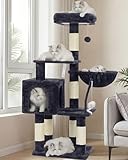
#1 Best Overall

- ENLARGED HAMMOCK - This cat tree is Equipped with a sturdy and spacious square hammock, this large cat tree tower offers a comfortable resting spot for your adult cat. The hammock design allows large cats to lie down, providing a relaxing space for napping and rejuvenation
- SPACIOUS AND COMFORTABLE CAT CONDO - This cat tower provides a spacious cat condo that allows cats to rest, hide, or play comfortably inside. The cat cave is a safe, private space that meets cats' needs
- SISAL ROPE SCRATCHING POST - The cat tower with 4 scratching posts and a scratching board is meticulously lined with durable natural sisal. The rough texture of sisal provides an ideal surface for your feline friends to scratch
- ENLARGED REMOVABLE TOP PERCH - Up to 70 inches tall cat tree includes the enlarged top platform is detachable for easy cleaning and maintenance. Offers a spacious resting and observation area for cats
- DUAL CLIMBING PATHS FOR VARIED ACTIVITY PLEASURES - This cat climbing tower features two upward climbing routes, integrating activity and rest to meet cats' various needs and enhance enjoyment
What does a Siamese cat look like?
The modern Siamese has a distinctive, elegant silhouette. It is medium-sized but appears especially long and fine-boned because of its slender body, long neck, slim legs, small oval paws, and long tapering tail. Despite the refined outline, the breed is muscular and athletic rather than fragile.
Recognizing features include:
- A long, wedge-shaped head
- Large pointed ears that continue the lines of the wedge
- Almond-shaped, deep-blue eyes angled toward the nose
- A short, fine, glossy coat that lies close to the body
- Darker color on the face, ears, legs, feet, and tail than on the main body
Siamese coat colors
The traditional colors recognized in the CFA Siamese standard are:
- Seal point: deep brown to nearly black points
- Chocolate point: lighter brown points
- Blue point: cool blue-gray points
- Lilac point: pale, pinkish-gray points
The pointed pattern is temperature-sensitive: the cooler parts of the body develop darker color, while the warmer central body remains lighter. The body can become darker with age. That change is a normal feature of pointed cats and does not automatically indicate illness.
Is every colorpoint cat a Siamese?
No. “Siamese” can refer to a pedigreed breed, the gene responsible for a pointed pattern, or—informally—the appearance of a pointed cat. Other breeds and domestic cats can have blue eyes and darker points. A blue-eyed colorpoint cat should not be labeled a pedigreed Siamese based on appearance alone. Registration records or reliable pedigree information are needed to establish breed status.
Siamese temperament and personality
Siamese cats are interactive companions. Many want to be involved in whatever their people are doing and may follow them from room to room, sit nearby, ask for attention, or initiate play. They are often affectionate and form strong relationships with household members.
Communication is a major part of the breed’s reputation. A Siamese may use different sounds and tones to request food, play, access to a room, affection, or simply a response. Some are persistently talkative, while others are quieter. “Vocal” is a common breed tendency, not a rule that applies identically to every cat.
Many Siamese are also quick learners. They may enjoy retrieving toys, learning clicker behaviors, solving food puzzles, or participating in short training sessions. Their intelligence can be rewarding, but it also means that boredom may show up as unwanted climbing, persistent attention-seeking, overgrooming, chewing, or other disruptive behavior.
Do these 3 things before closing this tab:
1Scan for outdated or missing drivers - takes under a minute2Clear out junk files and repair common Windows errors3Fix the driver behind crashes, sound loss and screen glitchesRank #2
- Ideal design of structure: Structure of the cat tree is designed according the climbing habits of cats. Two jumping platforms not only increase the active space but also help kitties and older cats to climb up and down
- Stability is the Primary Consideration for A Cat Tower: Sturdy cat climbing frame base, sisal wrapped scratch posts and Anti-toppling devices ensures the security of active kittens and cats playing on the activity centre
- Spacious and Removable Top Perch: The well-padded top platform is suitable for kittens. They can lie on the soft place as a bed to sleep, observe and nap
- Lazy Cats Favorite Basket: Cats naturally like the feeling of being wrapped , which makes them feel safe, therefore a comfortable and strong basket are always necessary
- A Cat teasing stick and Plush Ball for Kittens to Play: The extra cat teaser stick increases the interactive fun of cat and its owner. The toy ball with bell do not make too much noise. It can meet the cats' play needs while not disturbing the owner
Are Siamese cats clingy?
Some are very demanding of company; others are affectionate but more self-directed. The safest expectation is that a Siamese typically wants more social interaction than an independent, low-contact cat. A household should be prepared for the cat to seek engagement rather than assuming it will quietly occupy itself all day.
Can Siamese cats be left alone?
They may cope with ordinary periods alone, but many do poorly when regularly left without meaningful company for long stretches. Long absences can contribute to boredom, anxiety, excessive vocalization, destructive behavior, or stress-related grooming in susceptible individuals.
If everyone in the household works long hours, consider how the cat will receive interaction, exercise, and mental stimulation each day. A compatible cat or other animal may provide company for some Siamese cats, but another pet is not a universal requirement or guaranteed solution. Compatibility, introductions, resources, and the personalities of all animals matter.
Activity, climbing, and enrichment
Siamese cats are agile, athletic jumpers that often enjoy height. They need more than a food bowl and a small floor-level scratching post. A useful home environment gives them opportunities to climb, watch, chase, solve problems, and interact with people.
Recommended Free Tools
Because Siamese cats are athletic jumpers that enjoy height, a sturdy cat tree or elevated perch can give them a safe place to climb, observe, and rest. Choose equipment with a broad, stable base and secure platforms rather than a tall structure that wobbles when the cat lands on it. Position it away from unsecured windows, fragile objects, hot surfaces, and dangling cords.
Practical enrichment ideas
- Provide vertical territory. Use a stable cat tree, window perch, or securely mounted shelves. Multiple levels allow the cat to move, rest, and observe without being constantly disturbed.
- Schedule interactive play. Wand toys, chase games, and retrieving can be more satisfying than leaving out toys that never move. Several short sessions are often easier to maintain than one long session.
- Use food-based problem solving. For a Siamese that needs more mental activity, an interactive puzzle feeder can turn part of mealtime into a problem-solving game. Introduce easy puzzles first, monitor frustration, and account for treats or puzzle-fed food in the daily diet.
- Try training. Some Siamese enjoy clicker training, fetch, target behaviors, or agility-style activities. Keep sessions brief and reward-based.
- Rotate toys. Keeping every toy available all the time can make the collection less interesting. Rotate safe toys and inspect them for loose parts.
- Make exploration safe. Secure windows and balconies, hide or protect electrical cords, anchor unstable furniture, and keep toxic plants and hazardous objects inaccessible.
Enrichment should match the individual cat. A senior Siamese, a kitten, and a cat with a medical condition will not have identical exercise needs. The goal is regular, safe engagement—not forced activity.
Siamese grooming and routine care
The short coat is one of the easier aspects of Siamese ownership. It is fine, glossy, and close to the body, with little need for elaborate grooming equipment. Loose hair can often be removed by hand, while a quick weekly combing helps collect shed hair and provides an opportunity to check the skin.
Rank #3
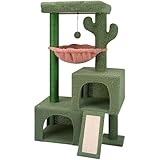
- Dimensions: 12.2x13.8 inch base board, made of high-quality P2 particleboard, featuring a sturdy base
- Multifunctional Activity Center: Multi-level design, spacious cozy condos, perch, and round hammock
- Furniture Protection: 100% sisal-wrapped posts and pad are perfect for scratching, protecting furniture and curtains
- Safe and Reliable: Pet safety is the top priority, with no sharp edges, ensuring cats can play with peace of mind
- Easy to Assemble: Comes with detailed instructions and tools, can be completed in minutes
A simple stainless-steel comb or soft brush is enough for most routine Siamese grooming. It is useful but not essential for every cat. Groom gently, stop if the cat becomes distressed, and avoid treating grooming as a substitute for veterinary examination.
The Tool Desk
Outbyte PC Repair FREERepair Windows errors before they cause bigger problemsFix Now →Outbyte Driver Updater FREEScan for outdated or missing drivers - takes under a minuteDriver Scan →Routine care checklist
- Check the coat and skin for mats, parasites, wounds, scabs, or unusual lumps.
- Look at the ears and eyes for discharge, redness, odor, or other changes.
- Trim nails as needed, using gradual handling and appropriate cat nail clippers.
- Discuss dental care and veterinary-recommended products with a veterinarian.
- Monitor appetite, water intake, energy, grooming, weight, and litter-box habits.
- Keep vaccinations, parasite prevention, identification, and medical records current according to veterinary advice.
A messy coat, sudden increase in grooming, bald patches, appetite changes, reduced activity, or altered litter-box behavior can indicate illness or stress. These signs should be assessed in context rather than dismissed as a breed trait.
Siamese health considerations
Siamese cats are often considered generally healthy, but no breed is free from inherited or acquired health problems. Breed information can help an owner know what to discuss with a veterinarian; it cannot diagnose an individual cat.
Hepatic amyloidosis
Merck Veterinary Manual identifies hepatic amyloidosis as an inherited disease associated with Siamese and Oriental Shorthair cats. The condition involves abnormal protein deposits affecting the liver and can be serious.
Possible warning signs can include:
- Loss of appetite
- Weight loss
- Vomiting
- Increased thirst or urination
- Jaundice
- Fever
- An enlarged liver
- Weakness, collapse, or signs associated with internal bleeding
These signs are not specific to amyloidosis and do not mean that a Siamese has the disease. Diagnosis requires veterinary assessment and may involve blood tests, imaging, and tissue examination. Ask a veterinarian about the appropriate health history and screening considerations when obtaining a Siamese, particularly if related cats have had unexplained liver disease.
Stress-related and behavioral concerns
Some Siamese cats develop anxiety when left alone, excessive grooming that causes hair loss, wool sucking, or pica, which is the ingestion of non-food materials. These issues are not inevitable breed outcomes. They can have medical, nutritional, environmental, or behavioral causes, so chewing or ingestion should not be written off as “just a Siamese habit.”
Contact a veterinarian promptly for a sudden change in appetite, thirst, energy, breathing, grooming, behavior, or litter-box use. Cats can hide early illness. Veterinary guidance commonly treats a cat’s failure to eat properly for 24 hours as a reason to seek prompt care; very young, elderly, or medically vulnerable cats may need attention sooner.
Rank #4

- Thoughtful Structure Design: Structure of the cat tree is designed according to the climbing habits of cats. Two jumping platforms not only increase the active space but also help kitties and older cats to climb up and down
- Stability is the Primary Consideration for A Cat Tower: Sturdy cat climbing frame base, sisal wrapped scratch posts and Anti-toppling devices ensures the security of active kittens and cats playing on the activity centre
- Spacious and Removable Top Perch: The well-padded top platform is suitable for kittens. They can lie on the soft place as a bed to sleep, observe and nap
- Comfortable Basket for Cats: Cats naturally like the feeling of being wrapped, which makes them feel safe, therefore a comfortable and strong basket are always necessary
- Interactive Cat Toys Included: The extra cat teaser stick increases the interactive fun of cat and its owner. The toy ball with bell do not make too much noise. It can meet the cats' play needs while not disturbing the owner
How long do Siamese cats live?
Published reference figures vary. TICA gives a lifespan of 10 or more years and notes that some Siamese cats reach 20 years, while VCA lists approximately 12–15 years. These are broad guidance figures, not promises or a prediction for a particular cat.
Genetics, preventive veterinary care, nutrition, weight management, indoor safety, dental health, and early treatment of disease all influence longevity. A responsible owner should plan for long-term care rather than choosing a Siamese based on a specific lifespan number.
Are Siamese cats good with children and other pets?
They can be. Many Siamese enjoy an active social household and may live successfully with respectful children, other cats, or cat-friendly dogs. Success depends on the temperament and history of each animal, not the breed label alone.
For a safe introduction:
- Give the new cat a separate room with food, water, a litter box, hiding places, and resting areas.
- Allow animals to become familiar with one another’s scent before direct contact.
- Use gradual, controlled visual introductions before allowing closer interaction.
- Supervise children and teach them not to chase, restrain, corner, pull, or disturb a resting or eating cat.
- Provide separate resources—food stations, water, beds, scratching areas, and litter boxes—to reduce competition.
- Slow down or separate the animals if there is persistent fear, aggression, or stress.
A social Siamese may benefit from a compatible companion, but adding another animal should be based on the household’s capacity and the individual cats’ temperaments—not on an assumption that every Siamese requires a friend.
Independent reader supportYour contribution helps us test, update, and keep practical guides available for everyone.What a Siamese cat needs before coming home
Prepare the environment before arrival so the cat has a safe place to settle and the household can establish predictable routines.
- Daily interaction: Time for play, attention, and social contact.
- Vertical space: A secure tree, perch, or shelf system suitable for climbing and resting.
- Enrichment: Interactive toys, training opportunities, and puzzle feeding as appropriate.
- Basic supplies: A species-appropriate diet, fresh water, food and water bowls, litter boxes, litter, scratching surfaces, and comfortable resting places.
- Veterinary transport: Every cat household should keep a secure carrier ready for veterinary visits and emergencies. Let the cat investigate it before it is needed, and keep it accessible rather than bringing it out only for stressful trips.
- Records and identification: Keep adoption or pedigree information, medical records, microchip details, vaccination dates, and emergency contacts together.
- Home safety: Secure windows and balconies, remove toxic substances and plants, protect cords, and check that climbing equipment is stable.
Is a Siamese cat right for you?
A Siamese may be a strong match if you want a cat that:
Free tools Windows power users keep installed
One-click scans. No signup required.
- Participates actively in household life
- Communicates frequently and expressively
- Enjoys interactive play and training
- Uses climbing structures and elevated resting places
- Forms a close social relationship with people
- Needs relatively little coat maintenance
Consider another breed or individual cat if your priority is a very quiet, highly independent companion, or if the cat would routinely be alone for long periods without a realistic enrichment and companionship plan.
Best Value

- MULTI-LEVEL CAT TREE TOWER: This cat tree offers perches, ladders, and a cozy cat condo, creating the ultimate playground where cats of all ages can climb, scratch, nap, and explore freely.
- STURDY CAT FURNITURE DESIGN: Crafted from high-quality materials, this cat tree offers durable cat furniture and secure cat accessories, ensuring stability, comfort, and daily relaxation.
- DURABLE CAT SCRATCHING POSTS: Wrapped in natural sisal, these scratching posts encourage healthy claw maintenance and function as durable cat scratchers for indoor cats while protecting furniture.
- COMFY CAT BEDS & HOUSES: With soft cat beds and spacious cat houses for indoor cats, this tower creates safe hideaways and cozy kitten bed options for rest during day or night.
- INTERACTIVE CAT TOYS INCLUDED: Built-in cat toys keep playtime exciting, while the hanging cat toy promotes exercise, mental stimulation, and provides hours of interactive fun daily.
Before adoption or purchase, evaluate the particular cat rather than relying only on breed expectations. Ask about its socialization, behavior around people and animals, medical history, diet, litter habits, and any known family health concerns. A Siamese can be vocal without being difficult, affectionate without being constantly clingy, and active without being destructive when its needs are met.
Bottom line
The Siamese is a visually distinctive, short-haired cat whose most important characteristic is its social, interactive nature. Its pointed coat and blue eyes attract attention, but ownership succeeds or fails more often on companionship, enrichment, climbing opportunities, safe play, and attentive health monitoring. Grooming is comparatively simple; meeting the cat’s physical and mental needs is the central responsibility.
Frequently Asked Questions
What is a Siamese cat’s personality like?
Siamese cats are often vocal, affectionate, active, intelligent, and strongly people-oriented. Many seek frequent interaction and may follow household members from room to room, although individual temperament varies.
What’s actually slowing this PC down?
Pick the symptom - the matching free tool is one click away.
Are all pointed blue-eyed cats Siamese?
No. A pointed coat and blue eyes do not prove that a cat is a pedigreed Siamese. Other breeds and domestic cats can have the same colorpoint pattern.
How much grooming does a Siamese cat need?
Their short, fine coat is relatively low maintenance. Weekly combing is generally sufficient, and some loose hair can be removed by hand.
Are Siamese cats good family pets?
They can be good with children, cats, and cat-friendly dogs when introductions are gradual, interactions are supervised, and everyone is taught respectful handling. Compatibility depends on the individual animals.
Can a Siamese cat live alone?
Many do not thrive when regularly left alone for long periods. Daily human interaction, play, enrichment, and possibly a compatible animal companion can help, but another pet is not automatically required.
How long do Siamese cats live?
Reference figures vary: TICA states 10 or more years and notes that some reach 20, while VCA lists about 12–15 years. These are general estimates, not guarantees.
What health problems are Siamese cats prone to?
Hepatic amyloidosis is an inherited disease associated with Siamese and Oriental Shorthair cats. Breed association does not diagnose an individual cat; warning signs such as appetite loss, weight loss, vomiting, jaundice, or collapse require veterinary attention.
The Bottom Line
Bottom line: Choose a Siamese if you want an active, communicative companion and can provide daily interaction, vertical space, interactive play, and mental stimulation. The coat is easy to maintain, but the breed is not usually a low-contact, content-to-be-alone cat.
Quick Recap
Product prices and availability are accurate as of the date/time indicated and are subject to change. Any price and availability information displayed on Amazon at the time of purchase will apply.




