
There is no scientifically established list of seven smells that bees “absolutely hate.” The best-supported advice is narrower: avoid perfume, cologne, and scented soaps where bees or wasps are active, stay away from nests, and move calmly around individual bees. Neither ordinary insect repellent nor a household essential oil has been shown in the cited guidance to reliably drive bees away.
Several odors are mentioned in extension and safety advice, but they describe different phenomena. A scent may attract curiosity, trigger an alarm response, or simply be something people are advised not to wear outdoors. None of those observations proves that the odor is a dependable bee repellent.
As an Amazon Associate I earn from qualifying purchases.
Why a “seven smells bees hate” list is misleading
Bees do respond to odors, and their reactions can matter for safety. However, the available university and extension guidance does not provide controlled, side-by-side tests showing that seven particular smells repel bees across species, seasons, or settings. “Avoid this scent” is precautionary advice, not the same as “this scent makes bees leave.”
Do these 3 things before closing this tab:
1Repair Windows errors before they cause bigger problems2Scan for outdated or missing drivers - takes under a minute3Clear out junk files and repair common Windows errorsHoney bees, bumble bees, and other bees do not share identical foraging patterns or defensive behavior. Weather, food sources, nest location, clothing color, movement, and proximity to a colony can all change what happens during an encounter. A smell that is noticeable to one insect or person may have little practical effect in another situation.
#1 Best Overall

- 100% SAFE & NATURAL- Cinnamon and Peppermint oil spray for Most kinds of everyday Bees and Wasps. This Bee Repellent Spray is made up of natural peppermint & Cinnamon Essential oil ingredients found in nature. Safe to use around Children, nursing mothers, kitchens with food out. Helps reduce the quantity of- Bees and Wasps. Indoor and outdoor use. Respray after a rainstorm.
- LONG LASTING SPRAY- Our Natural Wasp & Bee Spray Home- is perfectly formulated with the combination of Peppermint and Cinnamon oils that will last long upon spraying. When regularly used for prevention you will help prevent serious Bee and Wasp outbreaks from happening. When serious outbreaks happen you can spray daily or even a couple of times a day to reduce the number of the Wasps & Bees. 100% Natural Wasp & Bee spray repellent for home.
- CHILD SAFE- Natural Carpenter Bee repellent Spray Outdoor / indoor . This spray will help reduce the amount of those annoying insects off of your deck and patio naturally. You can even spray inside or around food as it is 100% natural from essential oils. 100% natural & organic oils keep the toxins out ;Indoor / Outdoor
- FRESH AND ENERGIZING SCENTS- Make these natural essential oil ingredients zest your home’s exterior or interior with a fresh smell. Have nature do the work for you. After you spray your space it will smell like Cinnamon and Peppermint oil. - If sprayed regularly in a Bee or Wasp infested area they will be greatly reduced in number. Natural Essential oil repellent indoor.
- Made in the United States with love; We are exterminators by trade and know if you use this product correctly, patiently and as stated help reduce your Bee and Wasp problem.
The useful question is therefore not “Which odor can I use as a force field?” It is “Which scented products should I avoid, and what behavior and equipment reduce the chance of a sting?” The seven entries below organize the claims that most often appear in bee-avoidance advice without presenting them as a ranked repellency list.
Seven odors often mentioned—and what they actually indicate
| Odor or scent category | What the cited guidance says | Evidence type | Practical interpretation |
|---|---|---|---|
| 1. Perfume, cologne, and scented soaps | UC Statewide Integrated Pest Management advises avoiding these products when entering an area with bee or wasp activity because insects can be attracted to or react to environmental odors. | Direct avoidance recommendation; not a demonstrated repellent test. | Use fragrance-free personal-care products for hikes, gardening, or work near known activity. This removes an added scent; it does not guarantee that bees will stay away. |
| 2. Floral or citrus aftershaves and perfumes | Oklahoma State University Extension advises hikers to avoid floral or citrus aftershaves and perfumes. The page notes that bees are sensitive to pleasant and unpleasant odors. | Precautionary extension advice; no claim that every floral or citrus product attracts every bee. | Skip strongly scented products in places where bees are foraging. Do not treat a floral or citrus fragrance as a proven lure or repellent. |
| 3. The smell of newly cut grass | Oklahoma State Extension reports that newly cut grass has been shown to rile honey bees. | Reported odor-related agitation, not evidence that the smell repels bees. | If mowing near active bees, postpone the work or increase distance from flight paths. Grass odor is not a safe deterrent to spray or spread around a yard. |
| 4. Banana-like odor | UC Davis Extension describes honey-bee alarm pheromone as smelling like bananas. An Illinois safety page identifies isopentyl acetate in banana as one component of that alarm pheromone. | Explanation of a natural alarm signal; not a household repellent recommendation. | Do not use banana scent to chase bees away. The relevant lesson is to leave calmly if bees become defensive and to avoid disturbing a colony. |
| 5. Smoke | UC Davis Extension explains that beekeepers use smoker smoke to interfere with the release and detection of alarm pheromone during hive visits. | Specialized beekeeping technique under controlled handling conditions. | Smoke from a beekeeper’s smoker is not a general outdoor bee repellent. Creating smoke around a nest, home, or pet area can add fire and respiratory hazards and may provoke unsafe behavior. |
| 6. Citronella | The National Pesticide Information Center says citronella can mask scents attractive to target insects. Its fact sheet does not establish that citronella repels bees. | General explanation of masking odor for target insects; no demonstrated bee-deterrent result in the cited material. | Citronella candles, sprays, and oils should not be advertised or relied on as a bee barrier. |
| 7. Essential oils | The cited guidance does not demonstrate that a generic essential oil keeps bees away. | Evidence not established for a reliable bee-repelling effect. | Do not apply an essential oil to skin, clothing, pets, plants, or a nest on the assumption that it will solve a bee problem. A strong smell is not the same as tested protection. |
What to do instead of trying to repel bees with odor
Remove added fragrance before entering active areas
UC IPM’s clearest practical instruction is to avoid perfume, cologne, and scented soaps in places where bees or wasps are active. Choose an unscented or fragrance-free soap and skip scented aftershave, body spray, and heavily perfumed hair products for that outing. This is a risk-reduction step, not a promise that fragrance-free skin will be ignored by every bee.
Do not confuse “unscented” with a chemical treatment that drives insects away. The goal is simply to avoid adding a noticeable odor to an already active environment.
PC Slower Than It Used to Be?
A free scan shows the junk files, broken settings and background clutter dragging Windows down - then fixes them in one click.Free scan · Windows 10 & 11Outdated Drivers Are Slowing You Down
One free scan finds every outdated or missing driver and matches the right update for your exact hardware.Free scan · exact hardware matchMove calmly around individual bees
A bee flying nearby is not proof that a nest is present or that it is about to sting. Avoid swatting, sudden arm movements, and attempts to trap the insect. If one lands on a person, UC IPM advises remaining calm and allowing it to leave or gently brushing it away with a piece of paper. Running and frantic movement can turn a brief encounter into a fall, collision, or accidental disturbance.
Rank #2
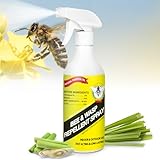
- Wasp spray with natural ingredients: powered by natural plant essential oils, this wasp and hornet spray smell is natural and plant-based and healthy for people and pets. The bee repellent outdoor can repel wasps, bee, carpenter bee and bug
- Simple use method: you can directly spray wasp spray when the bee group is more serious. The wasp spray outdoor infestation can be sprayed on the sponge and place it where bee is present and let home defense bug spray evaporate for a long time
- Friendly for kids and plants: wasp and hornet repellent spray is based on plant-based ingredients and is friendly for children and pets when used as directed. Our bee spray killer outdoor is friendly to spray directly on any plants, flowers and nesting trees where wasps and bee linger
- Bee Spray protect your home: this bee repellent outdoor is effective in repelling and preventing wasps and bee infestation both indoors and outdoors and can be used throughout outdoor areas such as nests under eaves, around carports, doorways, garden, woods and other outdoor areas
- Keep a distance: carpenter bee spray can reach bee up to 30 feet from the ground, keep a suitable distance from the bee when spraying, be care for wasp attacks. Waiting for 24 hours can free you from the trouble of bees
Watch for a fixed flight path
Pay attention to where bees repeatedly fly. UC IPM recommends avoiding places where insects are traveling to and from a specific point, because concentrated traffic may indicate a nest. Do not stand in front of an entrance, block a gap in a wall, or poke at a cavity to identify what is inside. Distance is more useful than a scent experiment.
Use protective clothing when work could disturb a nest
If a task might disturb a colony, UC IPM suggests long pants, a long-sleeved shirt, and a collapsible mosquito or gnat veil. Wear the protection before approaching the area, not after bees are already agitated. Protective clothing and a veil create a physical barrier; they do not depend on an odor that may fail.
Keep pets away from suspected colonies
Dogs and cats can investigate holes, roof spaces, shrubs, or fallen logs without recognizing the danger. Treat a concentrated bee flight path as off-limits to pets and people. Use a leash or keep animals indoors while you arrange professional help rather than testing a fragrance around the nest. Do not put perfume, citronella, or essential oils on an animal as a makeshift deterrent; the cited guidance does not establish that this works.
Why banana odor and smoke are often misunderstood
The banana comparison comes from chemistry and bee communication, not from a recommendation to place bananas near a hive. Honey-bee alarm pheromone includes isopentyl acetate, a compound associated with a banana-like smell. When alarm pheromone is released, it helps nestmates recognize a defensive situation. That is why a banana description appears in safety explanations and in some advice about avoiding banana-scented toiletries. It does not show that banana odor alone will repel a bee, and it does not justify carrying banana-scented products as protection.
Rank #3
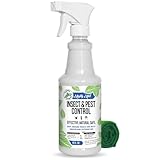
- Pet-Friendly & Family-Safe Formula – Mighty Mint is a top pick for pet parents looking for a natural pest control solution. Safe to use around dogs, cats, and kids when applied as directed—no harsh fumes or dangerous chemicals, just powerful peppermint protection you can trust.
- Powerful Plant-Based Pest Control – Formulated with extra-concentrated peppermint oil, this spray is a proven deterrent for spiders, ants, roaches, and more.
- Effective Indoor & Outdoor Use – Designed for versatile application on baseboards, entryways, patios, and other areas. Helps repel insects from kitchens, bathrooms, living spaces, and more—without staining surfaces.
- Fresh Minty Scent With Long-Lasting Effect – Infused with pure peppermint oil, this formula leaves a crisp, clean aroma that lingers without overwhelming. Free from synthetic fragrances and common allergens, making it a gentle option for scent-sensitive households.
- Ready-To-Use 16 Oz Spray For Targeted Application – Perfect for quick treatments in high-traffic areas, this 16 oz bottle delivers fast, focused pest control against spiders, ants, and other common insects. Pre-mixed and easy to use—just spray and go for natural protection wherever it’s needed most.
Smoke has an equally specific context. Beekeepers use a smoker while visiting managed hives because smoke can interfere with alarm-pheromone release and detection, giving the beekeeper time to work. The technique depends on equipment, timing, experience, and a controlled hive visit. It should not be copied as a home remedy by lighting materials near a wild colony, a house, dry vegetation, or animals.
Independent reader supportYour contribution helps us test, update, and keep practical guides available for everyone.What citronella, insect repellent, and “natural” remedies can—and cannot—do
Citronella is commonly described as masking odors that attract certain target insects. The National Pesticide Information Center does not establish a bee-repelling effect in the cited fact sheet, so a citronella candle or oil should not be treated as a tested perimeter for a patio, apiary, or pet run.
UC IPM is explicit about another common misconception: “Insect repellent applied to your skin or clothing won’t deter these stinging insects.” Products designed for mosquitoes or ticks therefore should not be selected as a bee-control method. Applying more product, combining it with essential oils, or spraying a nest does not turn an unproven approach into a reliable one.
The Tool Desk
Outbyte Driver Updater FREEScan for outdated or missing drivers - takes under a minuteDriver Scan →Outbyte PC Repair FREERepair Windows errors before they cause bigger problemsFix Now →Labels and directions still matter for any pesticide used for its approved purpose. A product’s pleasant smell, “natural” label, or strong scent is not evidence that it is safe or effective around bees, children, or pets.
Rank #4

- FOAMING AEROSOL: Foam expands to where insects live – extension tube lets you spray into hard-to-reach areas
- KILLS CARPENTER BEES: Treats active carpenter bee tunnels – bees distribute the insecticide throughout the nest
- CONTROLS GROUND-NESTING YELLOWJACKETS: Spray foam aerosol directly into holes where yellowjacket activity has been observed
- KILLS ON CONTACT: For best results, spray yellowjackets early in the morning or late in the evening when yellowjacket activity is low
If a bee lands on you or a pet
- Stay as still as practical. Do not slap at the insect or make rapid movements.
- Let it leave, or brush it away gently. UC IPM specifically suggests using a piece of paper if removal is needed.
- Increase distance from concentrated activity. Walk away from the area where bees are repeatedly flying, rather than toward a doorway, hole, or nest entrance.
- Move pets away without forcing a chase. Guide the animal toward a secure indoor or leashed location once you are clear of the flight path.
- Get urgent medical help for a serious reaction. Anyone with known sting allergy should follow their clinician’s emergency plan. UC IPM’s page, updated September 2011, estimates that one to two people out of 1,000 are allergic or hypersensitive to bee or wasp stings; that dated figure is not a current prevalence estimate.
The guidance above is about avoiding additional stings. It is not a substitute for emergency medical advice after a sting, especially when symptoms are severe or rapidly worsening.
What to do when a colony is near your home
A cluster or steady stream of bees around a wall, roof, tree cavity, shed, or other opening is a location problem, not a fragrance problem. Oklahoma State University Extension advises keeping people away and contacting a pest-control operator, beekeeper, or other removal expert instead of attempting removal yourself.
- Keep children and pets out of the area.
- Do not seal the entrance while bees are inside; that can force them into the building or another occupied space.
- Do not pour chemicals, smoke, fuel, or essential oils into a cavity.
- Do not rely on candles, sprays, or scented plants to clear the colony.
- Tell the professional exactly where bees are entering and whether anyone has a known sting allergy.
Professional assessment also helps distinguish a temporary swarm from an established colony. The correct response depends on the location and species, not on finding a stronger smell.
How to read odor advice accurately
When you encounter a claim about a scent, check three questions:
- Is it an avoidance recommendation? “Avoid perfume” means the authority recommends removing a possible trigger; it does not quantify how many stings the step prevents.
- Is it an observed reaction? “Newly cut grass can rile honey bees” describes reported agitation, not movement away from the source.
- Is there a demonstrated repellent effect? The cited material does not provide controlled comparisons showing that any of the seven categories reliably repels bees in ordinary outdoor settings.
Keeping those categories separate prevents a beekeeper’s smoke technique, a pheromone’s banana-like odor, and a fragrance-avoidance tip from being presented as interchangeable products.
Bottom line for hikers, gardeners, and pet households
There are no seven smells that bees are proven to “absolutely hate.” Avoid perfume, cologne, scented soaps, and strongly scented floral or citrus products where bee activity is present. Do not count on newly cut grass, banana odor, smoke, citronella, essential oils, or ordinary insect repellent to drive bees away. Calm movement, distance from nests, protective clothing when disturbance is unavoidable, and professional colony removal provide the practical protection that scent claims cannot.
Quick Recap
Product prices and availability are accurate as of the date/time indicated and are subject to change. Any price and availability information displayed on Amazon at the time of purchase will apply.
What’s actually slowing this PC down?
Pick the symptom - the matching free tool is one click away.





Leave a Reply