Free tools Windows power users keep installed
One-click scans. No signup required.
“Itchy” is a presentation, not a diagnosis. The visit goes better when you treat it that way. Take a full history, examine the patient, collect a minimum dermatologic database, deal with parasites and secondary infection, and book the recheck before the client leaves. This article follows the 2023 AAHA guideline on the management of allergic skin diseases in dogs and cats and turns it into a visit sequence your team can repeat.
Why these appointments feel harder than they are
Allergic skin disease rarely resolves in one visit. Clients often arrive expecting a single answer, a single injection or a single food. Clinicians then feel pressure to name a cause on the spot. The AAHA guideline removes that pressure by making the process explicit: the work-up has defined steps, the management is individualized, and the expectation is ongoing care. AAHA’s executive summary says it plainly: “Clients should be informed that there are likely no quick fixes or cures, only lifetime management strategies.”
The guideline covers three main differentials in dogs: flea allergy, food allergy and atopy. For cats, it covers flea allergy, food allergy and feline atopic skin syndrome. Cats can show different lesion patterns from dogs, so do not assume canine patterns apply.
A five-step visit sequence
1. Build the history before naming the disease
AAHA’s overview lists the history points worth capturing every time:
Quick wins for a faster PC:
Clear out junk files and repair common Windows errorsFree Scan →Fix the driver behind crashes, sound loss and screen glitchesFind Drivers →Repair Windows errors before they cause bigger problemsFix Now →#1 Best Overall
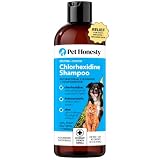
- A HEALING CLEAN : Yes, it’s shampoo for dogs! Yes, it’s shampoo for cats! And yes, it’s shampoo that cleans & heals! It soothes irritated skin, providing itch relief for cats, & dogs. An effective shampoo for dogs with allergies & cats, it promotes a shiny coat, reduces inflammation, & helps heal hot spots. This cat & dog antibacterial shampoo also reduces smelly odors associated with bacteria & fungus. Basically, our cat & dog shampoo for yeast & itching is 16 ounces of a better clean routine.
- FROM THE INSIDE OUT: Made with a veterinary strength formula, our shampoo for dogs with itchy skin & cats is made with soothing aloe & without sulfates, parabens, phthalates, alcohol, & artificial colors. Our shampoo with chlorhexidine & ketoconazole for dogs & cats is a gentle, safe & effective way to help heal skin issues while keeping your pet comfortable & clean.
- THE PET, PET WASH: You know our cat & dog shampoo for sensitive skin provides relief for itchy skin, soothes irritated & inflamed skin, targets smelly odors, & promotes a shiny coat. But did you know that’s it’s the #1 chlorhexidine shampoo on Amazon*? Don’t wait to give your pet the healing wash they deserve. *Based on Stackline Atlas data (had to combine all grooming & other pet health supplies to capture entire market*L52W as of December 2024
- ON THE RIGHT SCENT: Not only does our medicated dog shampoo for itchy skin soothe irritation, promote a health coat & leave your pet feeling fresh & clean, it also has a light cucumber melon scent that helps with unpleasant odors from fungus & bacteria.
- THE HONEST DIFFERENCE: Our products are made with clean, science-backed ingredients for results you can trust, & with no fillers, artificial preservatives, colors, or flavors, you'll have no doubt your dog is getting the best. Proudly supporting pets in need nationwide & using recycled plastic in our packaging, there's also no doubt that we're committed to doing our best. -- All products are made in the U.S.A. | NASC Member Company
- Seasonality of the itch
- Pruritus level and pattern
- Ectoparasite prevention: what product, how consistently, and for all pets in the household
- Age of onset and how the problem has progressed
- Response to prior therapies
Add environment and concurrent medical problems, and review earlier records where you can. The same questions help when a previously stable patient flares, because they show what has changed.
These also work as client-facing prompts. AAHA publishes a client resource framed as questions to ask your veterinarian about an itchy dog. Pet owners search in plain language, such as “Why is my dog so itchy?” or “Why does my pet keep scratching?”, and a short intake form that mirrors these questions saves exam-room time.
Rank #2

- HELPS SUPPORT HEALTHY SKIN - With a wash and soaking of the coat for 5-10 minutes, our powerful ingredients work to help soothe red, scaly, greasy, or smelly skin that may cause your pet discomfort
- FAST ACTING – Works fast to soothe your pet's sensitive skin that may be affected by environmental stressors
- VET-RECOMMENDED – This pet shampoo is pH balanced for your pet's skin and is paraben and soap-free to promote overall skin and coat health without damaging detergents
- FOR DOGS AND CATS – Our cat and dog shampoo is intended for pets over 12 weeks of age. Use twice weekly until skin clears up, then once a week to help maintain skin health
- APPLICATION: This product is intended for topical use only. Read directions carefully before applying to your pet's coat. Test on a small area to avoid further sensitivity before using
2. Examine, then collect the minimum dermatologic database
Do a complete physical examination, with careful attention to skin and ears. AAHA’s minimum database is:
- Skin cytology
- Flea combing
- Skin scrapings
- Ear cytology when ear disease is present
Cytology is the step that finds secondary bacterial or Malassezia disease, which can be a major driver of itch regardless of the underlying cause. A reliable in-clinic microscope and a set routine for slide staining and reading make this step quick enough to do at every itchy visit.
Rank #3

- ANTIFUNGAL MEDICATED DOG SHAMPOO WITH A DELICATE, PLEASANT SCENT: Veterinarian-formulated with hydrocortisone for powerful relief from skin conditions. This medicated dog shampoo combats fungal infections, soothes irritation, and promotes a clean, healthy coat. Provides fast-acting itch relief for dogs suffering from allergies and skin sensitivities.
- MOISTURIZING DOG SHAMPOO FOR ITCHY SKIN RELIEF: Antibacterial and antifungal dog shampoo with oatmeal and moisturizing agents for dry, itchy skin. Reduces scratching, redness, and flakes while restoring skin health. Gentle, medicated formula ideal for dogs with allergies and sensitive skin.
- ANTI-YEAST SHAMPOO FOR DOGS WITH ODOR CONTROL: Powerful antifungal shampoo for dogs targets yeast infection symptoms, including itching, redness, and bad odor. Scientifically formulated to combat canine yeast overgrowth and dermatitis, leaving your dog’s skin balanced, fresh, and odor-free.
- DOG ALLERGY RELIEF SHAMPOO FOR SENSITIVE SKIN: Gentle yet powerful formula manages various types of dog allergies, including environmental and food-related sensitivities. Contains natural anti-inflammatory ingredients, including hydrocortisone, to reduce skin irritation and itching. Hypoallergenic and free from harsh chemicals, making it safe for regular use on allergy-prone dogs.
- HOT SPOT TREATMENT FOR DOGS: Targeted relief for painful and irritating hot spots with fast-acting ingredients. Formulated with antiseptic and analgesic properties to soothe, heal, and protect affected areas. Proven to reduce healing time and prevent the spread of hot spots in dogs.
Do not substitute an allergy panel for this work. AAHA states: “Atopy is a diagnosis of exclusion.” Intradermal or serum allergy testing identifies allergens and is appropriate when immunotherapy is planned. It does not by itself diagnose atopy.
3. Treat what is treatable and relieve the itch
The guideline’s framework includes treating secondary infection, ectoparasites and pruritus where indicated. Parasite control deserves emphasis. For flea allergy dermatitis, the Merck Veterinary Manual states that flea elimination is the first management step and that anti-inflammatory medicines do not replace flea control. AAHA also stresses ectoparasite evaluation in itchy cats.
Rank #4

- CLINICALLY PROVEN RESULTS: DOUXO S3 is proven to show results in as soon as 7 days.
- ANTISEPTIC CHLORHEXIDINE DOG SHAMPOO FOR YEAST AND BACTERIAL SKIN INFECTIONS: Formulated for dogs with bacterial or yeast skin infections – DOUXO S3 PYO chlorhexidine dog shampoo provides an antiseptic cleansing while hydrating the skin.
- #1 TOPICAL BRAND RECOMMENDED BY VETS: Confirmed by veterinary and scientific expertise. DOUXO provides the best and the safest care for your pet.
- ENRICHED WITH OPHYTRIUM: Contains 0.5% Ophytrium, a purified, natural ingredient that helps soothe irritated skin and support skin hydration.
- FREE FROM soaps, sulphates, parabens, colorants, nanoparticles, and phthalates.
Product choice, dose and duration depend on the patient and the current local label. The guideline does not provide a universal ranked product list. It says: “Treating the allergic patient is not one-size-fits-all, and a multimodal approach often yields the best results.”
When you compare options for a given patient, these axes keep the discussion practical:
What’s actually slowing this PC down?
Pick the symptom - the matching free tool is one click away.
Best Value

- CLINICALLY PROVEN RESULTS: DOUXO S3 is proven to show results in as soon as 7 days.
- DOG SHAMPOO FOR ALLERGIES AND ITCHING: Formulated for dogs with sensitive or allergic skin, including those showing signs such as scratching, licking, chewing, or biting — DOUXO S3 CALM dog shampoo helps soothe itchy skin and support skin comfort.
- #1 TOPICAL BRAND RECOMMENDED BY VETS: Confirmed by veterinary and scientific expertise. DOUXO provides the best and the safest care for your pet.
- ENRICHED WITH OPHYTRIUM: Contains 0.75% Ophytrium, a purified, natural ingredient that helps soothe irritated skin and support skin hydration.
- FREE FROM soaps, sulphates, parabens, colorants, nanoparticles, and phthalates.
| Axis | Question to ask |
|---|---|
| Cause addressed | Parasite, food-related disease, atopy or secondary infection? |
| Speed and duration of relief | Is this for an acute flare or long-term control? |
| Monitoring | What rechecks or laboratory monitoring does it need? |
| Patient suitability | Age, comorbidities, species, temperament, other medications? |
| Client adherence | Can this household realistically give it as directed? |
| Cost and access | Is it available and affordable to this client over months or years? |
If food allergy is on the list, plan a supervised elimination diet trial and explain up front that it needs strict adherence for its full duration.
4. Recheck, reassess and set expectations
Tell clients at the first visit that finding the cause may take several appointments and that allergic disease usually needs ongoing management. An occasional flare can occur even in a well-managed patient. When a flare happens or a treatment stops working, repeat the history, examination and minimum database. Do not assume the original diagnosis still explains the current problem; a new infection or a parasite lapse is common.
5. Know when to refer
The AAHA summary recommends considering referral to a veterinary dermatologist when adequate control has not been achieved by the third veterinary visit. Treat that as a prompt to decide, not a fixed rule. Urgency, local access to a dermatologist and the individual case still shape the choice.
Independent reader supportYour contribution helps us test, update, and keep practical guides available for everyone.A quick checklist for the exam room
- History captured: seasonality, pruritus level, prevention, onset, progression, prior responses.
- Skin and ears examined.
- Cytology, flea comb and scrapings done; ear cytology if indicated.
- Secondary infection and ectoparasites addressed.
- Allergy testing deferred unless immunotherapy is planned.
- Client told: prolonged process, multiple visits, lifetime management.
- Recheck booked; referral threshold noted at visit three.
What the evidence does and does not give you
The AAHA guideline is a consensus framework for sequence and approach. It does not give a single prevalence figure or treatment-effect number you need to quote to clients, so avoid citing statistics you cannot trace to a primary study. Read the full guideline and check current drug labels before building protocols from this summary.
Recommended Free Tools
Quick Recap
Product prices and availability are accurate as of the date/time indicated and are subject to change. Any price and availability information displayed on Amazon at the time of purchase will apply.




