The Tool Desk
Outbyte PC Repair FREEClear out junk files and repair common Windows errorsFree Scan →Outbyte Driver Updater FREEFix the driver behind crashes, sound loss and screen glitchesFind Drivers →A cat’s tail injury can be a scraped patch of skin that heals with basic care, or a fractured, torn, or deeply damaged tail with nerve injury that affects the bladder and bowel. The difference is not always visible from the outside. Any tail injury with bleeding that does not stop, deep or crushed tissue, swelling, a limp or immobile tail, or any change in urination needs a veterinarian promptly. Only a minor surface abrasion should be managed at home, and then under veterinary guidance.
What counts as a tail injury
Tail injuries fall into a few distinct groups, and the group determines how urgent the problem is. Surface abrasions and cuts affect the skin and the tissue just beneath it. Fractures and dislocations involve the bones of the tail, called caudal vertebrae. Degloving and severe crush injuries strip or flatten skin and deeper tissue. Traction injuries stretch or tear the nerves that run from the spinal cord into the tail and the pelvic region.
Location along the tail matters as well. An injury at the tip is usually confined to the tail itself. An injury near the base can involve the nerves that control the bladder and bowel, which is why veterinarians pay close attention to the root of the tail whenever trauma is involved.
Common causes and injury types
Abrasions
An abrasion happens when the tail rubs against a rough surface or is briefly caught. The hair is rubbed away and the skin underneath looks red or raw. VCA’s first-aid guidance treats minor abrasions as a case for limited cleaning and light bandaging, with a veterinarian called for excessive bleeding, swelling, or colour change in the tissue.
Do these 3 things before closing this tab:
1Scan for outdated or missing drivers - takes under a minute2Clear out junk files and repair common Windows errors3Fix the driver behind crashes, sound loss and screen glitches#1 Best Overall

- Dog multivitamins chewable for skin & coat : Dog multivitamin is rich in Omega-3 fatty acids and vitamin E,which can relieve skin allergies,dryness,itching and other problems.Multivitamin for dogs nourishes skin follicles.Long-term consumption of dog vitamins multivitamin can make dog hair stronger and smoother,and reduce coat loss.The COQ10 in dog multivitamin chewable can resist oxidation and delay cell aging.Dogs with skin injuries can eat dog vitamins and supplements to promote wound healing
- Dog multivitamin relieves joint inflammation: Dog vitamins for hip and joint can supplement high-quality MSM, glucosamine, and chondroitin sulfate to promote cartilage development and repair. Long-term consumption of dog multivitamins chewable can enhance the elasticity and toughness of joint cartilage, improve joint flexibility, and move more freely. Dog multivitamin chews can reduce joint friction and relieve joint pain. Dog vitamins and supplements can prevent and improve dog joint problems
- Dog multivitamin chews are good for the gut: Vet-endorsed formula dog vitamins and supplements made from natural ingredients.Dog vitamins multivitamin chewables contain a rich blend of probiotics to support intestinal and digestive health.Dog vitamins for small dogs can regulate the balance of intestinal flora,help calcium absorption,and promote bone development.Dog multivitamins chewables improve energy metabolism,converting food into energy, making dogs more energetic in their daily activities
- Dog multivitamin chews protect overall health:Senior dog vitamins and supplements help improve blood circulation and prevent cardiovascular disease.Dog multivitamins chewable support normal liver function,promote liver detoxification,and improve negative mood.For dog with heart problems and older dog,taking dog vitamins and supplements in moderation is an auxiliary health care measure.Dog vitamins multivitamin helps enhance white blood cell activity,improve immunity,prevent infection and disease
- Dog multivitamins chewable promote brain development: The DHA in krill oil in multivitamin for dogs is an important component of the brain and retina. Dog vitamins and supplements can improve dog cognitive ability. When training puppies to learn basic commands, puppies who are properly supplemented with dog vitamins multivitamin will behave more intelligently and improve memory.Dog supplements & vitamins can prevent and relieve eye problems such as dry eyes and tear stains, and keep eyes healthy
Lacerations and bite wounds
A deep cut can expose tissue beneath the skin. Bite wounds carry a particular risk of infection because bacteria are introduced deep into the wound and the surface can look closed. Some cuts need stitches, and bite wounds generally need a veterinary check even when the visible damage seems small.
Fractures and dislocations
A vehicle impact, a bad fall, or a tail caught in a door can damage the caudal vertebrae. Fractures near the base are the more serious type because the spinal nerves that supply the bladder and bowel run close by. A fracture is not always obvious from a kink or a drooping tail, so an X-ray is often the only way to confirm one.
Degloving and severe crush injuries
In a degloving injury, skin and the tissue beneath it are stripped away from the underlying structures. A crush injury flattens or compresses tissue. Both can be contaminated with dirt and debris and cause extensive damage that is not apparent at first. These injuries need prompt veterinary attention and may require surgery or, in severe cases, amputation.
Rank #2
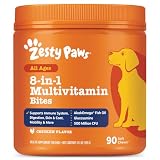
- 8-in-1 Formula - Zesty Paws Multifunctional Bites are functional supplement chews with premium ingredients that support physical performance, antioxidants, hip & joint, heart, immune, skin, liver, & gut health for dogs of all ages, breeds, and sizes.
- Skin Health & Antioxidants – For animals with sensitive skin, this formula contains Cod Liver Fish Oil and Vitamin E to help maintain normal moisture and CoQ10 to help reduce oxidative stress.
- Hip, Joint & Performance Support - Each dog chew features OptiMSM, a premium form of MSM for muscular support, which works synergistically with the Glucosamine HCl and Chondroitin Sulfate in these chews for hip and joint support plus Cod Liver Oil and B-Complex Vitamins support normal physical performance.
- Gut Health & Probiotics - These chews also contain a six-strain Gut Health Blend (500 million cfu per chew) and a Digestive Health Blend to promote gut flora while supporting normal bowel function for dogs.
- Heart, Liver & Immune Health - Multifunctional Bites feature powerful antioxidants, premium CoQ10, Cod Liver Oil and Vitamins A, C, & E to promote healthy cardiovascular function, support liver health and enhance immune response.
Tail-pull (sacrocaudal) injuries
A tail-pull injury happens when a trapped tail is pulled with force, often while the cat is trying to escape. The traction can fracture or displace the bones at the base of the tail and stretch the nerve roots that serve the tail, bladder, and bowel. Affected cats may have a flaccid, unresponsive tail and urinary or faecal dysfunction. Because the force travels through the pelvis, these injuries can occur alongside pelvic, rear-leg, or spinal trauma.
Free tools Windows power users keep installed
One-click scans. No signup required.
Engine-belt injuries
Cats sometimes shelter near the engine of a recently parked car, especially in cold weather. When the engine is started, moving belts can catch the tail and pull it. VCA notes that this can cause paralysis and damage to the nerves that supply the bladder. Prevention is covered in its own section below.
Signs to look for and how urgent they are
Visible signs can include a wound, bleeding, swelling, pain when the tail is touched, an abnormal kink, discolouration, a drooping tail, or an inability to move or raise it. Nerve injury can affect urination and defecation as well as tail movement, so changes in toileting are as important as anything you see on the tail itself. The table below sorts common findings by urgency. It is a guide for deciding whether to call a veterinarian, not a way to diagnose the injury.
Rank #3

- COMPLETE 26-IN-1 DAILY WELLNESS FORMULA: Our advanced multivitamin for dogs is formulated to help support 26 vital nutritional areas as part of a daily routine. With essential vitamins A, C, D3, and E, these gummies help support the immune system and contribute to overall heart and brain health for dogs of all sizes.
- ADVANCED HIP AND JOINT MOBILITY SUPPORT: Formulated with Glucosamine HCl, Chondroitin, and MSM to help support cartilage health, joint flexibility, and everyday mobility — making them a great daily supplement for large breed dogs and active senior dogs.
- SKIN & COAT SUPPORT: Packed with Norwegian Salmon Oil and Biotin, our dog multivitamin helps nourish skin from within and supports a soft, glossy coat. Omega 3 fatty acids contribute to healthy skin and coat as part of a complete daily nutritional routine.
- PROBIOTICS & DIGESTIVE SUPPORT: Features a Six-Probiotic Blend (500 Million CFU) and Digestive Enzymes to help support gut health, smooth digestion, and nutrient absorption. Cranberry Powder is included as part of this comprehensive daily wellness formula.
- UNBEATABLE VALUE 250 COUNT JAR: Our 250-count jar provides lasting daily support in a delicious chicken flavor. Made in the USA in a GMP-certified facility, our soft chews are grain-free and suitable for puppies, adult, and senior dogs alike.
| What you notice | What it may indicate | What to do |
|---|---|---|
| Hair rubbed off, red skin, no significant bleeding | Minor abrasion | Limited cleaning and light bandaging may be appropriate; call a veterinarian if it worsens or the tail is not moving normally |
| Bleeding that is heavy or does not stop | Significant wound or vessel injury | Wrap the tail in a towel and take the cat to a veterinarian promptly |
| Deep wound, bite, or open tissue | Laceration or infection risk | Veterinary assessment |
| Swelling, discolouration, or a new kink | Possible fracture, dislocation, or tissue damage | Veterinary assessment; do not straighten the tail |
| Drooping tail or inability to move or raise it | Possible nerve injury | Veterinary assessment |
| Trouble urinating, or inability to urinate | Possible bladder-related nerve injury | Immediate veterinary care |
| Changes in bowel movements | Possible nerve involvement | Prompt veterinary assessment |
| Vehicle trauma or a severe fall | Injuries beyond the tail are possible | Prompt veterinary assessment of the whole cat |
What to do before reaching the clinic
- Keep the cat confined and calm in a carrier or small room so that it cannot move around and worsen the injury.
- Do not manipulate, straighten, or bend the tail, and do not test whether the cat can feel it. Handling can cause further damage to a fractured or nerve-injured tail.
- If bleeding is present, wrap the tail in a towel while you travel to the veterinarian, as VCA advises.
- Tell the veterinarian about the circumstances, including whether the tail was caught in a door, pulled, or run over, and whether the cat has urinated or passed stool since the injury.
Home care is limited to minor abrasions. For anything more serious, the veterinarian should direct care, and no medication should be given without veterinary instruction.
What the veterinary assessment involves
The veterinarian will look at the wound and assess how the tail moves and whether it responds to touch. The neurological and urinary examination matters as much as the tail itself. Radiographs are used when a fracture or displacement is suspected, because the bones of the tail and base cannot be judged reliably by eye.
What’s actually slowing this PC down?
Pick the symptom - the matching free tool is one click away.
Tail-pull injuries are often accompanied by damage elsewhere. A pelvic fracture or sacroiliac dislocation, a broken rear leg, or a spinal fracture can occur alongside tail injury, so a thorough examination looks beyond the tail. The veterinary review published in PubMed Central describes how pelvic trauma can involve neurological damage, disruption of the urinary tract, and fractures, and why these need to be assessed together.
Rank #4

- Joint Health Supplement for Dogs: Cosequin is the #1 vet recommended retail joint health supplement brand, supporting joint health in dogs for over 25 years
- Contains Glucosamine for Dogs: Cosequin contains glucosamine hydrochloride (FCHG49) and sodium chondroitin sulfate (TRH122), plus methylsulfonylmethane (MSM). This unique combination of ingredients supports healthy joints
- For Any Breed or Size: Whether you have a young or senior dog, a small or large breed, Cosequin helps support their joint health
- Tasty Chews for Daily Use: Cosequin comes in a tasty chewable tablet, making daily administration easy and convenient
- Exceptional Quality: Cosequin is backed by science, undergoing thorough quality inspections to ensure your dog receives a safe, high-quality product. It is manufactured in the United States with globally sourced ingredients
Treatment by injury type
Minor abrasions
Minor abrasions are cleaned and protected. If a bandage is applied, VCA mentions that an Elizabethan collar (cone) may help deter chewing at the dressing. A cone is an aftercare accessory only; it does not treat the injury, and its use should follow a veterinarian’s advice.
Deep wounds
Deep wounds may need cleaning, antibiotics, pain relief, or sutures. Bite wounds in particular are treated with infection in mind. Which drugs and doses are appropriate depends on the individual cat and must be set by a veterinarian.
Fractures, crush injuries, and degloving
Fractures and severe tissue injuries may need surgical repair. Where tissue is too damaged to save, or the nerve injury leaves the tail unusable, amputation may be recommended. A veterinarian will weigh the damage, the cat’s overall condition, and the presence of other injuries before advising on surgery.
Quick wins for a faster PC:
Clear out junk files and repair common Windows errorsFree Scan →Fix the driver behind crashes, sound loss and screen glitchesFind Drivers →Best Value

- Itch & Allergy Relief with Omega-3 for Dogs - with 500mg of Omega (EPA+DHA) per serving, our chewable supplement helps with hot spots, dry itchy skin, ease itching, irritated skin, stops shedding.
- Skin & Coat + Hip & Joint Supplement Combined - Omega 3 is a vital element to keep your pet active, support healthy hip and joints, brain, heart, immune health. Can be served with regular pet food.
- Bark&Spark Commitment - we are keen to give best to our furry customers and we take NO compromise when it comes to product quality. Our omega 3 bites are made in the USA, with human grade ingredients.
- Up to 3 Month Supply - with 180 salmon oil treats per jar you keep your pet healthy while not spending a fortune on overpriced supplements. Best value.
- Is Your Dog a Picky Eater? We stick to simple formulas rich in natural flavors, that could tempt a fussy eater. No hassle with pills, powder, tablets or capsules.
Tail-pull and nerve injuries
Management of a tail-pull injury depends on nerve function, and recovery varies. A nerve that has been bruised or stretched has a different outlook from one that has been completely severed. Bladder and bowel function need particular attention, and the veterinarian will monitor them as part of treatment.
Prognosis and what the evidence shows
Prognosis depends on the type of injury and on the extent of nerve damage. Owners should not be told that bladder or tail function will return, because outcomes differ from cat to cat.
A 2017 PubMed-indexed study reported on primary stabilisation for tail avulsion in 15 cats. It was a retrospective review of cats that had tail avulsion and had lost pain perception in the tail. Cats with open fractures, wounds requiring amputation, or transection of the caudal nerve root were excluded. Eleven of the 15 cats recovered voluntary tail movement and sensation within 14 to 90 days, with a mean of 39 days. Five of the eight cats that had been urinary-incontinent regained continence within a month. The authors stated that a comparison study was needed to determine whether this approach did better than conservative management.
These results describe a small, selected group of cats treated at one point in time. They are not a general forecast for tail injuries, and they cannot tell an individual owner what to expect.
What the tail-pull statistics do and do not show
Veterinary Partner, reporting on tail-pull injuries in cats, cites a study presented at the 2016 World Small Animal Veterinary Association Congress. According to that report, pelvic fractures or sacroiliac dislocations were associated with 46% of tail-pull injuries, broken rear legs with 18%, and additional spinal fractures with 11%. These figures apply only to tail-pull injuries in that study. They should not be read as the rate of other kinds of tail injury, and no reliable broad figure for how often cats injure their tails was identified.
Preventing engine-belt injuries
In cold weather, bang firmly on the hood and honk the horn before starting a car. VCA recommends this to alert any cat sheltering near the engine so that it can move away before the belts start.
Quick Recap
Product prices and availability are accurate as of the date/time indicated and are subject to change. Any price and availability information displayed on Amazon at the time of purchase will apply.




