Tetanus is uncommon in dogs, but a suspected case is urgent and can become life-threatening. After a deep, puncture, contaminated, bite, nail, foot, oral, or otherwise suspicious wound, contact a veterinarian promptly. If your dog develops worsening stiffness, muscle spasms, trouble opening or closing the mouth, difficulty swallowing, collapse, inability to stand, or abnormal breathing, go to an emergency veterinary hospital immediately.
Tetanus cannot be reliably diagnosed or treated at home. A veterinarian may need to manage the wound surgically, prescribe antimicrobial treatment, give antitoxin, control painful spasms, and provide intensive nursing or breathing support. This article is veterinary health information, not a substitute for an examination.
As an Amazon Associate I earn from qualifying purchases.
What is tetanus in dogs?
Tetanus is a neurologic disease caused by a neurotoxin produced by Clostridium tetani. The organism forms spores that are widespread in soil, dust, animal feces, and the gastrointestinal tracts of animals.
Quick wins for a faster PC:
Fix the driver behind crashes, sound loss and screen glitchesFind Drivers →Clear out junk files and repair common Windows errorsFree Scan →Scan for outdated or missing drivers - takes under a minuteDriver Scan →Infection usually begins when spores enter damaged tissue. A deep puncture or another wound can trap bacteria in a low-oxygen environment, particularly when tissue is crushed, contaminated, or beginning to die. The bacteria generally remain localized in the wound while the toxin affects the nervous system.
#1 Best Overall

- GENTLE WOUND CLEANSING: Safe, effective saline wound wash designed to cleanse superficial abrasions and minor cuts. Helps remove dirt and debris without harsh additives for everyday first aid care.
- STERILE 0.9% SOLUTION: Sterile saline wound wash 0.9% sodium chloride made with USP grade water. Preservative free normal saline wound wash in a 6.3 oz. can for single unit use.
- VERSATILE FIRST AID USE: Ideal saline wound cleaning spray for home, travel, camping, sports bags, and playgrounds. Supports convenient care for adults and children when minor skin injuries occur.
- SPRAYS ANY DIRECTION: Innovative spray system delivers a steady stream even when inverted. Allows precise application as an individual saline wound cleanser to hard to reach areas.
- READY TO USE CAN: Simple saline wound wash requires no mixing or measuring. Portable, lightweight aerosol design makes this sterile saline wash easy to store and access when needed.
Dogs are less susceptible to tetanus than people and horses, so canine tetanus is rare or uncommon. It is nevertheless possible, and dogs can develop either localized tetanus, affecting muscles near the wound, or generalized tetanus, affecting much of the body.
Does every dirty wound cause tetanus?
No. A dirty wound does not automatically mean that a dog will develop tetanus. The spores are common in the environment, but disease depends on factors such as the depth and condition of the wound, trapped contamination, devitalized tissue, and whether an anaerobic, low-oxygen environment allows the bacteria to multiply.
Risk is more concerning with deep punctures, nail or foot injuries, bites, wounds containing soil or foreign material, oral wounds, and injuries that are difficult to see or clean. The entry wound may be tiny, hidden beneath fur, already closed, or apparently healed by the time neurologic signs appear.
How soon do tetanus signs appear?
The incubation period is variable, so there is no reliable single cutoff after which a wound can be considered risk-free. Veterinary references describe onset anywhere from several days to several weeks after injury.
- VCA reports that signs most commonly appear about 5–10 days after the wound, with reported cases occurring as early as three days or as late as three weeks.
- The Merck Veterinary Manual describes an incubation period of one to several weeks, commonly around 10–14 days.
A dog can therefore seem normal for days after an injury and still need veterinary assessment if concerning signs develop. A wound that has healed does not rule out tetanus.
Signs of tetanus in dogs
The first signs often involve stiffness or rigidity near the wound. Disease may remain localized, or it may spread and become generalized. Early veterinary attention matters because severe spasms, swallowing problems, overheating, aspiration, and respiratory failure can develop.
Early or localized signs
- Stiffness or rigidity in one limb or in the muscles around an injury
- An unusually stiff or awkward gait
- Tight, trembling, or intermittently contracting muscles
- Stiffness of the jaw, neck, hind limbs, or muscles near the wound
- Increased sensitivity to touch, sound, movement, or handling
- Difficulty chewing or grasping food if the jaw muscles are involved
Localized tetanus can improve without becoming generalized, but it can also progress. A stiff limb after a wound is not something to monitor casually or assume is only soreness.
The Tool Desk
Outbyte PC Repair FREERepair Windows errors before they cause bigger problemsFix Now →Outbyte Driver Updater FREEFix the driver behind crashes, sound loss and screen glitchesFind Drivers →Generalized signs
When the toxin affects more of the nervous system, a dog may develop:
- Rigidity throughout the body
- A stiff, extended posture or difficulty bending the limbs
- Painful or sustained muscle spasms
- Spasms triggered by a sudden sound, touch, bright activity, or movement
- An exaggerated response to handling or environmental stimulation
- An extended tail and erect ears
- A wrinkled forehead or contracted facial muscles
- Retracted lips and a fixed or partly open mouth
- The classic lockjaw-like appearance
A dog with tetanus is generally not unconscious simply because it is rigid or having spasms. The animal may remain aware while being unable to move normally. This does not make the condition less serious: awareness combined with painful, uncontrollable spasms can be extremely distressing, and complications can be fatal.
Rank #2

- STERILE SALINE PIERCING AFTERCARE SPRAY: Sea Salt Saline Spray for All Piercings. Fine Mist Cleaning Spray Keeps Your New Piercing Fresh and Comfortable Every Day - Ear, Nose, Septum, Belly Button, Cartilage, Nipple, Tragus, Helix, Daith, Eyebrow, Lip, Dermal, Industrial
- PIERCING BUMP CARE: Daily Saline Wash Helps Soothe Irritated Skin, Calm Visible Redness and Clean Around Bumps on New or Existing Piercings. Gentle No Sting Formula Creates a Naturally Clean Environment for Your Piercing - Enjoy a Smoother, More Comfortable Piercing Experience
- EARRING CLEANER FOR PIERCED EARS: Convenient Travel Size Spray Helps You Avoid Touching Your Piercing - Simply Spray Directly and Allow to Air Dry. Pairs With BodyJ4You Piercing Bump Solution Drops for Complete Care of Fresh Ear, Nose and Body Piercings at Home or on the Go
- HOW TO CLEAN A NEW PIERCING: Wash Hands First, Then Spray Saline Mist Directly on Front and Back of Your Piercing. Air Dry or Pat Dry With Clean Paper Towel, No Need to Rotate Jewelry. Use 2 to 6 Times Daily - One 2 Fl Oz Bottle Lasts About a Month of Twice Daily Piercing Care
- NATURAL INGREDIENTS - NO ALCOHOL: Sodium Chloride Sea Salt Solution With Aloe Vera, Tea Tree Oil, Rosemary and Vitamin E. No Preservatives, No Additives, Lab Tested in a Certified Facility to Meet High Quality Standards. Created by Piercing Professionals Trusted Over 20 Years
Emergency signs
Seek emergency veterinary care immediately if a dog with a recent wound or possible injury develops any of the following:
- Rapidly worsening stiffness or repeated spasms
- Difficulty opening or closing the mouth
- Difficulty swallowing, choking, or excessive salivation
- Inability to eat or drink safely
- Inability to stand, collapse, or severe weakness
- Abnormal, labored, or noisy breathing
- A very high temperature, especially with continuous muscle contraction
- Spasms repeatedly triggered by sound or touch
Severe tetanus can cause aspiration pneumonia, obstruction of the larynx, overheating from constant muscle activity, and respiratory failure. These complications require veterinary monitoring and cannot be safely managed with home observation.
Free tools Windows power users keep installed
One-click scans. No signup required.
What to do if you suspect tetanus
- Call a veterinarian promptly. Explain the wound or possible exposure, when it occurred, and every sign you have observed. Tell the clinic if the dog is spasming or having trouble swallowing so the team can prepare for a low-stimulation arrival.
- Use emergency care for neurologic signs. Worsening stiffness, spasms, jaw problems, swallowing difficulty, collapse, inability to stand, or breathing changes warrant an emergency hospital rather than a routine appointment.
- Keep stimulation low. Handle the dog as little as possible. Keep the environment quiet and dim, avoid sudden movement, and prevent unnecessary touching because noise, bright light, and touch may trigger spasms.
- Do not force anything by mouth. Do not force food, water, oral medication, or wound products if swallowing is abnormal or spasms are occurring. A dog that cannot swallow normally can aspirate.
- Do not probe or seal a deep wound. Do not dig for a foreign object, squeeze a puncture, close a contaminated wound, or apply an occlusive dressing that traps contamination before a veterinarian has assessed it.
- Do not improvise treatment. Household wound products, hydrogen peroxide, alcohol, essential oils, leftover antibiotics, human muscle relaxants, and home antitoxin are not substitutes for veterinary wound surgery and medical care.
If the dog has a suspicious wound but no neurologic signs, prompt veterinary evaluation is still the safest course. The veterinarian may be able to find and treat a small puncture or contaminated pocket before a serious infection becomes established.
How veterinarians diagnose tetanus
There is usually no dependable at-home test for tetanus. Veterinarians commonly make a presumptive diagnosis from the combination of characteristic stiffness or spasms, the pattern of neurologic signs, and a history of trauma or a wound. The original wound may be absent, hidden, or healed, so not finding it does not exclude tetanus.
Tests for the bacterium or its toxin can sometimes be attempted. For example, a veterinarian may submit material from a wound for testing such as PCR. However, detection is not consistently reliable, and treatment should not be delayed while waiting for a test that may be negative.
Additional tests may be used to assess the dog’s condition, identify complications, and rule out other causes. Depending on the presentation, the veterinary team may recommend:
Do these 3 things before closing this tab:
1Scan for outdated or missing drivers - takes under a minute2Clear out junk files and repair common Windows errors3Fix the driver behind crashes, sound loss and screen glitches- Bloodwork and urinalysis
- Electrocardiography to monitor the heart
- Chest radiographs if aspiration or respiratory complications are suspected
- Other imaging or neurologic tests when indicated
Other conditions can look similar
A rigid or spasming dog does not automatically have tetanus. Important alternatives include strychnine or another neurotoxic exposure, low blood calcium, spinal trauma, seizures, meningoencephalitis, and primary muscular disease. A veterinary examination is needed to distinguish these problems because their treatments and urgency may differ.
How tetanus is treated in dogs
Treatment is multimodal and depends on whether the disease is localized or generalized, how severe the spasms are, how quickly the dog was treated, and whether swallowing or breathing is affected. The following treatments belong under veterinary direction.
1. Wound exploration and debridement
The veterinarian may search for the entry wound, open or drain an infected pocket, flush the area thoroughly, and surgically remove dead or devitalized tissue. This reduces the bacterial burden and removes tissue in which Clostridium tetani can continue producing toxin.
Rank #3

- Advanced PHMB Wound Cleansing Formula — Powered by PHMB, supports effective wound cleansing by helping remove debris and residue. Helps maintain an optimal wound environment.
- Sting-Free and Odorless — Gentle approach to wound cleansing without irritation. Comfortable for sensitive skin
- pH-Balanced for Skin Health — pH 5.5 formula. Free from harsh alcohol, iodine, or irritating additives
- Long Shelf Life — 2-year shelf life with 8 weeks stability after opening
- Versatile Wound Care Solution — Perfect for cleansing minor skin abrasions, small cuts. An excellent addition to home first aid kits
A wound can look minor on the surface while extending deeper. That is why rinsing the visible skin at home cannot replace examination, wound exploration, or debridement when indicated.
Windows Errors? Fix Them Before They Spread
Repair common Windows errors and clear accumulated junk for a smoother, more stable PC - no reinstall needed.Free scan · no reinstallCrashes, No Sound, or Screen Glitches?
Random freezes, missing sound and display glitches usually trace back to one bad driver. Find and replace yours safely.Free scan · under a minute2. Antimicrobial treatment
Veterinarians may prescribe antibiotics to control the underlying bacterial infection and reduce additional toxin production. Penicillin G and metronidazole are examples discussed in veterinary references, but the appropriate drug, route, duration, and monitoring depend on the individual patient and wound.
Antibiotics do not neutralize toxin that has already attached to nerve tissue. Never select a drug or dose from a household supply, use leftover medication, or give a human prescription without explicit veterinary instructions.
3. Tetanus antitoxin
Tetanus antitoxin may reduce the severity of disease when given early, before circulating toxin has attached to nerve cells. It cannot reliably reverse toxin that is already bound to nerve tissue.
Antitoxin can cause significant adverse reactions, including a risk of anaphylaxis. The veterinarian must decide whether it is appropriate, select the product, administer it safely, and monitor the dog. Home use is not an appropriate alternative.
Recommended Free Tools
4. Medication to control spasms
Sedatives, tranquilizers, benzodiazepines, muscle relaxants, or other medications may be used to reduce spasms and nervous-system overexcitability. Drug selection and dosing are individualized. Excessive sedation can worsen respiratory depression, so these medications require professional monitoring.
5. Supportive and intensive nursing care
Moderate or severe cases may need hospitalization for:
- Intravenous fluids
- Nutritional support or a feeding tube when swallowing is unsafe
- Regular repositioning and soft, clean bedding
- Monitoring and prevention of pressure sores
- Oxygen, airway management, or ventilatory support if breathing is compromised
- Treatment and monitoring for aspiration pneumonia or other complications
- A dark, quiet, low-stimulation environment
The goal is to limit stimuli that trigger spasms while supporting the dog until the toxin’s effects diminish. A dog that cannot swallow or breathe normally may need intensive care even if it remains conscious.
Prognosis and recovery
The outlook depends strongly on whether tetanus remains localized, the severity at presentation, how quickly treatment begins, and whether respiratory, swallowing, overheating, or aspiration complications develop. Localized disease generally carries a better outlook than severe generalized disease.
Rank #4
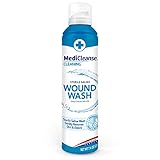
- MediCleanse Sterile Saline Wound Wash: Provides a safe, gentle, and effective way to cleanse minor wounds, scrapes, burns, as well as piercings without stinging or burning
- Promotes Healing: MediCleanse sterile saline wound wash aids in the removal of debris, dirt and foreign material from wounds and promotes healing
- No Stinging or Burning: MediCleanse Sterile Saline Wound Wash is safe to use for all ages, does not contain alcohol, preservatives or fragrances and its PH balanced formula will not sting or burn
- No Hassle 360 Spray Bottle: MediCleanse Antiseptic Wound Spray and Wound Care Spray can be used at any angle providing a soft mist that can easily be applied to all areas of the body
- Made in USA and FDA Registered: All MediCleanse Products are proudly manufactured in the USA in an FDA Registered Drug Facility to ensure safety and efficacy
Many dogs with localized, self-limiting disease improve with early treatment. VCA reports that improvement may become visible within about a week, while full recovery often takes three to four weeks. Other veterinary references describe a convalescent period of approximately two to six weeks in animals that recover. Recovery can therefore be gradual rather than immediate, and some dogs need prolonged nursing care.
A retrospective study of 42 dogs treated between 2006 and 2020 reported that 32 survived to discharge and 10 did not. The dogs that did not survive were more likely to be younger, to have a shorter interval between the onset of typical signs and presentation, to have more severe disease, elevated temperature, and respiratory complications. This was a retrospective case series, not a guarantee or individualized survival estimate for a particular dog.
Protective immunity also does not reliably develop after a dog recovers. Ask the veterinarian whether active immunization should be considered after recovery; the product, timing, species considerations, and local veterinary practice all matter.
Independent reader supportYour contribution helps us test, update, and keep practical guides available for everyone.Preventing tetanus in dogs
Prompt wound care is the most useful prevention
The most practical preventive step is to have suspicious wounds evaluated quickly. A veterinarian may flush, explore, drain, debride, and otherwise manage the injury before an anaerobic infection becomes established.
Arrange prompt veterinary care for a wound that is:
- Deep, punctured, or caused by a nail
- Located on the paw, foot, mouth, or another difficult-to-see area
- Caused by a bite
- Heavily contaminated with soil, feces, or foreign material
- Associated with crushed or damaged tissue
- Bleeding, swollen, painful, draining, or difficult to inspect
- Already closed over but suspected to contain contamination or a foreign body
During transport, protect yourself from contaminated material and gently prevent additional contamination if this can be done without provoking the dog. Do not delay care while trying multiple household products, and do not seal a dirty puncture with an occlusive dressing before veterinary assessment.
Is routine tetanus vaccination recommended for dogs?
Routine tetanus vaccination is generally not recommended for companion dogs. Dogs rarely develop tetanus compared with people and horses, and standard preventive care does not ordinarily include a canine tetanus vaccine.
That does not mean vaccination is impossible or that a vaccinated dog cannot develop tetanus. In unusual high-risk situations, a veterinarian may consider active immunization or passive antitoxin on a case-specific basis. WSAVA guidance notes that tetanus vaccination in high-risk situations may involve veterinary off-label use of an equine vaccine. Product availability, legal requirements, species suitability, and veterinary practice vary by country.
What’s actually slowing this PC down?
Pick the symptom - the matching free tool is one click away.
Owners should not purchase or administer an equine vaccine, antitoxin, or any other tetanus product without veterinary direction. A veterinarian may also discuss immunization after recovery because recovery does not reliably create dependable protective immunity.
Best Value
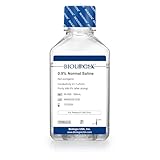
- 0.1 Micron Filtered Saline Solution:0.9% sodium chloride solution sterilized through 0.1μm filtration for laboratory research, sample preparation, and scientific applications requiring reliable sterile saline solution
- High Purity Formula: Prepared with purified water and sodium chloride, no additives, main component of physiological saline is sodium chloride, with a molecular weight of 58.44 and a molecular formula of NaCl, Purity ≥99.5% (after drying), supporting consistent laboratory performance
- Ready-to-Use Buffer – Pre-mixed 0.9% normal saline solution sterilized through a 0.1μm filtration process, eliminating additional dilution or mixing steps while supporting reliable pH stability at 7.4±0.1 for laboratory research, sample preparation, and scientific applications
- Quality Tested & Traceable – Each batch is evaluated for key quality attributes with documentation available to support reliable and consistent laboratory use; Includes individually sealed 500ml bottles
- Low Endotoxin Processing – The packaging bottle is made using an advanced one-step injection molding process, which minimizes air exposure, ensures the highest level of purity and reliability, Free of DNase, RNase, Protease & Pyrogens
What belongs in a dog first-aid kit?
A basic dog first aid kit can help you protect a wound temporarily while arranging care. Useful supplies may include gloves, gauze, clean dressings, and a sterile saline wound wash for gentle surface cleansing when a veterinarian advises or while you are preparing to travel.
Saline is only a temporary cleansing aid. It does not kill all bacteria in a deep wound, remove dead tissue, neutralize tetanus toxin, replace antibiotics, or prevent an established case of tetanus. Do not use a first-aid kit as a reason to postpone veterinary assessment, particularly for a puncture, bite, nail injury, heavily contaminated wound, or any wound followed by stiffness or spasms.
Common misconceptions about canine tetanus
- My dog’s wound is tiny, so tetanus is impossible.
- A small or hidden wound can be the entry point, and the original injury may heal before signs appear. Size alone does not establish risk.
- The wound has healed, so it cannot be related.
- Neurologic signs may appear after the surface wound is no longer obvious. Tell the veterinarian about any recent injury, even if it looks resolved.
- A rigid dog must have tetanus.
- Tetanus is one possibility. Toxins, low calcium, spinal injury, seizures, inflammation of the brain or spinal cord, and muscle disease can look similar and require different treatment.
- Antibiotics alone will cure the problem.
- Antibiotics address the underlying bacteria but do not neutralize toxin already attached to nerve tissue. Wound treatment, spasm control, antitoxin decisions, and supportive care may also be necessary.
- Home wound products can prevent or cure tetanus.
- Temporary surface cleansing may reduce contamination, but household products cannot replace veterinary examination, debridement, prescription treatment, antitoxin decisions, or emergency support.
This article reflects information summarized from the Merck Veterinary Manual, VCA Animal Hospitals, WSAVA guidance, and a retrospective case series of 42 dogs. Veterinary decisions and product availability may vary by country and by patient.
Frequently Asked Questions
Can dogs get tetanus?
Yes. Tetanus is uncommon in dogs because they are less susceptible than people and horses, but it can occur when Clostridium tetani spores enter a deep, contaminated, or damaged wound. Dogs may develop localized stiffness or generalized spasms.
How quickly do tetanus signs appear after a wound?
Timing varies. Reported onset ranges from about three days to three weeks, while commonly described periods include 5–10 days or approximately 10–14 days. A healed wound does not rule out tetanus.
Can tetanus in a dog be treated at home?
No. Suspected tetanus requires veterinary assessment. Treatment may include wound debridement, prescription antimicrobials, carefully selected antitoxin, medication to control spasms, and hospital support for swallowing or breathing problems. Do not give human medication, leftover antibiotics, or home antitoxin.
Should dogs receive routine tetanus vaccinations?
Routine tetanus vaccination is generally not recommended for companion dogs because canine tetanus is rare. A veterinarian may consider active immunization or antitoxin for an unusual high-risk situation, and owners should not administer an equine or other tetanus product themselves.
What if the wound has already healed?
A healed or difficult-to-find wound does not exclude tetanus. If stiffness, spasms, jaw problems, swallowing difficulty, or unusual sensitivity develops after a wound, contact a veterinarian immediately and use emergency care for severe signs.
Is every stiff dog suffering from tetanus?
No. Tetanus is one possible cause of rigidity or spasms. Toxic exposure, low blood calcium, spinal trauma, seizures, meningoencephalitis, and muscular disease can produce similar signs, so professional diagnosis is essential.
The Bottom Line
Bottom line: Tetanus in dogs is rare but potentially severe. Have deep, puncture, bite, nail, oral, heavily contaminated, or hard-to-see wounds examined promptly. If stiffness, spasms, jaw or swallowing difficulty, inability to stand, collapse, or breathing changes appear, minimize stimulation and seek emergency veterinary care. Do not try to treat tetanus with household wound products, leftover medication, or home antitoxin.
Quick Recap
Product prices and availability are accurate as of the date/time indicated and are subject to change. Any price and availability information displayed on Amazon at the time of purchase will apply.




