The best animal adoption and rescue stories are not stories of instant transformation. They are stories of careful intervention, an honest match, patient adjustment, and the people who keep showing up. A shelter animal may need medical treatment, a foster home, behavioral support, a compatible household, or simply more time than a busy shelter can provide. The happy ending begins when those needs are understood rather than overlooked.
One example is Sunshine, a pit bull mix described in an documented ASPCA adoption account. She was found emaciated in an apparently abandoned house and later connected with a family after an extended search for the right home. The meaningful part of the story is not a claim that hardship made her grateful or instantly easy. It is that rescue workers kept looking for a household prepared to meet the individual animal in front of them.
As an Amazon Associate I earn from qualifying purchases.
What a second-chance story really contains
Rescue narratives can be moving without turning animals into symbols. A responsible account usually follows five connected stages:
Free tools Windows power users keep installed
One-click scans. No signup required.
- Before rescue: The animal may have been abandoned, surrendered, displaced by disaster, transferred from another region, recovered from neglect, waiting in a shelter for a long time, or coping with age, disability, illness, or behavioral needs.
- Intervention: Shelter staff, veterinarians, foster caregivers, transporters, volunteers, and donors provide the treatment, food, housing, training, and time that make placement possible.
- The match: The adopter’s schedule, experience, home, other animals, finances, and expectations fit the animal’s documented needs.
- Adjustment: Decompression, predictable routines, veterinary care, training, and trust-building allow the animal’s personality to emerge gradually.
- The wider effect: A placement can create additional shelter capacity and direct resources toward another animal. It does not, by itself, replace prevention, reunification, sterilization, foster care, veterinary access, owner support, or other community programs.
This structure leaves room for uncertainty. A shelter may know where an animal was found but not what happened beforehand. It may know an approximate age rather than a precise birth date. It may describe behavior observed in a kennel without claiming that the description predicts every behavior in a home. The most trustworthy stories say what is documented, identify who reported it, and avoid filling gaps with dramatic assumptions.
#1 Best Overall
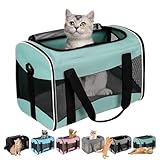
- [PRODUCT DIMENSIONS] Pet travel carrier size : 17x11x11 inches, recommended up to 15 lb pets, it is suitable for large, medium cats and small dogs. Please don't choose your airline cat carrying case based on weight, please refer to your pet's length and height when choosing a pet carrier size.
- [AIRLINE APPROVED] This cat carrier is designed with airline approved, it can fit comfortably under most flight seats, we can take our pets wherever we want. Dog travel carrier offers two attachment loop handles that can be used as a dual harness or as a luggage strap for balanced carry and secure transport.
- [EXCELLENT MATERIAL] Collapsible cat carrier is made of polyester fabric, supported by a steel ring, washable, wear-resistant and durable. The three sides and the top of this pet carrier are nylon mesh, scratch-resistant and not easy to damage, it can not only check your pet in real time, but also ensure enough air circulation.
- [SAFE AND COMFORTABLE] Dog travel bag has metal zippers on the top and side entrances, durable and not easy to deform, it allows your pets to enter and exit easily. The cat carrying case is equipped with an anti-escape safety buckle, which can effectively prevent pets from accidentally falling. It is suitable for car rides and vet rides.
- [PORTABLE AND FOLDABLE] Pet travel carrier comes with a detachable and hand washable wool pet bed, it can provide a comfortable sleeping space for your traveling pet. The cat travel case comes with an adjustable shoulder strap and handle for easy portability. When not in use, you can fold it up for storage.
Four documented turning points in adoption stories
1. A bonded pair of cats is not two separate adoption decisions
Best Friends’ 2024 adoption-success roundup includes a bonded pair of cats who were repeatedly overlooked because they needed to be adopted together. Their situation illustrates a common mismatch between shelter convenience and animal welfare: the pair’s relationship was part of their needs, not an optional feature that could be discarded to make placement easier.
The successful match required an adopter able to make room for both animals. For a household, that means asking whether it can afford and care for two animals, provide separate resources where helpful, and accept that the cats may rely on each other during the transition. For a shelter, it means presenting the pair accurately and waiting for a home that sees keeping them together as part of the commitment.
Bonded animals are not automatically the right choice for every adopter. They are, however, a reminder that adoption should be based on the whole situation rather than on a single photograph or a desire to take home only the easiest animal.
Quick wins for a faster PC:
Clear out junk files and repair common Windows errorsFree Scan →Fix the driver behind crashes, sound loss and screen glitchesFind Drivers →2. A senior dog finally meets an adopter prepared for his needs
The same Best Friends roundup describes a senior dog who spent years in shelter and sanctuary care before finding an adopter prepared for his needs. That account challenges the idea that a long stay proves an animal is unadoptable. It may instead reflect age, size, medical needs, energy level, limited public visibility, or the smaller number of households ready to make a long-term commitment to an older animal.
Senior adoption requires practical honesty. A prospective adopter should ask about mobility, medication, pain, house-training, stairs, exercise, grooming, and the likelihood of future veterinary expenses. The household may need to plan for shorter walks, ramps, rugs on slippery floors, medication schedules, or more frequent checkups. None of that diminishes the relationship; it makes the commitment specific.
The story also demonstrates why sanctuary and foster care matter. An animal may remain safe and supported while the right adopter is found, rather than being judged by the speed of the first response.
3. Sunshine’s search for the right home
Sunshine’s ASPCA account begins with severe neglect: she was found emaciated in what was described as an apparently abandoned house. Recovery stories like this should be told with restraint. The known facts are already serious; a writer does not need to invent motives, detailed abuse histories, or a personality transformation that the source does not establish.
Do these 3 things before closing this tab:
1Scan for outdated or missing drivers - takes under a minute2Clear out junk files and repair common Windows errors3Fix the driver behind crashes, sound loss and screen glitchesRank #2
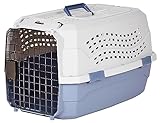
- Hard sided pet carrier with 2 doors for front and top entry; suitable for cat or medium size dog weighing 12 - 20 pounds
- Durable plastic construction with steel wire doors; screws keep the top and bottom sections securely connected
- Spring load latches ensure easy one-handed door opening and closing; top door swings open to the left or right and includes a top carry handle
- Plenty of air ventilation on the sides, top, and back of the carrier
- Note: Be sure to measure the size of the pet when choosing carrier size
The account says Sunshine was eventually connected with a family after an extended search for the right home. That detail matters because animals recovering from serious hardship may need more than a willing adopter. They may need medical follow-up, careful introductions, support with feeding or weight management, training, and a household able to follow professional guidance. The match is part of the rescue, not an afterthought.
It is also important not to generalize from one case. Shelter animals are not uniformly traumatized, and a difficult past is not a required explanation for every fearful, energetic, quiet, or reactive behavior. The animal’s current needs and observed behavior should guide decisions.
4. The adoption story includes people who may never appear in the photograph
Many successful placements depend on a chain of ordinary-looking actions: a veterinary examination, a volunteer’s transport shift, a foster caregiver’s update, a behavior plan, a donor-funded procedure, or a staff member who answers an adopter’s difficult question honestly. In disaster, hoarding, cruelty, or neglect cases, that chain may also include coordinated intake, evidence collection, emergency boarding, and long-term rehabilitation.
Foster-to-adopt and foster-fail stories make this especially visible. A foster home can provide information that is difficult to collect in a shelter: how an animal sleeps, reacts to visitors, uses a litter box, handles a leash, lives with children or other pets, and settles after stimulation. Sometimes the foster family becomes the permanent home. Sometimes it gathers the information that allows another family to make a sound decision.
Relocation can play a similar role. The ASPCA’s position on animal transport and adoption supports responsible movement of adoptable animals to shelters with greater adoption demand or resources when health, welfare, safety, and legal requirements are addressed. Transport is not a universal solution and should not be presented as a substitute for local prevention or support. It is one tool in a broader regional collaboration.
Why one adoption matters in a crowded shelter system
National figures put individual stories in context. For the United States, the latest figures identified in this research are for calendar year 2025. Shelter Animals Count reported approximately 5.8 million dog and cat community intakes and approximately 4.2 million adoptions, with adoptions slightly higher than in 2024. Overall non-live outcomes declined slightly, but the report also identified continuing species-specific and capacity challenges.
The ASPCA’s summary of the 2025 data reports approximately 597,000 animals euthanized in shelters. It also notes that dogs, especially large dogs, are staying longer before adoption and that shelters are managing increased medical and behavioral needs. These are national United States figures, not a description of every shelter or every community. The figures should inform action without reducing individual animals to statistics.
Rank #3

- High Quality Design:Sturdy steel cage structure and wooden support board maintain good spatial stability and shape. Breathable mesh windows on four sides,which can ensure good air circulation and views,make pets have a comfortable and safe travel.It can also be easy for you to check on your pets.There is a front pocket to store pet toys,treats,etc.
- Dimension and Weight:Made of durable tear-resistant fabric.Four easy entrances for pets. Dimensions: 17 inch x 11 inch x 11 inch (L*W*H), suitable for pets up to 16 lbs.Please don't choose your carrier based on weight only,consider your pet's length and height when choosing a carrier.
- Airline Approved & Safty:Can be placed under the seats of most airplanes(Four non-slip feet on the bottom to prevent movement), and comfortably on the seat next to you in a car or bus.It has a adjustable shoulder strap.Can also be fastened to the car seat with a safety belt or shoulder strap to keep your pet safe.
- Easy to Clean :You can clean the stains and dirt on the surface with a soft cloth.Soft mat inside the pet carrier is removable and washable.You can take it out and wash it easily to solve all stains.
- Easy to Collapsible & Lightweight:When not in use,fold it into a flat,space saving and easy to store.Only 2.2lbs,it's easier to carry around.It can also used as a toy of pet house,allowing pets to play in a safe space to relax and rest.
Organizational results show another part of the system. In 2025, the ASPCA said that it and its partners helped find or support homes for 70,980 animals, relocated nearly 29,000 animals for better adoption opportunities, and supported more than 1,400 shelters and rescues. Those are ASPCA organizational figures, not a national total.
The Tool Desk
Outbyte Driver Updater FREEScan for outdated or missing drivers - takes under a minuteDriver Scan →Outbyte PC Repair FREERepair Windows errors before they cause bigger problemsFix Now →An adoption can help a shelter use its limited space, staff time, foster openings, and veterinary resources for other animals. But the effect is not a simple one-for-one cure. Communities also need lost-animal reunification, affordable veterinary and sterilization services, behavior assistance, pet-owner support, foster networks, responsible breeding and acquisition decisions, and humane programs that prevent animals from entering crisis in the first place.
How to make the right adoption match
A moving photograph can begin the process, but it should not finish it. The ASPCA’s adoption guidance recommends researching local shelters and rescues, reviewing an animal’s personality and needs, and allowing shelter personnel to help assess whether the match is appropriate.
- Describe your real household. Be honest about work hours, travel, children, roommates, other animals, allergies, housing rules, stairs, yard access, noise, and available budget. The ideal animal is not the one that creates the strongest immediate emotion; it is the one whose needs your household can meet for life.
- Ask specific questions. Ask what the organization has observed about handling, activity, house-training, litter-box use, food, medications, play, separation, resource guarding, introductions, and reactions to people or animals. Ask what is known, what is estimated, and what remains uncertain.
- Include everyone who will share responsibility. A dog’s walks, a cat’s litter care, a rabbit’s enrichment, or a horse’s specialized care cannot depend on one person’s enthusiasm on adoption day.
- Plan for the animal you are adopting, not a generic pet. A senior dog, bonded cats, disabled animal, recovering animal, rabbit, pig, or horse may need a very different home setup and veterinary relationship. Dog and cat checklists do not automatically apply to other species.
The first days, weeks, and months at home
ASPCA adoption guidance describes a broad 3-3-3 adjustment framework: the first days may involve nervousness and observation, the following weeks may bring increasing comfort and training, and the first months may reveal more of the animal’s personality and needs. It is a practical guideline, not a behavioral timetable or a promise that every animal will progress in exactly three stages.
| Stage | What may help | What not to assume |
|---|---|---|
| First few days | Quiet space, predictable meals, limited introductions, secure exits, sleep, and observation. | Silence does not necessarily mean the animal is relaxed, and fear does not mean the adoption will fail. |
| First few weeks | Consistent routines, gentle training, gradual exposure, appropriate play, and communication with the shelter or foster team. | The behavior seen on adoption day is not the complete personality. |
| First few months | Review progress, address emerging needs, maintain veterinary and behavior plans, and keep expectations realistic. | Trust and household habits must be completely established by a fixed deadline. |
Do not rush a newly adopted animal through a parade of visitors, unfamiliar places, grooming appointments, and introductions simply to create a memorable first week. Some animals adjust quickly; others need weeks or months of predictable care. A calm routine is often more useful than a dramatic welcome.
Rank #4

- Pet Carrier: 17.5” L x 11” W x 11” H, Recommended max load of 16 lbs cats small dogs. Please do not choose your carrier based on weight--please reference your pet's length and height in selecting a pet carrier size.
- Fits for under-seat dimensions of most airlines. Every airline has a specific set of rules and regulations, please contact with airline before flying with your cats small dogs.
- Mesh windows for ventilation, top and side entry with locking zippers for safety. Carrying handles, adjustable shoulder strap which can also be used as seatbelt, and back strap can fasten the pet carrier to your luggage.
- Pet carrier comes with a removable base insert, which creates a solid surface for your pet to stand on, along with a removable & hand washable cozy fleece pet bed, which offers a cozy sleeping space for your traveling cats small dogs.
- "Toys for pets, of textile materials". Mostly used as a Toy of Fabric Pet Home for pets playing and relaxing.
Veterinary care and the financial reality
New adopters should establish a relationship with a nearby veterinarian soon after adoption and plan for an examination, recommended vaccinations, parasite prevention, and possible emergencies. Bring the shelter’s medical records and ask which treatments are complete, which are due, and which conditions require follow-up.
Adoption fees commonly help cover veterinary care, sterilization, vaccinations, food, and continuing rescue work. They are not a guarantee that an animal will never need additional care after placement. Before adopting, estimate routine costs as well as possible medication, dental, diagnostic, training, grooming, boarding, or emergency expenses.
Pet insurance may be one option for planning future veterinary costs, but policies can have waiting periods and exclusions for pre-existing conditions. Read the terms before relying on coverage, and do not delay necessary treatment while trying to determine reimbursement. A reserve fund, a veterinary payment plan where available, or guidance from the shelter may also be relevant.
When an animal needs patience or specialized support
Some animals need more than a quiet room. A qualified behavior professional may help with fear, reactivity, separation-related behavior, introductions, or training. A veterinarian can investigate pain, illness, appetite changes, house-soiling, or sudden behavior changes. The shelter or rescue may also know which routines, equipment, food, or handling methods helped before adoption.
Responsible guardianship means meeting physical, behavioral, social, and psychological needs throughout the animal’s life. It does not mean pretending every placement works immediately or that asking for help is failure. The ASPCA’s responsible-guardian position recognizes that some placements do not remain permanent and that responsible rehoming or placement through a reputable rescue may sometimes be necessary.
If an adoption is not safe or sustainable, contact the original shelter or rescue promptly, consult a veterinarian or qualified behavior professional, and follow the organization’s return or rehoming process. Never abandon an animal or pass along an incomplete, misleading account of its needs. A responsible change of placement is very different from treating an animal as disposable.
What’s actually slowing this PC down?
Pick the symptom - the matching free tool is one click away.
Beyond dogs and cats
Rescue work also includes rabbits, pigs, horses, and other companion or domesticated animals. Their stories deserve the same care but not the same assumptions. A rabbit may need species-appropriate housing, diet, enrichment, and a veterinarian with rabbit experience. A horse may require land, fencing, farrier care, specialized feed, and a substantial long-term budget. A pig’s adult size and social, dietary, and housing needs can differ greatly from what an adopter expects from a small piglet.
Best Value

- AIRLINE APPROVED CARRIER - With airline-approved design, you can take your pet to go to everywhere. This pet carrier provides two connecting loop handles for balanced carrying as a dual seat belt or luggage strap to secure transport
- SAFETY DESIGN - The adjustable shoulder strap help you hands-free carrying and makes it more safe and convenient pet carrier bag for your travel
- DURABLE - This cat carrier is made of durable and lightweight polyester fabric. The four-side mesh will not only give a safe and comfortable travel for your pet, but also easy for you to check on your pet
- PORTABLE & FOLDABLE - This dog carrier is easy to carry and store, which has a padded shoulder strap and handles
- BOTH SIZES AND WEIGHTS - The mediun cat carrier is designed for small and medium pets within 15" x 9" x 9"(smaller than product) and 15 lbs. Please do not choose your carrier only based on weight. Reference your pets' length and height in selecting a carrier size.If carried on board, the maximum dimensions should not exceed 18IN*11IN*11IN.
Before adopting a less common species, find a veterinarian, learn the adult size and lifespan, check local rules, and speak with a rescue or sanctuary experienced with that animal. The emotional appeal of a rescue story should lead to research, not replace it.
Ways to help when adoption is not possible
Adoption is one meaningful option, not the only one. Readers can:
Windows Errors? Fix Them Before They Spread
Repair common Windows errors and clear accumulated junk for a smoother, more stable PC - no reinstall needed.Free scan · no reinstallCrashes, No Sound, or Screen Glitches?
Random freezes, missing sound and display glitches usually trace back to one bad driver. Find and replace yours safely.Free scan · under a minute- Foster: Offer temporary housing and give the shelter better information about an animal’s behavior and needs.
- Volunteer: Help with walking, enrichment, cleaning, transport, adoption events, photography, administrative work, or follow-up, depending on the organization’s training requirements.
- Donate carefully: Ask a local shelter or rescue which veterinary, food, foster, transport, or emergency needs are most urgent.
- Share accurate listings: Use the organization’s approved description, location, contact method, and adoption requirements. Do not promise that an animal is safe with children or other pets unless the source says so.
- Support prevention: Look for local low-cost veterinary and sterilization resources, lost-and-found reunification programs, and owner-support services.
- Help with transport and regional cooperation: Qualified volunteers and organizations may support transfers when health, safety, legal, and capacity requirements are met.
Readers ready to begin searching can use Petfinder to find adoptable pets near you. Petfinder says its network includes more than 14,500 shelters and rescues and allows searches for dogs, cats, and other animals by location. Availability, adoption policies, and listings vary by organization. The ASPCA’s adoption page also directs prospective adopters to local organizations and current listings in several United States service areas; it is not a complete directory for every region.
How to tell rescue stories responsibly
A compelling story does not need exaggeration. Before publishing or reposting one, use this checklist:
- Identify the source. Name the shelter, rescue, sanctuary, or organization and, when relevant, the publication date of its account.
- Separate fact from interpretation. Say that an organization described an animal as neglected rather than presenting an unverified backstory as established fact.
- Do not invent a diagnosis or breed history. Shelter breed labels, ages, causes of behavior, and medical histories may be estimates. Preserve that uncertainty.
- Avoid the damaged-or-grateful stereotype. Animals can be affectionate, fearful, energetic, reserved, or complicated without fitting a morality tale.
- Protect privacy. Obtain permission for personal details and photographs, especially when adopters, children, former owners, or crisis situations are involved.
- Mark fictional material clearly. Best Friends’ educational resources include fictionalized animal stories for classroom use. Such examples should never be presented as real rescue cases.
- Show the support system. Credit foster families, veterinary teams, transporters, volunteers, donors, and adopters whose work made the outcome possible.
These choices protect animals and readers alike. They also make the happy ending more credible: the animal was not magically fixed, and the adopter did not win a prize. A network of people understood the needs, accepted the work, and built a sustainable home.
Source notes
- Best Friends’ 2024 adoption success stories was used for the bonded-cat and senior-dog examples.
- Best Friends’ story archive provides additional rescue and adoption narratives and varied first-person-style accounts.
- ASPCA’s adoption-story collection was used for the Sunshine account.
- ASPCA’s summary of Shelter Animals Count’s 2025 annual data was used for national intake, adoption, and outcome context.
- ASPCA’s shelter-statistics page was used for the reported euthanasia figure and capacity observations.
- ASPCA’s 2025 organizational impact report was used for ASPCA-and-partner figures.
- ASPCA adoption tips was used for matching, decompression, preparation, the 3-3-3 framework, veterinary planning, adoption fees, and insurance caveats.
- ASPCA’s animal-transport position was used for the relocation guidance.
- ASPCA’s responsible-guardian position was used for lifelong care and responsible rehoming guidance.
- Best Friends’ humane-education material was consulted for the warning about fictionalized classroom stories.
- Petfinder was used for the shelter-and-rescue search resource and its stated network size.
Frequently Asked Questions
Are shelter animals damaged or grateful because they were rescued?
Neither assumption is reliable. Shelter animals have individual histories and personalities. Some adjust quickly, while others need weeks or months of predictable routines, medical care, training, or behavioral support. Adoption decisions should be based on documented needs and observed behavior, not stereotypes.
Recommended Free Tools
What does the 3-3-3 adjustment guideline mean?
It is a broad framework in which the first days may involve nervousness and observation, the following weeks may bring increased comfort and training, and the first months may reveal more of the animal’s personality and needs. It is a practical guideline, not a universal schedule.
What should I do if an adoption is not working?
Contact the original shelter or rescue promptly, consult a veterinarian or qualified behavior professional, and follow the organization’s return or rehoming process. Do not abandon the animal or conceal important information from a possible new caregiver.
The Bottom Line
Bottom line: A real rescue success is not defined by how quickly an animal becomes easy or how dramatic the before-and-after looks. It is defined by accurate information, appropriate preparation, a genuinely compatible home, support during adjustment, and a commitment to humane care for the animal’s entire life.
Quick Recap
Product prices and availability are accurate as of the date/time indicated and are subject to change. Any price and availability information displayed on Amazon at the time of purchase will apply.




