
Some links on this page are affiliate links: if you buy through them we may earn a commission, at no extra cost to you.
No cat breed is scientifically proven hypoallergenic. Every cat produces Fel d 1, the major cat allergen, and individual cats can affect the same person very differently. Still, 12 breeds are reasonable for an allergy-aware reader to investigate—provided the specific cat is tested before adoption.
There is no scientifically proven hypoallergenic cat. Every cat produces Fel d 1, the major cat allergen, and two cats of the same breed can trigger very different reactions. However, some breeds are reasonable for an allergy-aware person to investigate because they may shed less visible fur, have distinctive coats, or have limited evidence suggesting lower allergen exposure.
As an Amazon Associate I earn from qualifying purchases.
The safest approach is not to choose by breed name alone. Meet the specific cat indoors, spend meaningful time with it, and speak with an allergist before adoption if you have asthma, wheezing, or a history of severe reactions.
The 12 best cats to investigate if you have allergies
This is a practical shortlist, not a scientifically validated ranking. “Best” means breeds that may be worth meeting and testing individually—not cats guaranteed to be safe.
Popular on Amazon

- Cat kibble that reduces the major allergen in cat hair and dander by an average of 47 percent starting in 21 days
- Cat allergen-reducing food that also delivers 100 percent nutrition and 0 percent fillers
- Real Chicken is the number 1 ingredient in this adult cat food– your cat will love the taste
- Chicken cat food with Carbohydrate sources to support healthy energy and highly digestible ingredients support nutrient absorption
- Premium cat food with omega-6 fatty acids to support skin and coat health
| Breed | Why allergy sufferers consider it | Important limitation |
|---|---|---|
| Siberian | Some studies have reported lower Fel d 1 levels in certain Siberians. | Research has not established reliably lower airborne allergen exposure in ordinary homes. |
| Balinese | A longhaired Siamese-group breed commonly included in allergy-oriented guidance. | There is no definitive clinical evidence that Balinese cats are hypoallergenic. |
| Javanese | A Siamese-related breed often considered by people seeking an allergy-friendlier cat. | Its breed group and coat do not prove lower Fel d 1 production. |
| Siamese | Short coat and relatively little loose fur compared with many longhaired breeds. | Short hair does not remove saliva, dander, skin, or other allergen exposure. |
| Oriental Shorthair | Short, close coat and Siamese-group type may appeal to readers seeking less loose hair. | Less visible shedding is not proof of less allergen production. |
| Russian Blue | Frequently marketed as an allergy-friendly, short-coated breed. | It has not been scientifically validated as a hypoallergenic breed. |
| Bengal | Distinctive short coat and reputation for lower shedding. | Bengals still produce allergens; their high activity level, care needs, and local rules also matter. |
| Devon Rex | Curly coat may leave less visible loose fur around the home. | Lower shedding should not be confused with lower Fel d 1 production. |
| Cornish Rex | Low-shedding coat makes it a practical candidate for people concerned about loose fur. | It is not allergen-free or completely hypoallergenic. |
| Sphynx | Hairless or nearly hairless, so there is less fur to spread around and clean up. | Sphynx cats still produce Fel d 1 and require routine skin care and temperature protection. |
| Burmese | Short coat and comparatively limited visible shedding make it worth investigating. | Short hair does not mean low allergen production. |
| Colorpoint Shorthair | Siamese-related shorthaired breed for readers comparing Siamese-type cats. | Breed recognition and coat type do not establish hypoallergenicity. |
1. Siberian
The Siberian is the strongest candidate for a carefully qualified allergy-oriented list. Some research has found lower Fel d 1 levels in some Siberian cats, which is why the breed is frequently considered by allergy sufferers. That finding does not mean every Siberian produces less allergen, nor does it prove that a Siberian will create lower airborne allergen levels in your home. A study of individual cats is not a guarantee for an entire breed.
Siberians have a dense, typically long coat and may be a poor practical match if loose fur and frequent brushing are major concerns. Treat the breed as one to investigate—not as the “safest” cat.
Recommended Free Tools
2. Balinese
Balinese cats are longhaired members of the Siamese group and are commonly mentioned in consumer guidance about cats for allergy sufferers. Their inclusion is based primarily on breed-group discussion and practical coat considerations, not on definitive evidence that they produce less Fel d 1.
The long coat can still carry saliva and dander around the home. Meet an individual Balinese before making any decision, particularly if your symptoms are triggered by airborne particles or contact with fur.
3. Javanese
Javanese cats are often grouped with Balinese and other Siamese-related breeds in allergy-focused recommendations. They may be worth visiting if you like the Siamese family’s appearance and social, interactive style.
Do not interpret the breed grouping as an allergy guarantee. Javanese cats produce Fel d 1 like other cats, and an individual cat’s allergen level and your own sensitivity are more important than the label.
Do these 3 things before closing this tab:
1Repair Windows errors before they cause bigger problems2Scan for outdated or missing drivers - takes under a minute3Clear out junk files and repair common Windows errors4. Siamese
The Siamese has a short, close coat, so there may be less visible loose fur than with a heavily coated breed. That can make routine cleaning easier, but it does not change the underlying allergy biology.
Also popular on Amazon

- Cat kibble that reduces the major allergen in cat hair and dander by an average of 47 percent starting in 21 days
- Cat allergen-reducing food that also delivers 100 percent nutrition and 0 percent fillers
- Real Chicken is the number 1 ingredient in this adult cat food– your cat will love the taste
- Chicken cat food with Carbohydrate sources to support healthy energy and highly digestible ingredients support nutrient absorption
- Premium cat food with omega-6 fatty acids to support skin and coat health
Fel d 1 is associated with saliva, skin, dander, and hair—not hair alone. A short-haired Siamese can still cause substantial symptoms, and its coat length should be treated as a housekeeping consideration rather than evidence of lower allergen production.
5. Oriental Shorthair
The Oriental Shorthair is a short-coated Siamese-group breed recognized by The International Cat Association. Its coat may appeal to people who want less loose fur and relatively straightforward grooming.
There is no basis for converting that short coat into a claim that Oriental Shorthairs produce less Fel d 1. Spend time with the individual cat and observe both immediate and delayed symptoms.
What’s actually slowing this PC down?
Pick the symptom - the matching free tool is one click away.
6. Russian Blue
Russian Blues are frequently marketed as an allergy-friendly option and are recognized as a distinct breed by TICA. Their short coat may reduce the amount of visible fur that accumulates on furniture compared with some longhaired cats.
“Often recommended” is not the same as “scientifically hypoallergenic.” Russian Blues still produce Fel d 1, so a visit with the particular cat is essential.
7. Bengal
Bengals have a distinctive short coat and are often included in consumer lists because they may shed less visibly than some other cats. They are also typically active, athletic, and demanding of enrichment, so allergy compatibility is only one part of the decision.
Before adopting, consider the cat’s temperament, exercise and enrichment needs, household suitability, health screening, and any local restrictions. A short coat does not make a Bengal allergen-free.
Also popular on Amazon
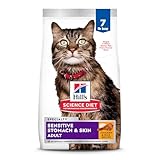
- UPDATED FORMULA: Triple support for stomach, skin and immune system health
- Highly digestible formula with prebiotic fiber that is gentle on the stomach for optimal nutrient absorption
- Enriched with Vitamin E and Omega-3 & 6 fatty acids, for healthy skin and lustrous fur
- Clinically proven antioxidants, Vitamin C+E, for a healthy immune system
- 29 key nutrients, including essential vitamins, minerals, and omega 3 & 6 fatty acids. Complete and balanced nutrition for adult cats’ health
8. Devon Rex
The Devon Rex’s curly coat is commonly considered by allergy sufferers because it may shed less visible fur. That can reduce the amount of hair you notice on clothing and furniture.
Less visible shedding does not demonstrate less Fel d 1. The allergen can spread through grooming, saliva, skin, and dander even when a cat does not leave much fur behind.
9. Cornish Rex
The Cornish Rex has a short, low-shedding curly coat and is a reasonable candidate for readers whose main concern is loose fur. Its grooming needs are different from those of a conventional shorthaired cat, and individual skin and coat care still matter.
It is not completely hypoallergenic. Meet the cat in an enclosed indoor environment rather than relying on the appearance or feel of its coat.
Free tools Windows power users keep installed
One-click scans. No signup required.
10. Sphynx
Sphynx cats are hairless or nearly hairless, which can reduce fur-borne particles and make some cleaning tasks more manageable. They are sometimes assumed to be the obvious choice for allergy sufferers.
That assumption is incorrect. Sphynx cats still produce Fel d 1, and allergen-containing skin oils, saliva, and dander remain relevant. They also need regular skin care and protection from cold, heat, and sun exposure. A Sphynx may be easier to clean around, but it is not an allergy-proof cat.
11. Burmese
Burmese cats have a short coat and can be included as a lower-shedding candidate in a practical comparison. If you prefer a shorthaired cat, a Burmese may be worth meeting alongside Siamese-type breeds.
Also popular on Amazon

- The first cat food with the power to reduce cat allergens by simply and safely neutralizing Fel D 1, a common allergen in cat saliva, with a key protein from eggs
- Discovered through over a decade of research, Purina Pro Plan LIVECLEAR cat food significantly reduces the major allergen in cat hair and dander by an average of 47 percent in the third week of feeding
- Chicken is the first ingredient in this high dry protein cat food with rice to support muscle strength
- Safe and nutritious adult digestive dry cat food for skin and coat care is fortified with guaranteed live probiotics for digestive and immune health
- Try this allergen-reducing adult cat food risk free, and know LIVECLEAR dry cat foods are targeted formulas from the Pro Plan SPECIALIZED line
Do not assume that short hair means low allergen production. The relevant question is whether your immune system tolerates that individual Burmese, not whether the coat looks easy to maintain.
Windows Errors? Fix Them Before They Spread
Repair common Windows errors and clear accumulated junk for a smoother, more stable PC - no reinstall needed.Free scan · no reinstallOutdated Drivers Are Slowing You Down
One free scan finds every outdated or missing driver and matches the right update for your exact hardware.Free scan · exact hardware match12. Colorpoint Shorthair
The Colorpoint Shorthair is a Siamese-related shorthaired breed recognized in CFA registration materials. It may be useful for readers comparing Siamese-type cats with different color patterns and breed descriptions.
Recognition as a breed and possession of a short coat do not establish hypoallergenicity. Arrange a personal visit before adoption or purchase.
Why cat hair is not the whole allergy problem
The major cat allergen is Fel d 1. Cats produce it and distribute it while grooming; it can travel in saliva, skin oils, dander, and hair. Other cat allergens may also be clinically relevant. This is why a hairless cat can still trigger symptoms and why a cat that sheds very little may not be safe for a particular person.
Allergen production varies substantially between individual cats. Sex, age, hormonal status, grooming behavior, coat characteristics, and the amount of allergen an individual releases may all affect exposure, but a breed label cannot predict your response reliably. Reviews of the evidence have not established a proven hypoallergenic cat breed. Even the Siberian research is not enough to promise lower allergen exposure in a domestic setting.
The Tool Desk
Outbyte PC Repair FREEClear out junk files and repair common Windows errorsFree Scan →Outbyte Driver Updater FREEFix the driver behind crashes, sound loss and screen glitchesFind Drivers →How to test whether you can tolerate a specific cat
- Ask an allergist about your symptoms first. This is especially important if you wheeze, have asthma, develop breathing difficulty, or have previously had a severe reaction. Testing can help establish whether cats are the cause and can inform a safer plan.
- Visit the actual cat. A visit to a breeder or shelter that contains other cats may expose you to a mixture of allergens. Whenever possible, spend time with the particular cat you may adopt.
- Stay indoors with the cat. Outdoor or brief encounters may not reproduce the exposure you will experience at home. Sit in the same room, handle the cat if appropriate, and notice symptoms during and after the visit.
- Allow for delayed symptoms. Sneezing or itchy eyes may appear quickly, while congestion, coughing, or worsening asthma can develop later. One short visit is not a guarantee of long-term tolerance.
- Do not use a “hypoallergenic” label as a substitute for testing. The label is commonly used in marketing, but no breed is proven allergy-proof.
- Ask about a trial arrangement. A shelter or rescue may be able to explain its meet-and-greet or foster-to-adopt policies. Adoption listings and preparation guidance are available through the ASPCA, but adoption does not eliminate allergy risk.
- Have a contingency plan. Discuss with the organization what happens if symptoms make the placement unsafe. Never hide serious breathing symptoms in an attempt to make an adoption work.
Ways to reduce cat-allergen exposure at home
ACAAI identifies avoidance as the most effective general strategy. If you decide to live with a cat, the following measures can reduce—not eliminate—exposure:
- Keep the cat out of the bedroom. Make the bedroom a lower-exposure zone and keep the door closed.
- Run a HEPA air cleaner continuously in important rooms. Put the unit where you spend the most time, and follow the manufacturer’s filter-replacement schedule.
- Vacuum regularly with a high-efficiency or central vacuum. Focus on carpets, upholstery, rugs, and other places where hair and dander settle.
- Clean soft surfaces. Wash bedding and removable covers regularly, and limit upholstered items the cat uses if they are difficult to clean.
- Reduce direct contact with the face. Wash your hands after handling the cat and avoid touching your eyes or nose.
- Have a less-allergic household member handle grooming and litter. Grooming can redistribute allergen, and litter may contain contaminated dust.
- Maintain ventilation and source control. Filtration supplements—not replaces—cleaning, ventilation, and keeping the cat away from high-priority areas.
Products that may help reduce exposure
Allergen-reducing cat food
If you decide to live with a cat despite allergies, Purina ONE LiveClear may be worth discussing with your veterinarian. Purina says its egg-derived protein binds or neutralizes Fel d 1 in saliva before it reaches the cat’s hair and dander, and reports a 47% reduction in the major allergen in hair and dander starting on Day 21. That is a manufacturer claim; it does not mean the cat becomes hypoallergenic, eliminate every cat allergen, guarantee symptom relief, or replace medical advice. Purina also says the effect stops when feeding stops. Verify the current formula, availability, and feeding directions before purchase.
Also popular on Amazon

- Real turkey is the first ingredient in our high protein cat food to help support strong muscles, including a healthy heart in adult cats
- Made for cats with sensitive systems, this Purina ONE sensitive stomach cat food features an easily digestible formula with added prebiotic fiber
- Crunchy cat food with calcium supports strong teeth and healthy gums, and four antioxidant sources help support a healthy immune system
- With deliciously crunchy bites, this turkey cat food delivers a great taste and is made with no artificial flavors or preservatives
- Purina sensitive skin and stomach cat food is crafted in Purina-owned, U.S. facilities
Portable HEPA air purifier
When comparing a HEPA air purifier for pet allergies, check the room-size rating, clean air delivery rate (CADR), replacement-filter price and availability, noise, and whether the unit has a genuine HEPA designation. The EPA says HEPA filtration can theoretically remove at least 99.97% of 0.3-micron particles under the stated test condition. A portable cleaner is a supplement to source control and ventilation, not a device that removes every pollutant or guarantees symptom prevention. Avoid ozone-generating devices.
HEPA-filtered vacuum
A HEPA vacuum for pet dander is a logical companion to regular cleaning because allergen-containing hair and dander settle on carpets, furniture, and bedding. Look for sealed or high-efficiency filtration, suitable attachments for upholstery, manageable maintenance, and reasonably priced replacement filters. Vacuuming can reduce settled allergen levels; it cannot remove all exposure and may temporarily disturb particles while cleaning.
When allergies should outweigh breed preference
If exposure causes wheezing, chest tightness, shortness of breath, or poorly controlled asthma, do not try to solve the problem by switching from one “allergy-friendly” breed to another. Discuss the risk with an allergy specialist before bringing a cat home. Medication and immunotherapy may be options for some people, but those decisions require individualized medical advice.
For mild symptoms, environmental controls and careful testing may make living with a particular cat possible—but there is no responsible way to promise that a breed will work for you.
Bottom line
The best cat for allergies is the individual cat you can tolerate, not a breed that a list calls hypoallergenic. Siberians may be especially worth investigating because some studies have reported lower Fel d 1 in certain cats, while Balinese, Javanese, Siamese, Oriental Shorthairs, Russian Blues, Bengals, Devon Rexes, Cornish Rexes, Sphynxes, Burmese, and Colorpoint Shorthairs are practical candidates for an individual meet-and-test process. None is scientifically proven allergy-free. Test before adopting, control exposure at home, and seek medical guidance when respiratory symptoms are involved.
Frequently Asked Questions
Are any cats truly hypoallergenic?
No. All cats produce Fel d 1, the major cat allergen, and hairless cats can still spread allergens through skin, saliva, and dander.
Quick wins for a faster PC:
Scan for outdated or missing drivers - takes under a minuteDriver Scan →Clear out junk files and repair common Windows errorsFree Scan →Are Siberian cats better for people with allergies?
A Siberian may be worth investigating because some studies reported lower Fel d 1 in certain individuals. However, this does not prove reliably lower airborne exposure in homes, so you still need to test the specific cat.
How can I test whether I can tolerate a cat?
Meet the specific cat indoors and spend enough time together to notice delayed symptoms. If you have asthma, wheezing, or severe reactions, consult an allergist before adoption.
How can I reduce cat allergens at home?
Keep the cat out of the bedroom, use a properly sized HEPA air cleaner, vacuum regularly with high-efficiency filtration, clean soft surfaces, and have a less-allergic person handle grooming when possible. These steps reduce exposure but do not eliminate it.
The Bottom Line
The honest answer: no cat breed is proven hypoallergenic. Choose by testing your reaction to the specific cat, not by coat length or marketing claims. Environmental controls such as bedroom exclusion, HEPA filtration, and regular high-efficiency vacuuming may reduce exposure but cannot guarantee symptom-free living.





Leave a Reply