
What’s actually slowing this PC down?
Pick the symptom - the matching free tool is one click away.
Some links on this page are affiliate links: if you buy through them we may earn a commission, at no extra cost to you.
The best hypoallergenic cat food is not necessarily the food with the shortest ingredient list. For a cat with suspected food allergy, the most reliable starting point is usually a veterinarian-selected therapeutic diet made with hydrolyzed protein or a genuinely novel protein, followed by a controlled elimination trial.
There is no food that is guaranteed to be hypoallergenic for every cat. A formula that works for one cat may fail for another, and the right choice depends on the cat’s previous diet history, symptoms, age, other medical conditions, and whether the food is being used to diagnose an allergy or manage a confirmed one. This U.S.-focused list reflects product information and veterinary sources checked on August 10, 2026.
As an Amazon Associate I earn from qualifying purchases.
Our seven leading options are:
- Hill’s Prescription Diet z/d — best overall starting point for a vet-guided elimination trial.
- Royal Canin Feline Hydrolyzed Protein HP — a strong standard hydrolyzed alternative.
- Royal Canin Feline Ultamino — an option for severe or persistent reactions when a standard hydrolyzed diet fails.
- Purina Pro Plan Veterinary Diets HA — a hydrolyzed alternative whose U.S. label includes kitten growth and adult-maintenance adequacy.
- BLUE Natural Veterinary Diet HF — a hydrolyzed-salmon option available in dry and wet formats.
- Hill’s Prescription Diet d/d Duck & Green Pea — a novel-protein choice when duck is genuinely new to the cat.
- Rayne Rabbit-MAINT — a rabbit-based dry and wet alternative when rabbit is genuinely novel.
These are editorial candidates, not interchangeable prescriptions. A veterinarian should evaluate cats with chronic vomiting or diarrhea, weight loss, bloody stool, recurrent skin or ear infections, or significant itching before a food trial begins.
Quick comparison: the seven best veterinary hypoallergenic cat foods
| Food | Protein strategy | U.S. formats | Best use | Life-stage note | Major caveat |
|---|---|---|---|---|---|
| Hill’s Prescription Diet z/d | Highly hydrolyzed chicken-derived protein | Dry and wet | General starting point for a diagnostic trial | Cited dry formula is for adult maintenance | Contains hydrolyzed chicken-derived ingredients and chicken-liver flavor |
| Royal Canin Feline Hydrolyzed Protein HP | Hydrolyzed soy protein | Dry | Alternative standard hydrolyzed diet | Adult maintenance | Also contains chicken fat, fish oil, and natural flavor |
| Royal Canin Feline Ultamino | Extensively hydrolyzed poultry protein plus amino acids | Dry | Severe, persistent, or refractory reactions | Adult maintenance | Manufacturer’s U.S. page warns it may temporarily be out of stock |
| Purina Pro Plan Veterinary Diets HA | Hydrolyzed soy isolate and hydrolyzed chicken ingredients | Dry | Hydrolyzed alternative; useful when kitten adequacy matters | U.S. label states growth of kittens and maintenance of adult cats | No matching U.S. wet formula identified; it is not chicken-free |
| BLUE Natural Veterinary Diet HF | Hydrolyzed salmon | Dry and wet | Wet-food or salmon-hydrolysate option | Verify the current product adequacy statement | Not automatically appropriate for a fish-sensitive cat |
| Hill’s Prescription Diet d/d Duck & Green Pea | Novel intact duck protein | Dry; verify wet availability | Known diet history and genuinely novel duck | Adult maintenance | Contains chicken-liver flavor and fish oil |
| Rayne Rabbit-MAINT | Rabbit-based novel-protein line | Dry and wet | Rabbit-based alternative to hydrolyzed food | Verify the adequacy statement for the individual product | Rabbit must be novel; wet products contain salmon oil |
Product availability, package sizes, ingredients, and adequacy statements can change. Check the current U.S. label and ask your veterinarian before substituting one therapeutic diet for another.
Popular on Amazon

- Cat kibble that reduces the major allergen in cat hair and dander by an average of 47 percent starting in 21 days
- Cat allergen-reducing food that also delivers 100 percent nutrition and 0 percent fillers
- Real Chicken is the number 1 ingredient in this adult cat food– your cat will love the taste
- Chicken cat food with Carbohydrate sources to support healthy energy and highly digestible ingredients support nutrient absorption
- Premium cat food with omega-6 fatty acids to support skin and coat health
What does “hypoallergenic” cat food actually mean?
Hypoallergenic is useful consumer shorthand, but it does not mean allergen-free. In veterinary nutrition, two strategies matter most.
Hydrolyzed-protein diets
Hydrolysis uses enzymes to break a protein into smaller peptides. The immune system is less likely to recognize some small peptides as the original allergen, although hydrolysis reduces antigenicity rather than guaranteeing that a reaction is impossible. Products differ in their original protein source and in how extensively that protein is broken down. PetMD explains the general hydrolyzed-protein approach.
Do these 3 things before closing this tab:
1Clear out junk files and repair common Windows errors2Fix the driver behind crashes, sound loss and screen glitches3Repair Windows errors before they cause bigger problemsThe shortlist includes hydrolyzed chicken protein in Hill’s z/d, hydrolyzed soy protein in Royal Canin HP and Purina HA, extensively hydrolyzed poultry protein and amino acids in Royal Canin Ultamino, and hydrolyzed salmon in BLUE HF.
Novel-protein diets
A novel protein is one the individual cat has not previously eaten. Novel does not mean unusual to people. Rabbit, duck, venison, or alligator is not novel if it has appeared in the cat’s food, treats, table scraps, supplements, pill pockets, flavored medication, or food stolen from another pet. The cat’s complete diet history determines whether a protein is novel. VCA’s elimination-trial guidance explains why that history matters.
No commercial diet can guarantee the complete absence of every allergen. A cat could react to the hydrolyzed protein, another ingredient, a flavoring, or unintended cross-contact. That is why a therapeutic diet should be selected as part of a controlled veterinary plan rather than judged by its front-of-package claims alone.
Our seven picks
1. Hill’s Prescription Diet z/d Hydrolyzed Chicken Flavor Cat Food: best overall starting point
Best for: Cats with suspected food allergy and an unknown, complicated, or protein-heavy diet history.
Hill’s z/d is the most broadly useful first discussion point on this list because it is a veterinary hydrolyzed diet available in both dry and wet cat-food versions. Hill’s describes the formula as using highly hydrolyzed protein and being formulated without intact animal-protein sources. The product also includes the company’s ActivBiome+ Digestion prebiotic blend. The cited dry formula is complete and balanced for adult maintenance, and the U.S. product page lists an 8.5-pound package. The wet version can be important for cats that refuse kibble or need additional dietary moisture.
Read the label carefully: The dry ingredient list includes brewers rice, hydrolyzed chicken liver, rice-protein concentrate, soybean oil, chicken-liver flavor, fish oil, and other ingredients. Thus, hydrolyzed chicken does not mean chicken-free in the ordinary ingredient sense. It means the relevant protein has been hydrolyzed. A cat with a known reaction to a particular chicken-derived ingredient still needs a veterinarian to review the complete current formula.
Why it may not work: Some cats reject its flavor or react despite hydrolysis. If the cat will not eat it, or if symptoms persist during a properly controlled trial, the veterinarian may choose another hydrolyzed or novel-protein diet. Do not add ordinary wet food, treats, or toppers to make it more appealing without veterinary approval during a diagnostic trial.
2. Royal Canin Feline Hydrolyzed Protein HP: best standard hydrolyzed alternative
Best for: Cats that refuse Hill’s z/d or for which the veterinarian prefers a hydrolyzed soy formula.
Free tools Windows power users keep installed
One-click scans. No signup required.
Royal Canin Feline Hydrolyzed Protein HP uses hydrolyzed soy protein made up of low-molecular-weight peptides. Royal Canin positions it for gastrointestinal and dermatological support and includes EPA and DHA. The cited U.S. dry formula is complete and balanced for adult maintenance. The current manufacturer page lists 12-ounce, 7.7-pound, and 17.6-pound sizes.
Also popular on Amazon

- Cat kibble that reduces the major allergen in cat hair and dander by an average of 47 percent starting in 21 days
- Cat allergen-reducing food that also delivers 100 percent nutrition and 0 percent fillers
- Real Chicken is the number 1 ingredient in this adult cat food– your cat will love the taste
- Chicken cat food with Carbohydrate sources to support healthy energy and highly digestible ingredients support nutrient absorption
- Premium cat food with omega-6 fatty acids to support skin and coat health
This is a sensible alternative when one manufacturer’s texture, flavor, or formulation does not suit the cat. It may also be considered for long-term management if the cat responds and the veterinarian confirms that its adult-maintenance profile fits the cat’s needs.
Important label caveat: The formula also includes chicken fat, fish oil, and natural flavor. “Hydrolyzed soy” does not mean that every other animal-derived or protein-related ingredient has been removed. A cat with a known poultry or fish reaction needs a review of the entire current ingredient panel rather than a decision based on the product name.
3. Royal Canin Feline Ultamino: best discussion point for severe or refractory reactions
Best for: Cats that do not respond to, or cannot tolerate, a conventional hydrolyzed diet.
Recommended Free Tools
Royal Canin Feline Ultamino uses extensively hydrolyzed protein described by Royal Canin as oligopeptides and pure amino acids from a single source. Royal Canin also describes a specialized production process intended to reduce cross-contamination. The cited U.S. product is formulated for adult maintenance, and the current U.S. page lists a 5.5-pound size.
This can be an appropriate diet to discuss when a cat has a very limited known food tolerance, severe ongoing signs, or an unsuccessful trial with a standard hydrolyzed formula. It is not a reason to skip the diagnostic process or change diets without veterinary direction.
Availability is a medical consideration: As of the August 10, 2026 product check, Royal Canin’s U.S. page states that Feline Ultamino may temporarily be out of stock. If a cat depends on it, ask the veterinarian about a backup diet before the current supply runs low. An abrupt, unplanned switch can disrupt an otherwise informative elimination trial.
4. Purina Pro Plan Veterinary Diets HA Hydrolyzed Feline Formula: best kitten-labeled hydrolyzed alternative
Best for: Cats needing a dry hydrolyzed diet, including households discussing a formula for a kitten.
Quick wins for a faster PC:
Repair Windows errors before they cause bigger problemsFix Now →Fix the driver behind crashes, sound loss and screen glitchesFind Drivers →Clear out junk files and repair common Windows errorsFree Scan →Purina Pro Plan Veterinary Diets HA uses hydrolyzed soy-protein isolate and hydrolyzed chicken ingredients, with rice starch as its principal carbohydrate source. Purina’s current U.S. label lists 4-pound and 8-pound bags, 3,428 kcal/kg, and 291 kcal per cup.
The important life-stage distinction is on the U.S. label: it states that the food meets AAFCO Cat Food Nutrient Profiles for growth of kittens and maintenance of adult cats. That makes it worth discussing when a veterinarian wants a hydrolyzed trial for a growing cat. It does not mean every kitten with vomiting, diarrhea, poor growth, or another illness should start it without an examination.
Caveats: Current U.S. listings identify this as a dry-only option; do not promise a matching wet formula. The label includes hydrolyzed chicken liver and hydrolyzed chicken, so it should not be called chicken-free. It remains a veterinary diet selected for a particular medical purpose.
See the current Purina HA label PDF for the nutritional adequacy statement and ingredient information.
The Tool Desk
Outbyte PC Repair FREEClear out junk files and repair common Windows errorsFree Scan →Outbyte Driver Updater FREEScan for outdated or missing drivers - takes under a minuteDriver Scan →Also popular on Amazon
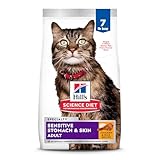
- UPDATED FORMULA: Triple support for stomach, skin and immune system health
- Highly digestible formula with prebiotic fiber that is gentle on the stomach for optimal nutrient absorption
- Enriched with Vitamin E and Omega-3 & 6 fatty acids, for healthy skin and lustrous fur
- Clinically proven antioxidants, Vitamin C+E, for a healthy immune system
- 29 key nutrients, including essential vitamins, minerals, and omega 3 & 6 fatty acids. Complete and balanced nutrition for adult cats’ health
5. BLUE Natural Veterinary Diet HF Hydrolyzed for Food Intolerance: best hydrolyzed-salmon option
Best for: Cats that reject chicken- or soy-based hydrolyzed diets, or households that need a wet hydrolyzed option.
BLUE Natural Veterinary Diet HF uses salmon hydrolysate as its principal protein source. The U.S. veterinary range includes dry and wet formats, which gives it a practical advantage for cats that will not reliably eat kibble. Blue Buffalo’s veterinary wet-food listing should be checked for the currently available format and package details.
Blue Buffalo states that HF contains no chicken or poultry by-product meals, no corn, wheat, or soy, and no artificial flavors or preservatives. Those are manufacturer claims about the formula; they are not independent proof that the food cannot trigger an individual cat. Read the current label and ask the veterinarian whether its protein strategy fits the cat’s history.
Fish-sensitivity warning: Salmon hydrolysate is still a salmon-derived protein. This is not automatically the right choice for a cat with suspected fish sensitivity. Wet-food texture and palatability also vary, so obtain a sample or the smallest practical quantity before buying a full case when possible. Verify the current nutritional-adequacy statement before using it for a kitten or for long-term feeding.
6. Hill’s Prescription Diet d/d Duck & Green Pea: best intact novel-protein option
Best for: Cats with a carefully documented diet history that have never eaten duck and that refuse or cannot use a hydrolyzed food.
Hill’s Prescription Diet d/d Duck & Green Pea uses duck as its principal intact animal protein and is positioned as limited-ingredient nutrition for food sensitivities. Hill’s says it supports skin, coat, digestion, and stool quality. The cited dry formula is complete and balanced for adult maintenance, and the current U.S. page lists a 3.5-pound bag. Verify wet-food availability rather than assuming that a wet counterpart is sold in the United States.
This diet makes sense only if duck is genuinely novel for the individual cat. A cat that has eaten duck-based treats, mixed-protein foods, or duck-flavored medication may not be a valid candidate.
Do not call it chicken-free or fish-free: The cited formula includes chicken-liver flavor and fish oil in addition to duck and pea ingredients. A cat with a known chicken or fish reaction may need a different diet. The complete current ingredient list matters more than the words duck and green pea on the front of the package.
7. Rayne Rabbit-MAINT: best rabbit-based wet and dry alternative
Best for: Cats that have never eaten rabbit and need a whole-food-style novel-protein alternative to a hydrolyzed diet.
Rayne Rabbit-MAINT is a rabbit-based line with dry food, pâté cups, and chunky stew formats. Rayne describes rabbit as the single animal protein source. The dry product page lists rabbit, rabbit meal, sweet potato, potato protein, potatoes, coconut oil, marine microalgae, prebiotics, and other ingredients, and lists a 6.6-pound bag. The pâté is sold in 12 three-and-a-half-ounce cups; a chunky stew is also available.
Rabbit must be novel for the particular cat. The wet pâté contains salmon oil, which may matter to a cat with a fish reaction even though salmon oil is not the same as intact fish meat. The dry formula lists natural flavor, so owners of extremely reactive cats should ask the veterinarian and manufacturer to review the current label. Verify the adequacy statement for the exact product before feeding it to a kitten or using it as a long-term sole diet. Direct-sale pricing can change and should not be treated as permanent.
Also popular on Amazon

- The first cat food with the power to reduce cat allergens by simply and safely neutralizing Fel D 1, a common allergen in cat saliva, with a key protein from eggs
- Discovered through over a decade of research, Purina Pro Plan LIVECLEAR cat food significantly reduces the major allergen in cat hair and dander by an average of 47 percent in the third week of feeding
- Chicken is the first ingredient in this high dry protein cat food with rice to support muscle strength
- Safe and nutritious adult digestive dry cat food for skin and coat care is fortified with guaranteed live probiotics for digestive and immune health
- Try this allergen-reducing adult cat food risk free, and know LIVECLEAR dry cat foods are targeted formulas from the Pro Plan SPECIALIZED line
Hydrolyzed or novel protein: which should you discuss first?
Neither category is universally superior. The cat’s history and the veterinarian’s diagnostic plan should decide.
- Choose a hydrolyzed discussion first when the diet history is unknown. This is common in adopted cats or cats that have eaten many brands, treats, table foods, and mixed proteins.
- Hydrolyzed food is also logical when the cat has reacted to several intact proteins or when it is impossible to identify a genuinely novel ingredient.
- Consider a novel-protein diet when the history is complete and a protein such as rabbit, duck, or alligator is truly new.
- Consider another hydrolyzed formula or an extensively hydrolyzed option when the first one fails, after checking compliance and investigating other diseases.
- If the cat refuses dry food, discuss wet hydrolyzed or wet novel-protein options. A theoretically ideal diet is not useful if the cat will not eat enough of it.
- If the cat has kidney disease, urinary disease, diabetes, pancreatitis, obesity, is pregnant, or is still growing, the veterinarian must select a diet that addresses all relevant nutritional needs.
Some multifunction veterinary diets combine food-sensitivity management with another goal. For example, Royal Canin offers a hydrolyzed-plus-satiety product for overweight or obese adult cats with food sensitivity, while Hill’s offers a kidney-plus-hydrolyzed formula. These are specific veterinary choices, not generic substitutes for the seven diets above.
How to run a diagnostic elimination diet trial
A food trial is not simply buying a new bag and waiting a few days. The accepted approach is a controlled elimination diet followed by reintroduction or food challenge. VCA describes the diagnostic process, and a peer-reviewed review of feline food allergy discusses diagnosis by elimination.
- Document the complete diet history. Record every commercial food, protein, treat, topper, broth, supplement, dental chew, table food, pill pocket, flavored medication, and food used to give medication.
- Have the veterinarian examine the cat. Itching, vomiting, diarrhea, frequent bowel movements, and weight loss can also result from fleas or other parasites, environmental allergy, bacterial or yeast infection, inflammatory bowel disease, pancreatic, liver, kidney, or intestinal disease, and cancer.
- Obtain the selected veterinary diet. The veterinarian should choose between hydrolyzed and novel protein, and confirm that the product’s life-stage and calorie profile fit the cat.
- Transition gradually when medically appropriate. Manufacturer directions commonly recommend a change over about seven days or longer. A gradual transition can help acceptance, but the formal trial starts only after the cat is eating the trial diet exclusively. Follow the veterinarian’s instructions if a faster change is medically necessary.
- Feed only the trial diet and water. Medications must be explicitly approved, preferably in an unflavored form.
- Prevent accidental exposure. No treats, table food, broths, toppers, supplements, dental chews, flavored medication, pill pockets, toothpaste, other pets’ food, hunting, scavenging, licking contaminated plates, or shared bowls with food residue.
- Continue for at least eight weeks. Gastrointestinal signs may improve within several weeks, but skin disease often needs eight to twelve weeks or longer. Do not declare success or failure after a fixed number of days. VCA’s trial guidance explains why timing varies.
- Keep a daily record. Note appetite, food quantity, vomiting, stool frequency and consistency, itching, overgrooming, skin lesions, infections, and body weight. This helps separate real improvement from normal day-to-day variation.
- Confirm improvement with a food challenge. If signs substantially improve, the veterinarian may reintroduce the old food. A return of signs supports food allergy. Individual ingredients may then be challenged one at a time to identify what must be avoided. Signs can return within days, but skin signs may take weeks.
- If there is no improvement, review before abandoning the diagnosis. Check for accidental exposures, an inadequate trial length, a protein that was not truly novel, cross-contact, another ingredient reaction, parasites, infection, environmental allergy, inflammatory bowel disease, or another medical problem. The veterinarian may recommend a second hydrolyzed or novel-protein trial or additional testing.
Blood, saliva, hair, and commercially marketed skin tests are not reliable substitutes for an elimination trial and food challenge. Improvement alone suggests, but does not definitively prove, a food allergy.
Why ordinary limited-ingredient foods are not the first choice for diagnosis
Retail limited-ingredient foods can sometimes be useful for long-term avoidance after the offending ingredient has been identified. They are not automatically dangerous, and a veterinarian may approve one for a particular cat.
Windows Errors? Fix Them Before They Spread
Repair common Windows errors and clear accumulated junk for a smoother, more stable PC - no reinstall needed.Free scan · no reinstallOutdated Drivers Are Slowing You Down
One free scan finds every outdated or missing driver and matches the right update for your exact hardware.Free scan · exact hardware matchThey are generally less dependable for the initial diagnostic trial because the cat may already have eaten the advertised protein, manufacturing facilities may process several recipes, and undeclared cross-contact can confuse the result. A short ingredient list, grain-free recipe, fresh-food label, or “sensitive stomach” claim does not establish that a food is appropriate for an elimination trial.
For diagnosis, prioritize a veterinary therapeutic diet with a clearly identified hydrolyzed or novel-protein strategy, appropriate nutritional adequacy, and a format the cat will eat. After the allergen is confirmed, a retail food may be considered if the current label, manufacturing controls, and nutritional profile are acceptable for that cat.
Independent reader supportYour contribution helps us test, update, and keep practical guides available for everyone.Also ask your veterinarian about
BLUE Natural Veterinary Diet NP Novel Protein Alligator
BLUE NP Alligator is available in wet and dry formats and uses alligator as its novel animal protein. The wet product is formulated to meet AAFCO Cat Food Nutrient Profiles for all life stages. Blue Buffalo states that the alligator is sourced in the United States in compliance with CITES provisions. It can be useful when alligator is genuinely new to the cat, although supply may be less consistent than for more common veterinary diets. See the dry product page as well.
Royal Canin Selected Protein PR and PD
Royal Canin Selected Protein PR uses rabbit, peas, and hydrolyzed soy in the dry formula. Selected Protein PD uses duck, peas, and hydrolyzed soy. Royal Canin also lists wet PR and wet PD products.
These are not pure rabbit-only or duck-only foods in every format. The dry versions include hydrolyzed soy, and the recipes contain multiple protein-related ingredients. The veterinarian should compare the complete current ingredient panel with the cat’s known reactions and diet history.
Practical selection criteria that matter more than marketing
Diagnostic reliability
Give priority to a veterinary therapeutic diet with a clearly identified protein strategy, appropriate nutritional adequacy for the cat’s life stage, and manufacturer quality-control measures relevant to unintended ingredients. A simple-looking ingredient list is not enough.
Also popular on Amazon

- Real turkey is the first ingredient in our high protein cat food to help support strong muscles, including a healthy heart in adult cats
- Made for cats with sensitive systems, this Purina ONE sensitive stomach cat food features an easily digestible formula with added prebiotic fiber
- Crunchy cat food with calcium supports strong teeth and healthy gums, and four antioxidant sources help support a healthy immune system
- With deliciously crunchy bites, this turkey cat food delivers a great taste and is made with no artificial flavors or preservatives
- Purina sensitive skin and stomach cat food is crafted in Purina-owned, U.S. facilities
Wet versus dry format
Wet food may help with moisture intake and may be the only format some cats will eat. Hydrolyzed wet choices are more limited in the U.S. than dry choices, but refusing dry food does not mean the cat should be forced to eat it. Appetite takes priority. Cats should not be starved or forced through a diet change: prolonged poor appetite can lead to potentially serious hepatic lipidosis, or fatty liver disease. Merck Veterinary Manual warns against withholding food from cats.
Palatability and intake
A food cannot help if the cat will not consume enough calories. Ask the veterinary clinic about samples, buy the smallest available package first, check wet texture before buying a case, and monitor daily intake and body weight. Do not disguise an unaccepted trial food with unapproved toppers.
Label scrutiny
- Hydrolyzed chicken does not necessarily mean chicken-free. Hill’s z/d and Purina HA contain chicken-derived hydrolyzed ingredients; Hill’s z/d also lists chicken-liver flavor.
- Single intact animal protein does not mean no other animal-derived ingredients. Fish oil, liver flavor, gelatin, or natural flavor may still appear.
- Natural flavor may need clarification when the cat is extremely reactive.
- Grain-free does not mean hypoallergenic. Grains are not automatically the cause of a food reaction.
- Fewer ingredients do not automatically make a food suitable for diagnosis. Prior exposure and manufacturing controls matter.
- AAFCO adequacy and allergen control are different questions. A food can be nutritionally complete without being appropriate for a particular elimination trial. AAFCO’s label guidance explains what nutritional adequacy statements do and do not establish.
What to do when the plan fails
The cat refuses the new food
Do not let the cat go without eating to force acceptance. Contact the veterinarian promptly if intake falls substantially. Ask about another manufacturer, a different texture, a wet version, or another hydrolyzed or novel-protein formula. Merck specifically cautions that starving or forcing a cat to eat can contribute to serious liver disease.
Symptoms do not improve
Possible explanations include a trial that was too short, an unnoticed treat or flavored medication, a protein that was not actually novel, cross-contact, a reaction to another ingredient, or a condition unrelated to food. Flea allergy, environmental allergy, infection, inflammatory bowel disease, organ disease, and cancer can all resemble food-related illness. After an unsuccessful trial, the veterinarian may choose a different diet or pursue additional diagnostics.
Symptoms improve and then return
This may happen when the old food, a treat, or a flavored medication is reintroduced. It can also reflect undeclared cross-contact in a retail food or a separate allergy developing later. Return to the veterinarian for a controlled plan rather than repeatedly changing foods at random.
The cat improves, but you want to use a retail food
That may be reasonable after the offending ingredient has been identified and the veterinarian approves the replacement. Compare the complete ingredient list, adequacy statement, manufacturing information, and the cat’s other health needs. Do not assume that a retail limited-ingredient product provides the same diagnostic control as a veterinary therapeutic diet.
Do these 3 things before closing this tab:
1Clear out junk files and repair common Windows errors2Scan for outdated or missing drivers - takes under a minute3Repair Windows errors before they cause bigger problemsWhen to call the veterinarian urgently
Contact a veterinarian promptly for:
- Refusal to eat or a substantial drop in food intake.
- Repeated vomiting or inability to keep water down.
- Bloody stool, severe diarrhea, or signs of dehydration.
- Rapid or unexplained weight loss.
- Open, painful, or infected skin lesions.
- Severe lethargy or weakness.
- A kitten that is not eating.
- Any cat with kidney disease, urinary disease, diabetes, pancreatitis, pregnancy, or another condition requiring a specialized diet.
Food allergy is only one possible explanation for chronic itching, vomiting, diarrhea, or weight loss. A veterinary examination should come before treating the food as the diagnosis.
Frequently Asked Questions
Does hydrolyzed chicken cat food mean the food is chicken-free?
No. Hydrolyzed chicken means the chicken protein has been broken into smaller components. Hill’s z/d and Purina HA contain chicken-derived hydrolyzed ingredients, and Hill’s z/d also lists chicken-liver flavor. If your cat has a known chicken reaction, have the veterinarian review the complete current label.
Is grain-free cat food hypoallergenic?
No. Grain-free is not the same as hydrolyzed or novel-protein, and grains are not automatically the cause of a food allergy. A veterinary elimination diet should be selected according to the cat’s diet history and medical needs.
Can a cat eat a hydrolyzed diet long term?
Some veterinary hydrolyzed foods are complete and balanced for long-term maintenance, but suitability depends on the exact product and the cat’s age, kidney and urinary health, body condition, pregnancy status, and other diseases. Confirm the plan with your veterinarian.
What if my cat will not eat the recommended hypoallergenic food?
Do not starve or force the cat to eat it. Contact your veterinarian about samples, another texture, a wet option, or a different hydrolyzed or novel-protein diet. Prolonged poor appetite can cause serious liver disease in cats.
The Bottom Line
Bottom line: For most U.S. cats beginning a properly controlled food-allergy investigation, discuss a veterinary hydrolyzed diet such as Hill’s z/d, Royal Canin HP, Purina HA, or BLUE HF first. If a standard hydrolyzed diet fails, Royal Canin Ultamino may be worth discussing. If the diet history is complete and rabbit, duck, or another protein is genuinely new, a veterinary novel-protein food such as Hill’s d/d or Rayne Rabbit-MAINT may be appropriate. The food is only one part of the treatment: strict compliance, adequate calorie intake, an eight-week-or-longer trial when needed, and a veterinarian-directed food challenge are what make the process useful.





Leave a Reply