Trained dogs have distinguished odors associated with several diseases in controlled research, but the evidence varies and does not make dogs medical diagnostic tools. Research has examined several cancers, malaria, COVID-19, and Parkinson’s disease; results from one study do not establish reliable performance for other dogs, samples, or patients.
Dogs learn to recognize odor patterns associated with disease, not necessarily a single disease-specific molecule. A 2022 systematic review found the overall evidence quality low and concluded that animal scent detection was not ready for clinical use.
What does disease-sniffing research test?
Researchers train dogs to distinguish samples or people associated with a target condition from comparison samples or people. Studies differ in the condition being tested, sample type, participants, training, blinding, reference tests, and whether dogs inspect collected samples or encounter people directly. Those differences make headline percentages difficult to compare.
The odors involved are not well understood. A dog’s ability to distinguish a sample in a controlled experiment does not show that an ordinary pet can diagnose a person or that the method is ready for routine screening.
#1 Best Overall
Eight reported research targets
The title’s “eight diseases” is not a standardized scientific list. The table below gives eight defensible research targets: five cancer types and three other conditions. These are reported research targets, not eight clinically validated dog diagnoses.
| Research target | What the evidence supports | Important limit |
|---|---|---|
| Melanoma | Listed among cancer targets investigated in canine olfactory research. | Research on a target does not establish a routine diagnostic test. |
| Lung cancer | Listed among cancer targets investigated in canine olfactory research. | Results depend on study methods, samples, and training. |
| Breast cancer | Listed among cancer targets investigated in canine olfactory research. | Findings from individual studies should not be generalized to all dogs or patients. |
| Prostate cancer | Listed among cancer targets investigated in canine olfactory research. | Research does not establish clinical screening by dogs. |
| Bladder cancer | Listed among cancer targets investigated in canine olfactory research. | Performance cannot be assumed to match other cancer types. |
| Malaria | Trained-dog research has examined odors from people carrying malaria parasites. | The dossier does not verify a performance figure to quote. |
| COVID-19 | A 2022 study of 335 ambulatory adults reported 97% sensitivity and 91% specificity against nasopharyngeal RT-PCR. | These are results from that study, not a guarantee across populations, samples, or settings. |
| Parkinson’s disease | A 2025 study reported that trained dogs detected disease-associated odor under controlled conditions. | This does not establish routine diagnosis or screening. |
The cancer targets are listed in a 2016 review of canine olfactory diagnostics. The COVID-19 figures come from the 2022 diagnostic-accuracy study. Malaria and Parkinson’s disease are also research targets, but the dossier does not support quoting specific performance figures for them.
What do the reviews say about reliability?
Bauër and colleagues’ 2022 systematic review included 62 studies of remote medical scent detection involving dogs and rats. Only six studies used a double-blind, screening-like setup. The review found low overall evidence quality and concluded that the evidence then available did not support clinical use.
The review also highlights why results may not generalize: studies use different dogs and training methods, patient groups, samples, test configurations, and controls. Caution is especially important when applying findings from stored samples to a dog detecting a person directly.
What about diabetes alerts and seizures?
Diabetes-related glucose episodes and epileptic seizures are discussed in review literature as possible alert targets. However, diabetes-alert performance is heterogeneous, and the literature describes inconsistent training and assessment. The evidence does not justify presenting one alert rate as typical or treating a dog as a replacement for glucose monitoring.
Rank #2
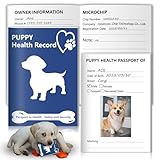
- Product Include:When you choose our dog vaccines records tracker, you'll receive one notebook.This 12-page puppy health journal has 8 dedicated pages for tracking your pup’s health, vet visits, and key details, with 4 blank pages at the end for jotting down extra notes, pet-related info, or anything else you want to record.
- Ideal Size for Record Keeping:Each dog vaccine record book measures 5x3.5 inches folded; 5x7 inches unfolded, allowing for easy portability and storage.These handy health records notebook for dogs with double sided printing, featuring enough space for all your pets important information,plus, it has dedicated spots for sticking on vaccine stickers and adding cute puppy photos.They offer a stylish and organized approach to pet health documentation, a must have addition to your pet supplies.
- Premium Quality: The puppy health record tracker’s cover features 300gsm coated paper with vibrant full-color printing and a protective laminate finish. Inside, 100gsm high-quality offset paper pages are durable and ink-resistant, ensuring no bleeding from pens or markers—so your records stay neat and easy to read.
- Effortlessly Track Vaccinations and More:The canine health record booklets pages include:owner and puppy information,medical history and hospitalizations,vaccination record and sticker,dog service providers,fecal examinations and de-worming,heartworm screening, prevention and treatment etc.This record keeping tool will ensure every important detail is accounted for and make this task easy, organized, and straightforward.Add this essential tool to your pet supplies for a happier, healthier pet.
- Essential for Pet Owners:Designed for veterinary clinics and pet owners, these puppy vaccination record books make tracking key health details—like shots, checkups—simple and organized. When you’re away and leave your pup with a sitter or family, the dog medical record and vaccine book serves as a quick reference for their medical history. Plus, dedicated sections for photos, physical markings, and ID info prepare you for emergencies, helping you recover your friend quickly if they get lost.
Dogs may provide an additional alert for some handlers, but medical monitoring and the person’s established care plan remain essential. A dog’s behavior cannot confirm or rule out a seizure or another condition.
Why can’t study percentages be treated as promises?
Sensitivity and specificity describe performance in a particular study against a particular reference test. They do not guarantee the same result in a different population or real-world setting. Before comparing claims, consider:
- Condition and case definition: Different studies may define or group disease differently.
- Sample or setting: A breath, urine, skin swab, or other collected sample is not the same as detecting a person in real time.
- Participants and reference test: Patient selection and the test used to determine disease status affect the result.
- Training and blinding: Training protocols and whether handlers or observers know the expected answer can affect performance.
- Outcome reported: Sensitivity, specificity, and other recognition measures are not interchangeable.
For example, the 2022 COVID-19 study enrolled 335 ambulatory adults and reported 97% sensitivity and 91% specificity against nasopharyngeal RT-PCR. Those figures describe that study’s participants and setup, not a universal canine test. A separate 2022 airport-screening trial reported that dogs had trained on wild-type virus samples, another reason not to assume results transfer unchanged to different pathogen contexts.
Windows Errors? Fix Them Before They Spread
Repair common Windows errors and clear accumulated junk for a smoother, more stable PC - no reinstall needed.Free scan · no reinstallCrashes, No Sound, or Screen Glitches?
Random freezes, missing sound and display glitches usually trace back to one bad driver. Find and replace yours safely.Free scan · under a minuteCan my pet dog diagnose illness?
No. An untrained household dog’s behavior is not a validated medical test and cannot diagnose or rule out illness. A dog may respond to changes in odor, behavior, or routine, but that observation alone does not establish the cause.
Do not delay medical evaluation or testing because a dog did not alert, and do not treat an alert as a diagnosis. For concerning symptoms, seek appropriate medical advice and follow established care plans.
Rank #3

- All-in-one pet care tracking: vaccinations, vet visits, medical exams, medications and more
- Easy access to pet’s health info: stay organized and on top of your pet's health
- Ample writing space: never run out of space; designed to last entire life of pet
- High-quality materials: durable and elegant design for long-lasting use
- Portable size: convenient A5 size, perfect for on-the-go; practical for vet visits and storage
FAQ
Can dogs really smell disease?
Trained dogs have distinguished disease-associated odors in controlled research. The evidence and readiness differ by condition, and the findings do not establish that household pets can diagnose people.
What diseases have dogs been trained to detect?
Research has investigated several cancers, including melanoma, lung, breast, prostate, and bladder cancer, as well as malaria, COVID-19, and Parkinson’s disease. This is a list of research targets, not clinically validated dog diagnoses.
The Tool Desk
Outbyte PC Repair FREERepair Windows errors before they cause bigger problemsFix Now →Outbyte Driver Updater FREEFix the driver behind crashes, sound loss and screen glitchesFind Drivers →Are disease-sniffing dogs ready for clinical use?
A 2022 systematic review of 62 studies found low overall evidence quality and concluded that animal scent detection was not ready for clinical use.
Can a dog’s alert replace a medical test?
No. A dog’s alert is not a diagnosis, and the absence of an alert does not rule out disease. Follow appropriate medical testing and care.
Quick Recap
Product prices and availability are accurate as of the date/time indicated and are subject to change. Any price and availability information displayed on Amazon at the time of purchase will apply.




